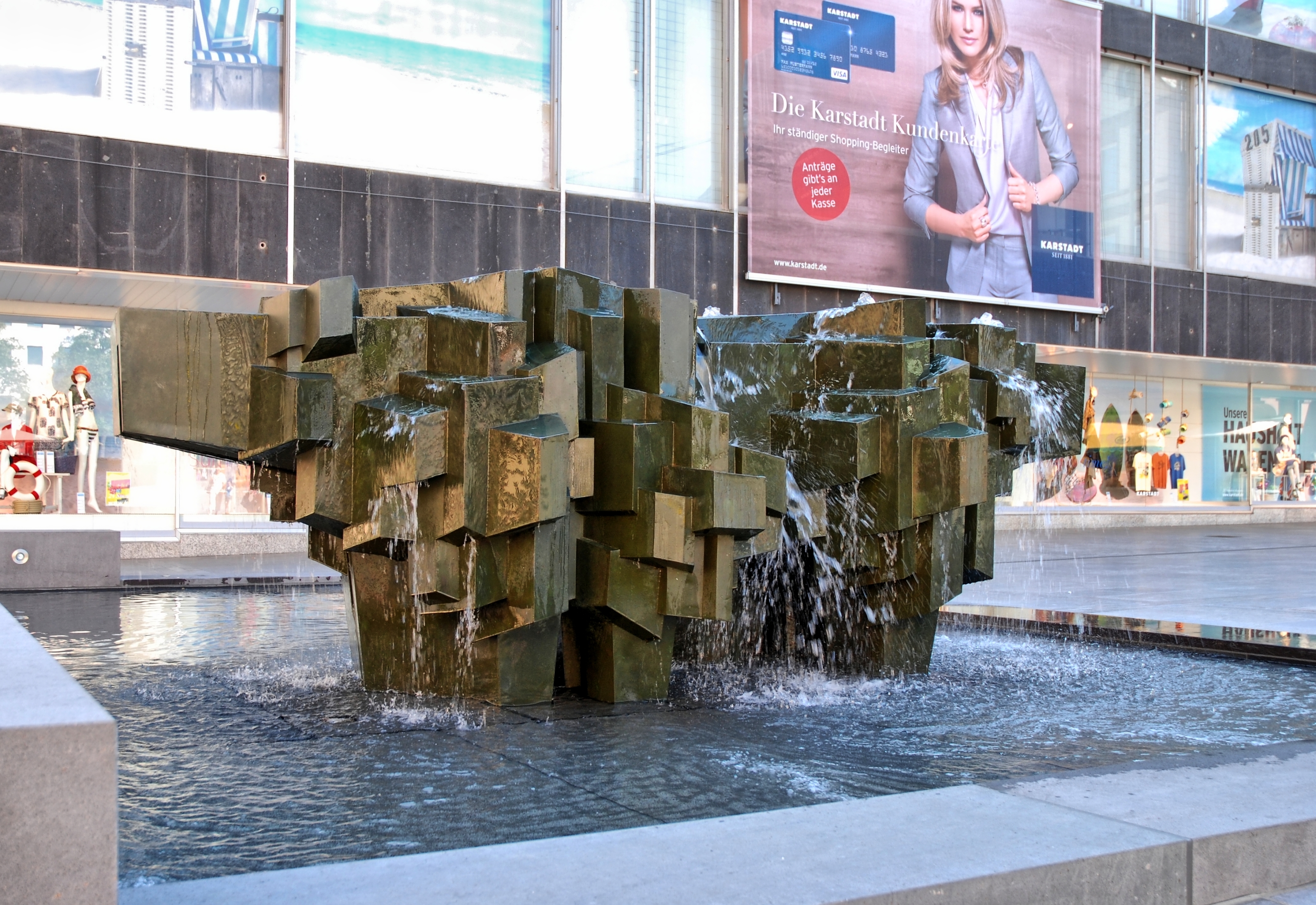
Felsenbrunnen – The Hidden Fountain Gem of Fulda, Hesse
Discover the charm of a centuries‑old stone fountain nestled in the heart of Fulda, and learn how to make the most of your visit to this lesser‑known treasure of Hesse, Germany.
Introduction
If you’ve ever wandered through the cobblestone streets of Fulda and felt the pull of a quiet, historic corner, you’re not alone. Among the city’s baroque churches, bustling markets, and leafy parks lies Felsenbrunnen, a modest yet captivating stone fountain that has been quietly quenching the curiosity of locals and travelers alike for generations. Unlike the grandiose fountains of Munich or Berlin, Felsenbrunnen offers an intimate glimpse into Fulda’s everyday heritage—a perfect stop for anyone seeking authentic, off‑the‑beaten‑path experiences in Hesse, Germany.
In this guide, we’ll dive into the fountain’s story, show you how to reach it, suggest the best times to visit, and point you toward other nearby attractions that can round out a perfect day in Fulda.
About Felsenbrunnen
A Brief Description
Felsenbrunnen (German for “rock fountain”) is a stone water feature situated at the coordinates 50.551757 N, 9.678620 E in the historic center of Fulda. The fountain is built directly into a natural rock outcrop, giving it a rugged, almost medieval feel. While the exact height and altitude of the structure are not recorded in official sources, the modest size of the fountain allows it to blend seamlessly into the surrounding streetscape, inviting passersby to pause for a moment of reflection.
Historical Roots
The fountain’s origins trace back to the early development of Fulda as a religious and administrative hub in the Holy Roman Empire. Although specific construction dates are scarce, stone fountains such as Felsenbrunnen were commonly erected in the 16th–18th centuries to provide clean drinking water to townspeople and pilgrims. Over time, the fountain became a small landmark, referenced in local records and even mentioned on the German‑language Wikipedia page for “Felsenbrunnen (Fulda).”
Cultural Significance
In a city renowned for its baroque architecture—most notably the Fulda Cathedral—Felsenbrunnen stands out as a modest reminder of everyday life in historic Fulda. Its presence underscores the importance of public water sources before modern plumbing, and it continues to serve as a meeting point for locals, a backdrop for photographs, and a quiet spot for tourists seeking a slice of authentic German town life.
How to Get There
By Train
Fulda is a major railway hub on the ICE (InterCity Express) and regional lines linking Frankfurt, Kassel, and Würzburg. From Fulda Hauptbahnhof (main station), the fountain is a short walk of roughly 10–12 minutes. Exit the station onto Bahnhofstraße, head south toward the city center, and follow the signs to the historic old town (Altstadt).
By Car
If you’re driving, take the A66 or A7 motorways to the Fulda exit. Parking in the city center can be limited, but there are several Park‑&‑Ride facilities on the outskirts (e.g., P+R Fulda Nord) that connect to the city via frequent bus lines (Bus 1, 2, or 3). From the nearest parking lot, walk east toward St. Bonifatiusplatz, then continue along the pedestrian‑only lanes until you spot the stone fountain tucked into the side street.
By Bike or On Foot
Fulda’s compact layout makes it ideal for biking or strolling. The city’s bike‑share program (FuldaBike) offers stations near the train station and the cathedral, allowing you to pedal a short distance to Felsenbrunnen. The route is flat and well‑signposted, perfect for a relaxed morning or an afternoon break.
Public Transportation
Local buses (e.g., Bus 6 or Bus 8) stop at “Stadtmitte” or “Domplatz,” both within a two‑minute walk of the fountain. Check the Fulda Verkehrsbetriebe website for real‑time schedules.
Best Time to Visit
Spring (April–June)
The city’s parks and gardens burst into bloom, and the weather is mild—ideal for wandering the old town and watching the fountain’s water sparkle in the sunshine.
Summer (July–August)
Long daylight hours give you plenty of time to explore Fulda’s historic sites. Early evenings are perfect for sitting on a nearby bench, listening to the gentle flow of water, and perhaps enjoying a cold Apfelwein from a nearby café.
Autumn (September–October)
Golden leaves provide a picturesque backdrop, and the crowds thin out after the summer peak. The crisp air makes a walk to the fountain especially pleasant.
Winter (November–March)
While the fountain may be less visually striking when the water is turned off for frost protection, the surrounding historic architecture takes on a cozy, festive vibe—especially if you visit during the Fulda Christmas Market (Weihnachtsmarkt).
Tip: Check the city’s website or contact the local tourist office to confirm whether the fountain’s water feature is active during colder months.
What to Expect
Arriving at Felsenbrunnen, you’ll notice its unassuming stone basin set into a natural rock formation. The water, when flowing, creates a soft murmur that contrasts nicely with the bustling streets nearby. The fountain’s location in a pedestrian zone means you can linger without traffic noise, making it an ideal spot for:
- Photography: The combination of stone texture, water movement, and surrounding historic facades offers great composition opportunities, especially during golden hour.
- People‑watching: Locals often gather here for a quick chat, making it a great place to observe everyday Fulda life.
- Quiet contemplation: The gentle sound of water can be surprisingly soothing, providing a moment of calm amid a day of sightseeing.
Because the fountain is free and open to the public, there are no admission fees or opening hours—just the rhythm of the city.
Nearby Attractions
While you’re in the vicinity of Felsenbrunnen, you can easily add several other charming spots to your itinerary. All are within a 0.3 km radius, meaning you can hop from one to the next on foot.
| Attraction | Distance | What to See | Link |
|---|---|---|---|
| Unnamed Fountain | 0.1 km | A small decorative water feature similar in style to Felsenbrunnen. | Wikipedia Search |
| Unnamed Fountain | 0.2 km | Another historic fountain, perfect for a quick photo stop. | Wikipedia Search |
| Unnamed Fountain | 0.2 km | A quiet corner with a stone basin and seating. | Wikipedia Search |
| Obeliskbrunnen | 0.2 km | A taller fountain topped with an obelisk, offering a contrasting architectural element. | Wikipedia Search |
| Harstall‑Brunnen | 0.3 km | A historic fountain named after the Harstall family, featuring intricate stone carvings. | Wikipedia Search |
Note: While the three “Unnamed Fountain” entries lack specific titles in the source data, they are all public water features that contribute to the fountain‑rich atmosphere of Fulda’s old town.
In addition to these fountains, you’ll find the Fulda Cathedral (Dom St. Salvator), the St. Michael’s Church, and the Schlossgarten (castle garden) just a short stroll away—making the area a compact cultural hub.
Travel Tips
| Tip | Details |
|---|---|
| Carry cash | Some smaller cafés and souvenir stalls near the fountains accept only cash (Euro). |
| Wear comfortable shoes | Cobblestone streets can be uneven, especially after rain. |
| Check water flow | The fountain’s water may be turned off during maintenance or winter; a quick glance at the local tourist office website can confirm its status. |
| Respect local customs | It’s customary to keep the area tidy—dispose of litter in the bins provided. |
| Combine with a city walk | Start at Fulda Hauptbahnhof, head toward the cathedral, then meander through the fountain cluster for a relaxed half‑day tour. |
| Photography etiquette | If you’re using a tripod, be mindful of other visitors and avoid blocking the walkway. |
| Language | While German is the primary language, most tourist information points and many shopkeepers speak basic English. |
| Seasonal events | Fulda hosts a Spring Festival and a Summer Open‑Air Concert Series—both often take place near the historic fountains, adding live music to your visit. |
Final Thoughts
Felsenbrunnen may not dominate travel brochures, but its understated charm encapsulates what makes Fulda a delight for curious travelers: history woven into everyday life, accessible beauty, and a welcoming atmosphere. Whether you’re a history buff, a photography enthusiast, or simply someone who enjoys stumbling upon hidden gems, a stop at this stone fountain will enrich your Hesse adventure.
So lace up your walking shoes, grab a map (or your favorite navigation app), and let the gentle sound of water guide you to Fulda’s most unpretentious landmark. Happy travels!