Ernst‑Ludwig‑Brunnen – A Hidden Gem in Darmstadt, Hesse
Discover the story, the stone, and the splash behind one of Darmstadt’s most understated fountains.
1. Introduction
If you’re wandering the leafy streets of Darmstadt, you might think you’ve seen every historic monument the city has to offer. Then you stumble upon a semi‑circular wall of deep‑red sandstone, a gentle cascade of water, and a quiet sense of reverence. That’s the Ernst‑Ludwig‑Brunnen, a modest yet striking fountain that sits at the heart of the city’s cultural landscape.
Unlike the bustling tourist magnets of Berlin or Munich, this fountain invites you to pause, listen to the soft murmur of water, and imagine the early‑20th‑century spa culture that inspired its creation. Whether you’re a seasoned travel blogger, a lover of German fountains, or simply looking for a peaceful spot in Hesse, the Ernst‑Ludwig‑Brunnen deserves a place on your itinerary.
2. About Ernst‑Ludwig‑Brunnen
A Brief Description
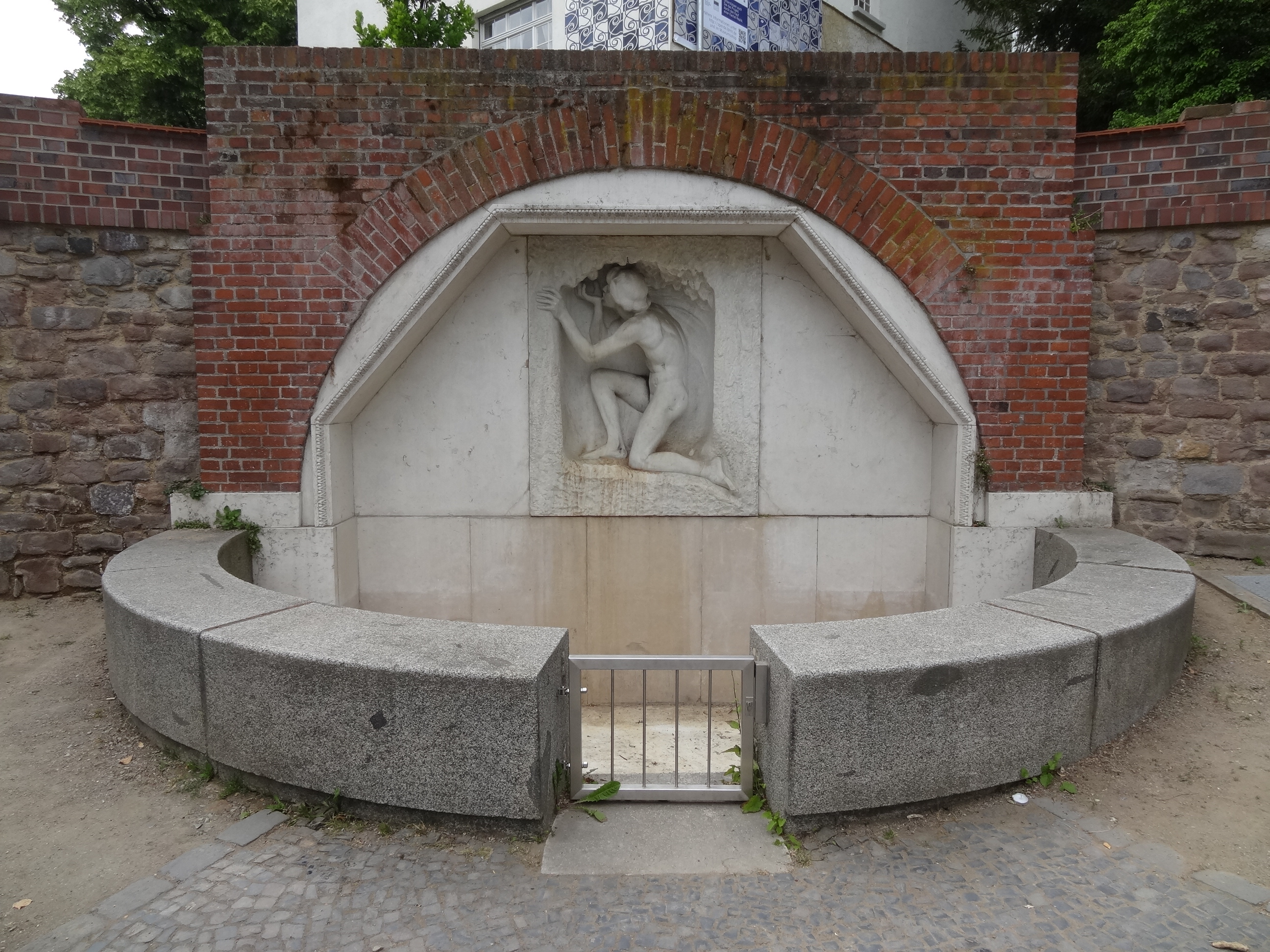
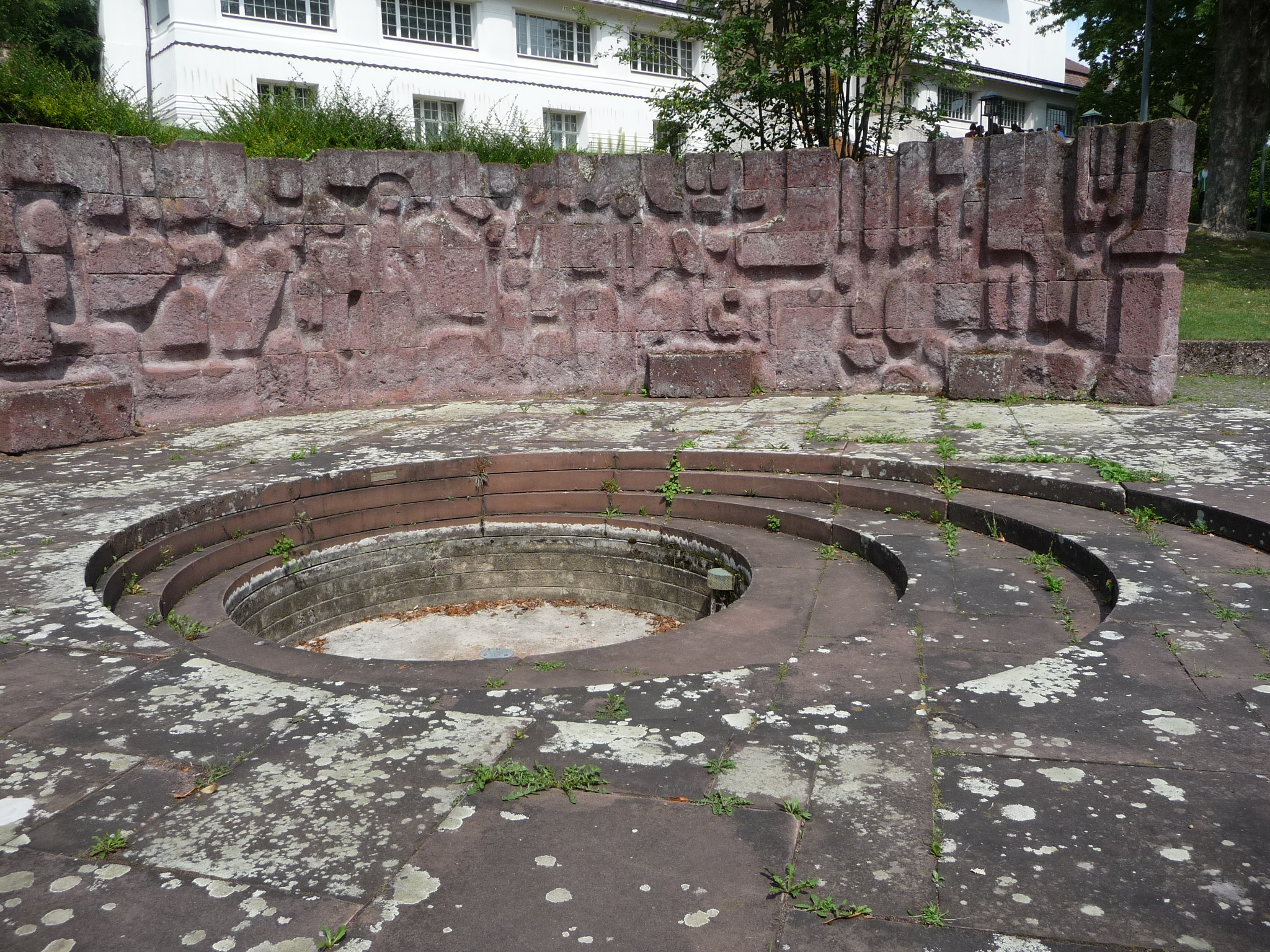
The Ernst‑Ludwig‑Brunnen is a fountain installation built around a tiered water basin. Its most distinctive feature is a half‑circle relief wall crafted from red sandstone (Roter Sandstein), which frames the basin and gives the fountain a sculptural presence. The wall’s texture catches the light differently throughout the day, creating a play of shadows that adds depth to the otherwise simple design.
Historical Roots
The fountain was originally part of a pavilion designed by Otto Bartning, a prominent German architect known for his work on Heilbäder (spa towns) in the early 20th century. Bartning’s pavilion was intended to serve the German Heilbäder movement, which promoted health and wellness through mineral waters and therapeutic bathing. While the pavilion itself has not survived in its original form, the Ernst‑Ludwig‑Brunnen remains as a tangible reminder of that era’s architectural ambition.
Cultural Significance
- Architectural heritage – The fountain showcases Bartning’s modernist approach, blending functional design with natural materials.
- Local identity – Situated in the heart of Darmstadt, the fountain acts as a meeting point for residents and a quiet oasis for visitors.
- Artistic value – The use of red sandstone ties the piece to the regional geology of Hesse, grounding it in the local landscape.
For a deeper dive into its history, check the German Wikipedia entry: Ernst‑Ludwig‑Brunnen (de).
3. How to Get There
| Mode of Transport | Details |
|---|---|
| By Train | Arrive at Darmstadt Hauptbahnhof (main station). From there, the fountain is a 10‑minute walk (≈800 m). |
| By Tram | Take tram line U1 or U2 toward Darmstadt‑Wixhausen and alight at Luisenplatz. The fountain is a short stroll north of the square. |
| By Bus | Bus routes 15, 16, or 18 stop at Luisenplatz or Schlossgarten; both are within 5 minutes walking distance. |
| By Car | Parking is limited in the historic centre. Use the Parkhaus Luisenplatz (underground garage) and walk south toward the fountain. |
| On Foot / Bicycle | Darmstadt’s city centre is compact and bike‑friendly. The fountain sits near the Luisenplatz and Hauptfriedhof area, making it ideal for a leisurely stroll. |
Coordinates: 49.876176, 8.667802 – paste them into any GPS app for pinpoint accuracy.
4. Best Time to Visit
| Season | Why It Works |
|---|---|
| Spring (April–June) | Blossoming trees around the fountain create a vibrant backdrop; temperatures are mild, perfect for walking tours. |
| Summer (July–August) | Longer daylight hours let you admire the red sandstone glow during golden hour. Bring a refillable water bottle—Darmstadt can get warm! |
| Autumn (September–October) | The surrounding park turns amber, and the water’s reflection adds a cozy atmosphere. |
| Winter (November–March) | The fountain is still accessible, though the water may be partially frozen. A quiet, contemplative experience for those who enjoy off‑season serenity. |
Tip: The fountain is outdoors and free to visit year‑round. Early mornings (7–9 am) on weekdays are especially peaceful, while late afternoons attract locals gathering for coffee nearby.
5. What to Expect
Approaching the Ernst‑Ludwig‑Brunnen, you’ll first notice the warm hue of the red sandstone relief wall, a material that feels both ancient and modern. The water gently cascades over the stepped basin, creating a soft, rhythmic sound that masks the city’s occasional hum.
Because the fountain is part of a former spa pavilion, you’ll sense a lingering wellness vibe—the water’s cool mist feels refreshing on a warm day, and the surrounding benches invite you to sit, read, or simply watch passers‑by.
The site is well‑maintained; the stone is regularly cleaned, and the water system is kept operational by the city’s park services. Expect a quiet, contemplative atmosphere, especially during off‑peak hours. Photographers love the contrast between the deep red stone and the clear water, especially when the sun hits the wall at a low angle.
6. Nearby Attractions
While the Ernst‑Ludwig‑Brunnen is a destination in itself, it sits within a cluster of historic fountains and cultural sites—perfect for a walking tour.
| Attraction | Distance | Highlights |
|---|---|---|
| Trinkender Jüngling (Fountain) | 0.1 km | A bronze statue of a drinking youth, symbolizing youthful vigor. |
| Bacchusbrunnen (Fountain) | 0.1 km | Dedicated to the Roman god of wine, featuring ornate motifs and a playful water display. |
| [Unnamed Fountain 1] | 0.2 km | Small stone basin tucked behind a historic building. |
| [Unnamed Fountain 2] | 0.2 km | Modern design contrasting with the classic sandstone of Ernst‑Ludwig‑Brunnen. |
| [Unnamed Fountain 3] | 0.3 km | Quiet spot often used by locals for reflection. |
Pro tip: Combine the fountain visit with a short detour to Luisenpark, a beautiful urban park just a few minutes away, or explore the Darmstadt Castle (Schloss Darmstadt) for a broader cultural experience.
7. Travel Tips
- Footwear Matters – Cobblestones can be slippery when wet. Wear sturdy, comfortable shoes, especially if you plan to explore nearby fountains.
- Camera Ready – The fountain’s red sandstone shines at sunrise and sunset. Bring a wide‑angle lens to capture the full relief wall.
- Stay Hydrated – While the fountain is a water feature, you’ll need to bring your own drink. Public water fountains are scarce in the immediate area.
- Combine with Public Transport – Use Darmstadt’s RMV ticket system for trams and buses; a day pass costs €7 (2024 price) and gives unlimited rides.
- Check Local Events – The square around the fountain sometimes hosts small concerts or art installations. A quick glance at the city’s event calendar can add a surprise element to your visit.
- Respect the Space – As a historic site, avoid climbing on the relief wall. Keep the area clean and dispose of any litter in nearby bins.
- Language Help – Most signs are in German, but staff at the Hauptbahnhof and tourist information desk speak English. Carry a translation app for quick phrase lookup (“Wo ist der Ernst‑Ludwig‑Brunnen?”).
Wrap‑Up
The Ernst‑Ludwig‑Brunnen may not dominate travel brochures, but its blend of architectural history, natural material, and quiet charm makes it a must‑see for anyone exploring Darmstadt or the broader Hesse region. Nestled among other historic fountains and within walking distance of the city’s cultural hotspots, it offers a perfect pause in an otherwise bustling itinerary.
So next time you find yourself in Darmstadt, step off the main tourist trail, follow the coordinates 49.876176, 8.667802, and let the gentle splash of the Ernst‑Ludwig‑Brunnen refresh both body and mind. Happy travels!