Champagnerbrunnen – The Sparkling Spring of Bad Soden am Taunus
Discover the hidden gem of Hesse, Germany, where crystal‑clear water bubbles up like liquid champagne.
Introduction
If you’ve ever wandered through the rolling hills of the Taunus and stumbled upon a tiny fountain that looks like it’s been plucked straight from a fairy‑tale, you’ve probably found the Champagnerbrunnen. Nestled in the charming spa town of Bad Soden am Taunus, this modest yet mesmerizing spring is a favorite secret among locals and an unexpected delight for travelers seeking authentic German countryside experiences. Its name—Champagner (champagne) Brunnen (spring)—hints at the effervescent quality of the water that has been bubbling up for centuries, inviting visitors to pause, sip, and soak in the tranquil atmosphere.
In this guide, we’ll dive into everything you need to know about Champagnerbrunnen: its story, how to get there, the best seasons to visit, what you’ll see and feel on the spot, and the surrounding attractions that make this corner of Hesse a perfect day‑trip destination.
About Champagnerbrunnen
A Brief Description
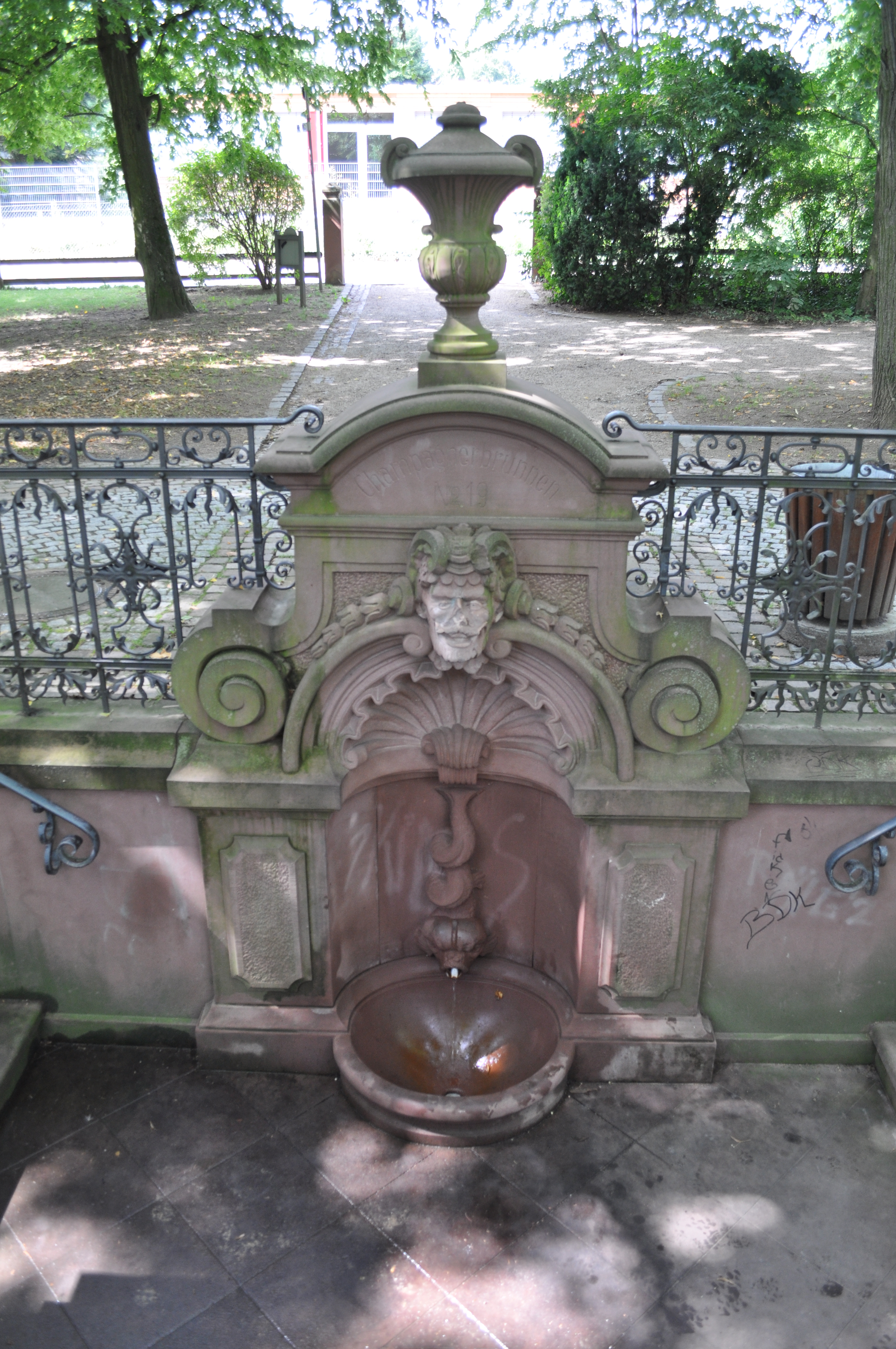
Champagnerbrunnen is a natural spring located at 50.140614 N, 8.497000 E in the heart of Bad Soden am Taunus. The spring emerges from a simple stone basin, surrounded by a modest wooden railing that protects the crystal‑clear water while preserving its rustic charm. Though the exact height and altitude of the spring are not documented, its presence is unmistakable: a gentle, continuous flow that creates a soft, soothing sound—perfect for meditation or a quiet coffee break.
Historical Roots
The spring’s name first appears in local records as a reference point for the town’s historic spa culture. Bad Soden has long been celebrated for its mineral-rich waters, and Champagnerbrunnen is one of the many “Brunnen” (springs) that contributed to the town’s reputation as a health resort. While specific dates are scarce, the spring has been part of the town’s landscape for generations, serving both as a source of fresh drinking water and a picturesque spot for visitors strolling through the town’s leafy promenades.
Why It Matters
Champagnerbrunnen may not boast towering fountains or elaborate statues, but its significance lies in its authenticity. In an age of over‑commercialized tourist sites, this spring offers a genuine glimpse into the everyday life of a Hessian spa town. It’s a place where locals still gather, children play, and tourists can feel the subtle pulse of Bad Soden’s historic water culture. Moreover, its proximity to other historic springs creates a unique “spring trail” that showcases the region’s natural bounty.
How to Get There
By Train
- From Frankfurt: Take a regional train (RB or RE) from Frankfurt (Main) Hbf to Bad Soden (Taunus) Bahnhof. The journey takes roughly 30‑40 minutes.
- From Wiesbaden: Direct regional services also connect Wiesbaden Hauptbahnhof to Bad Soden, with a travel time of about 20‑25 minutes.
Both stations are within walking distance of the town centre where Champagnerbrunnen sits.
By Car
- From Frankfurt Airport: Follow the A3 towards Würzburg, then take the exit for Bad Soden am Taunus (Exit 31). The drive is approximately 35 km (≈ 30 minutes) depending on traffic.
- Parking: The town offers several free public parking spots near the historic centre. Look for signs indicating “Parkplatz Innenstadt” or use the municipal parking lot on Bahnhofstraße.
By Bike
The Taunus region is renowned for its well‑marked cycling routes. The Taunus Cycle Path (Taunusradweg) passes close to Bad Soden, making a bike ride to Champagnerbrunnen both scenic and eco‑friendly. Bring a lock—there are bike racks near the spring.
Public Transport Within Bad Soden
The town’s compact size means most attractions, including Champagnerbrunnen, are reachable on foot. If you’re staying at a hotel near the Marktplatz, you’ll be just a 5‑minute stroll away.
Best Time to Visit
Spring (April‑June)
- Why: The surrounding gardens burst into color, and the spring’s water feels especially fresh after the winter thaw.
- What to Expect: Longer daylight hours, mild temperatures (10‑20 °C), and fewer crowds.
Summer (July‑August)
- Why: Warm days are perfect for a leisurely sit‑down by the spring with an ice‑cold drink.
- What to Expect: Slightly busier, especially on weekends, but the vibrant town festivals add extra charm.
Autumn (September‑October)
- Why: The foliage turns golden, providing a picturesque backdrop for photos.
- What to Expect: Crisp air (8‑15 °C) and a tranquil atmosphere as the tourist season winds down.
Winter (November‑March)
- Why: The spring’s gentle mist looks magical against a dusting of snow, and the town’s spa culture feels especially inviting.
- What to Expect: Cooler temperatures (0‑5 °C) and the possibility of fewer open cafés, but a peaceful, almost meditative experience.
Overall recommendation: Aim for late spring or early autumn for the perfect blend of pleasant weather, beautiful scenery, and manageable visitor numbers.
What to Expect
The Senses
- Sight: A modest stone basin surrounded by neatly trimmed hedges; the water glistens under the sun, creating tiny, dancing reflections.
- Sound: A soft, continuous burble that blends harmoniously with the rustle of nearby trees—a natural white noise that instantly calms.
- Taste: The water is reputedly clean and refreshing—feel free to take a sip straight from the basin (just be mindful of any posted signage).
The Atmosphere
Champagnerbrunnen is a gathering spot for locals who chat over a coffee, for tourists snapping photos, and for joggers pausing to stretch. Benches placed nearby invite you to sit, read a book, or simply watch the world go by. The spring’s modest size encourages intimacy; you’ll often feel like you’ve stepped into a private garden rather than a public tourist site.
Photography Tips
- Golden Hour: Capture the warm glow of sunrise or sunset reflecting off the water.
- Close‑ups: Focus on the droplets as they fall—macro lenses work wonders.
- Context Shots: Include the surrounding stonework and nearby trees to convey the spring’s setting within Bad Soden’s historic centre.
Nearby Attractions
Champagnerbrunnen is part of a cluster of historic springs that form a delightful walking circuit. All are within a short distance, making it easy to explore multiple sites in a single afternoon.
| Attraction | Distance from Champagnerbrunnen | Quick Note |
|---|---|---|
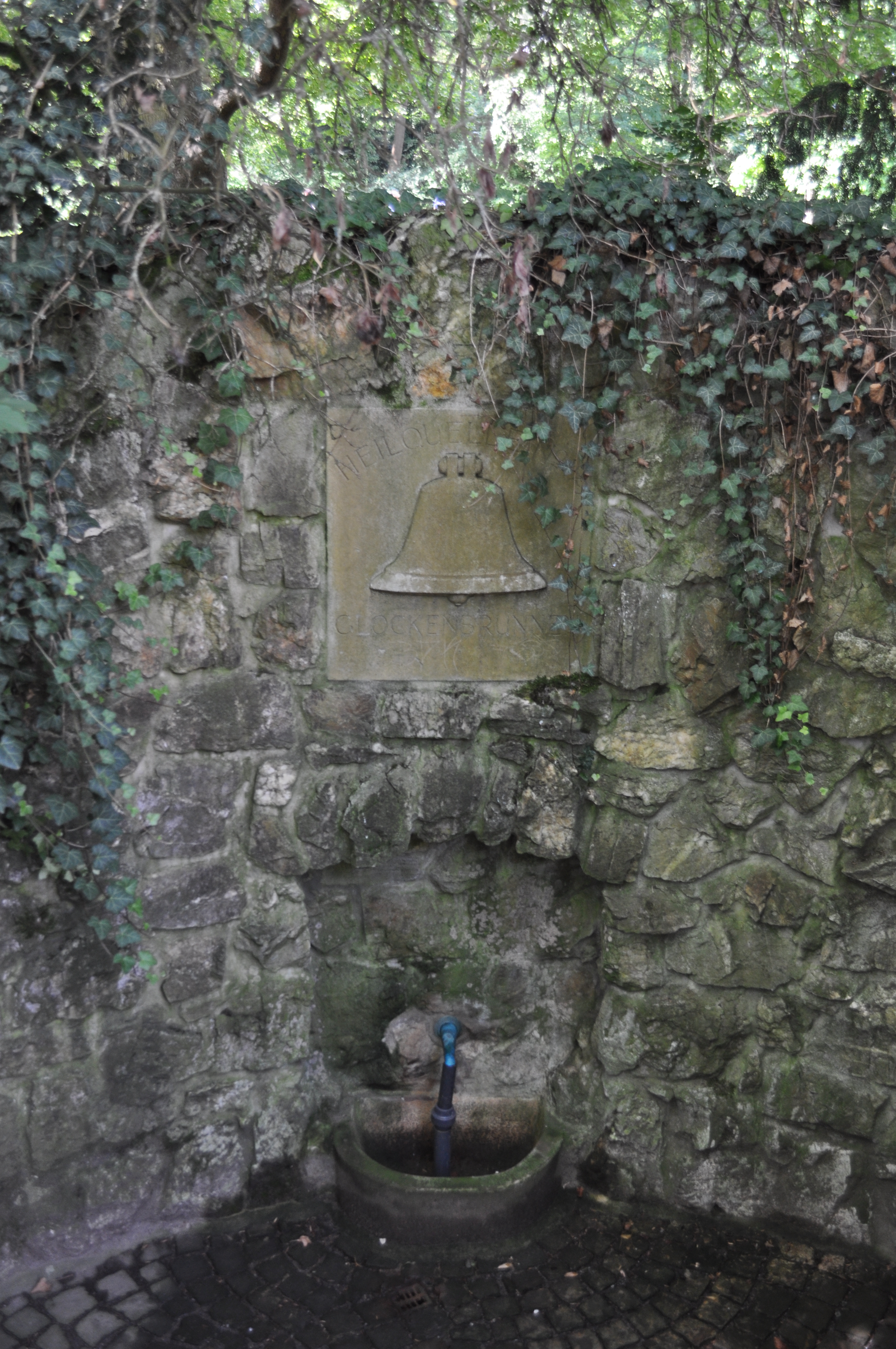
| Glockenbrunnen | 0.1 km | A bell‑shaped spring with a melodic water flow. |
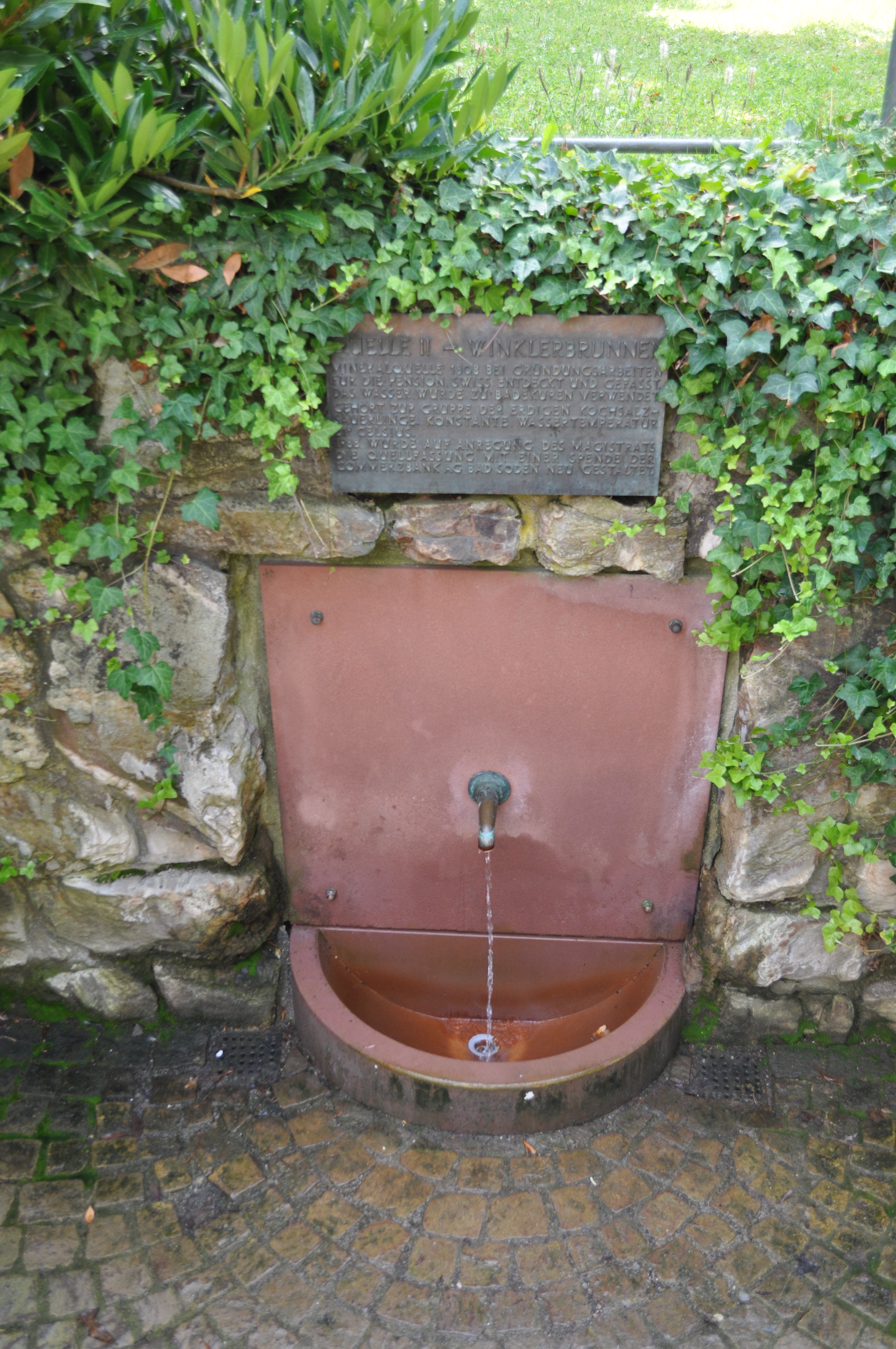
| Winklerbrunnen | 0.1 km | Known for its elegant stone arch. |
| Milchbrunnen | 0.1 km | Named for its milky‑white water hue. |
| Solbrunnen | 0.2 km | Offers a sunny, open setting—perfect for picnics. |
| Sauerbrunnen | 0.3 km | Features slightly acidic water, historically used for skin treatments. |
Tip: Follow the “Brunnen Trail” (Brunnenweg) marked by subtle signs; it’s a self‑guided route that lets you discover each spring’s unique character while strolling through Bad Soden’s leafy streets.
Other Highlights in Bad Soden
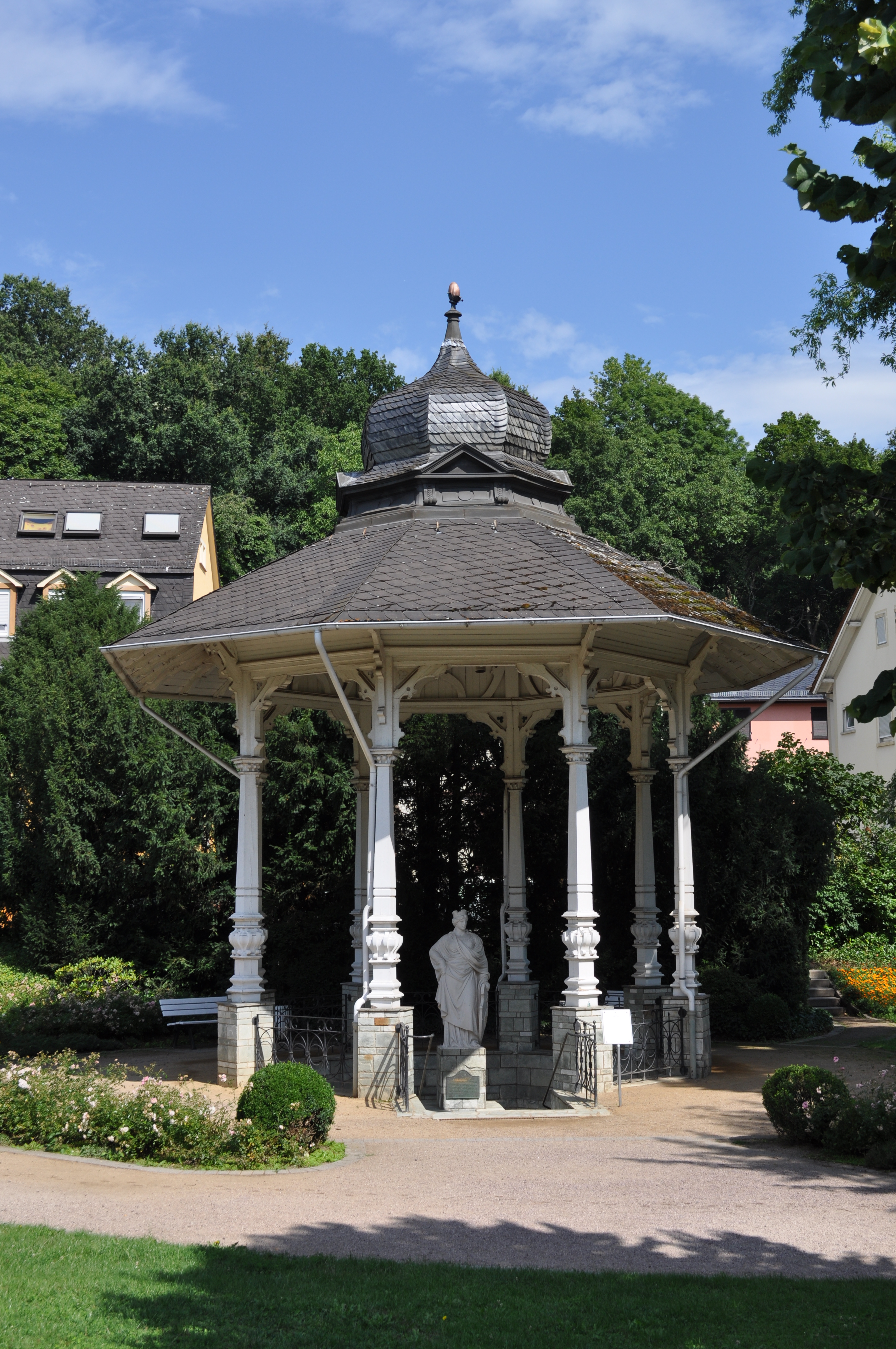
- Kurpark Bad Soden: A beautifully landscaped park with walking paths, ideal for a post‑spring stroll.
- St. Johannes Church: A historic baroque church just a 5‑minute walk from the spring.
- Thermal Spa (Therme Bad Soden): If you crave a soak, the town’s modern spa offers mineral pools that echo the town’s spring heritage.
Travel Tips
- Dress Comfortably: Even though the spring itself is modest, Bad Soden’s cobblestone streets can be uneven. Wear supportive shoes.
- Carry Cash: Small cafés and souvenir stalls may prefer cash (Euro) over cards.
- Respect Local Etiquette: While sipping the water is generally allowed, always look for signs. Keep the area tidy—use trash bins provided.
- Timing: Arrive early on weekends during summer to avoid the midday rush.
- Language: German is the primary language, but most locals in tourist areas speak basic English. A few German phrases (“Danke,” “Bitte”) go a long way.
- Stay Connected: Free Wi‑Fi is available at many cafés in the town centre; however, signal strength may be limited near the spring itself—perfect for a digital detox.
- Photography Permission: No special permits are needed for personal photography, but avoid using professional lighting equipment without permission.
Final Thoughts
Champagnerbrunnen may be a tiny spring, but its charm is anything but small. It encapsulates the serene elegance of Bad Soden am Taunus, offering travelers a moment of calm amidst the bustle of modern life. Whether you’re a history buff, a nature lover, or simply a wanderer seeking a quiet spot to reflect, this sparkling spring invites you to pause, sip, and let the gentle flow of water inspire your next adventure in Hesse, Germany.
Ready to add Champagnerbrunnen to your itinerary? Pack your camera, slip on comfortable shoes, and let the effervescent waters of Bad Soden guide you to a truly unforgettable German experience.