Zentaurenbrunnen – Bremen’s Hidden Fountain Gem
Discover the mythic charm of the Zentaurenbrunnen, a quiet cultural landmark nestled in the heart of Bremen, Germany. Perfect for history lovers, photography enthusiasts, and anyone seeking a peaceful pause in a bustling city.
1. Introduction
If you’ve wandered the cobblestone streets of Bremen’s Altstadt and marveled at the majestic Town Hall, you may have missed one of the city’s most enchanting secrets: the Zentaurenbrunnen. This elegant fountain, crowned with a sculpted centaur, blends classical mythology with German craftsmanship, offering a tranquil oasis for locals and travelers alike. Whether you’re planning a day‑trip to northern Germany or a longer stay in the Hanseatic city, the Zentaurenbrunnen deserves a spot on your Bremen travel itinerary.
2. About Zentaurenbrunnen
A Brief Description
- Type: Fountain ⛲
- Location: Bremen, Bremen, Germany (53.068898 N, 8.798083 E)
- Status: Recognised Kulturdenkmal (cultural monument) by the city of Bremen
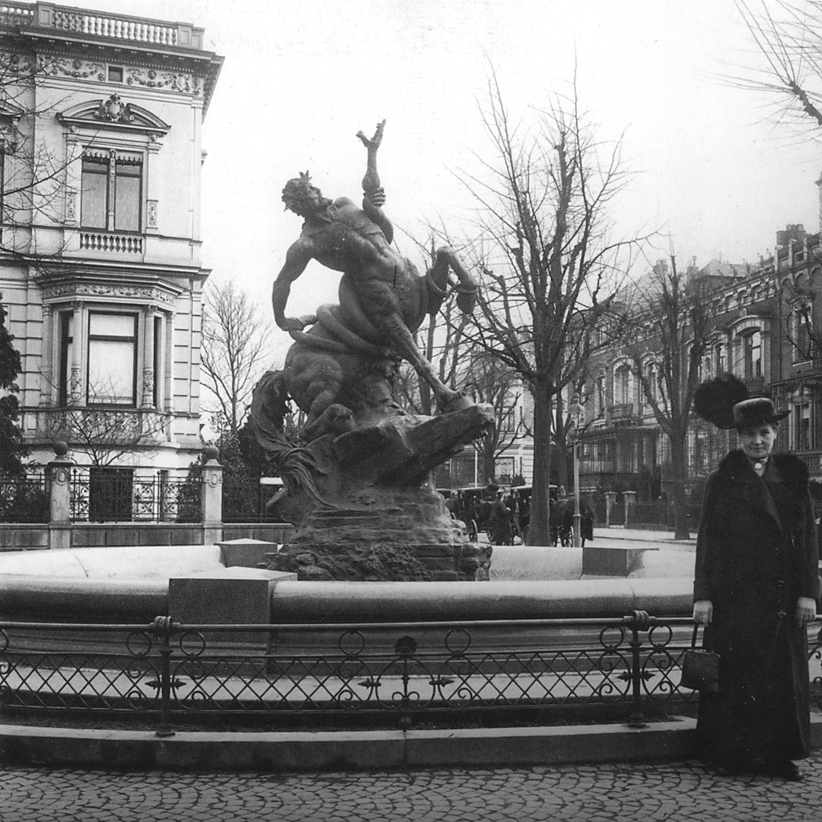
The fountain’s centerpiece is a centaur—the half‑human, half‑horse figure from Greek mythology—standing proudly amid cascading water. While the exact height of the sculpture remains undocumented, its presence is unmistakable, inviting visitors to pause and reflect.
Historical Roots
The Zentaurenbrunnen was erected as part of Bremen’s early‑20th‑century urban beautification projects, aiming to enrich public spaces with artistic works that celebrated both local heritage and universal themes. Over the decades, the fountain has survived wartime damage, post‑war reconstruction, and modern redesigns, emerging as a resilient symbol of Bremen’s dedication to preserving cultural landmarks.
Why It Matters
- Cultural Significance: Officially listed as a Kulturdenkmal, the fountain is protected under German heritage law, ensuring its maintenance for future generations.
- Artistic Value: The centaur motif bridges classical mythology with German sculptural tradition, making it a unique piece among Bremen’s public art collection.
- Community Hub: Locals often gather here for quiet conversation, street performances, or simply to enjoy the soothing sound of water—adding a living, breathing dimension to the monument.
For a deeper dive into its history, check the German Wikipedia entry: Zentaurenbrunnen (Bremen) and the city’s cultural‑monument register on OpenStreetMap: Bremen Kulturdenkmäler.
3. How to Get There
By Public Transport
| Mode | Details | Approx. Time |
|---|---|---|
| Tram | Lines 4, 5, and 6 stop at Bürgerweide (≈ 5‑minute walk). | 10‑15 min from Bremen Hauptbahnhof |
| Bus | Bus 37 or 38 drops you at Schwachhausen; a short stroll leads to the fountain. | 12‑18 min from the main station |
| Train | Bremen Hauptbahnhof is the city’s central rail hub. From there, follow signs to the tram or bus platforms. | – |
By Car or Bike
- Driving: Parking is limited in the historic centre, but several public garages (e.g., Parkhaus am Dom or Parkhaus am Hauptbahnhof) are within a 10‑minute walk.
- Biking: Bremen’s extensive bike lanes make a two‑wheel ride pleasant. Use the city’s bike‑share system (nextbike) and dock near the Bürgerweide stop.
Walking Directions
If you’re staying near the Bremen Cathedral (St. Petri Dom), head west on Domplatz, continue onto Bürgerweide, and you’ll spot the fountain after roughly 300 m. Its bronze centaur glints in the sunlight—hard to miss once you’re close.
4. Best Time to Visit
| Season | Why Visit? |
|---|---|
| Spring (April‑May) | Blossoming trees around the fountain create a picture‑perfect backdrop for photos. |
| Summer (June‑August) | Longer daylight hours let you enjoy the fountain’s water play well into the evening. |
| Autumn (September‑October) | Golden foliage adds a warm hue; fewer tourists mean a quieter experience. |
| Winter (November‑February) | While the water may be turned off for maintenance, the surrounding historic buildings look magical under festive lights. |
Tip: Early mornings (around 8 am) are ideal for photographers seeking soft light and minimal crowds. Late afternoon offers a warm glow that highlights the centaur’s details.
5. What to Expect
Arriving at the Zentaurenbrunnen, you’ll be greeted by the gentle murmur of water and the striking silhouette of the centaur. The surrounding cobblestones and nearby benches invite you to sit, sip a coffee from a nearby café, and watch locals stroll by.
- Visual Appeal: The bronze centaur is set against a modest stone basin, allowing the water’s movement to accentuate the sculpture’s musculature.
- Atmosphere: Unlike the bustling market squares, this spot feels intimate—perfect for a reflective pause or a quick sketch session.
- Photographic Opportunities: Capture the centaur from low angles to emphasize its mythic stature, or frame it with the historic façades that line the square.
Because the fountain is a protected cultural monument, you’ll notice subtle signage reminding visitors to respect the site—no climbing, no littering, and a gentle reminder to keep noise levels low during evening hours.
6. Nearby Attractions
While the Zentaurenbrunnen is a highlight on its own, it sits in a compact area rich with additional points of interest—most within a 10‑minute walk.
| Attraction | Type | Distance | Why Visit? |
|---|---|---|---|
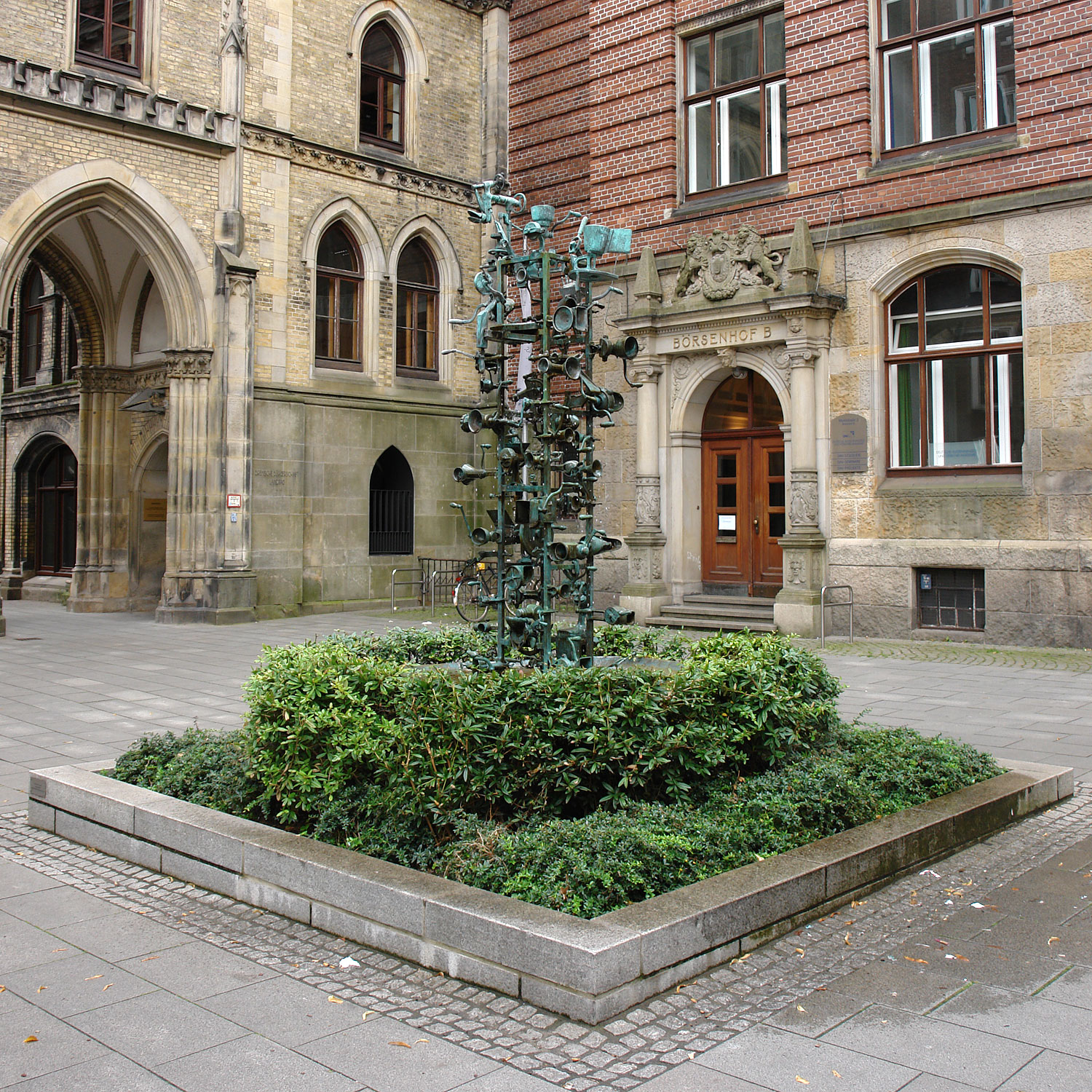
| Unnamed Fountain | Fountain | 0.3 km | A small, decorative water feature that adds to the area’s charm. |
| Pferdebrunnen | Fountain | 0.4 km | Literally “Horse Fountain,” it showcases equine motifs that complement the centaur’s mythic theme. |
| Weir (1) | Weir | 0.6 km | An historic water management structure offering insight into Bremen’s river engineering. |
| Weir (2) | Weir | 0.7 km | Another example of the city’s hydraulic heritage, ideal for a short walk along the Weser. |
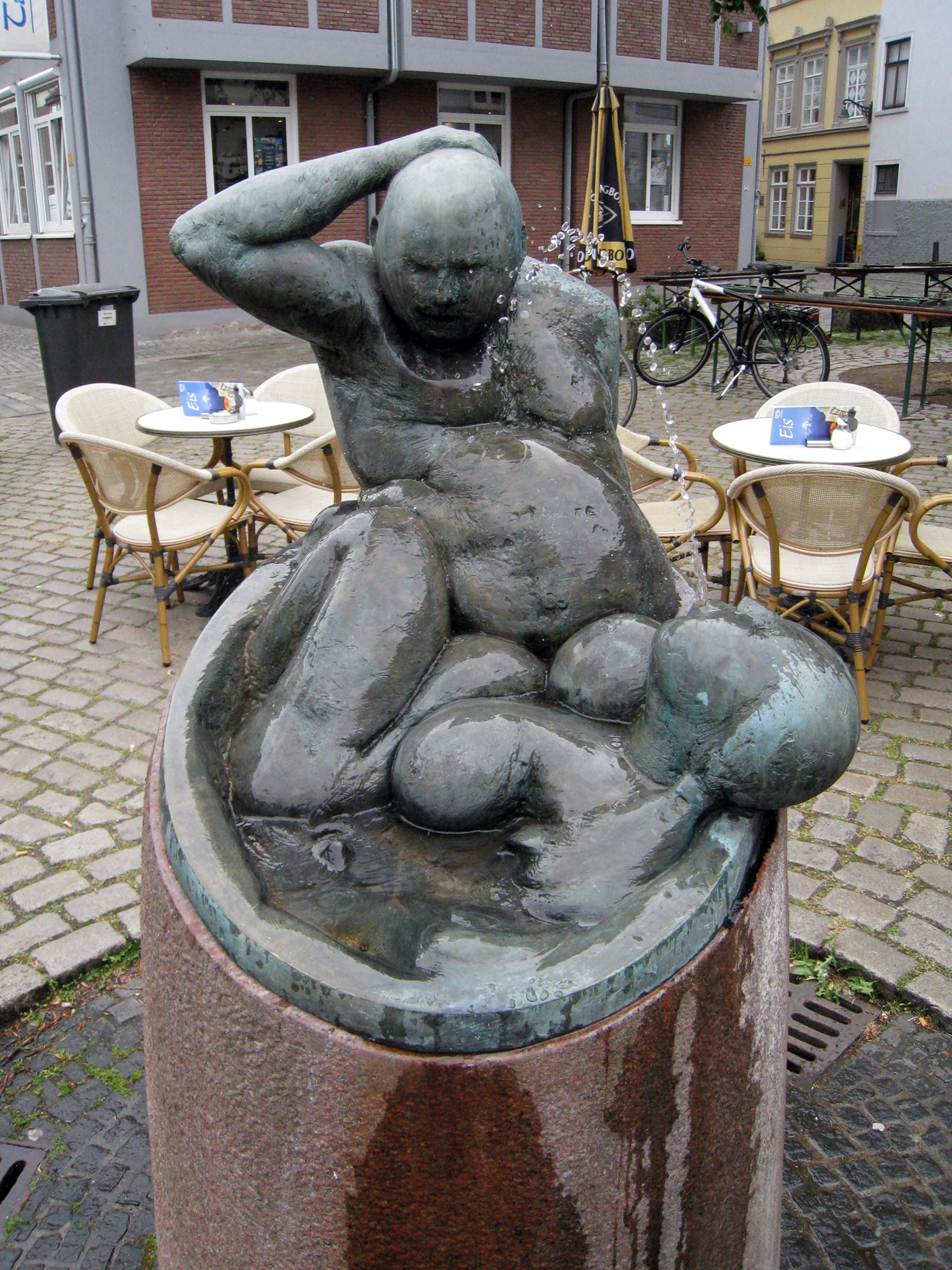
| Beim Bade | Fountain | 0.8 km | A whimsical fountain that once served as a public bathing spot; its name translates to “At the Bath.” |
All distances are approximate walking routes from the Zentaurenbrunnen.
Quick itinerary suggestion: Start at the Zentaurenbrunnen, wander to the Pferdebrunnen for a quick photo, continue toward the nearby weirs for a brief history lesson on Bremen’s waterworks, and finish with a coffee at a café near Beim Bade.
7. Travel Tips
- Check Opening Hours: While the fountain itself is accessible 24/7, nearby attractions (museums, cafés) may have limited hours, especially on Sundays.
- Bring a Portable Charger: The city’s historic streets can be a magnet for photo‑taking; keep your devices powered for spontaneous shots.
- Mind the Weather: In rainy seasons, the stone basin can become slippery—wear sturdy shoes.
- Respect Local Customs: Germans value quiet public spaces; keep conversations at a moderate volume, especially near residential buildings.
- Combine with a River Walk: Bremen’s Weser River runs close by; a short stroll from the fountain leads you to scenic riverbanks perfect for sunset views.
- Use a Local Map App: Apps like “Bremen Mobil” provide real‑time tram and bus schedules, helping you navigate efficiently.
- Language Note: While most signs are in German, English is widely understood in tourist areas. A simple “Entschuldigung, wo ist der Zentaurenbrunnen?” (Excuse me, where is the Zentaurenbrunnen?) will get you friendly assistance.
Final Thought
The Zentaurenbrunnen may not be as famous as Bremen’s Town Hall or the Roland statue, but its quiet elegance and mythic allure make it a must‑see for any traveler seeking authentic, off‑the‑beaten‑path experiences. Add it to your Bremen travel guide, snap a few photos, and let the centaur’s timeless gaze inspire your own adventure through this vibrant German city.
Happy travels, and enjoy the magic of Bremen’s hidden fountain!