Marcusbrunnen – Bremen’s Hidden Fountain Gem
Discover the charm of Marcusbrunnen, a quiet cultural monument tucked in the heart of Bremen’s historic parkland. Whether you’re a seasoned traveler or a curious local, this fountain offers a perfect pause amid the city’s bustling streets.
1. Introduction
If you think of Bremen, the towering Bremen Town Hall, the Statue of the Bremen Roland, and the lively Schnoor quarter probably spring to mind first. Yet, tucked away just a short stroll from the city centre lies a lesser‑known treasure that locals adore: Marcusbrunnen. This elegant fountain, set amid lush greenery, is more than a decorative water feature—it’s a piece of Bremen’s cultural heritage that invites contemplation, photography, and a moment of serenity.
In this guide we’ll dive into the fountain’s history, show you how to reach it, suggest the best times to visit, and point out other nearby attractions that can round out a perfect day in Bremen.
2. About Marcusbrunnen
A Brief Description
- Name: Marcusbrunnen
- Type: Fountain ⛲
- Location: Bremen, Bremen, Germany (coordinates 53.090597, 8.820008)
- Status: Recognised cultural monument (Kulturdenkmal)
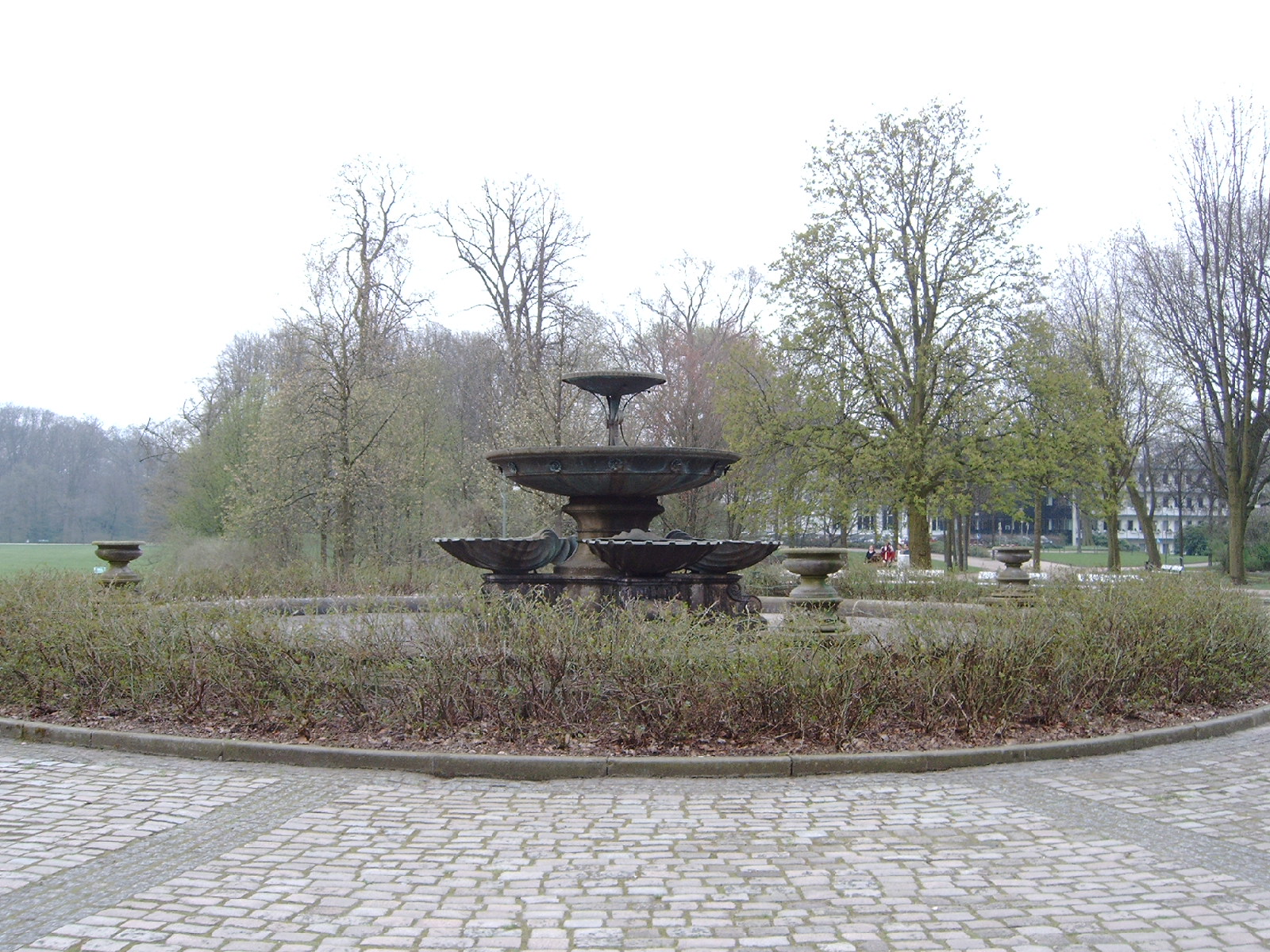
The fountain is situated in the Bürgerpark, one of Bremen’s most beloved green spaces. While the exact height of the structure remains undocumented, its design reflects the classic 19th‑century German fountain aesthetic: a stone basin surrounded by subtle ornamental details, with water gently spilling into a shallow pool.
Historical Roots
Marcusbrunnen’s origins are tied to Bremen’s 19th‑century urban development, a period when the city invested heavily in public parks and civic art. The fountain was erected as part of a broader effort to beautify the Bürgerpark, providing residents with a place to relax, socialize, and enjoy clean drinking water—a common purpose for many European fountains of the era.
Today, the fountain is listed as a Kulturdenkmal (cultural monument) on the OpenStreetMap wiki for Bremen’s heritage sites: Bremen Kulturdenkmäler. Its preservation reflects Bremen’s commitment to protecting historic public spaces while keeping them accessible to the public.
Why It Matters
- Cultural Significance: As a protected monument, Marcusbrunnen represents Bremen’s dedication to preserving its historic urban fabric.
- Community Hub: Locals often gather here for a quick coffee break, a casual chat, or to watch children play in the nearby park.
- Photographic Appeal: The fountain’s stonework, combined with the surrounding trees and seasonal foliage, creates a picture‑perfect backdrop for Instagram‑ready shots.
3. How to Get There
By Public Transport
| Mode | Line(s) | Nearest Stop | Walking Time |
|---|---|---|---|
| Tram | 6, 8, 9 | Bürgerpark (Bremen Hauptbahnhof) | 2‑3 minutes |
| Bus | 30, 31 | Bürgerpark (stop “Bürgerpark”) | 2‑3 minutes |
| S‑Bahn | S1, S2 | Bremen Hauptbahnhof (central station) – transfer to tram 6, 8, or 9 | 10‑12 minutes total |
The Bürgerpark stop places you right at the park’s southern entrance. From there, follow the well‑marked footpaths toward the central pond; Marcusbrunnen sits just beyond the main lawn area, easy to spot thanks to its stone basin and gentle water flow.
By Car or Bike
- Driving: Use the address “Bürgerpark, 28195 Bremen”. Parking is limited within the park, but there are public parking lots on Kreuzstraße and Schlachte (≈5‑7 minutes walk).
- Biking: Bremen is a bike‑friendly city with dedicated lanes. Ride along Schlachte toward the park; you’ll find bike racks near the main entrance.
Walking from the City Centre
If you enjoy a leisurely stroll, the fountain is only 1.2 km (≈15 minutes) from Bremen Hauptbahnhof. Head west along Böttcherstraße, cross the Schlachte river, and enter the Bürgerpark via the main gate. The walk offers pleasant views of historic warehouses and the River Weser.
4. Best Time to Visit
| Season | What to Expect | Why It’s Ideal |
|---|---|---|
| Spring (Mar‑May) | Fresh blossoms, mild temperatures, birdsong | The park awakens with tulips and cherry blossoms, making the fountain’s reflection especially vibrant. |
| Summer (Jun‑Aug) | Lush greenery, longer daylight, occasional street performances | Warm days invite locals to picnic near the water; the fountain’s cooling mist feels refreshing. |
| Autumn (Sep‑Nov) | Golden foliage, crisp air, fewer crowds | The surrounding trees turn amber, creating a warm, photogenic contrast with the stone basin. |
| Winter (Dec‑Feb) | Quiet atmosphere, possible frost on the water surface | If you enjoy a peaceful, almost magical setting, the frost‑kissed fountain offers a unique winter charm. |
Tip: Early mornings (7‑9 am) on weekdays are the quietest, giving you unobstructed photo opportunities and a calm environment for contemplation.
5. What to Expect
When you arrive at Marcusbrunnen, you’ll be greeted by a tranquil oasis amid the park’s lively pathways. The fountain’s water flows gently into a shallow basin, creating a soft, rhythmic sound that masks city noise. Around the fountain, benches invite you to sit, read, or simply watch locals strolling by.
- Atmosphere: Family‑friendly, relaxed, and occasionally animated by street musicians during summer weekends.
- Facilities: Nearby restrooms (located near the park’s main pavilion) and a small café offering coffee and pastries just a few minutes’ walk away.
- Photography: Position yourself on the south side for the best light in the late afternoon; the water’s sparkle against the stone works beautifully with the park’s trees framing the scene.
6. Nearby Attractions
While Marcusbrunnen is a highlight, the Bürgerpark area brims with other points of interest that can easily fill a half‑day itinerary:
| Attraction | Type | Distance | Link |
|---|---|---|---|
| Claus‑Albert‑Addix‑Brunnen | Fountain | 0.3 km | Claus‑Albert‑Addix‑Brunnen (Wikipedia) |
| Niemitzbrunnen | Fountain | 0.3 km | Niemitzbrunnen (Wikipedia) |
| Unnamed Fountain #1 | Fountain | 0.3 km | — |
| Unnamed Fountain #2 | Fountain | 0.3 km | — |
| Local Spring | Spring | 0.5 km | — |
All distances are walking estimates from Marcusbrunnen.
Other Must‑See Spots in the Area
- Bürgerpark’s Main Pond: A larger water feature perfect for paddle boats in summer.
- Bremen Botanical Garden (Botanika): Just a 10‑minute walk north, showcasing exotic plant collections.
- Kunsthalle Bremen: A short tram ride away, offering impressive art exhibitions.
7. Travel Tips
- Bring a Reusable Water Bottle – The fountain’s water is not intended for drinking, but staying hydrated while you explore the park is essential, especially in summer.
- Check the Weather Forecast – The fountain’s charm shines brightest on clear days; heavy rain can make the surrounding paths slippery.
- Pack Light – The park’s pathways are mostly paved, but some grassy sections can become muddy. A small backpack or crossbody bag is ideal.
- Respect the Monument – As a protected cultural heritage site, avoid climbing on the stone basin or leaving any litter.
- Combine with a Café Stop – The nearby Café am Bürgerpark (just outside the main gate) offers excellent coffee and local pastries—perfect for a post‑visit treat.
- Use a City Tourist Card – The Bremen Card provides free public transport and discounts at many attractions, including the nearby Kunsthalle.
- Photography Etiquette – If you’re using a tripod, be mindful of other visitors and park regulations; handheld shots are usually sufficient.
Final Thought
Marcusbrunnen may not dominate travel brochures, but its understated elegance and peaceful setting make it a must‑visit for anyone exploring Bremen’s cultural landscape. Pair it with a leisurely walk through the Bürgerpark, a coffee at a local café, and perhaps a quick dip into the neighboring fountains, and you’ll experience a slice of authentic German city life that’s both historic and refreshingly contemporary.
Ready to add Marcusbrunnen to your Bremen itinerary? Grab your map, hop on tram 6, and let the gentle sound of water guide you to one of the city’s most charming hidden gems.