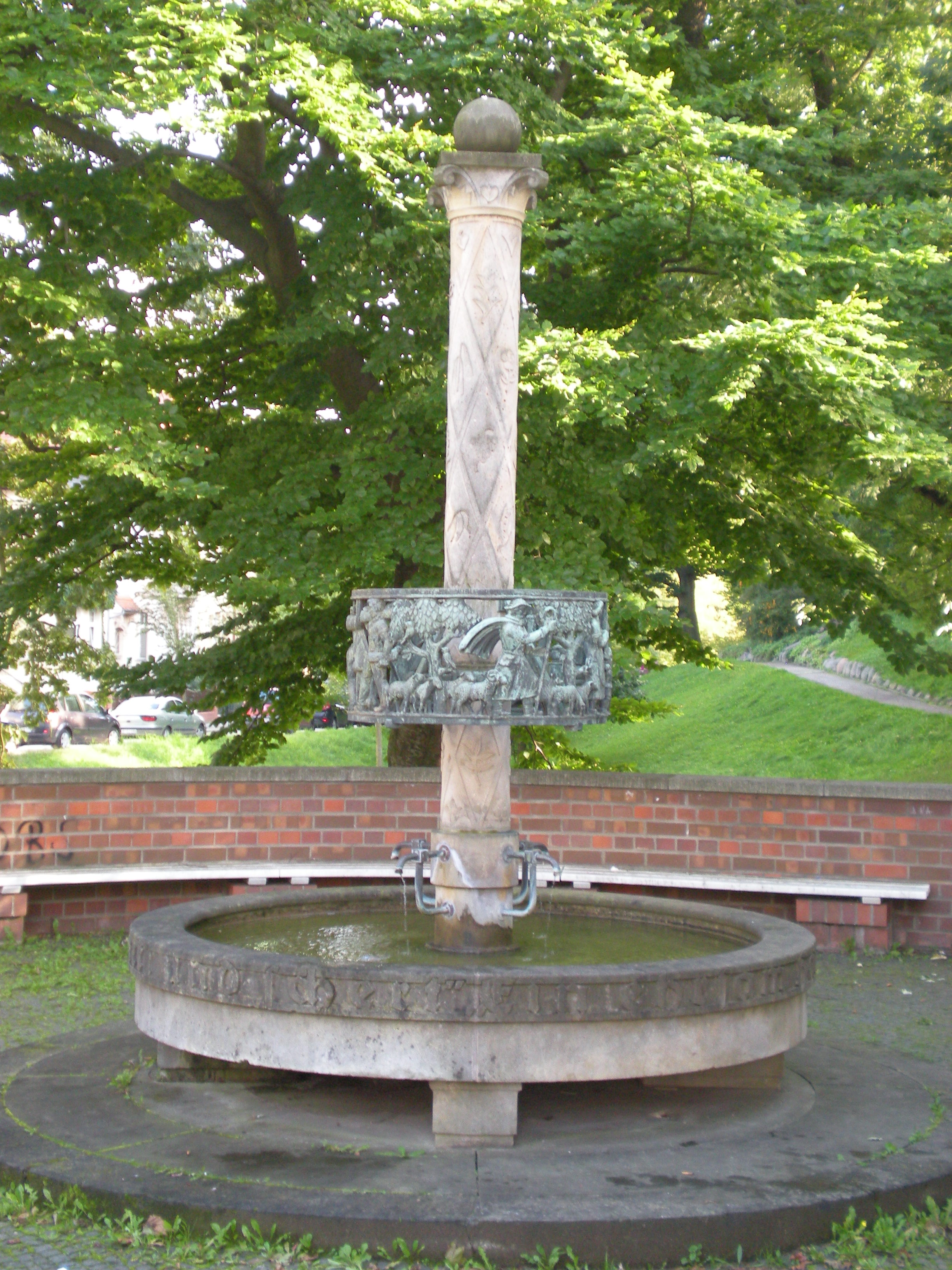
Tuchmacherbrunnen – Cottbus’s Hidden Fountain Gem
Discover the charm of Brandenburg’s lesser‑known water wonder, right in the heart of Cottbus.
Introduction
If you think of German fountains, you probably picture the grand Baroque spectacles of Berlin or Munich. Yet tucked away in the vibrant city of Cottbus, Brandenburg, lies a modest yet captivating water feature that locals cherish: Tuchmacherbrunnen. This little stone fountain may not boast towering heights or elaborate sculptures, but its quiet presence on a historic street corner makes it a perfect stop for curious travelers seeking authentic, off‑the‑beaten‑path experiences. In this guide, we’ll walk you through everything you need to know to add Tuchmacherbrunnen to your Cottbus itinerary—history, access, best visiting times, nearby sights, and insider tips.
About Tuchmacherbrunnen
What Is It?
- Type: Fountain ⛲
- Location: Central Cottbus, Brandenburg, Germany
- Coordinates: 51.762127 N, 14.339458 E
Tuchmacherbrunnen (German for “Weaver’s Fountain”) sits at a bustling intersection near the historic market square. While the exact height and altitude of the fountain are not documented, its stone basin and gently spouting water reflect the practical, community‑focused design typical of many 19th‑century German municipal fountains.
A Brief Historical Glimpse
The fountain’s name hints at Cottbus’s long textile tradition. In the past, local weavers (Tuchmacher) would gather near the water source to wash fabrics and fill barrels—activities that turned the spot into a social hub. Over time, the municipal authorities formalized the site into a decorative fountain, preserving the memory of the city’s industrious past.
Although detailed records are scarce, the German Wikipedia entry for Tuchmacherbrunnen (Cottbus) confirms its status as a recognized historic landmark within the city’s cultural heritage inventory. The fountain today stands as a modest reminder of Cottbus’s evolution from a medieval trade town to a modern university city.
Why It Matters
- Cultural Significance: Symbolizes Cottbus’s textile heritage and community life.
- Urban Charm: Provides a tranquil pause amid the city’s lively streets, perfect for photos or a brief rest.
- Local Pride: Featured in city walking tours and often highlighted by local guides as a “must‑see micro‑attraction.”
How to Get There
By Air or Train
- Cottbus Hauptbahnhof (main train station) is the primary gateway for national and regional travelers. From Berlin, Dresden, or Leipzig, direct ICE/IC services arrive in about 1.5–2 hours.
- The nearest airport with regular connections is Berlin Brandenburg Airport (BER), roughly 130 km away. From the airport, you can take a regional train to Cottbus or rent a car for a scenic drive.
Public Transport Inside Cottbus
- Bus: Cottbus’s city bus network (CCB) covers the entire urban area. Look for lines that stop at „Markt“ or „Königstraße“, both within a 5‑minute walk of the fountain.
- Tram: The tram line „1“ runs through the city centre and drops passengers off at „Stadthaus“, a short stroll to Tuchmacherbrunnen.
Tip: Use the VBB (Verkehrsverbund Berlin-Brandenburg) app for real‑time schedules and ticket purchases.
Walking & Cycling
Cottbus’s compact downtown makes the fountain easily reachable on foot or by bike. From the Cottbus University of Applied Sciences (≈1 km north) or the Stadthalle Cottbus (≈800 m west), a leisurely 10‑minute walk will lead you directly to the fountain’s stone basin. The city’s bike‑share program, Nextbike, places docking stations just around the corner.
Driving
If you’re traveling by car, park at one of the public parking garages near Königstraße or Marktplatz. Both are a short walk away and offer hourly rates. Remember that the city centre has limited traffic zones (Umweltzone), so ensure your vehicle displays a valid emissions sticker.
Best Time to Visit
| Season | Why Visit? | Practical Notes |
|---|---|---|
| Spring (April–June) | Budding trees and blossoming gardens frame the fountain, creating a picture‑perfect backdrop. | Mild temperatures (10‑18 °C). Ideal for walking tours. |
| Summer (July–August) | Longer daylight hours let you linger longer at nearby cafés while the fountain’s water sparkles in the sun. | Expect crowds near the market square; early mornings are quieter. |
| Autumn (September–October) | Golden foliage adds warmth to the stonework; the cooler air makes photo‑shooting comfortable. | Light rain is common—bring a compact umbrella. |
| Winter (November–February) | The fountain takes on a serene, almost magical feel when dusted with frost; fewer tourists. | Water may be turned off for maintenance; check local updates. |
Overall recommendation: Arrive early (7 – 9 am) on any day to enjoy the fountain in soft natural light and avoid peak foot traffic.
What to Expect
When you step onto the cobblestones surrounding Tuchmacherbrunnen, you’ll notice a subtle blend of history and everyday life:
- Quiet Ambience: Unlike major tourist magnets, the fountain offers a gentle sound of water that blends with the murmur of nearby cafés and market stalls.
- Photographic Appeal: The stone basin, modest water jet, and surrounding historic façades provide excellent framing for Instagram‑ready shots.
- Local Interaction: It’s common to see residents pausing for a quick chat, feeding pigeons, or simply admiring the water—a great chance for spontaneous cultural exchange.
- Accessibility: The surrounding area is flat and wheelchair‑friendly, with tactile paving for visually impaired visitors.
If you’re lucky, you might catch a small local event—perhaps a street musician’s performance or a seasonal market stand set up nearby. The fountain’s central location makes it a natural meeting point for both locals and travelers.
Nearby Attractions
While Tuchmacherbrunnen is a delightful destination on its own, the surrounding quarter brims with other points of interest—all within a short walk:
- Waterfall (0.1 km) – A charming artificial cascade tucked in a small park, perfect for a quick photo session.
- Gerichtsplatz Wehr (Weir) (0.2 km) – Historic water management structure that once regulated the city’s canals; now a quiet spot for history buffs.
- Fountain #1 (0.3 km) – Another decorative water feature showcasing Cottbus’s love for public art.
- Fountain #2 (0.3 km) – A modern reinterpretation of traditional German fountain design.
- Fountain #3 (0.3 km) – Located near the city’s cultural center, often illuminated at night.
All of these attractions are easily reachable on foot, allowing you to craft a relaxed “fountain tour” of Cottbus’s most picturesque water sites.
Travel Tips
| Tip | Details |
|---|---|
| Check Water Flow | Small municipal fountains sometimes pause circulation for maintenance, especially in winter. Verify the fountain is active via the city’s tourism website or a quick call to the local tourist office. |
| Bring a Compact Umbrella | Cottbus weather can be unpredictable; a small, travel‑size umbrella won’t weigh you down and keeps you comfortable for longer walks. |
| Cash for Small Purchases | While most cafés accept cards, some market stalls near the fountain prefer cash (Euro coins). Having a few euros on hand is handy. |
| Respect Local Customs | Feeding pigeons is common, but avoid littering. Keep the area tidy to preserve its charm for future visitors. |
| Combine with a Food Stop | The nearby Königstraße offers a variety of cafés serving regional specialties like Cottbuser Senf (mustard) and Spreewaldgurken (pickles). A coffee break adds a flavorful layer to your visit. |
| Use a Reusable Water Bottle | Stay hydrated while exploring the city’s walkable centre—Cottbus has several public water refill stations. |
| Plan for Accessibility | The fountain area is flat, but some nearby historic buildings have stairs. If you need assistance, the city’s tourist information desk can suggest wheelchair‑friendly routes. |
| Capture the Moment | Early morning light (around 8 am) offers soft shadows and minimal crowds—ideal for photography. A wide‑angle lens works well to capture both the fountain and surrounding architecture. |
Wrap‑Up
Tuchmacherbrunnen may be modest in size, but it packs a punch of cultural resonance, tranquil beauty, and authentic local flavor. Whether you’re a seasoned traveler chasing Germany’s hidden gems, a photography enthusiast hunting unique urban water features, or simply a curious visitor wandering through Cottbus, this fountain deserves a spot on your itinerary. Pair it with a stroll through nearby historic sites, sip a coffee at a local café, and you’ll experience a slice of Brandenburg life that larger tourist magnets often overlook.
Ready to add a splash of charm to your Cottbus adventure? Pack your camera, lace up comfortable shoes, and let Tuchmacherbrunnen be your guide to the city’s quieter, yet equally enchanting side.
Keywords: Tuchmacherbrunnen, Cottbus fountain, Brandenburg attractions, things to do in Cottbus, German fountains, travel guide Cottbus, historic fountain Germany, visit Brandenburg, hidden gems Germany, Cottbus city centre.