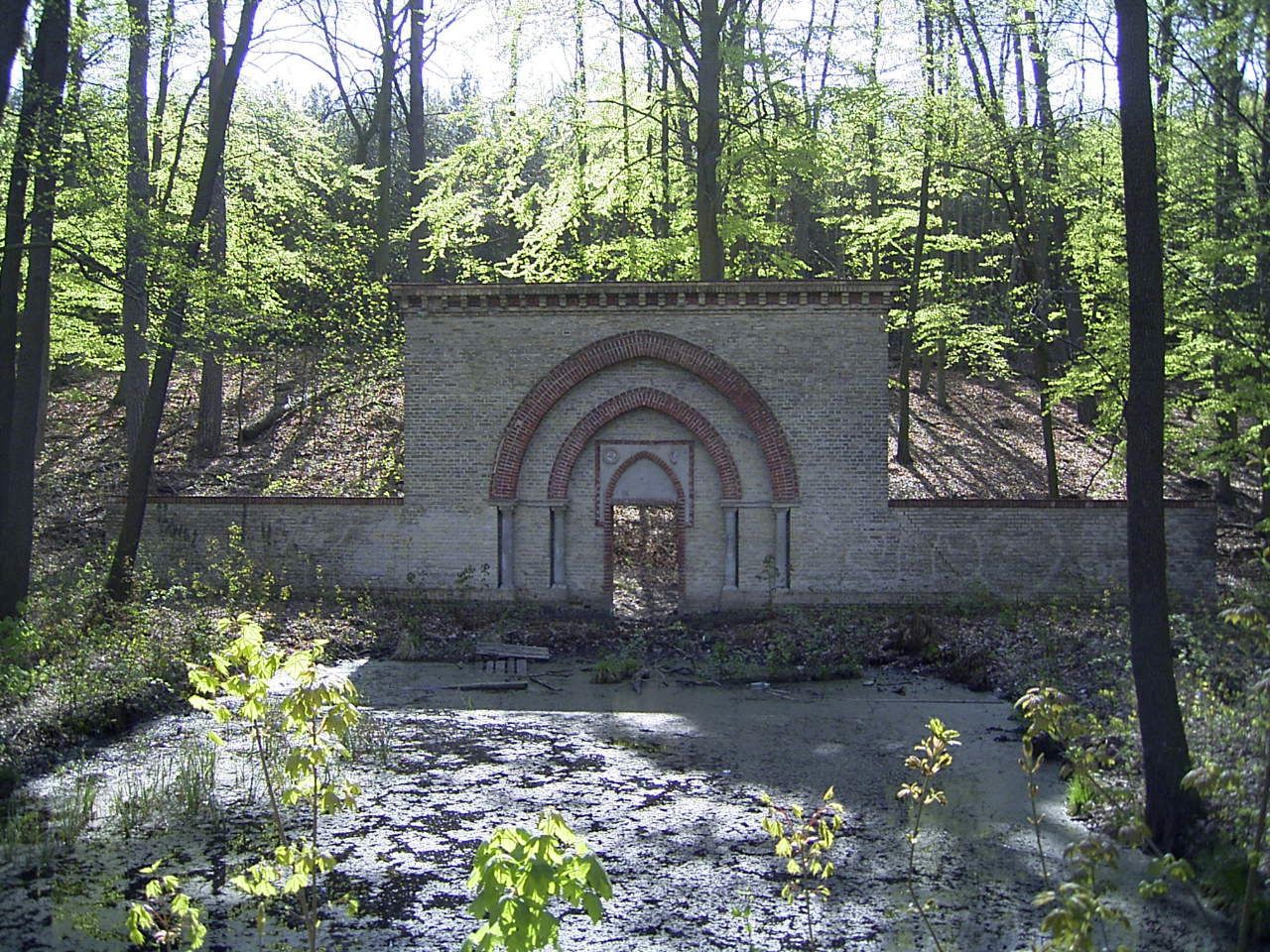
Marienquelle – The Hidden Spring Gem of Michendorf, Brandenburg
Discover the mystique of the “Heiliges Grabestor,” a neo‑Gothic spring sanctuary that whispers centuries of pilgrimage, nature, and quiet wonder.
1. Introduction
If you’re wandering the tranquil countryside of Brandenburg and crave a spot that blends natural beauty with a touch of historic intrigue, look no further than Marienquelle. Tucked just outside the village of Michendorf, this modest spring—also known as the Heiliges Grabestor—offers travelers a serene pause amid rolling fields, a splash of crystal‑clear water, and an architectural façade that mirrors the entrance to the Mariengrab in Jerusalem’s Kidrontal. Whether you’re a pilgrim, a history buff, or simply a lover of off‑the‑beaten‑path water‑wonders, Marienquelle is a must‑see stop on any Brandenburg itinerary.
2. About Marienquelle
A Brief Description
- Name: Marienquelle (also called Heiliges Grabestor)
- Type: Natural spring (wild‑well)
- Location: Michendorf, Brandenburg, Germany
- Coordinates: 52.353503, 13.017228
The spring is encased in a neo‑Gothic portal façade, reminiscent of the entrance to the Mariengrab—the Holy Sepulchre—found in Jerusalem’s Kidrontal. This striking stonework gives the spring an almost reverent aura, as if it were a sacred well‑spring awaiting the touch of a pilgrim’s hand. While the exact altitude and height of the water source remain undocumented, the spring’s clear, cool flow has been a focal point for locals and visitors alike for generations.
Historical Significance
The term Heiliges Grabestor (Holy Grave Fountain) hints at a medieval tradition of associating water sources with religious symbolism. In the 19th‑century revival of neo‑Gothic architecture, the spring’s portal was constructed to echo the revered Mariengrab in Jerusalem, creating a spiritual link between Brandenburg’s countryside and the Holy Land. Over time, Marienquelle became a modest pilgrimage site, where travelers would pause to drink, reflect, and perhaps leave a small offering. Though it never grew into a grand shrine, its quiet charm endures, and the spring remains a living piece of regional folklore.
Why It Matters
- Cultural Heritage: The neo‑Gothic portal is a rare example of 19th‑century religious‑inspired architecture applied to a natural water source.
- Ecological Value: As a wild spring, Marienquelle contributes to local groundwater replenishment and supports surrounding flora and fauna.
- Photographic Appeal: The juxtaposition of rugged stonework against the soft, flowing water makes for compelling travel photography.
3. How to Get There
By Car
- From Berlin: Take the A10 (Berliner Ring) eastbound and exit at Michendorf (Exit 22). Follow the signs toward the village center.
- Local Roads: After reaching Michendorf, head south on Kleinmachnower Straße (B 101). After approximately 2 km, look for a small, well‑marked turnoff sign for Heiliges Grabestor / Marienquelle on the right.
- Parking: A modest parking area sits just a few meters from the spring—ideal for cars, bicycles, and even small motorbikes.
By Public Transport
- S-Bahn: Take the S1 line to Michendorf station (≈ 30 min from Berlin Hauptbahnhof).
- Bus: From Michendorf station, board the Bus 726 toward Kleinmachnow and alight at the “Marienquelle” stop (the stop is a short 300 m walk from the spring).
By Bike or Foot
The region’s flat terrain makes Marienquelle an excellent day‑trip destination for cyclists. From the center of Michendorf, a paved bike lane leads directly to the spring, covering a gentle 1.5 km ride. Hikers can also enjoy a pleasant 20‑minute walk along the Havel River trail, which passes near the spring’s location.
4. Best Time to Visit
| Season | Weather | Visitor Experience |
|---|---|---|
| Spring (April‑June) | Mild temperatures, blooming wildflowers | Ideal for photography; the spring’s water is at its freshest. |
| Summer (July‑August) | Warm, occasional rain showers | Perfect for picnics, but bring sun protection as shade is limited. |
| Autumn (September‑October) | Cool, colorful foliage | Quiet atmosphere; great for reflective walks. |
| Winter (November‑March) | Cold, possible frost | The neo‑Gothic façade looks dramatic against a frosty backdrop; the spring may be partially iced but still accessible. |
Tip: Early mornings (sunrise) or late afternoons (golden hour) provide the softest light for capturing the stone portal and surrounding landscape.
5. What to Expect
The First Glimpse
Approaching Marienquelle, you’ll first notice the neo‑Gothic portal—a stone arch adorned with subtle pointed arches, delicate tracery, and a modest inscription that reads “Heiliges Grabestor.” The portal frames the spring like a sacred doorway, inviting you to step closer.
The Water Experience
The spring’s water emerges from a natural fissure behind the stonework, forming a gentle, bubbling pool. The flow is constant, producing a soothing sound that masks distant traffic and creates a meditative ambiance. Feel free to dip your hands or a small cup into the water—locals traditionally believe the spring’s water carries a subtle, refreshing purity.
Surrounding Scenery
A modest grassy clearing surrounds the spring, dotted with wildflowers in spring and summer. A few benches provide a place to sit, sip water, and watch the occasional duck or dragonfly. The area is maintained by the local municipality, ensuring cleanliness without sacrificing its rustic charm.
Photographic Highlights
- Close‑up of the portal: Capture the intricate stone details with a wide‑angle lens.
- Water reflections: Early morning mist creates ethereal reflections on the pool’s surface.
- Seasonal backdrops: Autumn leaves, spring blossoms, or winter frost each add a unique palette.
6. Nearby Attractions
While Marienquelle is the star of the show, the surrounding countryside offers several additional points of interest within a short drive or bike ride:
| Distance | Attraction | Type | Why Visit |
|---|---|---|---|
| 1.0 km | Unnamed Fountain | Fountain | A small historic fountain, perfect for a quick photo stop. |
| 3.1 km | Unnamed Fountain | Fountain | Set in a scenic meadow, ideal for a picnic. |
| 3.7 km | Unnamed Fountain | Fountain | Features a decorative stone basin, great for kids to explore. |
| 4.1 km | Unnamed Fountain | Fountain | Located near a walking trail that follows the Havel River. |
| 4.2 km | Engelsquelle | Spring | A larger, well‑known spring with a legend about “angelic waters.” |
Note: While these fountains do not have dedicated Wikipedia pages, you can find them on local maps by searching for “Brandenburg fountains near Michendorf.”
7. Travel Tips
| Tip | Details |
|---|---|
| Bring a reusable water bottle | Fill it directly from the spring (the water is safe to drink). |
| Wear comfortable shoes | The path to the portal is uneven stone; sturdy walking shoes are advisable. |
| Pack a light picnic | There are benches and open grass; a simple snack enhances the experience. |
| Check weather forecasts | In winter, the portal can be slick; consider waterproof boots. |
| Respect the site | No littering; keep the natural and historic integrity intact. |
| Combine with a bike ride | The surrounding area offers quiet country lanes perfect for a leisurely cycle tour. |
| Photography etiquette | Use a tripod sparingly; avoid blocking the spring for other visitors. |
| Local events | Occasionally, Michendorf hosts a “Spring Festival” near Marienquelle—check the town’s website for dates. |
Final Thoughts
Marienquelle may not boast the grandeur of a palace or the buzz of a bustling market, but its understated elegance, historical resonance, and soothing waters make it a hidden treasure of Brandenburg. Whether you’re tracing the steps of ancient pilgrims, chasing perfect photographs, or simply craving a quiet spot to unwind, the Heiliges Grabestor invites you to pause, sip, and savor the timeless rhythm of a spring that has quietly nurtured the land for centuries.
Plan your visit, pack your curiosity, and let Marienquelle’s gentle flow refresh both body and spirit. Safe travels!