Drachenbrunnen – Berlin’s Hidden Dragon Fountain in Kreuzberg
Discover the mythic water feature that quietly charms locals and travelers alike.
Introduction
If you think you’ve seen every iconic landmark Berlin has to offer, think again. Tucked away in the leafy streets of Kreuzberg, the Drachenbrunnen (German for “Dragon Fountain”) is a whimsical slice of public art that blends mythology, history, and the city’s love of water. While the Brandenburg Gate and the East Side Gallery dominate guidebooks, this modest yet captivating fountain invites you to pause, listen to the splash of water, and snap a photo with two bronze dragons that seem to guard the space. For travelers hunting off‑the‑beaten‑path attractions, the Drachenbrunnen is a perfect stop on a day‑long Kreuzberg adventure.
About Drachenbrunnen
A brief history
- Year built: 1934
- Original purpose: Part of the garden surrounding the Oskar‑Helene‑Heim—a historic children’s hospital and social‑welfare complex.
- Designer: Renowned sculptor Karl Albiker, whose work is celebrated for its expressive forms and symbolic motifs.
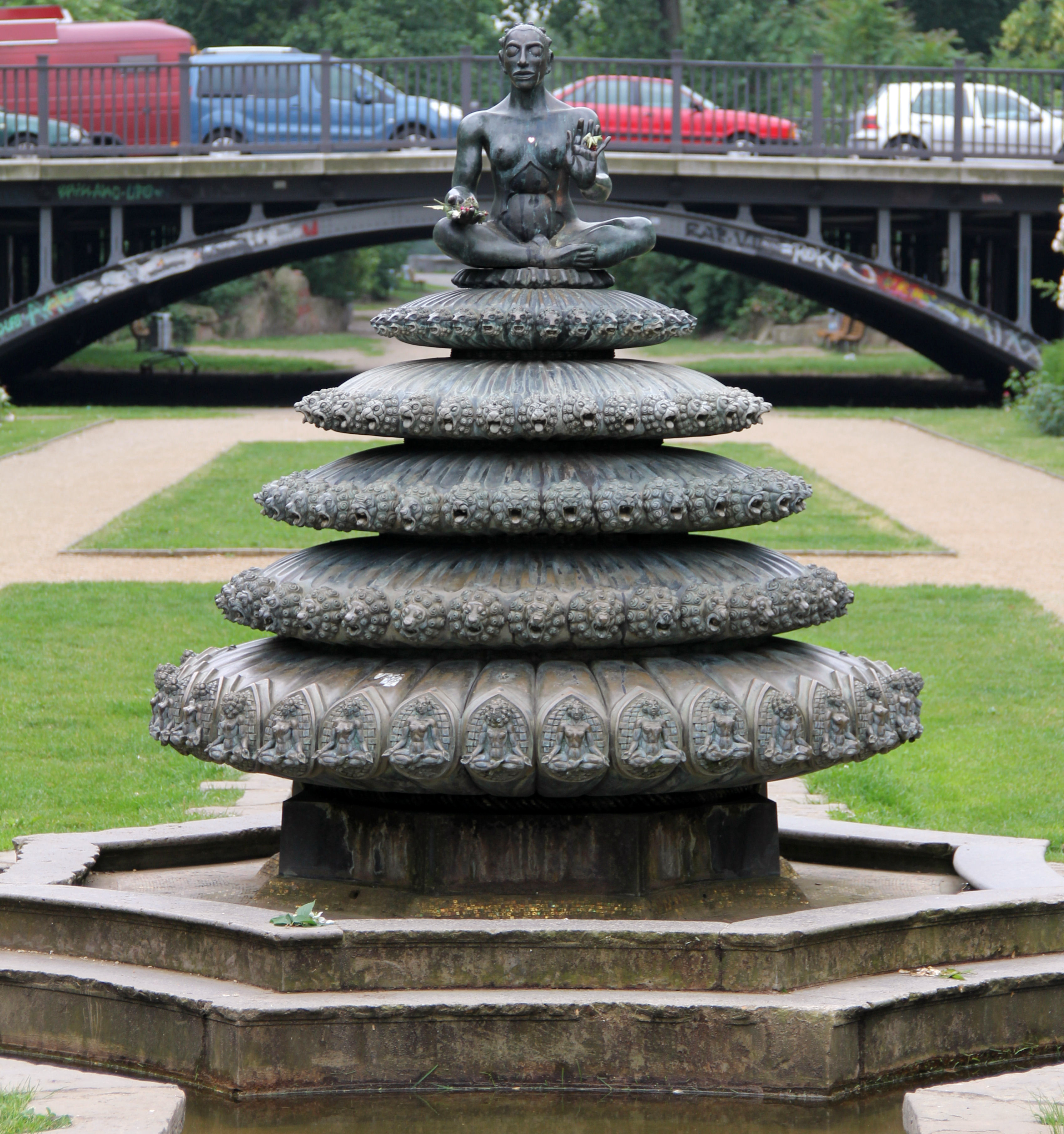
The fountain’s centerpiece consists of two bronze dragons that spout water from their open mouths, creating a gentle cascade that mirrors the playful spirit of the surrounding park. When World War II damaged much of Berlin’s urban fabric, the Drachenbrunnen survived relatively unscathed. Post‑war restoration work returned the dragons to their original splendor, and today the fountain stands as a quiet reminder of Berlin’s resilience and its enduring commitment to public art.
Why it matters
Beyond its aesthetic appeal, the Drachenbrunnen represents a slice of Berlin’s social‑history narrative. The Oskar‑Helene‑Heim was founded by philanthropist Oskar and his wife Helene as a haven for children in need. The fountain, placed in the garden, was intended to provide a calming, therapeutic environment for young patients—a philosophy that still resonates with visitors who come for a moment of serenity amid the city’s bustle.
How to Get There
By public transport
- U‑Bahn: Take the U1 or U3 to Kottbusser Tor station. From there, it’s a 5‑minute walk (≈400 m).
- S‑Bahn: The S41/S42 Ringbahn stops at Kreuzberg; exit toward Bergmannstraße and follow the signs to the park.
By bike or on foot
Berlin’s extensive bike lanes make the Drachenbrunnen easily reachable from central districts. If you’re staying in Friedrichshain or Neukölln, a 15‑minute ride along the Bergmannstraße and Kottbusser Damm routes will bring you straight to the fountain’s doorstep.
Parking
Street parking is limited, but several public car parks (e.g., Parkhaus Kottbusser Tor) are within a 10‑minute walk. For a more relaxed arrival, consider using the city’s Car‑Sharing services or simply stroll from a nearby U‑Bahn station.
Best Time to Visit
| Season | Why it’s ideal | Tips |
|---|---|---|
| Spring (April‑May) | Blossoming trees and milder temperatures make the surrounding garden especially photogenic. | Bring a light jacket; the water can be cool. |
| Summer (June‑August) | Long daylight hours let you linger; the fountain’s spray offers a refreshing break on hot days. | Arrive early in the morning to avoid crowds, especially on weekends. |
| Autumn (September‑October) | Golden foliage adds a dramatic backdrop to the bronze dragons. | Perfect for sunset photography; the light is soft and warm. |
| Winter (November‑March) | While the fountain may be turned off, the surrounding park is quiet, and the dragons look striking against a snowy landscape. | Check the city’s water‑feature schedule; some fountains are de‑activated in freezing weather. |
Overall, late spring to early autumn offers the most vibrant experience, with the water flowing and the garden in full bloom.
What to Expect
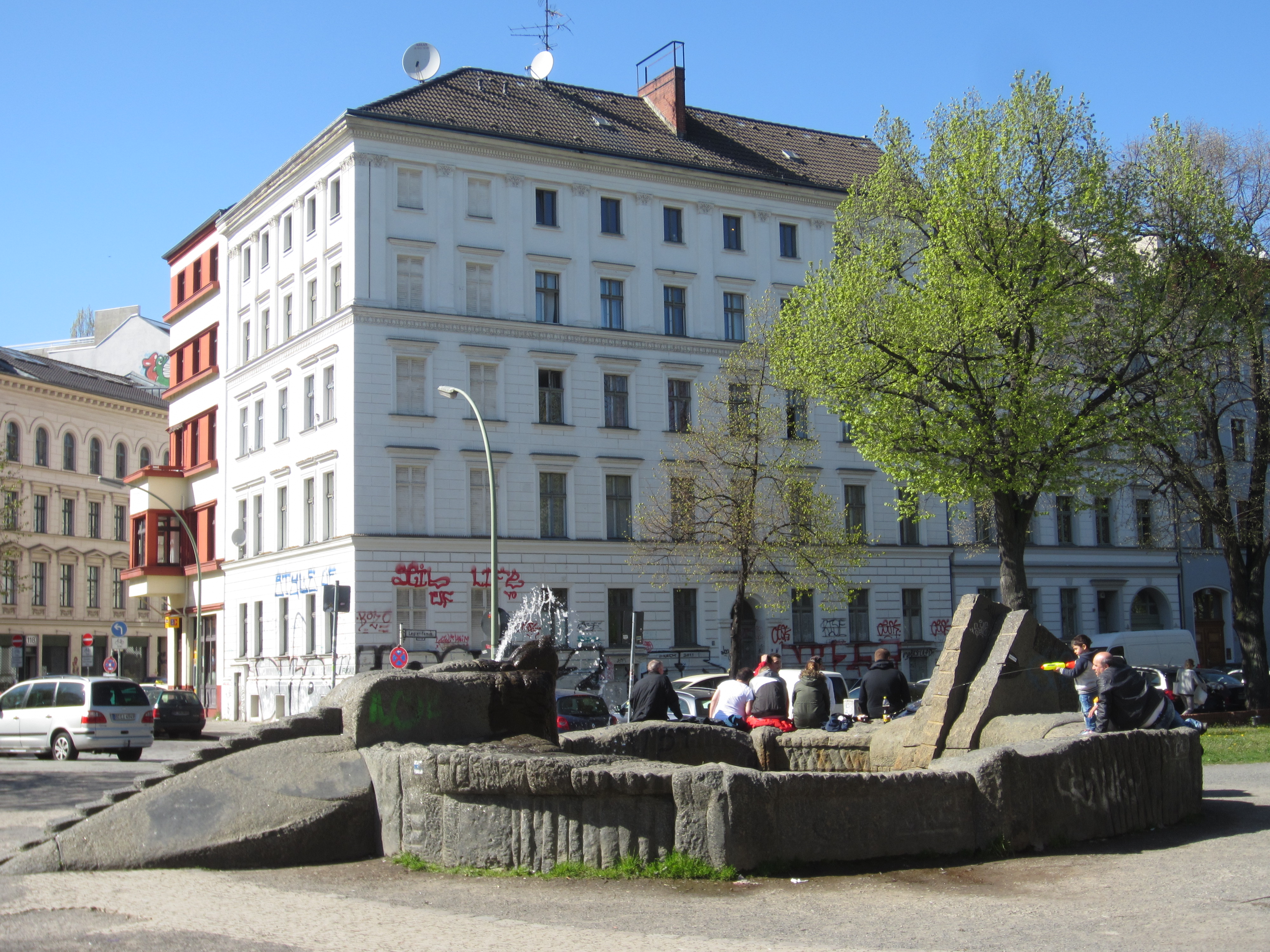
When you step onto the modestly paved square, the first thing you’ll notice is the playful roar of water echoing off the stone basin. The two bronze dragons—one perched on a low pedestal, the other slightly elevated—are expertly crafted, their scales catching the sun and casting intricate shadows. The water streams from their mouths in a steady, soothing flow, creating a gentle mist that cools the immediate area.
Surrounding the fountain are well‑maintained lawns, occasional benches, and a few mature trees that provide shade on sunny days. The ambiance is relaxed: locals read, families picnic, and tourists pause for photos. Because the site is part of a public park, you’ll often hear the faint hum of conversation, the occasional laughter of children, and the rhythmic splash of water—an urban oasis that feels far removed from Berlin’s bustling streets.
If you’re a photography enthusiast, the golden hour (just after sunrise or before sunset) is perfect for capturing the dragons against a warm sky. For those seeking a quiet moment, simply sit on a bench, close your eyes, and let the water’s rhythm wash away the city’s noise.
Nearby Attractions
While the Drachenbrunnen is a highlight on its own, Kreuzberg offers a cluster of complementary sights within walking distance:
| Attraction | Distance | Why go? |
|---|---|---|
| Indischer Brunnen (Indian Fountain) | 0.2 km | A beautifully tiled fountain showcasing Indo‑Pakistani motifs; great for cultural contrast. |
| [Unnamed Fountain 1] | 0.3 km | A small, modern water feature that adds to the neighborhood’s artistic vibe. |
| [Unnamed Fountain 2] | 0.3 km | Hidden behind a residential courtyard, perfect for a quick photo stop. |
| [Unnamed Fountain 3] | 0.3 km | Features minimalist stone work, offering a calm contrast to the dragon’s dynamism. |
| [Unnamed Fountain 4] | 0.3 km | A community‑built fountain that reflects Kreuzberg’s grassroots spirit. |
Quick links:
- Drachenbrunnen Wikipedia: https://en.wikipedia.org/wiki/Drachenbrunnen
- Indischer Brunnen Wikipedia: (search “Indischer Brunnen Berlin” for the dedicated page)
Beyond fountains, you can wander to Kreuzberg’s vibrant street art corridors, sample authentic Turkish cuisine on Oranienstraße, or explore the historic Görlitzer Park—all within a short stroll.
Travel Tips
- Check the water schedule – Berlin sometimes shuts off fountains during extreme cold to prevent damage. The city’s official website lists operational hours for public water features.
- Bring a reusable water bottle – The mist from the dragons can be refreshing, but staying hydrated is essential, especially in summer.
- Mind the footwear – The basin’s stone can be slippery when wet. Wear sturdy shoes if you plan to sit near the water’s edge.
- Respect the space – As a public park, the area is shared by locals. Keep noise levels moderate and avoid feeding wildlife.
- Combine with a food stop – After visiting the fountain, head to Markthalle Neun (a 10‑minute walk) for a bite of Berlin’s famed street food.
- Capture the dragons from multiple angles – The bronze sculptures look striking from ground level, but a low‑angle shot from the opposite side emphasizes their scale.
- Use a public transport day ticket – Berlin’s AB‑ticket covers U‑Bahn, S‑Bahn, and buses, making it easy to hop between Kreuzberg’s attractions without worrying about parking.
Final Thought
The Drachenbrunnen may not dominate travel itineraries, but that’s precisely why it deserves a spot on yours. It offers a quiet, artistic pause in the heart of Kreuzberg, where mythic dragons guard a simple cascade of water. Whether you’re a history buff, an art lover, or just a curious traveler looking for Berlin’s hidden gems, the dragon fountain invites you to linger, listen, and let the gentle splash become part of your Berlin story.
Ready to chase dragons in Berlin? Pack your camera, hop on the U‑Bahn, and let the fountain’s magic guide you through Kreuzberg’s vibrant streets.