Brunnen der Völkerfreundschaft – Berlin’s Hidden Fountain of Friendship
If you think you’ve seen every corner of Berlin, think again. Nestled among the city’s bustling streets is a modest yet powerful symbol of international camaraderie – the Brunnen der Völkerfreundschaft. This tranquil fountain invites travelers to pause, reflect, and snap a photo that captures Berlin’s spirit of openness.
1. Introduction
Berlin is a city of contrasts: towering monuments stand beside street art, historic museums share blocks with vibrant cafés. While landmarks like the Brandenburg Gate and the Berlin Wall dominate guidebooks, the Brunnen der Völkerfreundschaft (Fountain of Friendship of the Peoples) offers a quieter, more intimate glimpse into the capital’s post‑war optimism. Installed during a period when Berlin sought to showcase solidarity across nations, the fountain remains a subtle reminder that friendship can be celebrated in stone and water. Whether you’re a first‑time visitor or a seasoned Berlin explorer, this fountain is a perfect spot to unwind and soak up a slice of local history.
2. About Brunnen der Völkerfreundschaft
Description
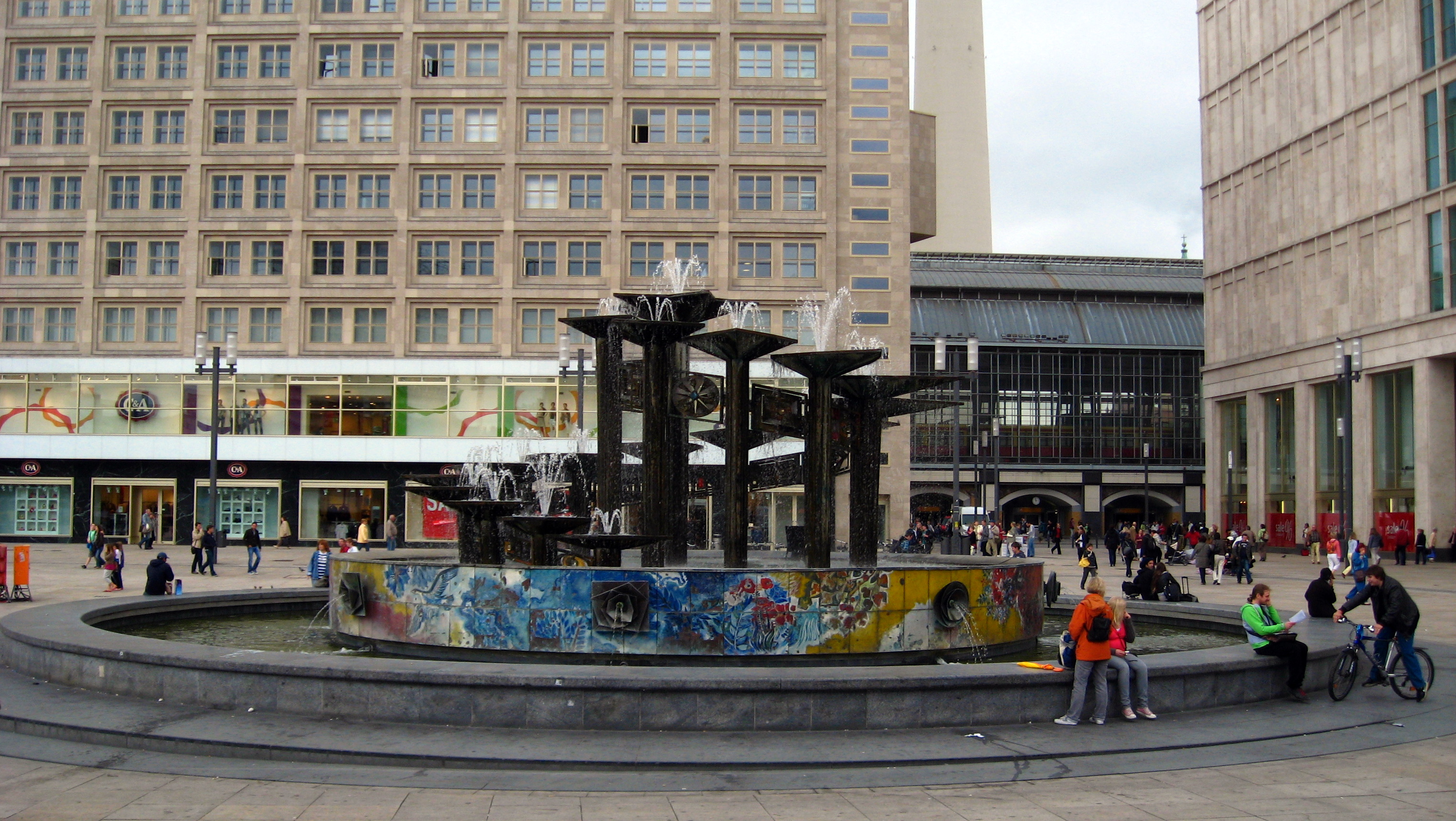
Located at the coordinates 52.522026, 13.412772, the Brunnen der Völkerfreundschaft sits in a small plaza surrounded by residential buildings and leafy trees. The fountain’s design is understated: a shallow basin of clear water framed by simple, clean lines. Though its exact height and altitude are not documented, the structure’s modest scale encourages close interaction—children can splash at its edge, couples can sit on nearby benches, and photographers can capture reflections of the sky.
History & Significance
The name Völkerfreundschaft translates to “friendship of peoples,” a term that resonated strongly in East Germany during the Cold War. The fountain was erected as a public art piece that celebrated international solidarity, especially among socialist states. While the political landscape has shifted dramatically since then, the fountain’s message endures: Berlin remains a city that welcomes visitors from every corner of the globe.
The fountain’s Wikipedia entry (in German) provides a concise overview of its origins: Brunnen der Völkerfreundschaft (Berlin). Though the article is brief, it underscores the fountain’s role as a modest yet meaningful element of Berlin’s urban fabric.
3. How to Get There
By Public Transport
Berlin’s integrated S‑Bahn and U‑Bahn network makes the Brunnen der Völkerfreundschaft easy to reach from any part of the city:
| Starting Point | Recommended Line(s) | Nearest Stop | Approx. Walk |
|---|---|---|---|
| Central Berlin (Hauptbahnhof) | S5, S7, S75 | Berlin Ostkreuz (S‑Bahn) | 10‑12 min walk |
| Alexanderplatz | U8 | Kottbusser Tor (U‑Bahn) | 12‑15 min walk |
| Charlottenburg | U7 | Kreuzberg (U‑Bahn) | 8‑10 min walk |
Because the fountain sits at a precise set of coordinates, the simplest method is to enter 52.522026, 13.412772 into your navigation app (Google Maps, Apple Maps, or the BVG app). The app will suggest the fastest route based on real‑time traffic and public‑transport schedules.
By Bike or E‑Scooter
Berlin is famously bike‑friendly. If you prefer two wheels, you can rent a city bike (Nextbike, Lime, or Tier) and follow the bike lanes that lead directly to the plaza. The ride takes roughly 15 minutes from the city centre and offers a scenic view of the surrounding neighborhoods.
By Car
Driving in Berlin’s central districts can be challenging due to limited parking and traffic restrictions (Umweltzone). If you must drive, look for street parking on adjacent side streets or use a nearby public garage such as Parkhaus St. Pauli (approximately 300 m away).
4. Best Time to Visit
| Season | Why Visit? |
|---|---|
| Spring (April‑May) | The surrounding trees blossom, adding a splash of pink and white to the fountain’s backdrop. The weather is mild, perfect for a leisurely stroll. |
| Summer (June‑August) | Long daylight hours let you enjoy the fountain after sunset, when the water catches the golden light. Nearby cafés spill onto the sidewalks, creating a lively atmosphere. |
| Autumn (September‑October) | The foliage turns amber, providing a striking contrast against the fountain’s clear water. Fewer tourists mean a quieter experience. |
| Winter (November‑February) | While the water may be partially frozen, the fountain takes on a serene, almost meditative quality. If you visit during the holiday season, you might catch nearby Christmas markets adding festive cheer. |
Overall, late spring to early autumn offers the most comfortable weather for an extended visit, but the fountain’s tranquil charm shines year‑round.
5. What to Expect
When you arrive, you’ll find a modest plaza that feels like a secret garden in the middle of the city. The water gently circulates, creating a soft, continuous murmur that masks the distant hum of traffic. Benches line the perimeter, inviting you to sit and watch locals—students, retirees, and families—interact with the space.
Photography tip: The fountain’s shallow basin reflects the sky beautifully during sunrise and sunset. Position yourself low to the ground for a mirrored effect, or capture the surrounding architecture framing the water.
Cultural vibe: Though the fountain does not host large events, it occasionally serves as a meeting point for community gatherings, language exchange groups, or small performances. Keep an eye on local bulletin boards or the BVG’s “Event Map” for pop‑up activities.
6. Nearby Attractions
While the Brunnen der Völkerfreundschaft is a highlight on its own, the surrounding area brims with additional sights that can easily fill a half‑day itinerary:
| Attraction | Distance | What to See | Link |
|---|---|---|---|
| Markthallenbrunnen (fountain) | 0.3 km | A historic market‑hall fountain with ornate sculptures. | Markthallenbrunnen |
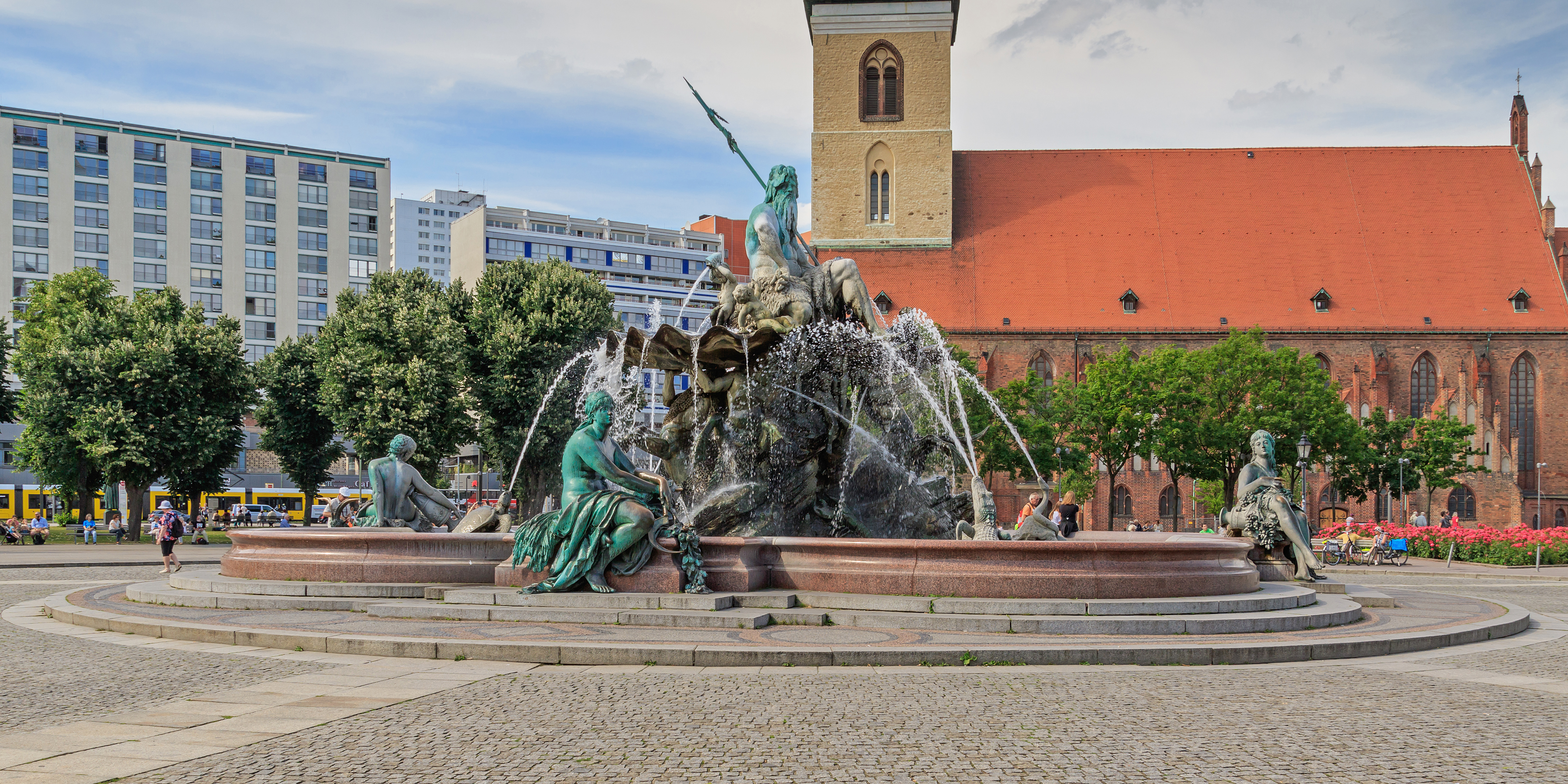
| Neptunbrunnen (fountain) | 0.5 km | Depicts Neptune, the Roman god of the sea, surrounded by playful sea‑creatures. | Neptunbrunnen |
| Changing Invisibility (fountain) | 0.7 km | A contemporary installation that uses light and water to create an illusion of disappearing forms. | Changing Invisibility |
| (Unnamed Fountain 1) | 0.5 km | Small decorative fountain tucked in a residential courtyard. | |
| (Unnamed Fountain 2) | 0.6 km | Modern water feature with interactive LED lighting. |
Tip: All of these fountains are within a comfortable walking radius, so you can enjoy a “fountain tour” while discovering hidden courtyards, local cafés, and street art along the way.
7. Travel Tips
| Tip | Details |
|---|---|
| Bring a reusable water bottle | Berlin’s public fountains are safe to drink from, and staying hydrated makes wandering more enjoyable. |
| Check BVG service updates | Construction or maintenance can affect U‑Bahn lines. The BVG app provides real‑time alerts. |
| Use a contactless payment card | Berlin’s public transport accepts contactless credit/debit cards and the Berlin WelcomeCard for unlimited travel. |
| Mind the weather | In winter, the water may be icy; wear sturdy shoes to avoid slipping on wet stones. |
| Respect local residents | The plaza is a residential area. Keep noise levels low, especially after 10 pm. |
| Combine with a food stop | A short walk north leads to Kreuzberg’s vibrant food scene—try a currywurst or a vegan falafel wrap. |
| Language note | While German is the official language, most locals speak English, especially in tourist‑friendly neighborhoods. |
Final Thought
The Brunnen der Völkerfreundschaft may not dominate travel itineraries, but its understated elegance and historical resonance make it a worthwhile stop for anyone seeking a deeper connection with Berlin’s cultural tapestry. Pair it with nearby fountains, savor a coffee at a local café, and you’ll leave with a refreshed mind and a refreshed spirit—just like the water that gently flows through this friendly Berlin landmark.
Happy travels, and may every fountain you visit remind you of the friendships that bind us across borders!