Bärenbrunnen – Berlin’s Charming Bear Fountain in the Heart of Mitte
If you’re wandering through Berlin’s historic Mitte district and stumble upon a graceful bronze bear spouting water, you’ve found the Bärenbrunnen – a hidden gem that perfectly blends the city’s regal past with its vibrant present.
1. Introduction
Berlin is a city of stories told in stone, steel, and water. While the Brandenburg Gate and the Reichstag dominate most travel itineraries, the Bärenbrunnen (Bear Fountain) offers a quieter, more intimate glimpse of the capital’s love affair with its heraldic animal. Nestled among bustling streets, cafés, and museums, this modest yet elegant fountain invites travelers to pause, snap a photo, and soak up a slice of Berlin’s cultural heritage. Whether you’re a first‑time visitor, a local explorer, or a photography enthusiast, the Bärenbrunnen is a worthwhile stop on any Berlin travel guide itinerary.
2. About Bärenbrunnen
Description
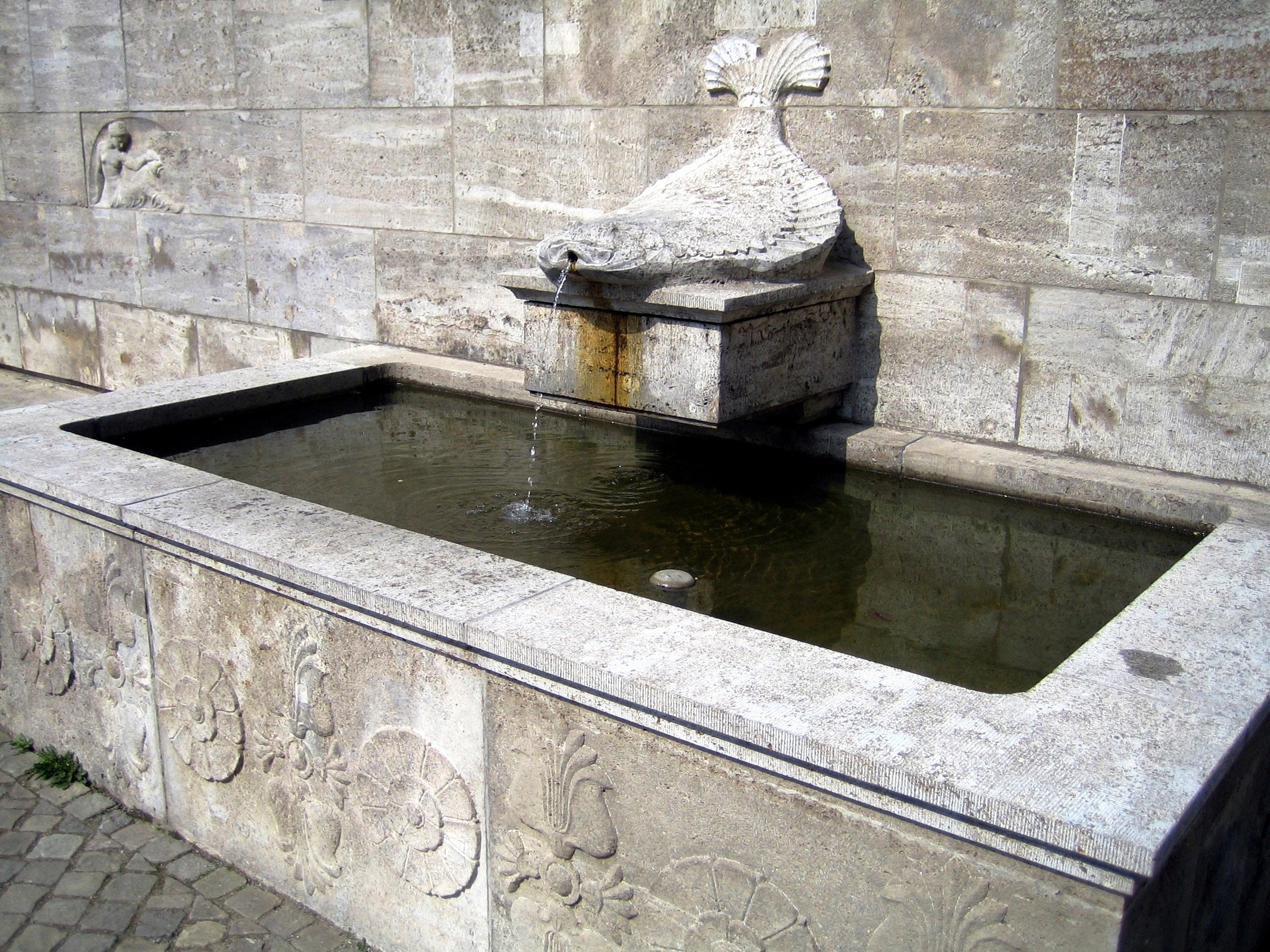
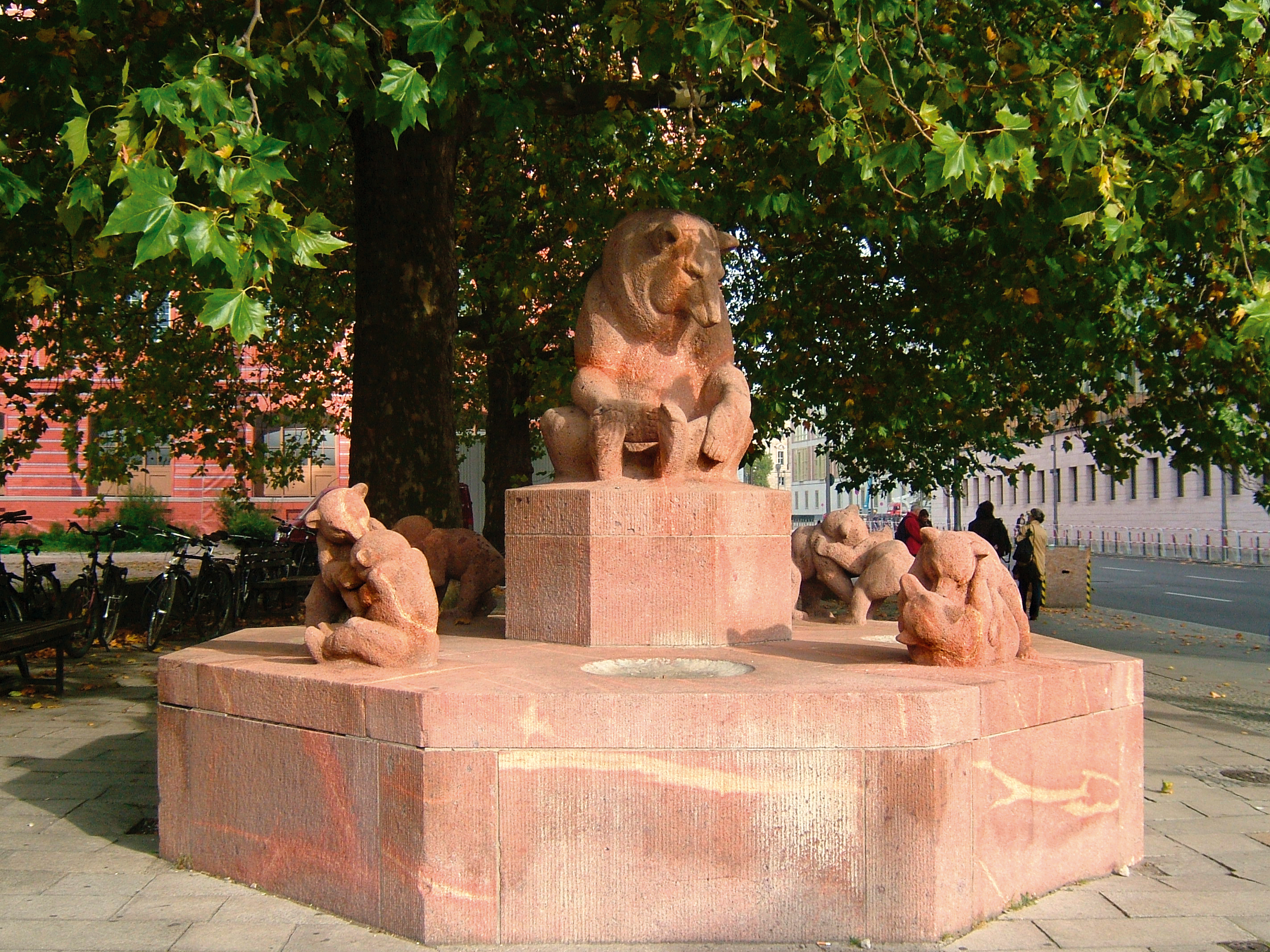
The Bärenbrunnen is a fountain located in the Mitte borough of Berlin (coordinates: 52.515602 N, 13.398115 E). Its centerpiece is a life‑size bronze bear, the iconic symbol of Berlin, perched atop a stone pedestal. Water gently cascades from the bear’s mouth, creating a soothing sound that contrasts with the city’s urban hum. The surrounding basin is lined with simple, clean stonework, allowing the sculpture to remain the focal point.
History & Significance
While the exact construction year of the Bärenbrunnen is not widely documented, the fountain has been a permanent fixture of Mitte’s streetscape for many decades. The bear motif dates back to the 13th‑century coat of arms of Berlin, making the animal a recurring theme in public art, architecture, and even the city’s flag. By placing a bear in a public fountain, the city reinforces its identity and offers residents a daily reminder of Berlin’s resilience and pride.
The fountain’s modest scale reflects the early‑20th‑century urban design philosophy of integrating functional water features with artistic expression. Over the years, the Bärenbrunnen has survived the tumultuous periods of World War II, the division of Berlin, and the city’s rapid modernization, emerging as a quiet testament to continuity amidst change.
For a deeper dive into the fountain’s background, see the German‑language Wikipedia entry: Bärenbrunnen (Berlin).
3. How to Get There
By Public Transport
- U‑Bahn: Take the U5 line to Brandenburger Tor station. From the exit, walk east along Unter den Linden for about 5 minutes; the fountain sits just off the side street near the intersection with Bismarckstraße.
- S‑Bahn: The S1, S2, S25, and S26 lines stop at Brandenburger Tor (or Hackescher Markt for a slightly longer walk). Both stations are within a 10‑minute stroll.
By Tram or Bus
- Tram 12 or M5 (Mitte line) stops at Unter den Linden. Alight and head toward the Bärenbrunnen’s coordinates.
- Bus 100 (the popular “Tourist Bus” that circles the city centre) also passes close by; get off at Brandenburger Tor.
By Foot or Bike
Berlin’s Mitte district is highly walkable and bike‑friendly. If you’re staying near the Museum Island or Alexanderplatz, a 15‑minute walk south‑west will bring you directly to the fountain. Use Berlin’s public bike‑share system (Nextbike, Lime, or Tier) and dock the bike at a nearby station for a quick, eco‑friendly visit.
Parking
If you’re driving, limited street parking is available on Bismarckstraße and surrounding side streets. However, traffic can be heavy during peak hours, so public transport is generally the smoother option.
4. Best Time to Visit
| Season | Why It Works | Tips |
|---|---|---|
| Spring (April–June) | Blossoming trees along Unter den Linden create a picturesque backdrop. | Arrive early morning for soft light and fewer crowds. |
| Summer (July–August) | Long daylight hours let you linger at the fountain well into the evening. | Bring a portable water bottle; nearby cafés offer refreshing drinks. |
| Autumn (September–October) | Golden foliage adds warmth to the bronze bear’s surface. | Capture the contrast of amber leaves against the stone basin. |
| Winter (November–March) | The fountain takes on a quiet, almost magical feel when dusted with snow. | Dress warmly; the bear’s silhouette looks striking against a winter sky. |
Overall, late spring to early autumn provides the most comfortable weather for strolling and photographing the Bärenbrunnen, but the fountain’s charm is evident year‑round.
5. What to Expect
When you arrive, you’ll notice a calm oasis amid the city’s bustle. The water’s gentle flow creates a soothing soundscape, making the spot popular with locals who pause for a quick coffee break or a moment of reflection. The bronze bear, polished by years of weather, gleams in the sunlight, offering excellent photo opportunities from multiple angles.
The surrounding area is lively yet not overly touristy. You’ll find:
- Cafés and bakeries on nearby side streets, perfect for a Berliner Pfannkuchen (jam‑filled doughnut) or a latte.
- Street performers occasionally adding a musical backdrop, especially during summer evenings.
- Benches placed strategically around the basin, allowing visitors to sit and enjoy the view.
Because the Bärenbrunnen is free and open 24/7, you can experience it at any hour—whether it’s a bright midday visit or a romantic night stroll when the fountain is illuminated.
6. Nearby Attractions
While the Bärenbrunnen is a highlight on its own, the surrounding Mitte district offers a cluster of other water‑related sights and cultural landmarks—all within a short walk:
| Attraction | Type | Distance | Link |
|---|---|---|---|
| Unnamed Fountain | Fountain | 0.1 km | — |
| Unnamed Weir | Weir | 0.2 km | — |
| Unnamed Weir (second) | Weir | 0.2 km | — |
| Glasmosaikbrunnen | Fountain | 0.2 km | Glasmosaikbrunnen (Wikipedia) |
| Überlaufstein | Fountain | 0.3 km | Überlaufstein (Wikipedia) |
Other Must‑See Sites (within 10‑15 minutes)
- Brandenburg Gate – Iconic neoclassical monument and a symbol of German reunification.
- Reichstag Building – Home of the German parliament; book a free dome tour for panoramic city views.
- Museum Island – A UNESCO World Heritage site housing five world‑class museums (Pergamon, Bode, Altes, Neues, and the Alte Nationalgalerie).
- Berlin Cathedral (Berliner Dom) – Stunning baroque architecture with a magnificent dome and crypt.
All of these attractions are easily reachable on foot from the Bärenbrunnen, making it an ideal anchor point for a day of exploring Mitte’s cultural heart.
7. Travel Tips
- Combine with a Walking Tour – Many free “Berlin by Foot” tours start near the Brandenburg Gate. Ask the guide to include a stop at the Bärenbrunnen for a quick photo break.
- Mind the Weather – In summer, the basin can become slippery when wet. Wear appropriate shoes and keep an eye on children.
- Respect the Space – The fountain is a public piece of art; avoid climbing on the bear or the pedestal.
- Capture the Best Light – Early morning or late afternoon provides soft, golden lighting that enhances the bronze texture.
- Use a Small Tripod – If you plan to shoot long‑exposure night shots of the illuminated fountain, a compact tripod will keep your camera steady without attracting attention.
- Stay Connected – Free Wi‑Fi is available at nearby cafés and at the Berlin WelcomeCenter (located a few blocks away).
- Language Help – Most signs in Mitte are bilingual (German/English). If you need directions, simply ask “Wie komme ich zum Bärenbrunnen?” – locals are usually happy to help.
Final Thought
The Bärenbrunnen may not dominate guidebooks, but its understated elegance, historic symbolism, and central location make it a perfect micro‑adventure for any traveler seeking authentic Berlin experiences. Pair it with a stroll through the surrounding museums, a coffee at a nearby café, and you’ve crafted a memorable slice of the city’s soul—one bear splash at a time.
Happy travels, and may your Berlin journey be as lively and enduring as the bear that watches over the Bärenbrunnen!