Zweiter großer Wasserfall – Bavaria’s Hidden Cascade in Scheidegg
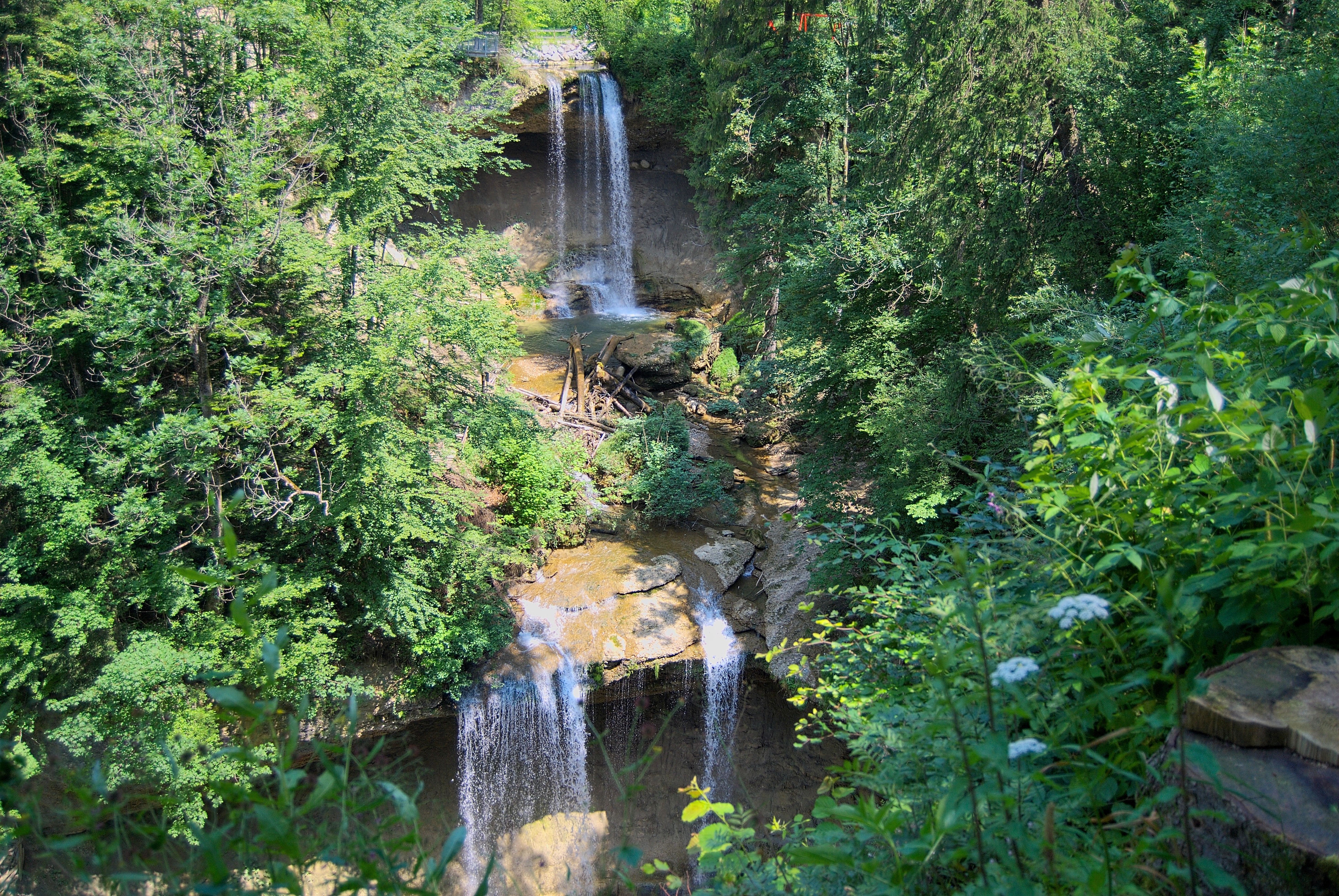
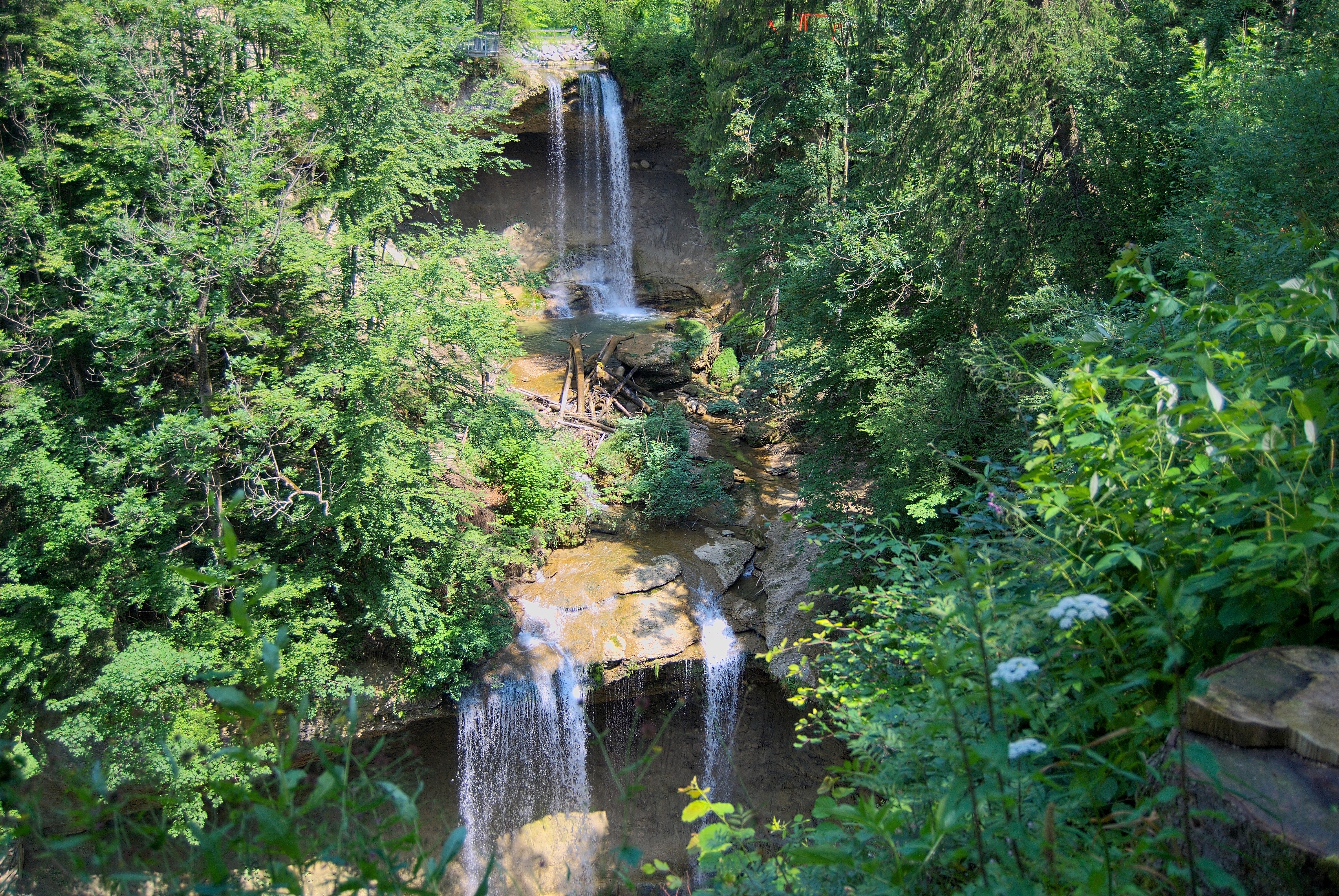
If you’re hunting for a serene splash of nature that feels off the beaten path, the Zweiter großer Wasserfall in Scheidegg, Bavaria, should be at the top of your list. This 18‑metre cascade drops into a crystal‑clear pool surrounded by lush Alpine forest, offering a perfect blend of tranquility and adventure for hikers, photographers, and anyone who loves a good water‑falling story.
1. Introduction
Imagine stepping onto a moss‑covered trail, the scent of pine filling the air, and hearing the faint roar of water before you even see it. Suddenly, the trees part and you’re greeted by the Zweiter großer Wasserfall, a sparkling ribbon of water that plunges 18 meters into a turquoise basin. Unlike the crowded tourist hotspots of the Bavarian Alps, this waterfall remains a quiet jewel, visited mostly by locals and the occasional intrepid traveler.
Whether you’re planning a day trip from Munich, a weekend hike through the Allgäu region, or a scenic detour on a road trip through southern Germany, the Zweiter großer Wasserfall delivers a memorable experience that’s both accessible and awe‑inspiring.
2. About Zweiter großer Wasserfall
A Brief Description
- Location: Scheidegg, Bavaria, Germany
- Coordinates: 47.591268 N, 9.838926 E
- Height: 18 meters (≈ 59 feet)
- Type: Natural waterfall (🌊)
The Zweiter großer Wasserfall is part of the Scheidegger Wasserfälle system, a series of cascades that tumble down the gentle slopes of the Allgäu Alps. While the exact altitude of the falls isn’t listed, the surrounding terrain sits at roughly 800–900 meters above sea level, typical for the foothills of the Bavarian pre‑Alps.
History & Significance
The Scheidegger Wasserfälle have long been a natural landmark for the nearby village of Scheidegg. Historically, the falls powered small watermills that supported local agriculture, and they served as a gathering spot for villagers during summer festivals. Today, the waterfalls—especially the Zweiter großer Wasserfall—are celebrated for their ecological value, providing a habitat for alpine amphibians, insects, and a variety of plant species that thrive in the moist microclimate.
Because the falls are relatively modest in size, they have escaped the mass‑tourism boom that affects larger attractions like the famous Neuschwanstein Castle or the Rattenschlag Waterfall. This makes them an ideal spot for travelers seeking authentic Bavarian nature without the crowds.
3. How to Get There
By Car
- From Munich: Take the A96 toward Lindau, exit at Wangen im Allgäu, then follow the B308 south to Scheidegg. From the town centre, follow the signs for “Wasserfälle” – the route is well‑marked and the drive takes about 1 hour 45 minutes.
- Parking: A small public car park sits at the trailhead near the Erster großer Wasserfall. Parking is free, but spaces fill quickly on sunny weekends, so arrive early.
By Public Transport
- Train: The nearest railway station is Wangen im Allgäu, served by regional trains from Munich, Augsburg, and Ulm.
- Bus: From Wangen, catch the Bus 731 (Wangen – Scheidegg) that runs hourly during peak season. Get off at the “Wasserfälle” stop; the trail to Zweiter großer Wasserfall begins just a few meters away.
On Foot
The waterfall is reachable via a well‑maintained forest trail that starts at the parking area. The walk to the falls is approximately 10–15 minutes (about 800 m) on a gentle, signposted path suitable for all fitness levels.
4. Best Time to Visit
| Season | What to Expect | Why It’s Ideal |
|---|---|---|
| Spring (April‑May) | Snowmelt boosts water flow; surrounding wildflowers begin to bloom. | The cascade is at its fullest, and the forest is lush and fragrant. |
| Summer (June‑August) | Warm weather, longer daylight hours. | Perfect for picnics by the pool and photography in golden light. |
| Autumn (September‑October) | Leaves turn amber, water levels moderate. | The waterfall framed by colorful foliage creates postcard‑worthy shots. |
| Winter (November‑March) | Possible ice formations, quieter trails. | For the adventurous, a frosty waterfall offers a magical, low‑traffic experience (check trail conditions). |
Tip: The water flow is strongest in late spring and early summer due to snowmelt, making the falls most dramatic. However, if you prefer a calmer pool for wading, early autumn is ideal.
5. What to Expect
The Trail Experience
The path to Zweiter großer Wasserfall winds through mixed pine and beech forest, with occasional wooden boardwalks over damp ground. Informational plaques explain the geology of the Allgäu Alps and the role of the watercourse in local ecosystems.
The Waterfall Itself
As you approach, the sound of rushing water grows louder, culminating in a misty spray that kisses your face. The 18‑meter drop lands into a shallow, turquoise pool that reflects the surrounding trees like a natural mirror. The water is clear enough for you to see smooth stones at the bottom, and on warm days, locals often dip their feet in the cool water.
Photo Opportunities
- Front View: Stand on the lower trail for a full‑height shot of the cascade against the forest backdrop.
- Side Angle: A short detour to a higher rock offers a dramatic perspective of the water’s plunge.
- Close‑up: Capture the droplets in slow motion with a macro lens for artistic effect.
6. Nearby Attractions
The Scheidegger Wasserfälle area is a compact cluster of natural sights, making it easy to explore multiple points of interest in a single visit.
| Attraction | Distance from Zweiter großer Wasserfall | Description |
|---|---|---|
| Erster großer Wasserfall | 0 km (same site) | The “first” larger waterfall of the series; a short walk away and perfect for a quick comparison. |
| Fountain (Unnamed) | 0.1 km | A charming stone fountain nestled in a meadow, ideal for a brief rest. |
| Kleiner Wasserfall | 0.2 km | A smaller cascade that offers a more intimate, quiet setting. |
| Hauberfall | 0.9 km | A slightly higher waterfall with a rugged rock face, popular with hikers seeking a bit more challenge. |
| Second Fountain (Unnamed) | 1.2 km | Another historic fountain, surrounded by alpine wildflowers in summer. |
All attractions are part of the same Scheidegger Wasserfälle network; you can find detailed information on the German Wikipedia page: Scheidegger Wasserfälle
7. Travel Tips
- Footwear: Wear sturdy, waterproof hiking shoes. The trail can be slippery near the water’s edge, especially after rain.
- Weather Check: Alpine weather changes quickly. Pack a light rain jacket even in summer.
- Leave No Trace: Bring a small bag for any litter. The area is a protected natural site, and preserving its pristine condition is essential.
- Timing: Arrive early (before 10 am) on weekends to avoid the modest influx of local families and to enjoy softer light for photography.
- Picnic Spots: There are flat rocks near the pool that make excellent picnic tables—just remember to clean up afterward.
- Safety: The pool is shallow near the edges but can be deeper toward the center. Supervise children closely, and avoid diving.
- Seasonal Gear: In winter, consider crampons or microspikes if the trail is icy. Check local forecasts for avalanche risk in higher elevations.
- Connectivity: Mobile reception can be spotty; download offline maps (e.g., Komoot or Google Maps offline) before you set out.
Final Thought
The Zweiter großer Wasserfall may not have the fame of Bavaria’s grand castles, but its quiet elegance, easy accessibility, and surrounding natural beauty make it a must‑visit for anyone exploring the Allgäu region. Pack your camera, lace up your boots, and let the gentle roar of this 18‑meter cascade guide you into a truly Bavarian wilderness experience.
Happy travels, and may the water’s whisper accompany your journey!