Wittelsbacherbrunnen – Munich’s Hidden Baroque Gem
If you think you’ve seen every fountain in Munich, think again. Nestled in the historic heart of the Bavarian capital, the Wittelsbacherbrunnen is a quiet masterpiece that captures the elegance of the Wittelsbach dynasty and offers a perfect pause amid the city’s bustling streets.
1. Introduction
Travelers often flock to Munich’s iconic Marienplatz, the bustling Viktualienmarkt, or the grand façade of the Frauenkirche. Yet just a short stroll away lies a lesser‑known treasure: the Wittelsbacherbrunnen. This elegant fountain, situated within the Munich Residenz courtyard, blends baroque artistry with the regal heritage of the Wittelsbach family. Whether you’re a history buff, an architecture enthusiast, or simply looking for a tranquil spot to snap a photo, the Wittelsbacherbrunnen deserves a place on your Munich itinerary.
2. About Wittelsbacherbrunnen
A Brief History
The Wittelsbacherbrunnen (German for “Wittelsbach Fountain”) is part of the Munich Residenz, the former royal palace of the Bavarian monarchs. While the exact date of the fountain’s construction is not widely published, it was created to honor the Wittelsbach dynasty, which ruled Bavaria for more than 800 years. The fountain’s name alone signals its connection to the lineage that shaped Bavarian culture, politics, and art.
Architectural Significance
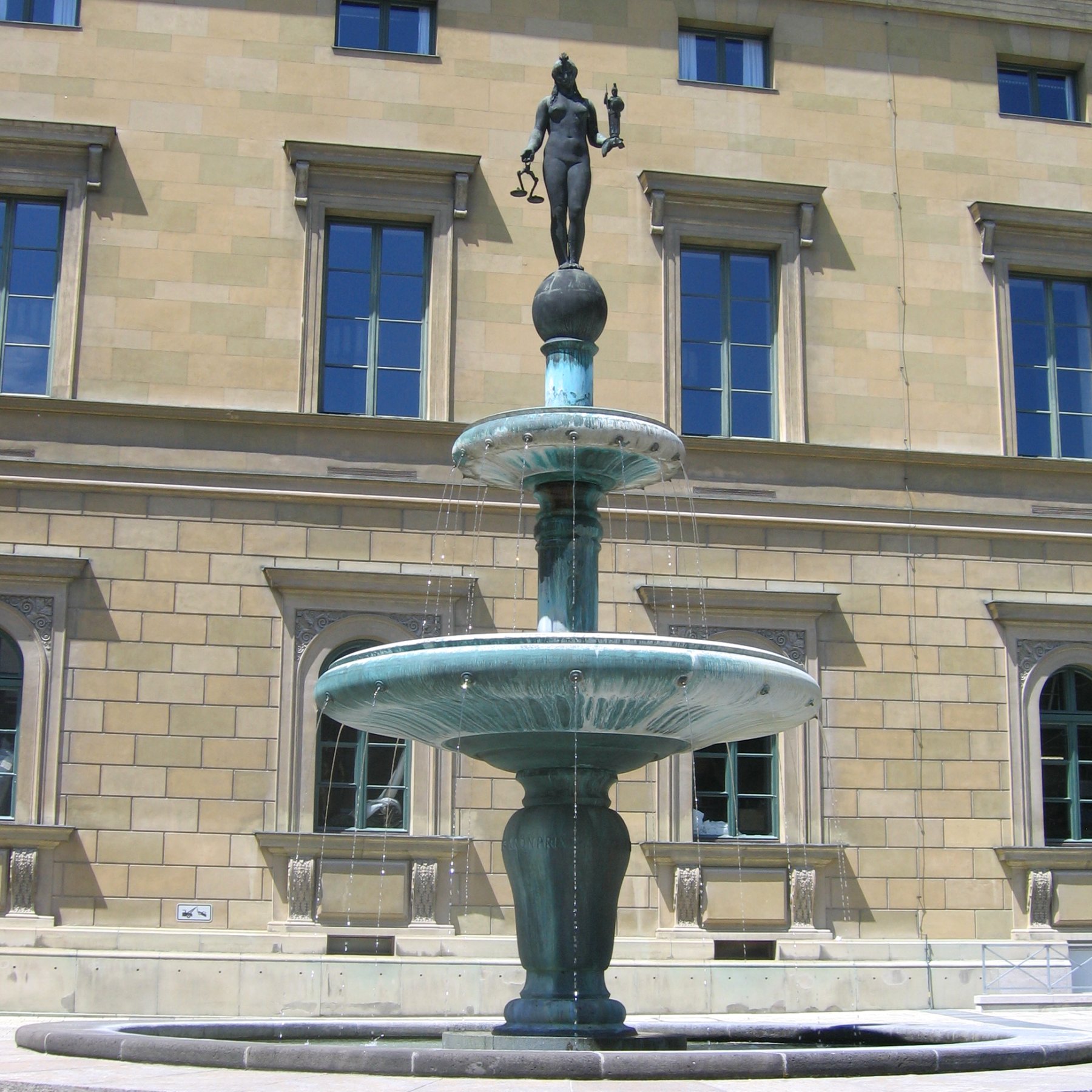
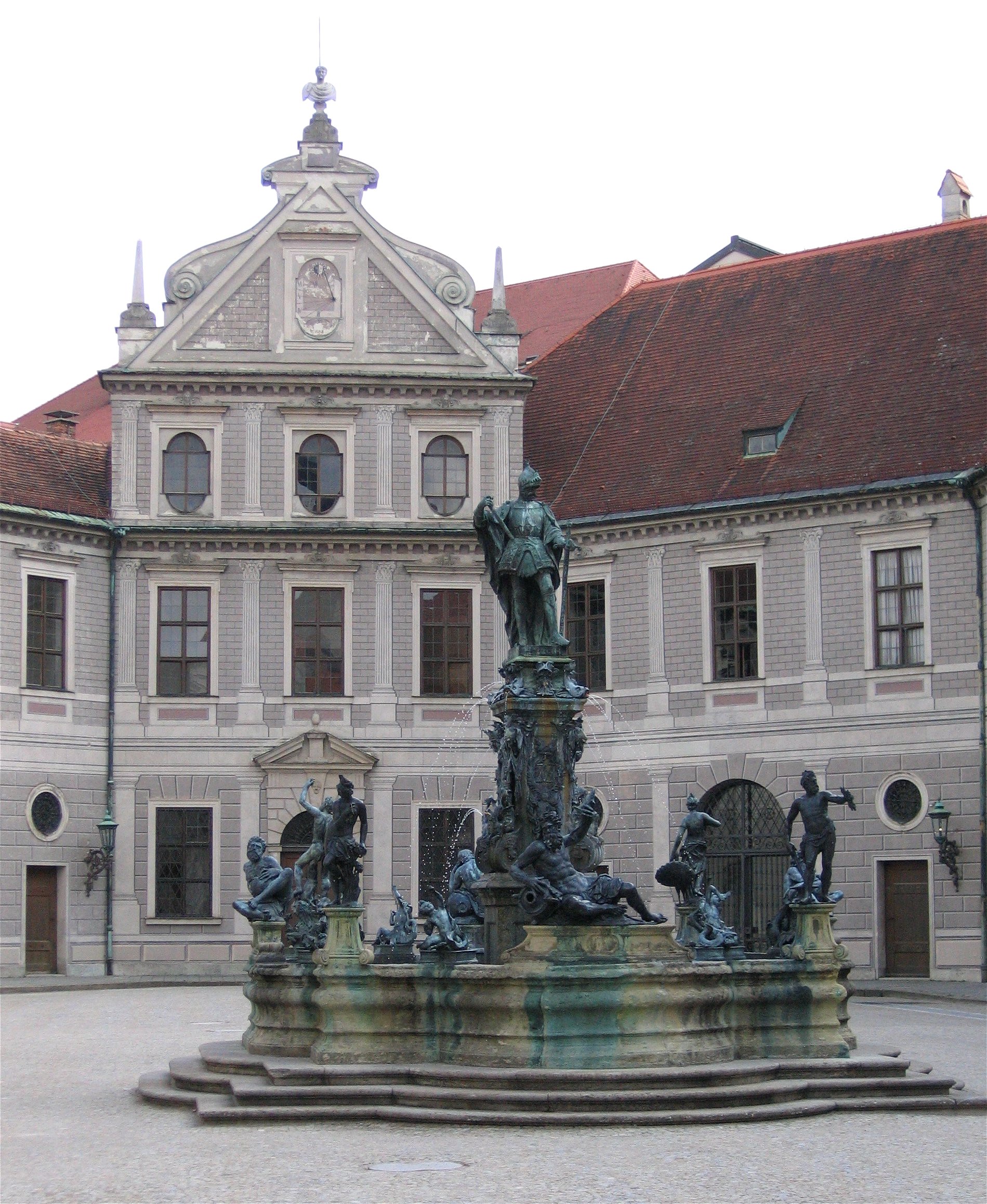
Set against the backdrop of the Residenz’s ornate façades, the fountain showcases classic baroque motifs—curved stonework, sculptural details, and a graceful water display. Although its height and altitude are not documented, the fountain’s proportions harmonize perfectly with the surrounding courtyard, creating a balanced visual rhythm that draws the eye upward toward the palace’s towering windows.
Why It Matters
In a city where grand monuments dominate the skyline, the Wittelsbacherbrunnen offers an intimate glimpse into the everyday life of the Bavarian court. It served not only as a decorative element but also as a functional source of water for the palace’s residents. Today, it stands as a living reminder of Munich’s royal past, making it a must‑see for anyone interested in Bavarian history, German fountains, or cultural heritage sites.
3. How to Get There
By Public Transport
- U-Bahn: Take lines U3 or U6 to Marienplatz. From there, it’s a 5‑minute walk north toward the Residenz.
- S-Bahn: Disembark at Hauptbahnhof (Munich Central Station). The Residenz is a 10‑minute walk east through the city center.
By Foot
If you’re staying in the Altstadt (Old Town), the Wittelsbacherbrunnen is within easy walking distance from major hotels and attractions. Follow the signs to the Munich Residenz; the fountain sits in the inner courtyard, just off Residenzstraße.
By Bike or E‑Scooter
Munich’s extensive bike lanes make cycling a pleasant option. There are several public bike‑share stations near Odeonsplatz and Marienplatz. Park your bike at a nearby rack and enjoy a short stroll to the fountain.
GPS Coordinates
- Latitude: 48.140800
- Longitude: 11.579143
Enter these coordinates into any navigation app for pinpoint accuracy.
4. Best Time to Visit
Spring & Early Summer (April – June)
The courtyard surrounding the Wittelsbacherbrunnen bursts with blooming flowers, and the weather is comfortably mild—ideal for leisurely walks and photo sessions.
Late Summer Evenings (July – August)
During the warm evenings, the fountain’s water reflects the soft glow of nearby lanterns, creating a romantic atmosphere perfect for a quiet moment after a day of sightseeing.
Autumn (September – October)
The golden hues of the surrounding trees provide a stunning contrast to the stone of the fountain, making for dramatic, low‑light photography.
Winter (November – March)
While the fountain may be less active during the colder months, the Residenz’s interior remains open, and the courtyard’s stillness offers a peaceful, contemplative experience.
5. What to Expect
When you step into the Residenz courtyard, the Wittelsbacherbrunnen greets you with a gentle cascade of water that murmurs against the stone basin. The sound is soothing, providing a natural soundtrack that drowns out the city’s hustle.
- Visual Delight: The fountain’s baroque detailing—fluted columns, ornamental bas-reliefs, and a central sculptural element—creates a focal point that draws visitors’ eyes upward.
- Photographic Opportunities: Position yourself at the edge of the courtyard for a wide‑angle shot that captures both the fountain and the towering Residenz façade. For close‑ups, focus on the water’s movement and the intricate stonework.
- Quiet Ambience: Unlike the crowded Marienplatz, the Wittelsbacherbrunnen offers a more intimate setting. You’ll often find locals reading a newspaper or tourists simply pausing to enjoy the serenity.
6. Nearby Attractions
The Wittelsbacherbrunnen is conveniently located among several other points of interest—most of them within a 0.1 km radius. While the exact names of the surrounding fountains are not listed, you can easily explore the following attractions, all within a short walk:
| Attraction | Distance | Description |
|---|---|---|
| Munich Residenz Museum | 0 km | The former royal palace, now a museum showcasing art, décor, and history of the Wittelsbachs. |
| Court Church (St. Johann) – Theatinerkirche | 0 km | A stunning baroque church with a striking orange façade. |
| Alte Hof | 0 km | The historic “Old Court” that predates the Residenz, offering insight into early Bavarian governance. |
| Fünf Höfe | 0.1 km | A modern shopping and cultural complex blending contemporary design with historic architecture. |
| Hofgarten | 0.1 km | A beautiful garden courtyard perfect for a leisurely stroll or a picnic. |
Each of these sites is just a few steps away, allowing you to weave a full day of cultural exploration around the fountain’s central location.
7. Travel Tips
| Tip | Details |
|---|---|
| Buy a combined ticket | The Munich Residenz offers a combined ticket that includes entry to the palace museums and the Cuvilliés Theatre. This gives you extra time to appreciate the surrounding architecture. |
| Visit early in the morning | Arriving right after opening (usually 9 am) helps you avoid crowds and enjoy the fountain’s peaceful atmosphere. |
| Wear comfortable shoes | The cobblestone streets around the Residenz can be uneven, especially after rain. |
| Check the weather | The fountain’s water flow may be reduced during very cold weather; a quick glance at the Residenz’s official website can confirm operating hours. |
| Respect the site | As a historic monument, the fountain area is protected. Avoid climbing on the stonework and keep noise levels low. |
| Capture the moment | For the best photos, use a polarizing filter to reduce glare on the water and bring a wide‑angle lens to capture the courtyard’s grandeur. |
| Combine with a food break | The nearby Viktualienmarkt offers fresh Bavarian snacks—grab a pretzel or a Leberkäs sandwich and enjoy it on a bench near the fountain. |
| Language tip | While most staff speak English, a friendly “Guten Tag” (good day) goes a long way with locals. |
Final Thoughts
The Wittelsbacherbrunnen may not appear on every travel brochure, but it embodies the quiet elegance that makes Munich a city of layered histories and hidden charms. From its baroque design to its serene water flow, the fountain offers a perfect blend of cultural heritage and relaxation—a spot where you can pause, reflect, and soak in the spirit of Bavaria.
Add this fountain to your Munich itinerary, and you’ll discover a slice of royal history that many tourists overlook. Whether you’re strolling through the Residenz courtyard on a sunny spring day or admiring the soft glow of evening lights in autumn, the Wittelsbacherbrunnen promises an unforgettable moment in the heart of Bavaria.
Happy travels, and may your Munich adventure be as refreshing as the waters of the Wittelsbacherbrunnen!