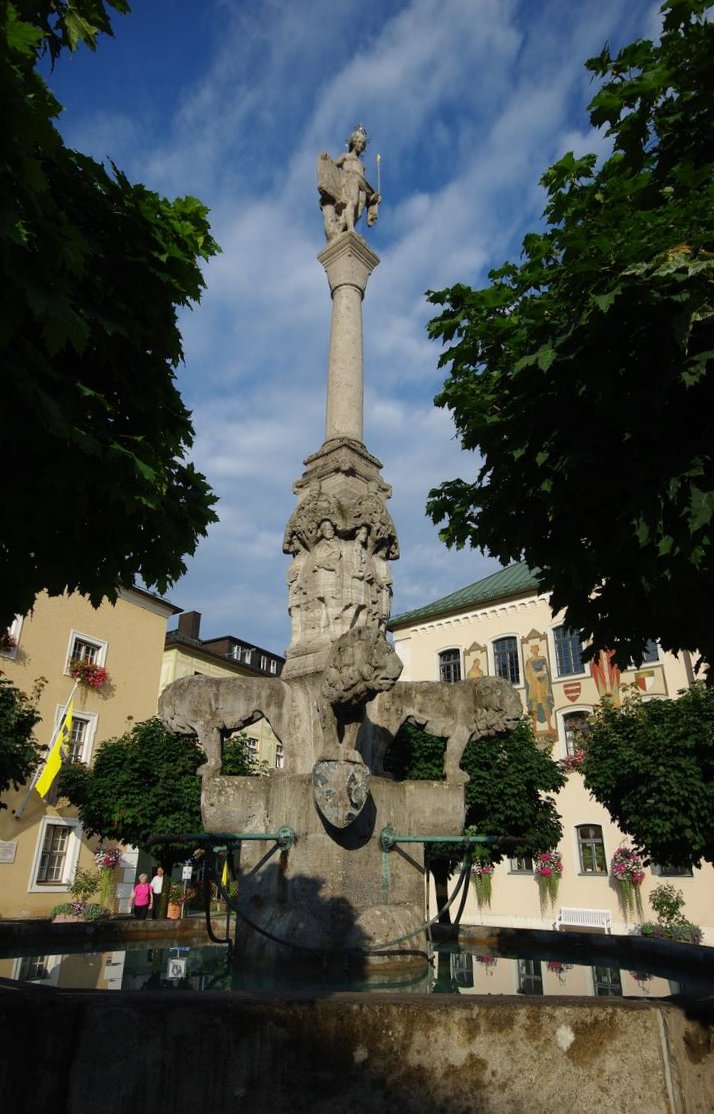
Wittelsbacherbrunnen – The Hidden Jewel of Bad Reichenhall, Bavaria
Discover the charm of a historic Bavarian fountain that whispers stories of royalty, art, and Alpine serenity.
Introduction
If you think Bavaria’s iconic attractions are limited to fairy‑tale castles and alpine ski slopes, think again. Tucked in the heart of Bad Reichenhall—a spa town famed for its salt‑laden air and picturesque streets—lies the Wittelsbacherbrunnen, a modest yet captivating fountain that invites travelers to pause, sip the cool water, and soak up a slice of Bavarian heritage. Whether you’re wandering the town’s historic promenade or seeking a quiet spot for a photo break, this fountain offers a perfect blend of history, architecture, and local ambiance.
About Wittelsbacherbrunnen
A Brief Description
The Wittelsbacherbrunnen (Wittelsbach Fountain) stands at the intersection of tradition and elegance. Though its exact height and altitude remain undocumented, the fountain’s design reflects the classic Baroque influences that once dominated Bavarian public art. Crafted from stone and adorned with ornamental motifs, the basin collects crystal‑clear water that bubbles gently, creating a soothing soundtrack for passersby.
Historical Roots
Named after the illustrious Wittelsbach dynasty—Bavaria’s ruling family for over seven centuries—the fountain was erected as a tribute to the region’s royal lineage. While specific construction dates are scarce, the monument aligns with the 19th‑century wave of civic beautification projects that celebrated local pride and the growing popularity of public fountains as gathering places.
Cultural Significance
Beyond its aesthetic appeal, the Wittelsbacherbrunnen serves as a living reminder of Bad Reichenhall’s connection to water. The town’s reputation as a spa destination stems from its saline springs, and fountains like this one echo the therapeutic relationship the community has maintained with water for generations. Today, locals and tourists alike gather around the fountain to enjoy a moment of respite, making it a subtle yet vital thread in the town’s social fabric.
How to Get There
By Train
Bad Reichenhall is conveniently linked to the German rail network. The Bad Reichenhall Hauptbahnhof receives regular Regionalbahn (RB) services from Munich, Salzburg, and Berchtesgaden. From the station, the Wittelsbacherbrunnen is a short, 10‑minute walk—head east on Bahnhofstraße, turn onto Königstraße, and you’ll spot the fountain near the town’s historic center.
By Car
If you prefer driving, the town sits just off the A8 Autobahn (Munich–Salzburg corridor). Take the Bad Reichenhall exit, follow the signs toward the city center, and park in one of the public parking garages (e.g., Parkhaus Altstadt). From there, the fountain is a brief stroll through the pedestrian‑friendly streets.
By Bus
Local bus line B1 connects the train station, the main market square, and surrounding neighborhoods. The stop “Stadtplatz” places you within a two‑minute walk of the Wittelsbacherbrunnen.
Walking & Cycling
Bad Reichenhall’s compact layout makes it ideal for exploring on foot or by bike. The town’s bike‑share program offers rentals near the market square, allowing you to glide along the scenic streets and arrive at the fountain effortlessly.
Best Time to Visit
| Season | Why Visit | Tips |
|---|---|---|
| Spring (April‑May) | Blossoming alpine flora and mild temperatures create a fresh backdrop for photos. | Bring a light jacket; the fountain’s mist can feel cool. |
| Summer (June‑August) | Long daylight hours let you linger at the fountain well into the evening, when the town’s lights twinkle. | Arrive early to avoid midday crowds, especially on weekends. |
| Autumn (September‑October) | Golden leaves and crisp air add a romantic mood; the water’s sound feels especially comforting. | Pack a warm scarf; evenings can be chilly. |
| Winter (November‑March) | A dusting of snow transforms the fountain into a serene winter tableau—perfect for quiet contemplation. | Dress in layers; the stone can be slippery when icy. |
Overall, late spring to early autumn offers the most pleasant weather for an outdoor visit, but the fountain’s charm endures year‑round.
What to Expect
Approaching the Wittelsbacherbrunnen, you’ll first notice the rhythmic splash of water—a subtle invitation to pause. The fountain’s stone basin reflects the surrounding architecture, mirroring the pastel façades of nearby buildings. Benches line the perimeter, providing a spot to sit, sip a coffee from a nearby café, and watch locals feed the pigeons.
During peak tourist season, street musicians often set up nearby, adding a melodic soundtrack to the gentle flow of water. In the evenings, soft illumination highlights the fountain’s details, creating a romantic ambiance that photographers adore.
Because Bad Reichenhall is a spa town, the air carries a faint mineral scent, enhancing the sensory experience. You may also notice informational plaques that briefly explain the fountain’s history—perfect for a quick cultural lesson while you relax.
Nearby Attractions
While the Wittelsbacherbrunnen is a highlight in itself, its central location makes it a perfect launchpad for exploring other nearby sights—most of which are within a 0.2 km radius:
- Kriegerdenkmal (War Memorial) – A short 0.1 km walk brings you to this solemn monument honoring local soldiers.
- St. Rupertusbrunnen – Another historic fountain just 0.1 km away, featuring intricate stonework and a tranquil atmosphere.
- [Unnamed Fountain 1] – Located 0.1 km from the Wittelsbacherbrunnen, this hidden gem offers a quiet spot for reflection.
- [Unnamed Fountain 2] – A charming water feature 0.2 km away, perfect for a brief detour.
Tip: Use a map app to plot these points; they form a pleasant walking loop that showcases Bad Reichenhall’s rich public‑space heritage.
Travel Tips
- Bring a Reusable Water Bottle – The fountain’s water is clean and safe to drink, a refreshing alternative to bottled water.
- Check Local Events – Bad Reichenhall hosts seasonal festivals (e.g., Salzfest in August). The fountain area often becomes a focal point for celebrations.
- Mind the Weather – In winter, the stone can become slippery; wear sturdy shoes with good grip.
- Respect the Space – As a historic landmark, avoid climbing on the fountain or leaving litter.
- Combine with a Spa Day – After admiring the fountain, unwind at one of Bad Reichenhall’s renowned salt‑spa facilities for the ultimate wellness experience.
- Photography – Early morning or golden hour (just before sunset) provides the best natural lighting for capturing the fountain’s details.
- Language – While German is the primary language, most locals in tourist areas speak English; a friendly “Guten Tag” goes a long way.
Final Thoughts
The Wittelsbacherbrunnen may not boast the towering grandeur of Munich’s famous fountains, but its understated elegance, historical resonance, and central location make it a must‑see for anyone traveling through Bavaria. Whether you’re a history buff, a photography enthusiast, or simply a traveler craving a moment of calm amid bustling streets, this fountain offers a genuine slice of Bavarian life—one splash at a time.
Plan your visit, wander the surrounding streets, and let the gentle flow of the Wittelsbacherbrunnen guide you into the heart of Bad Reichenhall.
Happy travels!
Keywords: Wittelsbacherbrunnen, Bad Reichenhall fountain, Bavaria travel guide, things to do Bad Reichenhall, Bavarian fountains, Wittelsbach dynasty, spa town Bavaria, Bad Reichenhall attractions, visiting Wittelsbacherbrunnen.