Willibaldsbrunnen – Eichstätt’s Hidden Fountain Gem in the Heart of Bavaria
If you’re wandering the historic streets of Eichstätt, a quick glance at the stone‑cobbled squares will reveal a modest yet captivating water feature that locals cherish and visitors often overlook: the Willibaldsbrunnen. This charming fountain, tucked away in the town’s historic centre, offers a perfect snapshot of Bavarian craftsmanship, a moment of tranquility, and a great photo‑op for any travel diary.
1. Introduction
Imagine strolling through a medieval Bavarian town, the scent of fresh pretzels drifting from a nearby bakery, the soft murmur of a river echoing in the distance, and suddenly you hear the gentle splash of water. You turn a corner and discover the Willibaldsbrunnen, a stone fountain that has been quietly quenching the thirst of locals for generations.
While Eichstätt is famed for its baroque cathedral, the Willibaldsbrunnen adds a subtle, water‑kissed layer to the town’s cultural tapestry. Whether you’re a history buff, a photography enthusiast, or simply looking for a peaceful spot to pause on a sunny afternoon, this fountain deserves a spot on your Bavarian itinerary.
2. About Willibaldsbrunnen
Location & Coordinates
- Town: Eichstätt, Bavaria, Germany
- Coordinates: 48.893566 N, 11.183938 E
The Willibaldsbrunnen sits in the historic core of Eichstätt, a town perched on the banks of the Altmühl River. Though its exact height and altitude are not documented, the fountain’s modest stone basin and elegant spout reflect the typical design of Bavarian municipal fountains dating back to the 17th–19th centuries.
Historical Context
The fountain takes its name from Willibald, a name that resonates throughout the region’s ecclesiastical history (Saint Willibald was an early missionary bishop associated with the area). While detailed records of the fountain’s construction are scarce, its presence on the town’s map since the early 1900s suggests it served both practical and ornamental purposes—providing fresh water for townspeople and enhancing the aesthetic charm of the marketplace.
Cultural Significance
In many Bavarian towns, fountains act as communal gathering points, and the Willibaldsbrunnen is no exception. Locals often meet here before heading to the weekly market, children splash their hands during summer heatwaves, and tourists pause to soak in the ambiance. Its stonework, weathered by centuries of rain and sunshine, tells a silent story of Eichstätt’s evolving urban life.
3. How to Get There
By Train
The nearest major railway hub is Eichstätt Hauptbahnhof, served by regional DB (Deutsche Bahn) lines from Munich, Ingolstadt, and Nuremberg. From the station, the fountain is a pleasant 10‑minute walk: head southeast on Bahnhofstraße, turn left onto Hauptstraße, and you’ll soon spot the Willibaldsbrunnen near the town square.
By Car
If you’re driving, plug the coordinates 48.893566, 11.183938 into your GPS. Parking options include:
| Parking Area | Approx. Distance to Fountain | Notes |
|---|---|---|
| Stadtpark Parking | 300 m | Free, close to the historic centre |
| P+R Eichstätt | 1.2 km | Ideal for longer stays; shuttle bus runs every 30 min |
| Street Parking | Various spots on Hauptstraße | Pay‑and‑display meters (Monday‑Saturday, 8 am‑6 pm) |
By Bus
Local bus line EIB‑3 (Eichstätt City Loop) stops at Marktplatz, a stone’s throw from the fountain. Buses run every 15 minutes on weekdays and every 30 minutes on weekends.
By Bike or Foot
Eichstätt is a bike‑friendly town with dedicated lanes along the Altmühl. The fountain is easily reachable via the scenic Altmühlradweg trail, which passes close to the historic centre.
4. Best Time to Visit
| Season | Why It Works |
|---|---|
| Spring (April‑June) | Blossoming linden trees frame the square, and the water flow is at its freshest after winter rains. |
| Summer (July‑August) | Longer daylight hours let you linger longer; the fountain’s cool mist offers relief from the warm Bavarian sun. |
| Autumn (September‑October) | Golden foliage creates a postcard‑perfect backdrop; fewer tourists mean a more intimate experience. |
| Winter (November‑March) | While the fountain may be partially frozen, the surrounding historic buildings look magical under a dusting of snow. |
Tip: The fountain is most photogenic in the early morning or late afternoon when the sun casts a soft, golden hue on the stone.
5. What to Expect
Visual & Sensory Experience
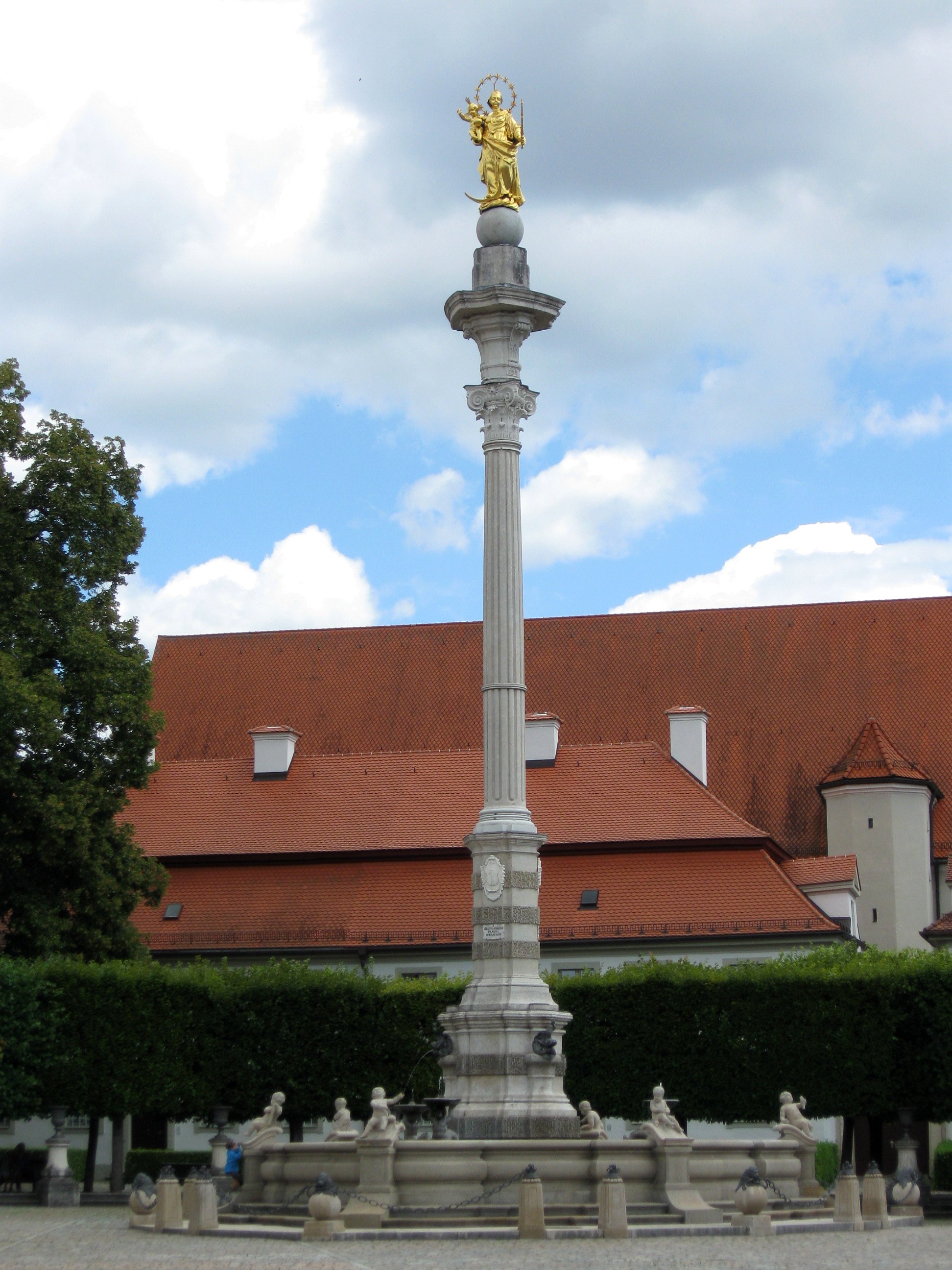
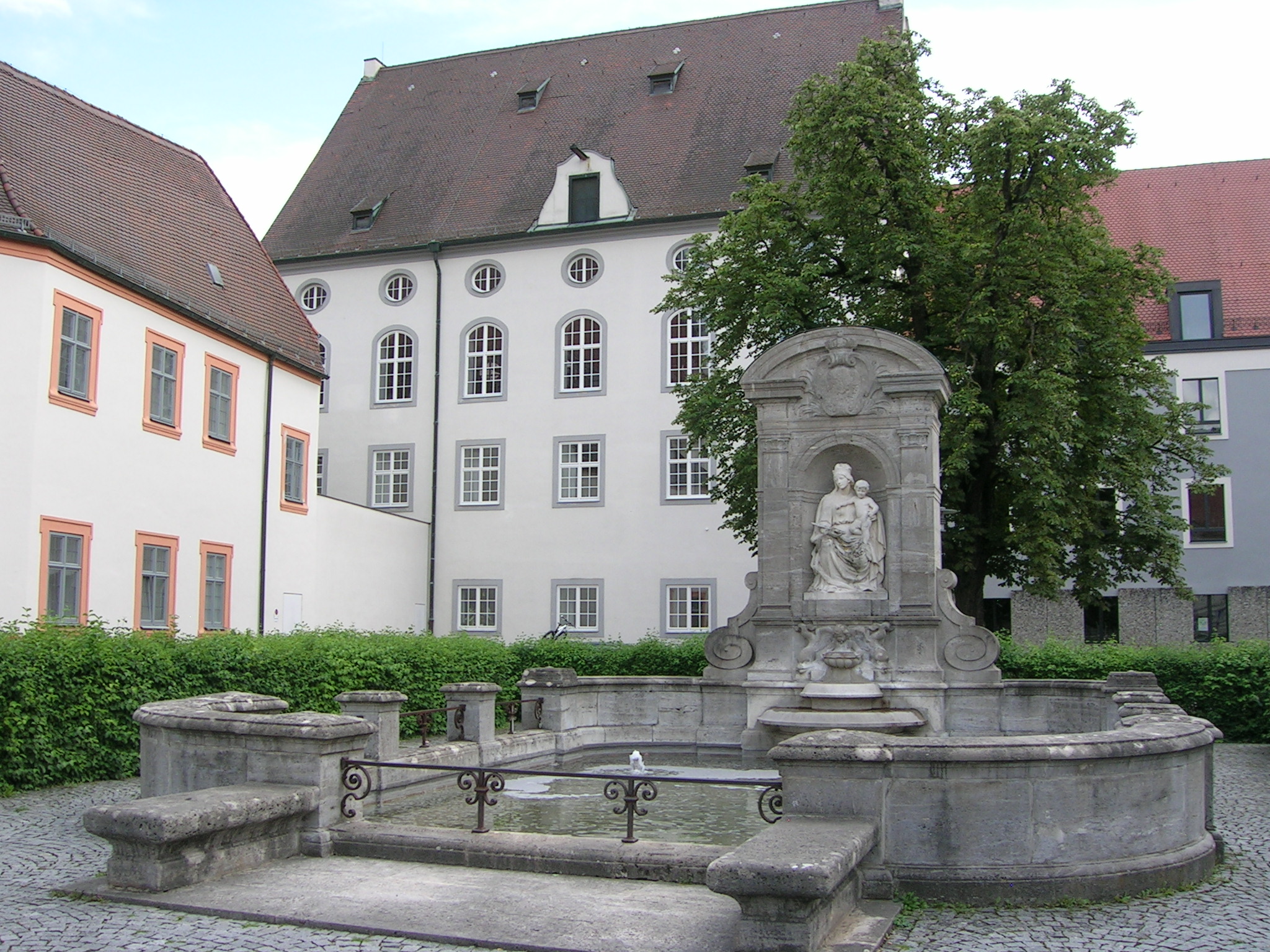
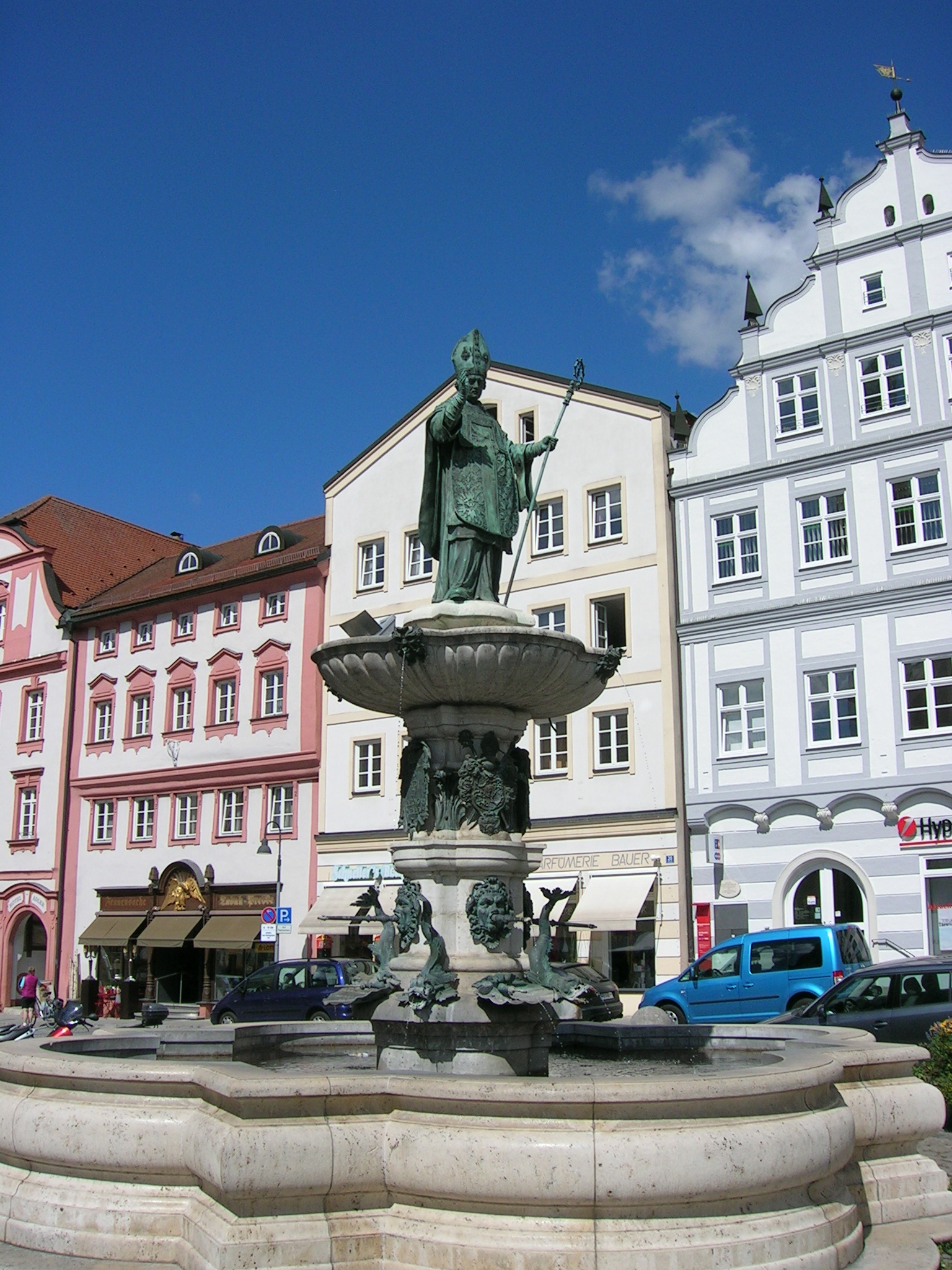
Approaching the Willibaldsbrunnen, you’ll notice a simple yet elegant stone basin, topped by a modest spout that releases a steady, soothing stream. The water’s gentle murmur blends with the distant chime of church bells from the nearby Eichstätt Cathedral, creating a serene soundscape.
Photographic Highlights
- Close‑up Details: Capture the intricate carving on the fountain’s rim—often overlooked but full of historic texture.
- Wide‑Angle Views: Position yourself across the square to include surrounding timber‑framed houses, the bustling market stalls, and the fountain in one frame.
- Night Shots: The square is softly illuminated after sunset, and the fountain’s water reflects the amber streetlights—a perfect low‑light photography opportunity.
Interaction
Feel free to dip your fingers into the cool water (especially on hot days) or simply sit on the nearby bench and watch locals go about their day. The fountain is a living piece of the town’s daily rhythm, so respectful curiosity is always welcomed.
6. Nearby Attractions
While you’re in the vicinity of the Willibaldsbrunnen, make the most of your walk by checking out these nearby points of interest—most of them are charming Bavarian fountains and historic sites within a 0.3 km radius.
| Attraction | Distance | Description | Link |
|---|---|---|---|
| Unnamed Fountain #1 | 0.1 km | A small decorative fountain tucked behind a historic shop. | View on Google Maps |
| Unnamed Fountain #2 | 0.2 km | Features a bronze statue of a local legend. | View on Google Maps |
| Unnamed Fountain #3 | 0.2 km | Known for its ornate ironwork and seasonal flower displays. | View on Google Maps |
| Unnamed Fountain #4 | 0.3 km | A modern water feature contrasting the town’s historic vibe. | View on Google Maps |
| Marienbrunnen | 0.3 km | A historic Marian fountain with a small chapel nearby. | Marienbrunnen (Wikipedia) |
Bonus Spot: Just a short stroll away is the Altmühl River promenade, ideal for a leisurely riverside walk or a picnic on the grassy banks.
7. Travel Tips
| Tip | Details |
|---|---|
| Bring a Reusable Water Bottle | The fountain’s water is safe to drink, so you can refill on the go and stay eco‑friendly. |
| Wear Comfortable Shoes | The historic centre’s cobblestones can be uneven; sturdy walking shoes make exploration easier. |
| Check Local Event Calendars | Eichstätt hosts seasonal markets, concerts, and festivals that often use the square around the fountain as a venue. |
| Currency | While most shops accept cards, small stalls may prefer cash (Euro). Keep a few coins handy for vending machines or street vendors. |
| Language | German is the primary language, but most locals in tourist areas speak basic English. A friendly “Guten Tag” goes a long way! |
| Photography Etiquette | Avoid using flash when shooting inside nearby churches; respect private moments of locals gathering at the fountain. |
| Safety | The water flow is gentle, but keep an eye on children near the basin. In winter, the stone can become slippery. |
| Connectivity | Free Wi‑Fi is available at the Eichstätt Tourist Office (just a 2‑minute walk from the fountain). |
Final Thought
The Willibaldsbrunnen may not boast the grandeur of a palace or the height of a mountain, but its quiet charm captures the essence of Bavarian town life—where history, community, and nature flow together. Next time you find yourself in Eichstätt, let this humble fountain be your guide to a slower, more reflective travel experience.
Happy exploring, and may the gentle splash of the Willibaldsbrunnen inspire many memorable moments on your Bavarian adventure!