Tritonbrunnen – Nuremberg’s Hidden Fountain Gem in the Heart of Bavaria
If you think Nuremberg’s charm ends at its medieval castle walls, think again. Tucked away amid bustling streets and historic squares lies the Tritonbrunnen, a graceful fountain that whispers stories of myth, art, and Bavarian craftsmanship. Whether you’re a seasoned traveler, a photography enthusiast, or simply wandering the streets of Bavaria, this fountain deserves a spot on your itinerary.
About Tritonbrunnen
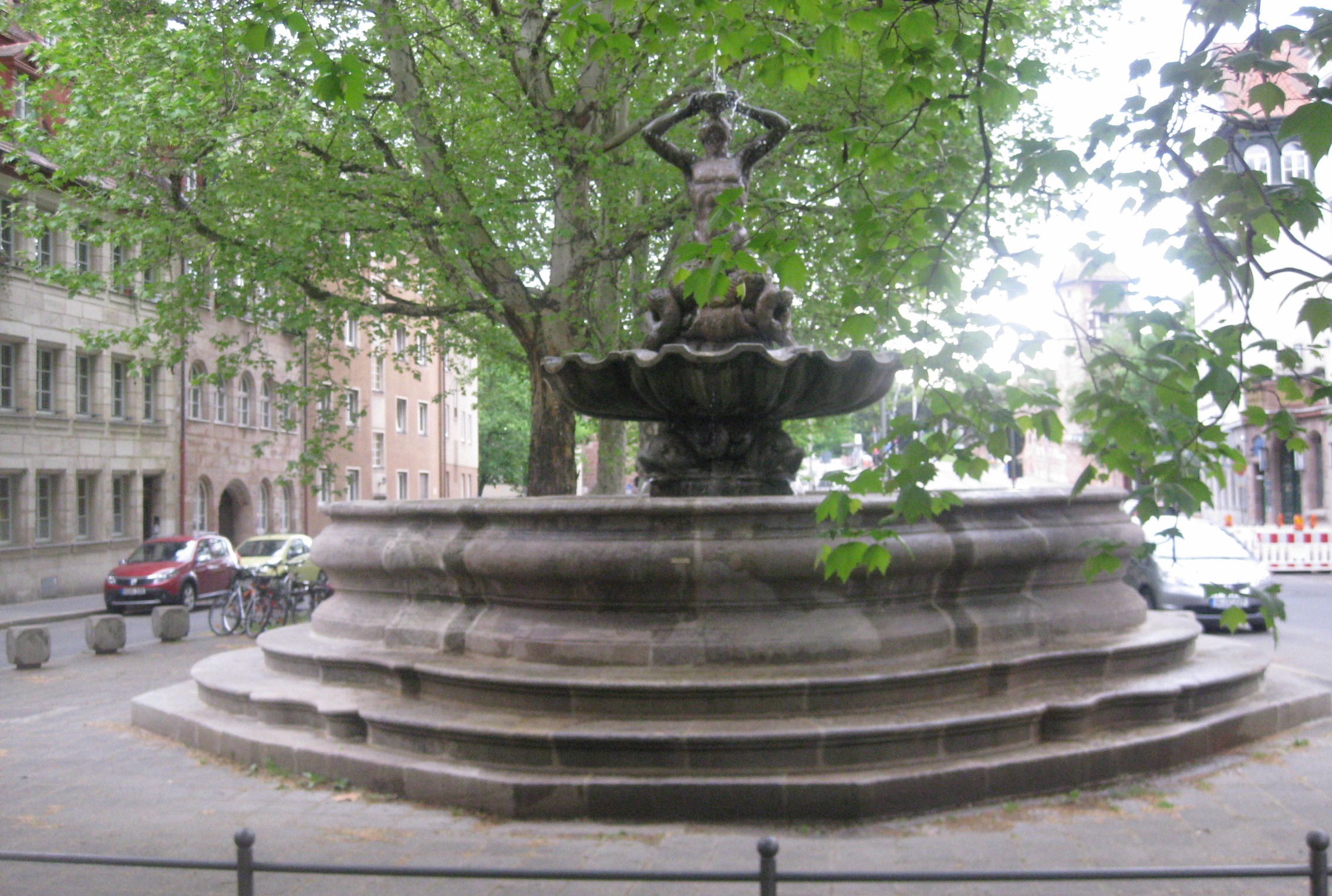
The Tritonbrunnen (German for “Triton Fountain”) is a striking water feature situated in the vibrant city of Nürnberg, Bavaria, Germany. Located at the coordinates 49.454431, 11.072428, the fountain takes its name from the Greek sea god Triton, traditionally depicted blowing a conch shell. While the exact height of the sculpture remains undocumented, the fountain’s elegant lines and the gentle cascade of water create a serene oasis amid the city’s historic bustle.
A Brief History
The Tritonbrunnen is part of Nuremberg’s rich tradition of public fountains that date back to the Renaissance, when city authorities commissioned waterworks both for practical use and as symbols of civic pride. Although specific archival records about the fountain’s construction date are scarce, its style reflects the 19th‑century penchant for mythological motifs that adorned many European urban spaces.
Cultural Significance
In Bavarian culture, fountains are more than decorative pieces; they are gathering points, meeting places, and living artworks that connect residents and visitors to the city’s past. The Tritonbrunnen, with its mythic reference, adds a touch of classical elegance to Nuremberg’s urban landscape, inviting passersby to pause, reflect, and snap a photo. Its presence also complements a cluster of nearby fountains, turning the area into a “fountain trail” that showcases the city’s dedication to public art.
For a deeper dive into the fountain’s background, the German‑language Wikipedia entry offers additional context: Tritonbrunnen (Nürnberg).
How to Get There
By Air
The nearest major airport is Nuremberg Airport (NUE), just 7 km north of the city centre. From the airport, you can catch the U2 subway line (direction “Rothenburger Straße”) and alight at Plärrer or St. Lorenz—both stations are a short 5‑minute walk to the Tritonbrunnen.
By Train
Nuremberg’s central railway station (Nürnberg Hauptbahnhof) is a hub for ICE, regional, and international trains. From the station, the U2 or U3 subway lines will bring you within a 10‑minute walk of the fountain. Alternatively, hop on any city bus heading toward the Altstadt (Old Town) and disembark at stops such as “Königstraße” or “Lorenzkirche.”
By Car
If you’re driving, plug the coordinates 49.454431, 11.072428 into your GPS. Street parking in the Altstadt can be limited, but there are several P‑Parkhäuser (underground garages) nearby, including the Parkhaus Am Hof and Parkhaus Hauptbahnhof. From either garage, it’s a pleasant 5‑minute stroll through cobblestone lanes to the fountain.
By Foot or Bicycle
Nuremberg is a walk‑friendly city, and the Tritonbrunnen sits within the historic core, making it easily reachable on foot from most major attractions. The city’s bike‑share program (nextbike) also offers docking stations close to the fountain, allowing you to pedal your way through scenic streets.
Best Time to Visit
Spring (April – June)
When the city awakens with blossoming chestnut trees and the air carries a fresh, floral scent, the Tritonbrunnen’s water glistens under soft sunlight—perfect for early‑morning photography.
Summer (July – August)
Long daylight hours mean you can enjoy the fountain’s cool mist even during the warmest part of the day. The surrounding cafés spill onto the sidewalks, creating a lively atmosphere ideal for people‑watching.
Autumn (September – October)
Golden leaves frame the fountain, offering a romantic backdrop for evening strolls. The temperature is comfortable, and the crowds thin out after the summer peak.
Winter (November – March)
While the fountain may be turned off during the coldest months, the surrounding historic architecture is illuminated with festive lights, especially around Christmas markets. A quick stop to admire the stonework still makes for a memorable winter vignette.
What to Expect
Arriving at the Tritonbrunnen, you’ll first notice the gentle sound of water cascading over stone—an auditory cue that instantly calms the urban hum. The fountain’s design showcases a central figure reminiscent of Triton, possibly holding a conch shell, surrounded by ornamental basins that collect the flowing water.
Because the fountain is situated in a pedestrian‑friendly zone, you’ll often see locals lounging on nearby benches, street musicians performing, and tourists snapping photos. The area is well‑maintained, with clean pathways and subtle lighting that highlights the water’s sparkle after dusk.
If you’re a photography lover, experiment with different angles: a low‑angle shot captures the water’s spray against the night sky, while a wide‑angle view includes the surrounding historic facades, creating a sense of place.
Nearby Attractions
The Tritonbrunnen sits amid a constellation of historic fountains and waterworks, making it an excellent starting point for a “fountain hopping” tour. Below are the top nearby sites, each within a comfortable walking distance of 0.1–0.2 km:
| Attraction | Distance | Type | Quick Note |
|---|---|---|---|
| Dürer‑Pirckheimer‑Brunnen | 0.1 km | Fountain | Celebrates Nuremberg’s famous artist Albrecht Dürer and humanist Willibald Pirckheimer. |
| Nägeleinswehr | 0.1 km | Weir | A small historic weir that once regulated water flow for the city’s early mills. |
| Geiersbrunnen | 0.1 km | Fountain | Features a striking eagle motif, perfect for symbolic photos. |
| Gockelreiterbrunnen | 0.1 km | Fountain | Known for its rooster‑rider sculpture, a quirky local favorite. |
| Hieserleinbrunnen | 0.2 km | Fountain | A lesser‑known gem with intricate stonework, ideal for quiet contemplation. |
All of these attractions are linked to their respective Wikipedia pages (or local tourism sites) for further reading, allowing you to plan a self‑guided walking route that showcases Nuremberg’s dedication to public art.
Travel Tips
-
Combine with a City Walk – Pair your visit to the Tritonbrunnen with a stroll along the Königstraße shopping boulevard or the Lorenzkirche (St. Lorenz Church) for a full taste of Nuremberg’s historic core.
-
Check Fountain Schedules – While the Tritonbrunnen typically runs year‑round, seasonal maintenance may pause water flow. Look for on‑site signage or ask at the nearby tourist information desk for the latest schedule.
-
Bring a Small Umbrella – A sudden summer rain can create a magical, mist‑filled scene around the fountain—great for atmospheric photos.
-
Stay Hydrated – If you’re exploring on foot during the summer heat, carry a reusable water bottle. Many cafés near the fountain offer refill stations.
-
Respect the Space – The area is a popular gathering spot for locals. Keep noise levels moderate, especially in the evenings, and avoid stepping onto any decorative stonework.
-
Use a Local Guide App – Apps like Nuremberg City Guide provide audio tours that include the Tritonbrunnen and its neighboring fountains, enriching your experience with historical anecdotes.
-
Timing for Photography – Early morning (around 7 am) offers soft natural light and fewer crowds; golden hour (just before sunset) adds warm tones that enhance the water’s sparkle.
Final Thoughts
The Tritonbrunnen may not headline every travel brochure, but its quiet elegance, mythic allure, and central location make it a must‑see for anyone exploring Nuremberg, Bavaria, or the broader tapestry of German public art. By weaving this fountain into your itinerary—alongside nearby historic waterworks, charming cafés, and iconic landmarks—you’ll discover a side of Nuremberg that feels both timeless and refreshingly intimate.
Pack your camera, lace up comfortable shoes, and let the gentle murmur of the Tritonbrunnen guide you through one of Bavaria’s most enchanting urban experiences. Safe travels!