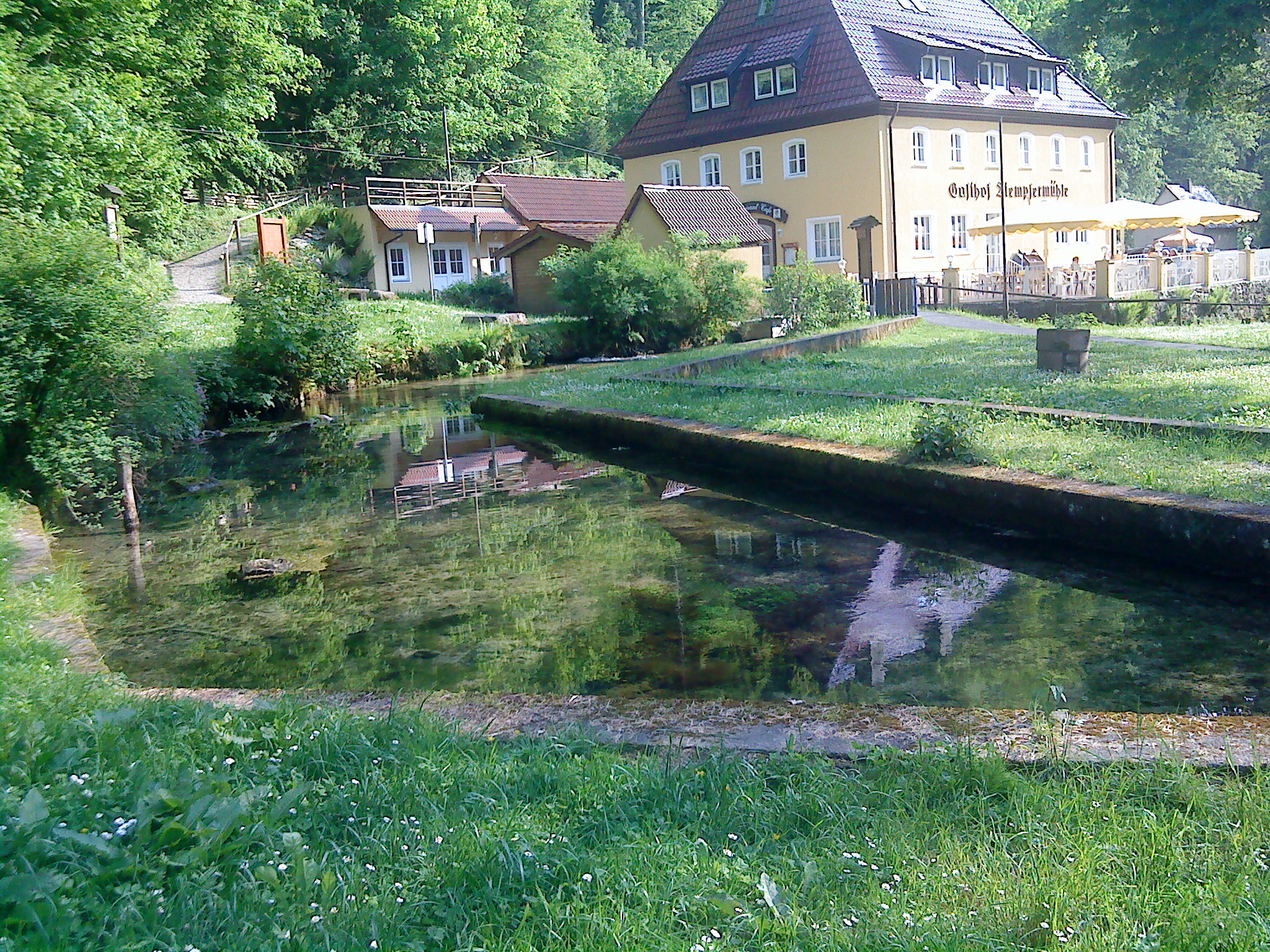
Discover the Hidden Gem of Bavaria: Stempfermühltopf Spring
If you think Bavaria is only about castles, beer gardens, and Alpine peaks, think again. Nestled in the quiet village of Gossweinstein lies Stempfermühltopf, a crystal‑clear spring that whispers the stories of centuries past. This off‑the‑beaten‑path oasis invites nature lovers, history buffs, and curious travelers to pause, sip, and soak in the serene Bavarian countryside.
1. Introduction
Imagine stepping off a winding forest trail and being greeted by the gentle murmur of water bubbling from a natural spring. The air smells faintly of moss and wildflowers, and the surrounding hills roll like a green quilt. That’s the experience awaiting you at Stempfermühltopf, a modest yet enchanting spring in the heart of Bavaria, Germany.
While the name may be a mouthful, the charm is simple: pristine water, lush surroundings, and a slice of authentic Bavarian life far from the tourist crowds. Whether you’re on a road‑trip through southern Germany or a dedicated hiking adventure, Stempfermühltopf makes a perfect stop for refreshment, photography, and a moment of quiet contemplation.
2. About Stempfermühltopf
What Is It?
- Type: Natural spring (💧)
- Location: Gossweinstein, Bavaria, Germany
- Coordinates: 49.770797 N, 11.330836 E
- Wikipedia: Stempfermühlquelle (German)
Stempfermühltopf is part of the larger Stempfermühlquelle system, a network of underground water sources that surface in the Upper Palatinate region. The spring’s water emerges from a small stone basin—hence the suffix ‑topf (German for “pot”)—creating a natural “water pot” that has fed locals for generations.
A Brief Historical Glimpse
The spring’s exact origins are lost to time, but historical records indicate that it has been a vital water source for the village of Gossweinstein since at least the Middle Ages. Old farmsteads and mills were built nearby, using the spring’s steady flow to power small weirs and water wheels. Though the area has modernized, the spring remains a living reminder of the region’s agrarian heritage.
Why It Matters
- Ecological value: The spring supports a micro‑habitat of mosses, amphibians, and insects that thrive in clean, flowing water.
- Cultural significance: Local folklore tells of the spring as a place of good luck for travelers who pause to drink its water.
- Scenic appeal: Surrounded by mixed forest and gently rolling fields, the spring offers a picture‑perfect backdrop for photographers and Instagram enthusiasts.
3. How to Get There
By Air
The nearest major airport is Munich International Airport (MUC), about 150 km (≈ 2 hours by car) south of Gossweinstein. From Munich, you can rent a car or hop on a regional train to Regensburg.
By Train
- Regensburg Hauptbahnhof is the closest major railway hub, offering frequent ICE and regional connections from Munich, Nuremberg, and Berlin.
- From Regensburg, take a regional bus (Line 923) or a short taxi ride (≈ 15 km) to the village of Gossweinstein.
By Car
Driving is the most flexible option:
- From Munich: Take the A9 north toward Nuremberg, then exit onto the B15 toward Regensburg. Follow signs for Gossweinstein (approximately 120 km).
- From Nuremberg: Head north on the A9, then switch to the B15 eastbound. The journey is roughly 110 km.
Parking is available in a small lot just off the local road leading to the spring. The site is pedestrian‑only beyond the parking area, preserving the natural setting.
Walking & Cycling
If you’re already exploring the Upper Palatinate trail network, the spring is reachable via a marked forest path (approx. 2 km from the Gossweinstein village center). Bicyclists can follow the regional bike route “Regensburg‑Weiden” and take a short detour onto a quiet country lane.
4. Best Time to Visit
| Season | What to Expect | Why It’s Ideal |
|---|---|---|
| Spring (April‑May) | Fresh green foliage, blooming wildflowers, and the spring’s flow at its strongest. | Perfect for photography and gentle hikes. |
| Summer (June‑August) | Warm days, longer daylight, and occasional picnics by the water. | Ideal for families; bring sunscreen and water. |
| Autumn (September‑October) | Golden leaf colors, crisp air, and fewer visitors. | A tranquil setting for nature meditation. |
| Winter (November‑March) | Snow‑capped surroundings, quiet atmosphere; the spring may partially freeze. | Great for serene winter walks—just wear sturdy boots. |
Tip: The spring’s water level can fluctuate after heavy rain, making the nearby rapids more lively. For the most vibrant experience, aim for late spring or early autumn when the weather is mild and the forest is alive with color.
5. What to Expect
The Sensory Experience
- Sight: A clear, bubbling pool framed by smooth stones and moss‑covered boulders. The surrounding forest offers dappled sunlight that creates sparkling reflections on the water’s surface.
- Sound: A gentle, continuous gurgle that masks distant traffic—a natural white‑noise soundtrack for relaxation.
- Touch: The water is cool (typically 8‑12 °C) and refreshing—perfect for a quick hand‑dip or a brief splash if the weather permits.
- Smell: Earthy pine and fresh herbaceous notes, especially after a light rain.
Amenities
The site is intentionally low‑impact. There are no commercial facilities, but you’ll find:
- A small wooden bench near the spring for resting.
- A trash‑receptacle to keep the area pristine.
- Informational signage in German (and occasionally English) describing the spring’s geology and local folklore.
Photographic Highlights
- Close‑up shots of water droplets clinging to moss.
- Wide‑angle panoramas of the spring framed by the forest canopy.
- Seasonal contrasts: vibrant green in spring, fiery reds in autumn, snowy whites in winter.
6. Nearby Attractions
While Stempfermühltopf is the star of the show, the surrounding countryside offers several points of interest within a short walk:
| Attraction | Distance | What to See |
|---|---|---|
| Rapid (Bach) – Natural Watercourse | 0 km (right at the spring) | A lively stretch of water that adds a dynamic soundscape. |
| Weir #1 | 0.1 km | A historic stone weir that once powered a small mill. |
| Fountain (Gemeindebrunnen) | 0.4 km | A charming village fountain, perfect for a quick photo. |
| Weir #2 | 0.9 km | Another historic weir, showcasing traditional Bavarian water management. |
| Weir #3 | 0.9 km | A twin structure to Weir #2, often used by locals for fishing. |
Explore these sites on foot or by bike to get a fuller sense of the region’s relationship with water. Each weir tells a piece of the story of how Bavarian villages harnessed natural springs for everyday life.
7. Travel Tips
- Dress for the Terrain – Sturdy walking shoes or hiking boots are recommended; forest paths can be slippery after rain.
- Pack Light, Pack Right – Bring a small water bottle (the spring water is drinkable, but you may want to refill at home), a snack, and a reusable bag for any litter you collect.
- Respect the Environment – Stay on marked trails, avoid stepping on delicate moss, and never leave waste behind.
- Timing is Everything – Arrive early in the morning during peak seasons (summer weekends) to enjoy the spring in near‑solitude.
- Photography Gear – A macro lens captures the intricate details of the water droplets, while a wide‑angle lens is perfect for the surrounding forest. A tripod can help in low‑light winter conditions.
- Local Etiquette – If you hear locals speaking German, a simple “Guten Tag” (good day) goes a long way. Many residents are happy to share stories about the spring’s folklore.
- Safety First – The water is cold; avoid prolonged immersion, especially for children. In winter, watch for icy patches on the path.
8. Wrap‑Up: Why Stempfermühltopf Should Be on Your Bavarian Bucket List
Stempfermühltopf may not have the grandeur of Neuschwanstein Castle, but it offers something far more intimate—a genuine encounter with Bavaria’s natural heartbeat. Its crystal‑clear waters, tranquil forest setting, and subtle historical echoes make it a perfect micro‑adventure for any traveler seeking authenticity.
Add this hidden spring to your itinerary, and you’ll discover that sometimes the most unforgettable journeys begin with a single drop of water.
Happy travels, and may the spring’s freshness inspire your next adventure!