Schnepperschützenbrunnen – Nürnberg’s Hidden Fountain Gem
If you think Bavaria’s charm is limited to fairy‑tale castles and alpine vistas, think again. Tucked away in the historic heart of Nürnberg, the Schnepperschützenbrunnen (also known as the Armbrustschützenbrunnen) is a modest yet captivating fountain that whispers stories of medieval cross‑bow contests and the city’s vibrant civic life. Whether you’re a seasoned traveler hunting off‑the‑beaten‑path sights or a curious day‑tripper exploring Nürnberg’s old town, this fountain offers a quiet pause, a splash of history, and a perfect photo opportunity.
About Schnepperschützenbrunnen
A Brief Description
The Schnepperschützenbrunnen stands at the intersection of tradition and artistry. While its exact height and altitude remain undocumented, the fountain’s stone basin and sculpted water jets are unmistakably Bavarian in style. The name translates to “Cross‑bow Shooters’ Fountain,” and a short plaque explains its purpose: “Er erinnert an die Armbrustschützen die dort ihre Wettkämpfe austrugen.” In English: “It commemorates the cross‑bow shooters who once held their competitions here.”
Historical Roots
Dating back to a period when Nürnberg was a bustling hub for medieval tournaments, the fountain was erected to honor the Armbrustschützen—the skilled cross‑bowmen who practiced their craft in the city’s public squares. These contests were more than sport; they were civic celebrations that drew crowds, reinforced guild prestige, and showcased Nürnberg’s strategic importance within the Holy Roman Empire.
Although the exact construction date is not recorded, the fountain’s stonework reflects the Renaissance‑Baroque transition typical of many 16th‑ and 17th‑century public monuments in Bavaria. Its enduring presence underscores Nürnberg’s respect for its martial heritage while providing a tranquil oasis amid the city’s bustling streets.
Cultural Significance
Today, the Schnepperschützenbrunnen serves as a subtle reminder of Nürnberg’s layered past. It is part of a network of historic fountains that pepper the city, each narrating a different chapter of local life—from the Vier‑Jahreszeiten‑Brunnen (Four Seasons Fountain) to the Geiersbrunnen (Vulture Fountain). Together, they form a living museum of public art, water engineering, and communal memory.
How to Get There
| Mode of Transport | Details |
|---|---|
| By Train | Arrive at Nürnberg Hauptbahnhof (main station). From the station, exit onto Bahnhofstraße, then walk east for about 10‑15 minutes (≈1 km) to the fountain’s coordinates 49.455395, 11.068080. |
| U‑Bahn (U2) | Take the U2 line to Plärrer station. The fountain is a 5‑minute walk north, following signs for the historic Altstadt (Old Town). |
| Bus | Lines 36 and 71 stop at Plärrer. Disembark and head toward the pedestrian zone; the fountain sits near the intersection of Königstraße and Hauptmarkt. |
| Car | Parking in Nürnberg’s Altstadt can be challenging. Use the Parkhaus am Hauptmarkt (underground garage) – a 2‑minute walk to the fountain. |
| Bike/ E‑Scooter | Nürnberg’s bike‑share system (NEXTbike) has stations at Plärrer and Hauptmarkt. The route is flat and well‑signposted. |
Pro tip: The fountain is located within a largely pedestrian‑only zone, making it perfect for a leisurely stroll after a coffee at a nearby café.
Best Time to Visit
| Season | Why It Works |
|---|---|
| Spring (April‑May) | Mild temperatures, blossoming trees, and fewer tourists create a serene backdrop for photos. |
| Summer (June‑August) | Longer daylight hours mean you can catch the fountain illuminated by the golden hour. Expect more crowds, especially on weekends. |
| Autumn (September‑October) | The surrounding streets are painted in amber and russet tones, enhancing the historic atmosphere. |
| Winter (November‑March) | While colder, the fountain’s stone takes on a crisp, clean look. If you visit during the Nürnberg Christmas Market, the area buzzes with festive lights and aromas. |
Overall, late spring to early autumn offers the most comfortable weather for exploring on foot, while the holiday season adds a magical festive flair.
What to Expect
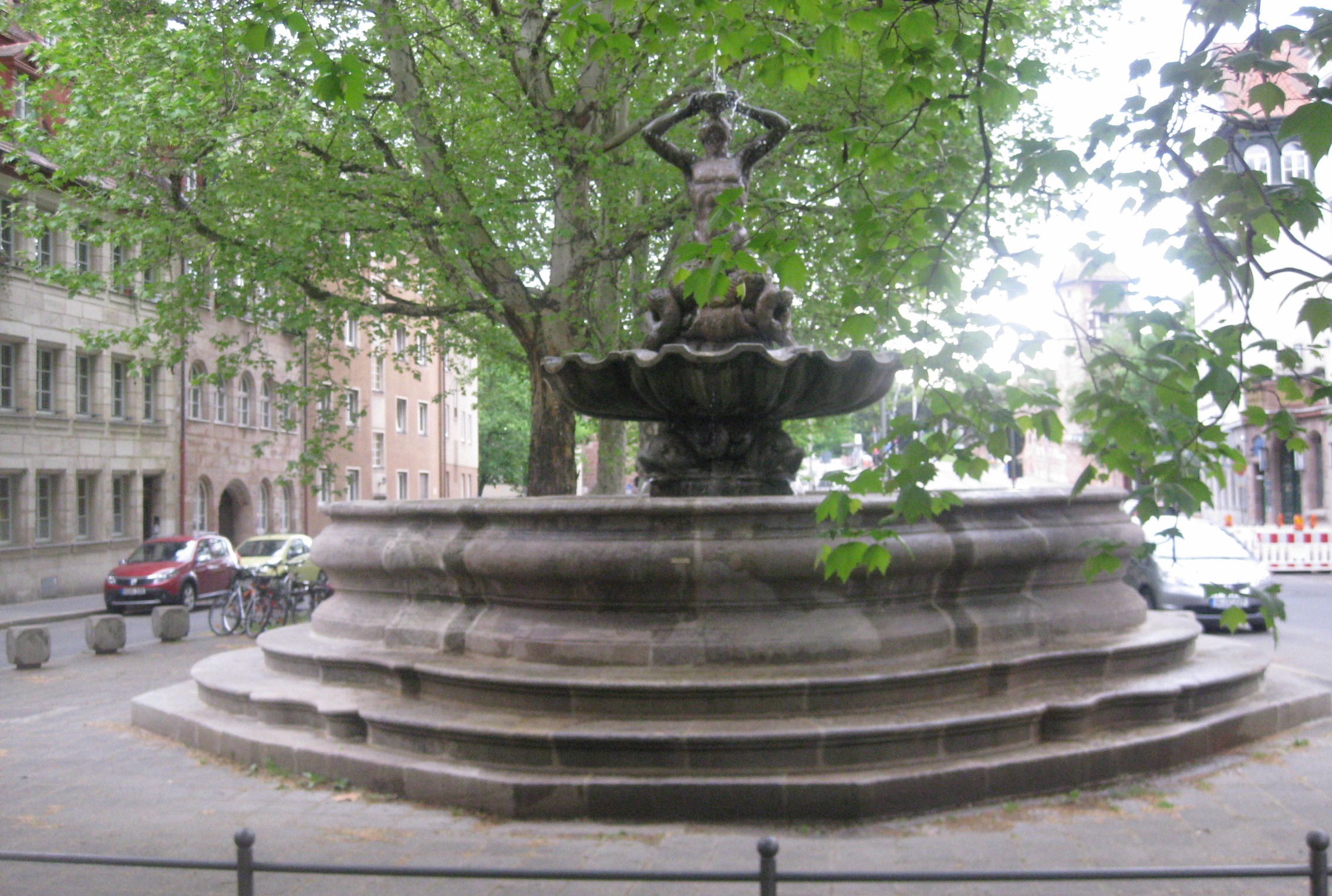
Arriving at the Schnepperschützenbrunnen, you’ll notice a modest stone basin surrounded by low‑lying cobblestones. Water gently arcs from sculpted spouts, creating a soothing murmur that contrasts with the occasional chatter of market stalls nearby. The fountain’s design is simple yet elegant—no towering statues, but a clean, symmetrical layout that invites close inspection.
- Photographic Highlights: Capture the fountain from a low angle to emphasize the water’s motion, or wait for sunrise to bathe the stone in soft pink light.
- Atmosphere: During weekdays, the area feels almost meditative, perfect for a quick coffee break. Weekends bring street performers, locals chatting, and the occasional vendor selling pretzels.
- Accessibility: The surrounding pavement is level, making the site wheelchair‑friendly. Benches are positioned nearby for resting.
Because the fountain is part of a historical walking circuit, you’ll naturally transition from one landmark to another, experiencing layers of Nürnberg’s past without feeling rushed.
Nearby Attractions
Exploring the Schnepperschützenbrunnen is best paired with a short stroll to other nearby gems. All are within a 0.3 km radius, making them ideal for a relaxed half‑day itinerary.
-
Vier‑Jahreszeiten‑Brunnen – Four Seasons Fountain (0.2 km)
A beautifully ornate fountain representing spring, summer, autumn, and winter. Ideal for lovers of symbolic art. -
Geiersbrunnen – Vulture Fountain (0.3 km)
Known for its striking bird motifs, this fountain adds a touch of medieval mythology to the tour. -
Großweidenmühle – Historic Weir (0.3 km)
A preserved water‑mill structure that showcases traditional Bavarian engineering. -
Nägeleinswehr – Historic Weir (0.3 km)
Another charming weir offering insight into the city’s historic water management system. -
Armbrustschützenbrunnen – Wikipedia (German) – For those who love a deeper dive into the fountain’s background.
All these sites are easily reachable on foot, allowing you to weave a narrative of water, craft, and community across Nürnberg’s historic core.
Travel Tips
- Timing: Arrive early (8 am–9 am) on weekdays to enjoy the fountain in relative quiet before the market crowds arrive.
- Footwear: Cobblestones can be slippery when wet. Wear sturdy, comfortable shoes—especially if you plan to explore the surrounding old town.
- Photography: Bring a polarizing filter to reduce glare on the water surface and enhance stone textures.
- Local Snacks: Grab a Nürnberger Rostbratwurst from a nearby stall and enjoy it on a bench overlooking the fountain.
- Currency: While most places accept cards, keep a few euros on hand for small vendors or souvenir stalls.
- Language: German is the primary language, but most tourist staff speak English. A simple “Bitte” (please) and “Danke” (thank you) go a long way.
- Safety: The area is well‑lit at night, but keep an eye on personal belongings, especially during peak tourist seasons.
Final Thought
The Schnepperschützenbrunnen may not dominate guidebooks with towering grandeur, but its quiet charm, historical resonance, and central location make it a must‑see for anyone exploring Nürnberg or the broader Bavaria region. Pair it with nearby fountains, historic weirs, and the bustling market atmosphere, and you’ll discover a slice of Bavarian life that feels both timeless and refreshingly intimate.
Pack your camera, lace up your walking shoes, and let the gentle spray of the Schnepperschützenbrunnen guide you through a story that’s been flowing through Nürnberg for centuries. Happy travels!