Schleierfälle – Bavaria’s Hidden Waterfall Gem
If you’re chasing the sound of rushing water, emerald moss, and the quiet hum of alpine forest, the Schleierfälle in Saul grub, Bavaria, should be at the top of your itinerary. Tucked away in the dramatic Ammer Gorge, this waterfall (or “Schleier” in German, meaning “veil”) offers a pristine slice of nature that feels far removed from the crowds of the more famous Bavarian attractions.
1. Introduction
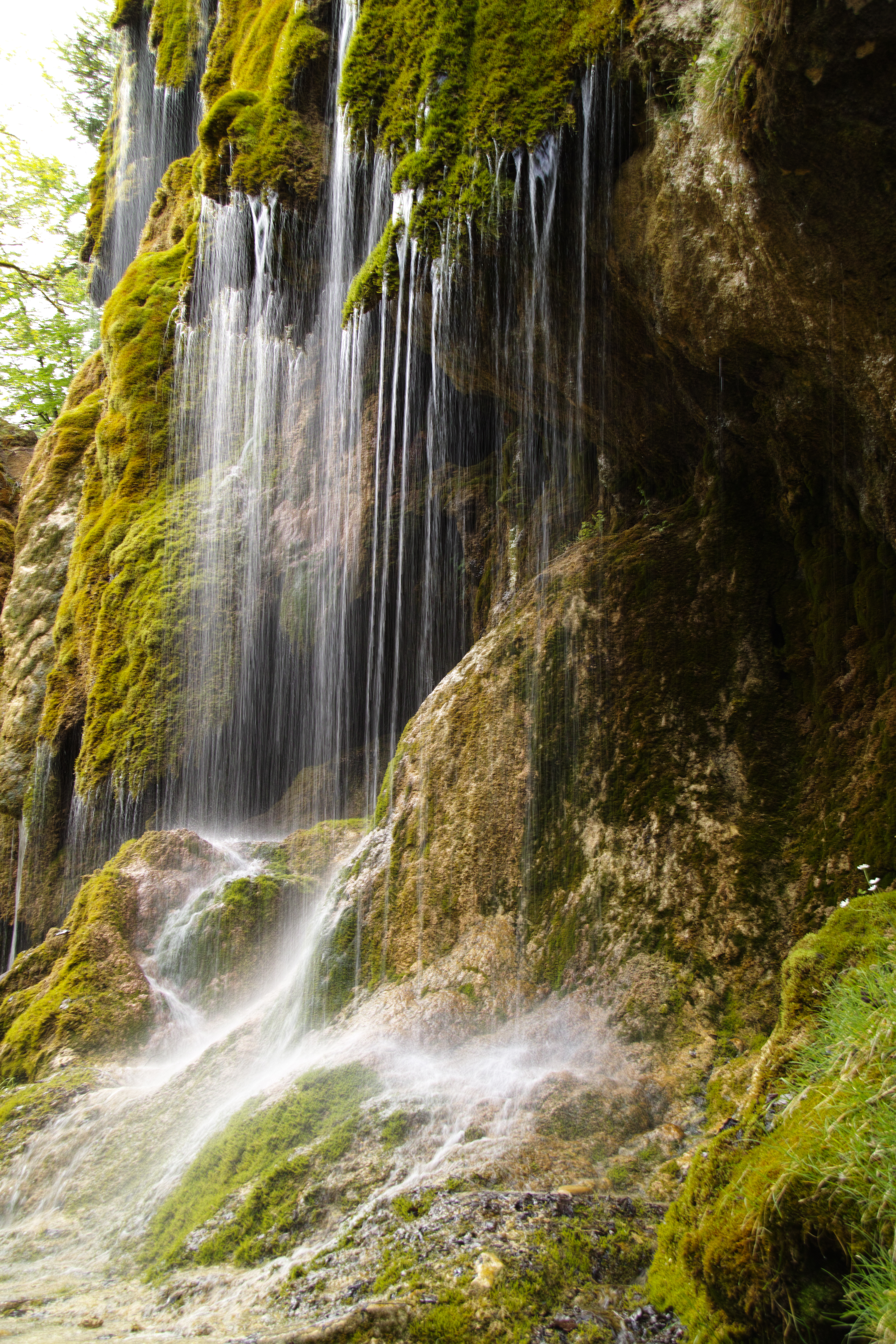
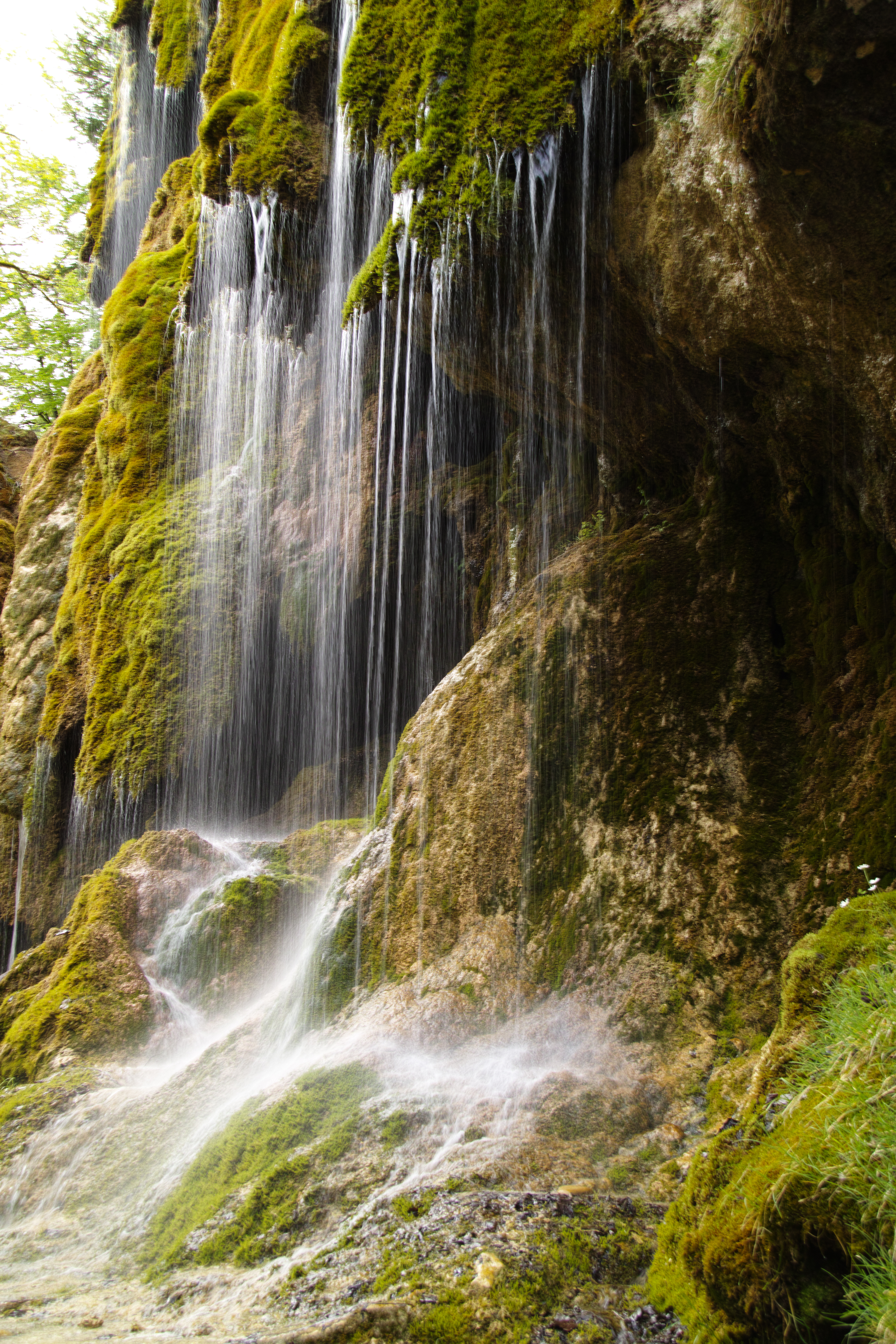
Imagine stepping onto a narrow forest trail, the air fresh with pine and the faint scent of wet stone. A few minutes later, the canopy parts and you’re greeted by a curtain of water tumbling over rugged rock, sparkling in the sunlight like a veil of diamonds. That’s the magic of Schleierfälle, a waterfall that has earned its name from the delicate veil‑like spray it creates.
Located just outside the charming village of Saulgrub in the Bavarian Alps, the Schleierfälle is part of the Ammer Gorge (Ammerschlucht)—a protected natural monument celebrated for its dramatic geology and crystal‑clear streams. Whether you’re an avid hiker, a photography enthusiast, or simply a traveler who loves hidden natural wonders, the Schleierfälle delivers an unforgettable experience that embodies the wild beauty of southern Germany.
2. About Schleierfälle
A Brief Description
The Schleierfälle is a waterfall that cascades down a series of limestone ledges within the Ammer Gorge. While the exact height and altitude of the falls are not officially recorded, the waterfall’s visual impact is unmistakable: a steady, veil‑like sheet of water that creates a fine mist, feeding a series of small pools and rapids downstream. The surrounding forest is a mix of beech, spruce, and fir, providing a lush, shaded environment that changes colors dramatically through the seasons.
Historical and Environmental Significance
The name “Schleier” (veil) reflects the way the water spreads into a fine, translucent sheet as it descends—an effect that has inspired local folklore for centuries. The waterfall lies within a Naturdenkmal (natural monument) designated area, which protects the unique geological formations of the Ammer Gorge and the diverse flora and fauna that thrive there.
The Ammer Gorge itself has been a point of interest for geologists and naturalists since the 19th century, when early explorers documented its steep cliffs, karst formations, and the clear, turquoise waters of the Ammer River. Today, the gorge—including the Schleierfälle—remains a protected zone, ensuring that visitors can enjoy its pristine condition while preserving the delicate ecosystem.
3. How to Get There
By Car
- From Munich: Take the A95 south toward Garmisch‑Partenkirchen, then follow signs for the B2 highway. Exit at Saulgrub (approximately 90 km, 1 hour 30 minutes). Parking is available at the Schleierfälle trailhead (a small, free lot just off the main road).
- From Garmisch‑Partenkirchen: Follow the B2 east for about 15 km; the turn‑off to Saulgrub is clearly marked.
By Public Transport
- Train: Catch a regional train (RB) from Munich Hauptbahnhof to Garmisch‑Partenkirchen (≈ 1 hour 15 minutes).
- Bus: From Garmisch‑Partenkirchen, board the Bus 950 (direction “Saulgrub”) and alight at the Saulgrub, Schleierfälle stop (≈ 20 minutes). The bus stop is a short walk (5 minutes) to the trailhead.
Walking / Hiking
If you’re already exploring the Ammer Gorge, the Schleierfälle is reachable via the Ammerschlucht trail, a well‑marked path that runs parallel to the Ammer River. The trail is suitable for most fitness levels, though expect some uneven ground and occasional steep sections.
4. Best Time to Visit
| Season | What to Expect | Why It’s Ideal |
|---|---|---|
| Spring (April‑May) | Snowmelt swells the Ammer River, creating a powerful, misty cascade. Wildflowers begin to bloom along the trail. | The waterfall is at its most dramatic, and the forest is fresh and fragrant. |
| Summer (June‑August) | Warm weather makes for comfortable hiking; the water is cooler, perfect for a quick splash. | Longer daylight hours allow for extended exploration of nearby attractions. |
| Autumn (September‑October) | Brilliant foliage colors (gold, orange, red) frame the falls. Water flow steadies. | Photographers love the contrast of the golden leaves against the blue water. |
| Winter (November‑March) | The gorge can be icy; the falls may partially freeze, creating a striking icy veil. | For adventurous souls, a snowy landscape offers a magical, less‑crowded experience. |
Tip: The peak water flow typically occurs in late spring (April–May) when snow from the surrounding peaks melts. If you love the roar of a strong waterfall, plan your visit during this window. For calmer, clearer pools ideal for photography, late summer or early autumn is perfect.
5. What to Expect
The Trail Experience
The hike to the Schleierfälle starts at a modest elevation and follows a well‑maintained forest path marked with the standard yellow “A” sign for Alpine routes. The trail is about 2 km round‑trip, with an elevation gain of roughly 150 m, making it accessible for most day‑trippers.
- First 500 m: A gentle walk through mixed woodland, with occasional informational boards about the local geology.
- Mid‑section: The path narrows as it approaches the gorge; you’ll hear the distant rumble of water long before you see it.
- Final stretch: A short, stepped descent leads you to a viewing platform that overlooks the Schleierfälle. From here, you can hear the full roar of the waterfall and feel the fine mist on your face.
Sensory Highlights
- Sound: The continuous, soothing rush of water creates a natural soundtrack that drowns out city noise.
- Sight: Sunlight filtering through the canopy creates a shimmering effect on the water, especially in early morning or late afternoon.
- Touch: The mist from the falls lightly cools the air—a welcome respite on warm summer days.
- Smell: The forest air is rich with pine, moss, and the earthy aroma of wet stone.
Photography
The Schleierfälle offers multiple photo opportunities:
- Wide‑angle shots of the waterfall framed by the gorge walls.
- Close‑ups of the veil‑like spray against a dark rock face.
- Long exposures to capture the silky motion of water (bring a tripod).
For the best light, aim for early morning or late afternoon when the sun is low, creating soft shadows and vibrant colors.
6. Nearby Attractions
While the Schleierfälle is the star, the surrounding area is packed with natural wonders that can easily fill a full day of exploration. Below are the most convenient spots, all within a short walk or bike ride:
| Attraction | Distance from Schleierfälle | What to See |
|---|---|---|
| Naturdenkmal “Schleierfälle” (spring) | 0 km (right at the waterfall) | The protected spring that feeds the falls—perfect for a quick pause and a photo. |
| Unnamed Spring | 0.1 km | A small, crystal‑clear spring bubbling from the limestone—ideal for nature lovers. |
| Ammer Gorge (Ammerschlucht) – Scheibum Waterfall | 0.6 km | A secondary cascade deeper in the gorge, offering a more secluded waterfall experience. |
| Naturstufe (rapids) | 0.9 km | A series of rapid water steps that create a lively, frothy flow—great for listening to the water’s chatter. |
| Scheibum Rapids | 1.1 km | Another set of energetic rapids, perfect for a short hike and a picnic by the water. |
All of these points are reachable via the same well‑marked trail that leads to the Schleierfälle, so you can combine them into a single, rewarding loop.
7. Travel Tips
| Tip | Details |
|---|---|
| Footwear | Wear sturdy, waterproof hiking shoes with good grip. The trail can be slippery near the water. |
| Clothing | Layered clothing works best. Even in summer, the mist can make the air feel cool. |
| Timing | Arrive early (before 10 am) during peak season to avoid the small crowd that gathers later in the day. |
| Safety | Stay on marked paths. The rocks near the waterfall are wet and can be slick. |
| Leave No Trace | Pack out all trash. The area is a protected natural monument, so respect the flora and fauna. |
| Food & Drink | Bring a reusable water bottle and snacks. There are no shops directly at the trailhead. |
| Photography Gear | A small tripod and a polarizing filter can help manage glare from the water. |
| Dog Friendly | Leashed dogs are allowed, but keep them away from the water’s edge to prevent accidents. |
| Weather Check | Alpine weather can change quickly. Check the forecast before heading out, especially in spring when thunderstorms are common. |
| Public Transport Tickets | If you’re using the bus from Garmisch‑Partenkirchen, consider a BayernTicket for unlimited regional travel on a day. |
Final Thoughts
The Schleierfälle may not have the fame of the famous Neuschwanstein Castle or the bustling streets of Munich, but its quiet, unspoiled charm makes it a true treasure for anyone seeking authentic Bavarian nature. From the gentle veil of water to the surrounding forest’s ever‑changing palette, this waterfall invites you to slow down, breathe, and let the rhythm of the Ammer River set the pace of your day.
Pack your hiking boots, charge your camera, and head to Saulgrub—Bavaria’s hidden waterfall is waiting to reveal its veil to you.
Keywords: Schleierfälle, waterfall Bavaria, Saulgrub waterfall, Ammer Gorge, Ammerschlucht, Bavaria hiking, German waterfalls, nature travel Germany, Bavarian Alps attractions, natural monument Bavaria.