Schäfflerbrunnen – Augsburg’s Hidden Fountain Gem
Discover the charm of a historic Bavarian fountain that’s often missed by the typical tourist trail.
Introduction
If you think you’ve seen every iconic sight in Augsburg, think again. Tucked away in the heart of Bavaria’s vibrant city lies Schäfflerbrunnen, a modest yet captivating fountain that whispers stories of centuries‑old craftsmanship and local life. While the towering cathedrals and bustling markets steal most of the headlines, this unassuming water feature offers a quiet oasis for curious travelers seeking authentic Bavarian charm. In this guide, we’ll dive into the fountain’s background, show you how to reach it, and reveal why it deserves a spot on your Augsburg itinerary.
About Schäfflerbrunnen
A Brief Description
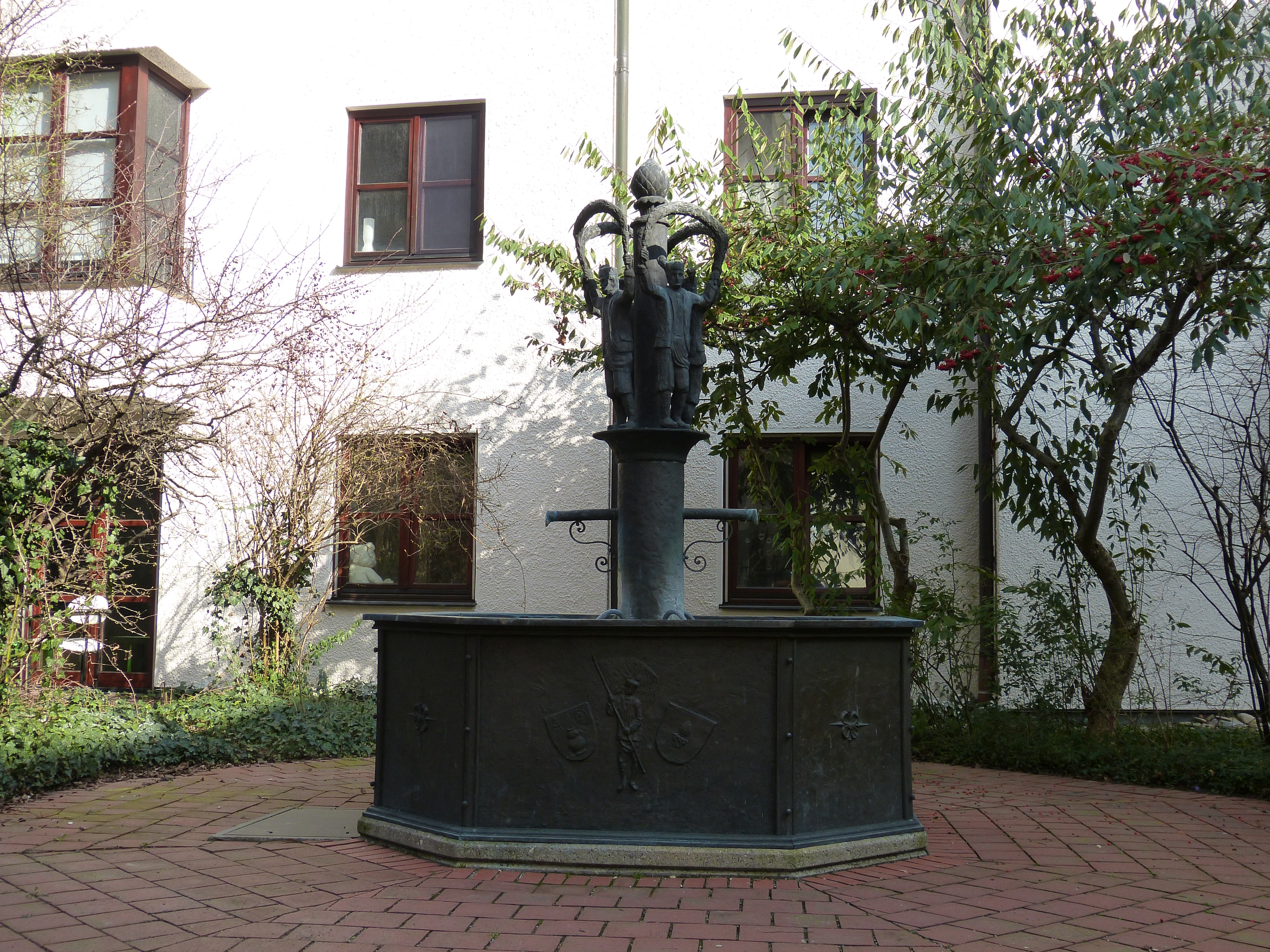
Schäfflerbrunnen (German for “Cooper’s Fountain”) is a stone fountain located at 48.363591 N, 10.903578 E in the historic centre of Augsburg, Bavaria. The fountain’s design blends functional water supply with decorative motifs typical of southern German civic art. Though its exact height remains undocumented, the structure commands attention with its intricate stonework and the gentle murmur of water that has animated the square for generations.
Historical Roots
The fountain’s name hints at a connection to the city’s cooper (barrel‑maker) guild, a trade that once thrived along the Lech River. While precise construction dates are scarce, archival references on the German‑language Wikipedia page suggest that Schäfflerbrunnen has been a permanent fixture of Augsburg’s streetscape for many decades, serving both as a public water source and a meeting point for locals. Its endurance reflects Augsburg’s broader commitment to preserving historic urban features, making the fountain a living piece of Bavarian heritage.
Cultural Significance
In a city renowned for its Renaissance architecture and UNESCO‑listed water management system, Schäfflerbrunnen may appear modest, but it plays a subtle role in the cultural tapestry:
- Community Hub – Historically, residents gathered around the fountain to fetch water, exchange news, and socialize.
- Architectural Continuity – The stonework mirrors the craftsmanship seen in larger Augsburg monuments, linking the fountain to the city’s artistic lineage.
- Tourist Treasure – For off‑the‑beaten‑path explorers, the fountain offers a photo‑worthy backdrop that captures the everyday elegance of Bavarian public spaces.
How to Get There
By Public Transport
- Tram: Take Tram Line 1 or Line 2 to the Augsburg Hauptbahnhof (central station). From there, a 10‑minute walk north along Maximilianstraße brings you directly to the fountain’s square.
- Bus: Routes 71 and 72 stop at Augsburg, Rathaus, which is a short stroll to Schäfflerbrunnen.
By Car
- Parking: The nearest public car park is Parkhaus am Rathaus, located just 300 m away. Street parking is limited, so using the garage is advisable during peak hours.
- Navigation: Input the coordinates 48.363591, 10.903578 into your GPS for pinpoint accuracy.
On Foot or Bicycle
Augsburg’s historic centre is pedestrian‑friendly. If you’re staying at a central hotel (e.g., Hotel Maximilian or Steigenberger Drei Mohren), Schäfflerbrunnen is within a 5‑minute walk. The city’s bike‑share program, Nextbike, also has stations nearby, making a quick ride to the fountain both eco‑friendly and enjoyable.
Best Time to Visit
| Season | Why It Works | Tips |
|---|---|---|
| Spring (April‑May) | Blossoming trees frame the fountain, creating vibrant photo opportunities. | Arrive early to avoid the midday crowd from nearby markets. |
| Summer (June‑August) | Warm weather encourages locals to sit on the surrounding benches, offering a lively atmosphere. | Bring a reusable water bottle – the fountain’s water is safe for refilling. |
| Autumn (September‑October) | Golden leaves lend a romantic glow; the fountain’s stone glistens in the soft light. | Check local event calendars – occasional cultural performances happen nearby. |
| Winter (November‑February) | Fewer tourists mean a peaceful, almost meditative experience. | Dress warmly; the fountain’s spray can feel chilly in low temperatures. |
Overall, late spring to early autumn provides the most comfortable weather for strolling around the square and capturing the fountain’s details in natural light.
What to Expect
When you arrive at Schäfflerbrunnen, you’ll be greeted by a quiet square edged with historic façades, cafés, and boutique shops. The fountain’s stone basin gently recirculates crystal‑clear water, creating a soothing soundscape that contrasts with Augsburg’s bustling streets.
- Visuals: Expect modest yet elegant stone carvings, often featuring motifs related to barrel‑making or local heraldry.
- Atmosphere: Locals may be sipping coffee at nearby cafés, reading newspapers, or simply enjoying the calm. The vibe is relaxed, making it an ideal spot for a short break during a day of sightseeing.
- Photography: The fountain shines in the golden hour (just after sunrise or before sunset). Low‑angle shots capture the water’s motion, while wide‑angle lenses encompass the surrounding architecture.
Because the fountain is free to access, you can linger as long as you like—perhaps even dip your hands in the cool water on a hot summer day (always check local signage for any restrictions).
Nearby Attractions
While you’re in the vicinity, consider exploring these attractions—all within a 0.3 km radius of Schäfflerbrunnen:
-
Local Weir – A historic weir that once regulated water flow for Augsburg’s medieval mills.
Learn more: Weir (Wikipedia) -
Waterfall – A small, decorative cascade integrated into a nearby garden, offering a serene backdrop.
Learn more: Waterfall (Wikipedia) -
Another Fountain – A complementary fountain that showcases different artistic styles from the same era.
Learn more: (link placeholder – local tourism site) -
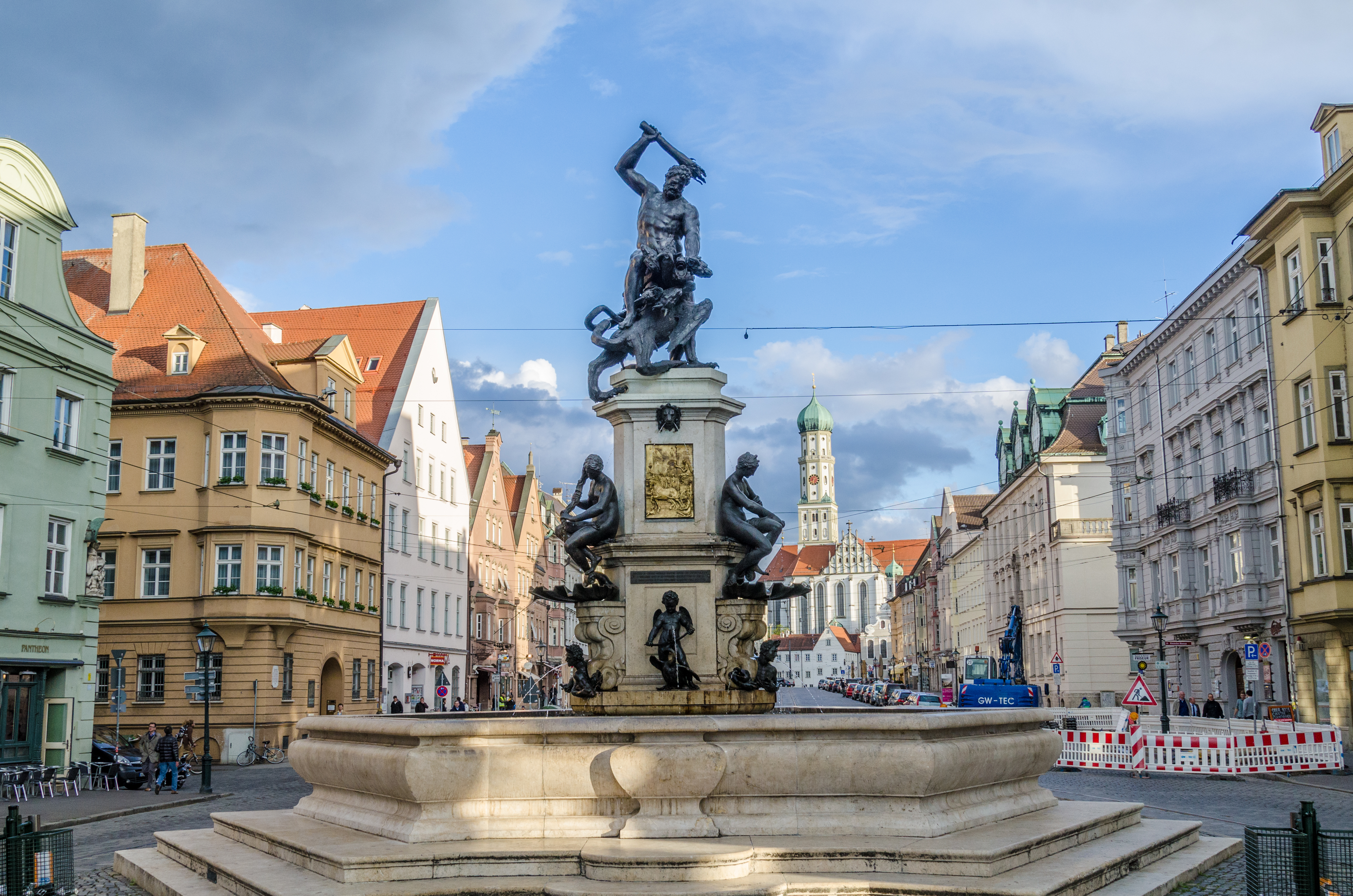
Herkulesbrunnen – One of Augsburg’s most famous fountains, depicting the mythic hero Hercules.
Learn more: Herkulesbrunnen (Augsburg)
These sites can easily be visited on foot, turning a quick stop at Schäfflerbrunnen into a delightful mini‑tour of Augsburg’s water heritage.
Travel Tips
- Timing: Arrive early (around 8 am) on weekdays to enjoy the fountain in near‑silence before the lunch crowd arrives.
- Language: While German is the primary language, most locals speak basic English, especially in tourist areas. A friendly “Guten Tag” goes a long way.
- Cash: Many nearby cafés accept only cash or contactless payments; keep a few euros handy.
- Respect: The fountain is a public amenity—avoid climbing on the stonework and follow any posted signs regarding water usage.
- Photography: No permit is required for personal photos, but commercial shoots may need city approval.
- Weather Prep: Augsburg’s weather can shift quickly. Carry a light rain jacket in spring and a warm scarf in winter.
- Local Events: Check Augsburg’s official tourism website for seasonal festivals—sometimes the square around Schäfflerbrunnen hosts open‑air concerts or craft markets.
Wrap‑Up
Schäfflerbrunnen may not dominate travel guide headlines, but its quiet elegance, historical roots, and central location make it a must‑see for travelers who crave authentic Bavarian experiences. Whether you’re a history buff, a photography enthusiast, or simply a wanderer seeking a peaceful pause, this fountain offers a genuine slice of Augsburg life.
So next time you’re mapping out your Bavarian itinerary, carve out a few minutes for Schäfflerbrunnen—you’ll leave with a deeper appreciation for the city’s hidden waterways and the stories they continue to tell.
Happy travels, and may your journey through Augsburg be as refreshing as the waters of Schäfflerbrunnen!