Römischer Brunnen – Munich’s Hidden Roman‑Style Fountain
If you think Munich’s charm is limited to beer halls and museums, think again. Tucked away in the historic heart of Bavaria’s capital lies the Römischer Brunnen, a modest yet captivating fountain that whispers stories of the city’s past. Whether you’re a seasoned traveler, a photography enthusiast, or simply wandering off the beaten path, this little water feature is worth a pause.
1. Introduction
Munich is famous for its grand Marienplatz, the iconic Glockenspiel, and the sprawling English Garden. But beyond the tourist magnets, the city’s streets are dotted with intimate squares and elegant fountains that add layers of character to the urban landscape. The Römischer Brunnen (literally “Roman Fountain”) is one of those hidden gems. Its name hints at a classical influence, and its simple basin design—known locally as a Schalenbrunnen—offers a quiet spot to reflect, snap a photo, and soak up the ambience of old‑world Munich.
If you’re planning a Munich travel itinerary or looking for things to do in Munich beyond the usual attractions, make sure to add this fountain to your list. In the sections below, you’ll find everything you need to know: history, how to get there, the best visiting times, what you’ll experience on site, nearby sights, and practical travel tips.
2. About Römischer Brunnen
Description
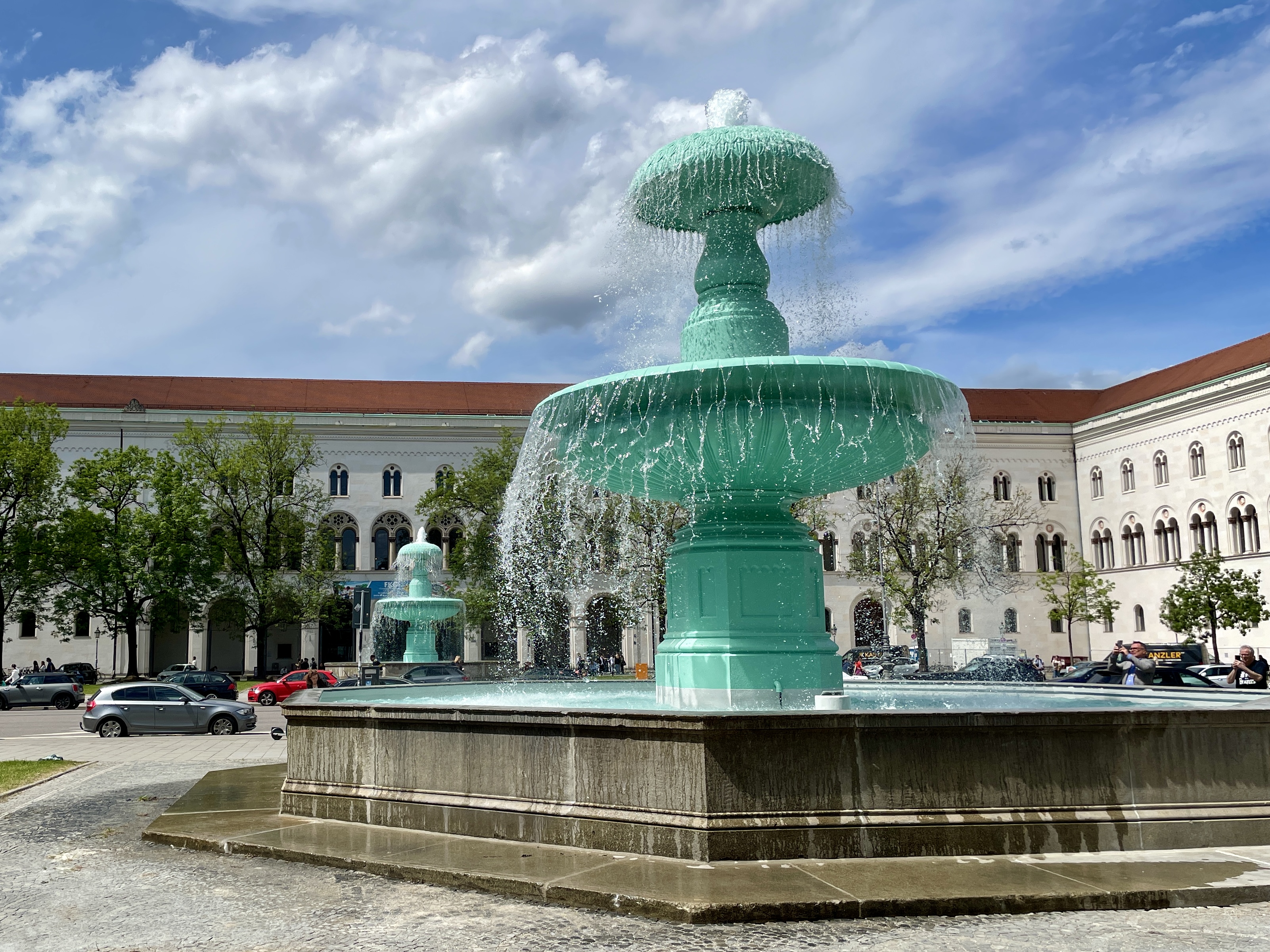
The Römischer Brunnen is a Schalenbrunnen—a shallow, bowl‑shaped fountain that typically features a decorative rim and a gentle water flow that spirals back into the basin. While the exact height and altitude of the fountain are not publicly recorded, its modest scale makes it blend seamlessly into the surrounding cobblestone streets and historic façades. The water’s soft murmur creates a soothing backdrop for the occasional passerby, and the stonework reflects Munich’s 19th‑century urban design sensibility.
History & Significance
The fountain’s name, “Römischer,” suggests a Roman‑inspired aesthetic, a common motif during the historicist period when many European cities embellished their public spaces with classical references. Although detailed archival records of its construction are scarce, the Römischer Brunnen is listed on the German Wikipedia under Schalenbrunnen (München), confirming its status as part of Munich’s heritage of decorative water features.
Fountains like this served both practical and symbolic purposes: they supplied drinking water before modern plumbing, acted as gathering points, and expressed civic pride. In Munich, a city renowned for its meticulous city planning, each fountain contributes to a narrative of elegance and public welfare. The Römischer Brunnen may be small, but it embodies that tradition, offering a glimpse into the everyday life of Münchner citizens from centuries past.
3. How to Get There
By Public Transport
- U‑Bahn: Take the U3 or U6 line to Marienplatz. From the central station, the fountain is a short 5‑minute walk (approximately 0.1 km).
- Tram: Tram lines 16 and 19 stop at Karolinenplatz, which is also within easy walking distance.
- Bus: Bus routes 52 and 62 have stops at Stachus (Karlsplatz); from there, head east toward the historic center.
By Foot or Bike
Munich’s city centre is compact and pedestrian‑friendly. If you’re staying near Marienplatz, Viktualienmarkt, or the Frauenkirche, simply follow the signs toward the old town (Altstadt). The fountain’s coordinates are 48.150674, 11.580964, which you can paste into any navigation app for precise guidance.
By Car
Driving in the historic centre is generally discouraged due to limited parking and pedestrian zones. If you must, use the Munich Parking Garage at Stachus (Parkhaus am Stachus) and walk the remaining distance.
4. Best Time to Visit
- Spring (April–June): The city awakens with blooming flower boxes, and the fountain’s water glistens under the gentle sunshine.
- Early Autumn (September–October): Cooler temperatures make for comfortable strolling, and the surrounding streets are painted with golden leaves.
- Evenings in Summer: While the fountain itself isn’t illuminated, the nearby historic buildings cast a warm glow, creating a romantic atmosphere perfect for a quick photo session.
Avoid peak midday hours in July and August if you prefer a quieter experience; the fountain’s charm shines brightest when the crowds thin out.
5. What to Expect
When you arrive at the Römischer Brunnen, you’ll find a tranquil oasis amidst Munich’s bustling streets. The stone basin collects crystal‑clear water that continuously circulates, producing a soft, rhythmic sound that masks the city’s hum.
- Photographic Appeal: The clean lines of the basin, combined with the surrounding historic façades, provide an excellent backdrop for both wide‑angle city shots and close‑up details.
- Seating & Rest: While the fountain itself does not have built‑in benches, nearby benches on the adjoining square invite you to sit, sip a coffee, and watch locals pass by.
- Cultural Vibe: You may hear street musicians or see locals gathering for brief chats—fountains have historically been social hubs, and this one is no exception.
Because the Römischer Brunnen is part of a cluster of historic fountains, you’ll often find yourself strolling from one water feature to another, appreciating the subtle variations in design and the shared sense of heritage.
6. Nearby Attractions
The fountain’s central location makes it an ideal starting point for exploring other Munich attractions within a short walk. Below are the most convenient spots, each just a few hundred meters away:
| Attraction | Distance | What to See | Link |
|---|---|---|---|
| Eulenbrunnen (Owl Fountain) | ~0.1 km | A whimsical bronze owl perched atop a stone pedestal, symbolizing wisdom. | Eulenbrunnen – Wikipedia |
| Friedrich‑von‑Gärtner Fountain | ~0.2 km | Dedicated to the renowned architect Friedrich von Gärtner, featuring neoclassical motifs. | Friedrich‑von‑Gärtner Fountain – Wikipedia |
| Viktualienmarkt | ~0.3 km | Munich’s famous daily food market—perfect for a snack after your fountain tour. | Viktualienmarkt – Wikipedia |
| Marienplatz & Neues Rathaus | ~0.5 km | The city’s central square with the iconic Glockenspiel. | Marienplatz – Wikipedia |
| Frauenkirche | ~0.6 km | Munich’s twin‑tower cathedral, a landmark of Bavarian architecture. | Frauenkirche – Wikipedia |
These attractions can be visited in a relaxed half‑day walk, allowing you to soak up the historic ambience of Munich’s Altstadt while ticking off multiple highlights.
7. Travel Tips
| Tip | Details |
|---|---|
| Bring a reusable water bottle | Munich’s public fountains are safe to drink from, and you’ll stay hydrated while exploring. |
| Wear comfortable shoes | Cobblestone streets can be uneven; sturdy walking shoes make the stroll between fountains pleasant. |
| Check local event calendars | Occasionally, the area hosts street performances or small festivals that can add extra flair to your visit. |
| Photography etiquette | While photography is allowed, be respectful of nearby residents and avoid blocking foot traffic. |
| Language | German is the official language, but most locals in the city centre speak English. A simple “Entschuldigung, wo ist der Römischer Brunnen?” will get you friendly directions. |
| Timing for crowds | Early mornings (7–9 am) are the quietest; the fountain is often empty, giving you a private moment with the water. |
| Combine with a coffee break | Numerous cafés line the nearby streets—grab a latte and enjoy the fountain’s soothing sounds from a sidewalk table. |
Final Thought
The Römischer Brunnen may not dominate travel brochures, but it epitomizes the subtle allure that makes Munich a city of endless discoveries. Its classical design, tranquil water flow, and proximity to other historic sites create a perfect micro‑itinerary for anyone seeking authentic Bavarian charm. So, the next time you find yourself wandering Munich’s old town, pause at this Roman‑style fountain, let the water’s whisper guide your thoughts, and let the city’s timeless spirit wash over you.
Happy travels, and may every fountain you encounter lead you to new stories!