Rißlochfälle – Bavaria’s Hidden Waterfall Gem
Discover the tranquil power of Rißlochfälle, a secluded waterfall tucked away in the forest‑rich hills of Bodenmais, Bavaria. Whether you’re a seasoned hiker, a nature photographer, or simply looking for a peaceful spot to unwind, this little‑known cascade offers a perfect slice of German alpine charm.
1. Introduction
Imagine stepping off a quiet forest trail and hearing the gentle roar of water tumbling over moss‑covered rocks, the air scented with pine and fresh mist. That moment is exactly what awaits you at Rißlochfälle, one of Bavaria’s best‑kept secrets. Nestled at an altitude of 939 m above sea level, this waterfall isn’t just a scenic backdrop—it’s a living piece of the region’s natural heritage, offering a serene escape from the bustling tourist hubs of the Bavarian Alps.
If you’ve already fallen in love with Germany’s iconic waterfalls like the Rappbodetalschlucht or the Königsee, add Rißlochfälle to your itinerary for a quieter, more intimate experience. In this guide we’ll cover everything you need to know to make the most of your visit: the waterfall’s story, how to get there, the ideal seasons, what you’ll see on the trail, nearby attractions, and essential travel tips.
2. About Rißlochfälle
A Snapshot
- Name: Rißlochfälle (sometimes spelled Rieslochfälle)
- Type: Waterfall 🌊
- Location: Bodenmais, Bavaria, Germany
- Coordinates: 49.088726 N, 13.120189 E
- Altitude: 939 m (3,080 ft) above sea level
- Height: Not officially recorded, but the cascade drops several meters over a series of rocky steps
History & Significance
Rißlochfälle lies in the heart of the Bavarian Forest, an area steeped in centuries‑old forestry and mining traditions. While the exact date of the waterfall’s discovery is lost to time, locals have long regarded it as a natural “water kitchen” for the surrounding villages. The name Rißloch derives from the old German words “Riß” (tear) and “Loch” (hole), hinting at the way water tears through the rock fissure to create the cascade.
Unlike the heavily commercialized waterfalls of the Alps, Rißlochfälle has remained relatively untouched, preserving its pristine forest environment. The site is part of a network of small watercourses that historically powered watermills and provided fresh water for the hamlets of Bodenmais and surrounding valleys. Today, the waterfall is a beloved spot for hikers, birdwatchers, and photographers who appreciate its quiet beauty and the subtle interplay of light on the flowing water.
For a concise historical overview, you can also check the German Wikipedia entry: Rieslochfälle (de).
3. How to Get There
By Car
- From Munich: Take the A95 south toward Garmisch‑Partenkirchen, then follow signs for Bodenmais via the B472. The drive is roughly 150 km (≈2 hours). Parking is available at the Bodenmais Visitor Center (Parkplatz Besucherzentrum), just a short walk from the trailhead.
- From Nuremberg: Head west on the A3, then south on the A9 to the B85, switching to the B472 toward Bodenmais. The journey is about 200 km (≈2.5 hours).
By Public Transport
- Train: The nearest railway station is Bodenmais on the Bayerische Oberlandbahn (BOB) line, which connects to Reutte (Austria) and Furth im Wald. From Munich, you can catch a direct regional train (RE) to Bodenmais; the trip takes around 2 hours 30 minutes.
- Bus: Once in Bodenmais, the Regional Bus 511 runs hourly from the station to the Obere Wasserstube parking area – the starting point for the Rißlochfälle trail.
Trailhead Details
- Starting Point: Obere Wasserstube (coordinates approx. 49.0895 N, 13.1198 E) – a historic water mill that now serves as a small information kiosk and rest stop.
- Signage: Trail markers are painted white on trees and stones, following the Bayerischer Wald hiking system (marked “W” for “Wanderweg”).
Accessibility
The path to Rißlochfälle is moderately challenging: a 1.2 km forest trail with some uneven, rocky sections and a gentle ascent of about 80 m. While it’s not wheelchair‑accessible, sturdy hiking boots and a moderate fitness level are sufficient.
4. Best Time to Visit
| Season | Conditions | Why Visit |
|---|---|---|
| Spring (April‑May) | Snow melt raises water flow; wildflowers begin to bloom. | The waterfall is at its most vigorous, and the forest is a kaleidoscope of colors. |
| Summer (June‑August) | Warm temperatures, fully open trails. | Ideal for families; longer daylight hours allow for a relaxed hike and picnics. |
| Autumn (September‑October) | Leaves turn amber, water levels moderate. | Photographers love the golden light and crisp air. |
| Winter (November‑March) | Trail may be icy; water flow reduced, occasional snow cover. | For adventurous hikers, the frozen surroundings create a magical, quiet landscape—but proper gear is essential. |
Top Recommendation: Late spring to early autumn (mid‑May to early October) offers the best combination of water volume, trail safety, and scenic beauty.
5. What to Expect
The Trail Experience
- Forest Ambience: The path winds through a mixed spruce‑fir forest typical of the Bavarian Forest, with occasional clearings that let sunlight dapple the trail. Listen for the subtle chorus of birds—great tits, chaffinches, and the occasional woodpecker.
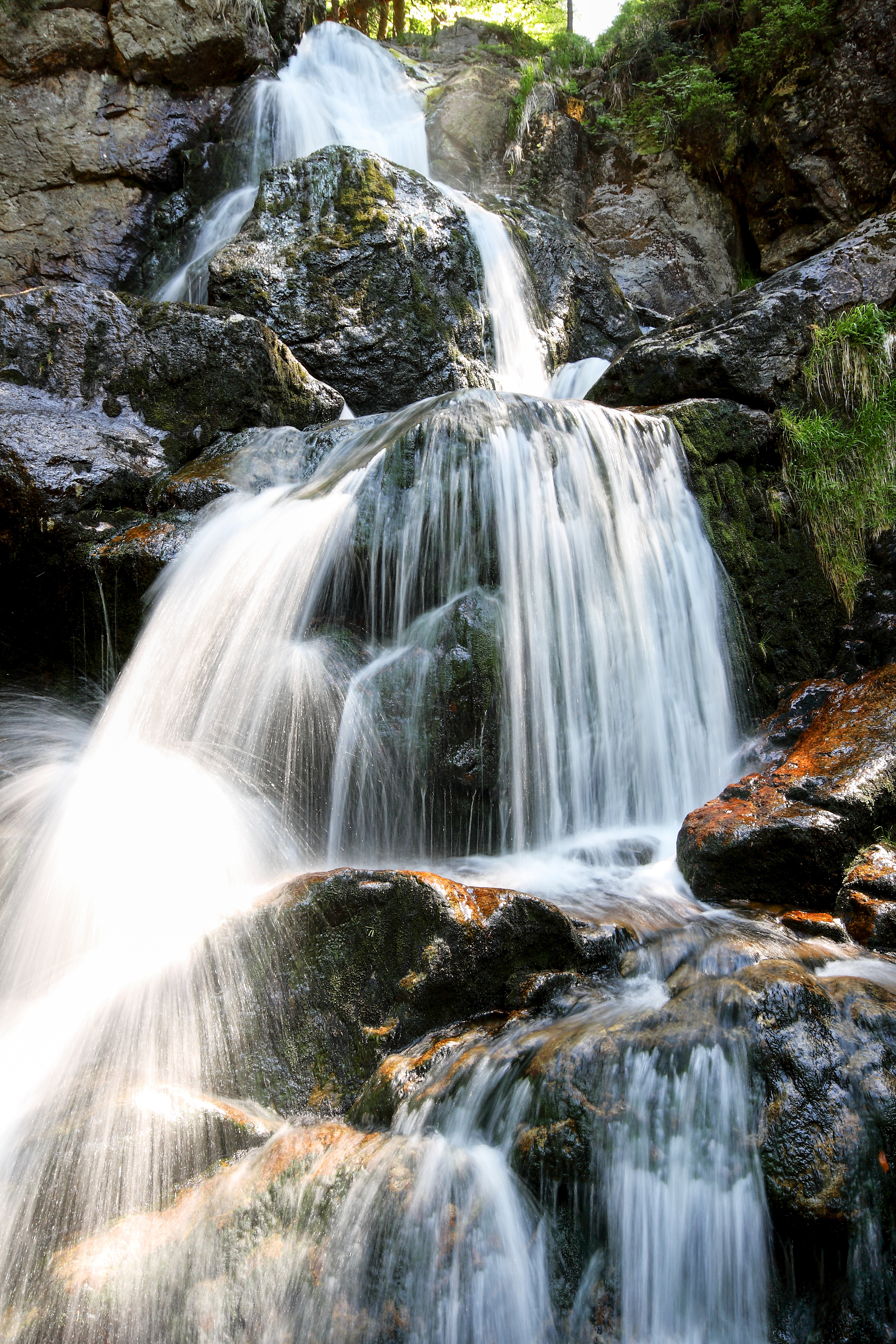
- Moss‑Covered Rocks: As you approach the cascade, the ground becomes increasingly saturated, and the rocks are cloaked in vivid green moss, giving the area a timeless, almost fairy‑tale feel.
- The Waterfall Itself: Rißlochfälle isn’t a single vertical drop but a series of cascades spilling over a rocky ledge into a shallow pool. The sound of water splashing against stone creates a soothing backdrop, perfect for a moment of meditation.
- Photography Hotspot: The best photo angles are from the lower bank, where you can capture the water’s motion against the backdrop of the forest canopy. Early morning light or late afternoon golden hour adds a warm glow to the mist.
Wildlife & Flora
- Flora: Look out for lily of the valley, bluebells, and wild garlic in spring, and heather and berry bushes in late summer.
- Fauna: While larger mammals are rare, you might spot a red squirrel or hear the distant howl of a wolf—the Bavarian Forest is a known habitat for the species.
Facilities
- Rest Area: Near the Obere Wasserstube there are wooden benches and a small picnic table.
- Toilets: Basic eco‑toilets are available at the visitor center.
- Information Board: A short multilingual board explains the waterfall’s geology and local history.
6. Nearby Attractions
After soaking in the serenity of Rißlochfälle, extend your adventure with these nearby gems (all within a 0.2 km radius):
| Attraction | Type | Distance | Quick Note |
|---|---|---|---|
| Obere Wasserstube | Historic water mill / small café | 0 km | Starting point of the trail; enjoy a refreshing Bavarian apple cider here. |
| Untere Wasserstube | Waterfall | 0.2 km | A smaller cascade downstream—perfect for a quick photo stop. |
| [Unnamed Spring] | Natural spring | 0.2 km | Crystal‑clear spring water; ideal for a short nature break. |
| [Unnamed Weir] | Weir / historic water management | 0.2 km | Demonstrates traditional Bavarian water‑control techniques. |
Tip: All these spots are reachable on foot from the main trail, so you can create a compact “Waterfall Loop” lasting about 45 minutes.
7. Travel Tips
| Tip | Details |
|---|---|
| Footwear | Wear waterproof hiking boots with good grip; the trail can be slippery after rain. |
| Clothing | Layered clothing is key—mornings can be cool, especially at 939 m altitude. |
| Timing | Arrive early (before 10 am) during summer weekends to avoid crowds and enjoy softer light. |
| Photography | Bring a polarizing filter to reduce glare on the water; a tripod helps capture silky‑smooth flow. |
| Food & Drink | Pack a light snack and a reusable water bottle; refill at the spring or visitor center. |
| Leave No Trace | Stick to marked paths, carry out all litter, and respect the delicate moss and plant life. |
| Safety | In early spring, the water volume can be strong—stay back from the edge of the pool. |
| Local Events | Check the Bodenmais tourism website for seasonal festivals (e.g., Bodenmais Summer Music Festival) that may affect parking. |
| Currency | Euros (€) are accepted everywhere; most places are card‑friendly, but keep some cash for small vendors. |
| Language | German is the primary language; however, most information boards and staff at the visitor center speak basic English. |
Final Thoughts
Rißlochfälle may not have the towering fame of the Triberger Wasserfälle, but its quiet charm, lush forest setting, and easy accessibility make it a must‑visit for anyone exploring the Bavarian countryside. Whether you’re chasing the perfect waterfall photograph, seeking a peaceful spot for a picnic, or simply yearning to hear the soothing sound of water in a pristine alpine forest, Rißlochfälle delivers.
So lace up your boots, grab your camera, and head to Bodenmais. The cascade awaits—ready to reveal a slice of Bavaria’s natural soul that few travelers have discovered. Happy hiking! 🌲💦