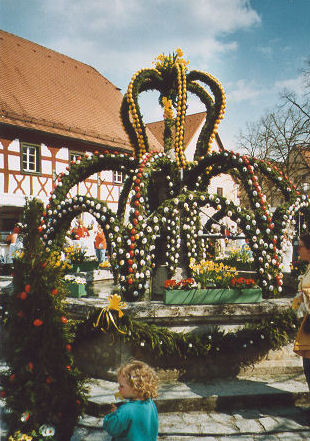
Osterbrunnen – Bavaria’s Sparkling Easter Fountain
If you’ve ever dreamed of stumbling upon a hidden gem where crystal‑clear water meets a burst of colorful Easter décor, the Osterbrunnen in Egloffstein, Bavaria, should be at the top of your travel list. Nestled amid the rolling hills of Upper Franconia, this modest yet magical fountain transforms each spring into a fairy‑tale tableau that draws photographers, families, and culture‑seekers from around the world. In this guide we’ll explore the history, how to reach the site, the best time to visit, what you’ll experience on‑site, nearby attractions, and insider travel tips to make your Bavarian adventure unforgettable.
About Osterbrunnen
Location: Egloffstein, Bavaria, Germany – coordinates 49.710963 N, 11.216285 E
The Osterbrunnen (literally “Easter Fountain”) is a public water source that has become a celebrated tradition in the heart of Franconian Switzerland. While the exact height of the fountain is not recorded, its modest stone basin is surrounded by a wooden railing and a series of decorative arches that serve as the canvas for the annual Easter‑time adornments.
History & Significance
The tradition of decorating the fountain dates back to the early 20th century, when local residents began embellishing the water’s edge with hand‑painted eggs, ribbons, and spring flowers as a way to celebrate the resurrection and the arrival of warmer weather. Over the decades, the practice grew into a community event, with villagers and nearby towns contributing handcrafted ornaments, candles, and even small wooden figurines.
In the 1990s, the Osterbrunnen gained national attention when the Bavarian tourism board highlighted it as a prime example of “living heritage” – a tradition that preserves cultural identity while inviting visitors to partake in the celebration. Today, the fountain is more than a functional water source; it is a symbol of communal pride, seasonal renewal, and the simple joy of gathering around water in the Bavarian countryside.
Why It Matters
- Cultural heritage: The Easter decorations reflect centuries‑old Bavarian folk art.
- Community spirit: Residents of Egloffstein and surrounding villages collaborate each year, turning the fountain into a living museum.
- Scenic backdrop: Set against the lush, forested hills of Upper Franconia, the Osterbrunnen offers a picture‑perfect setting for photographers and Instagrammers alike.
For a deeper dive into the fountain’s background, you can consult the German Wikipedia entry: Osterbrunnen (de).
How to Get There
By Air
The nearest major airports are Nuremberg International Airport (NUE) (≈ 120 km) and Munich Airport (MUC) (≈ 210 km). Both airports offer rental‑car services and frequent train connections to the Franconian region.
By Train
- Nuremberg Hauptbahnhof is a primary rail hub. From there, take a regional train (RE or RB) toward Forchheim or Ebermannstadt.
- Disembark at Egloffstein station (the stop is modest; check the current timetable). The station lies only a short walk (≈ 10 minutes) from the town centre and the Osterbrunnen.
Tip: Purchase a BayernTicket for unlimited travel on regional trains and buses throughout Bavaria – a cost‑effective option for day‑trippers.
By Car
Driving is the most flexible way to explore the surrounding countryside.
- From Nuremberg, follow the A73 north toward Forchheim, then take B470 east to Egloffstein.
- The journey takes roughly 1 hour 30 minutes (≈ 120 km).
- Parking is available at the town’s public lot near the main square; the fountain is within a 5‑minute walk.
By Bike
The area is part of the Franconian Switzerland bike network, offering scenic routes through limestone cliffs, forest trails, and quiet village lanes. If you’re an avid cyclist, consider the Egloffstein Loop (≈ 30 km) that passes the Osterbrunnen and several nearby springs and waterfalls.
Best Time to Visit
| Season | What to Expect | Why It’s Ideal |
|---|---|---|
| Spring (April‑May) | The fountain is fully dressed in hand‑painted eggs, ribbons, and fresh blossoms. | This is the traditional “Osterzeit” when locals showcase their most elaborate decorations. |
| Early Summer (June) | Warm weather, longer daylight, and fewer crowds than peak tourist months. | You can still see lingering Easter décor while enjoying comfortable hiking conditions. |
| Late Summer & Autumn (July‑October) | The fountain returns to a simple, unadorned state, surrounded by golden foliage. | Ideal for quiet reflection and photography of the surrounding forest. |
| Winter (November‑March) | The fountain may be covered in light snow, creating a serene, minimalist scene. | Perfect for those seeking a peaceful, off‑season visit and winter photography. |
Peak visitor period: The first two weeks of Easter (usually late March to early April). Arriving early in the morning helps you beat the crowds and capture the best light.
What to Expect
When you step onto the cobblestones of Egloffstein’s central square, the Osterbrunnen immediately draws your eye. The stone basin glistens with fresh water, while the surrounding wooden arches are draped in a kaleidoscope of painted eggs, delicate paper flowers, and colorful ribbons fluttering in the gentle breeze.
- Sensory experience: The soft murmur of flowing water, the faint scent of spring blossoms, and the cheerful chatter of locals and tourists create a welcoming atmosphere.
- Photography opportunities: Position yourself at the low angle to capture reflections of the ornaments in the water, or step back for a panoramic view of the fountain framed by the forested hills.
- Cultural interaction: During the Easter weekend, you may witness a small ceremony where a local priest blesses the water, followed by a communal “Easter egg hunt” for children.
- Accessibility: The fountain sits on level ground, making it easy for wheelchair users and families with strollers.
Beyond the visual feast, the Osterbrunnen serves as a gathering spot for coffee breaks at the nearby café, where you can sample traditional Bavarian pastries such as Apfelstrudel and Bienenstich while watching the town’s rhythm unfold.
Nearby Attractions
While the Osterbrunnen is the star of the show, the surrounding area offers several natural wonders and charming spots that can easily fill a half‑day itinerary.
| Attraction | Distance | Type | Quick Note |
|---|---|---|---|
| [Spring] | 2.3 km | Spring | A crystal‑clear spring nestled in a wooded glen—perfect for a short hike. |
| Moritzquelle | 2.4 km | Spring | Known for its gentle trickle and moss‑covered stones; a favorite photo spot. |
| Moritzbach-Wasserfall | 2.4 km | Waterfall | A modest cascade that creates a soothing soundscape; accessible via a marked trail. |
| Arlesbrunnen | 2.5 km | Spring | A historic well with a small wooden shelter; locals still draw water here. |
| [Spring] | 2.6 km | Spring | Another pristine spring surrounded by wildflowers, ideal for picnics. |
All distances are measured from the Osterbrunnen and can be covered on foot or by bike. Trail signs are generally in German, but the routes are well‑marked with colored blazes.
Travel Tips
- Timing: Arrive before 9 am on Easter weekend to avoid the busiest hours and capture soft morning light.
- Dress code: Comfortable walking shoes are a must; the cobblestones can be slippery when wet. Layered clothing works best for changing spring temperatures.
- Cash: Small vendors and the café near the fountain often accept only cash (Euro). Carry a few notes and coins.
- Photography: A wide‑angle lens (16‑35 mm) works well for capturing the entire fountain and surrounding arches. Bring a polarizing filter to reduce glare on the water.
- Local etiquette: Respect the decorations—avoid touching painted eggs or moving ribbons, as they are handcrafted by locals.
- Language: Basic German phrases (e.g., “Bitte” for please, “Danke” for thank you) go a long way. Most residents speak some English, especially during tourist season.
- Safety: The water is safe for viewing but not intended for swimming. Keep children supervised near the basin.
- Sustainability: Use reusable water bottles and bags. The region prides itself on preserving its natural beauty, and visitors are encouraged to follow suit.
Final Thought
The Osterbrunnen may be a modest fountain, but its seasonal transformation into a vibrant Easter masterpiece makes it a must‑see destination for travelers seeking authentic Bavarian culture. Whether you’re wandering through the historic streets of Egloffstein, snapping photos of hand‑painted eggs, or venturing to nearby springs and waterfalls, the experience is a reminder that the most memorable journeys often begin at a simple, sparkling water source. Pack your camera, bring a sense of wonder, and let the magic of Bavaria’s Osterbrunnen wash over you. Safe travels!