Nornenbrunnen – Munich’s Enchanting Fountain Hidden in the Heart of Bavaria
Discover the story, the setting, and the surrounding gems that make a quick stop at Nornenbrunnen a must‑do on any Munich itinerary.
1. Introduction
If you wander through Munich’s historic Altstadt and pause at the bustling squares, you’ll eventually stumble upon a modest yet mesmerizing water feature that locals call Nornenbrunnen. Unlike the grandiose, tourist‑packed fountains of Marienplatz, Nornenbrunnen feels like a secret whispered by the city’s centuries‑old streets. Its name—derived from the Norse “Nornir,” the three fates who spin the threads of destiny—adds a mythic touch to an otherwise humble stone basin. Whether you’re a history buff, a fountain‑enthusiast, or simply a traveler hunting off‑the‑beaten‑path photo ops, this little water‑dance in the Bavarian capital deserves a spot on your map.
2. About Nornenbrunnen
Location & Coordinates
- Address: Central Munich, Bavaria, Germany
- Latitude / Longitude: 48.142725, 11.571863
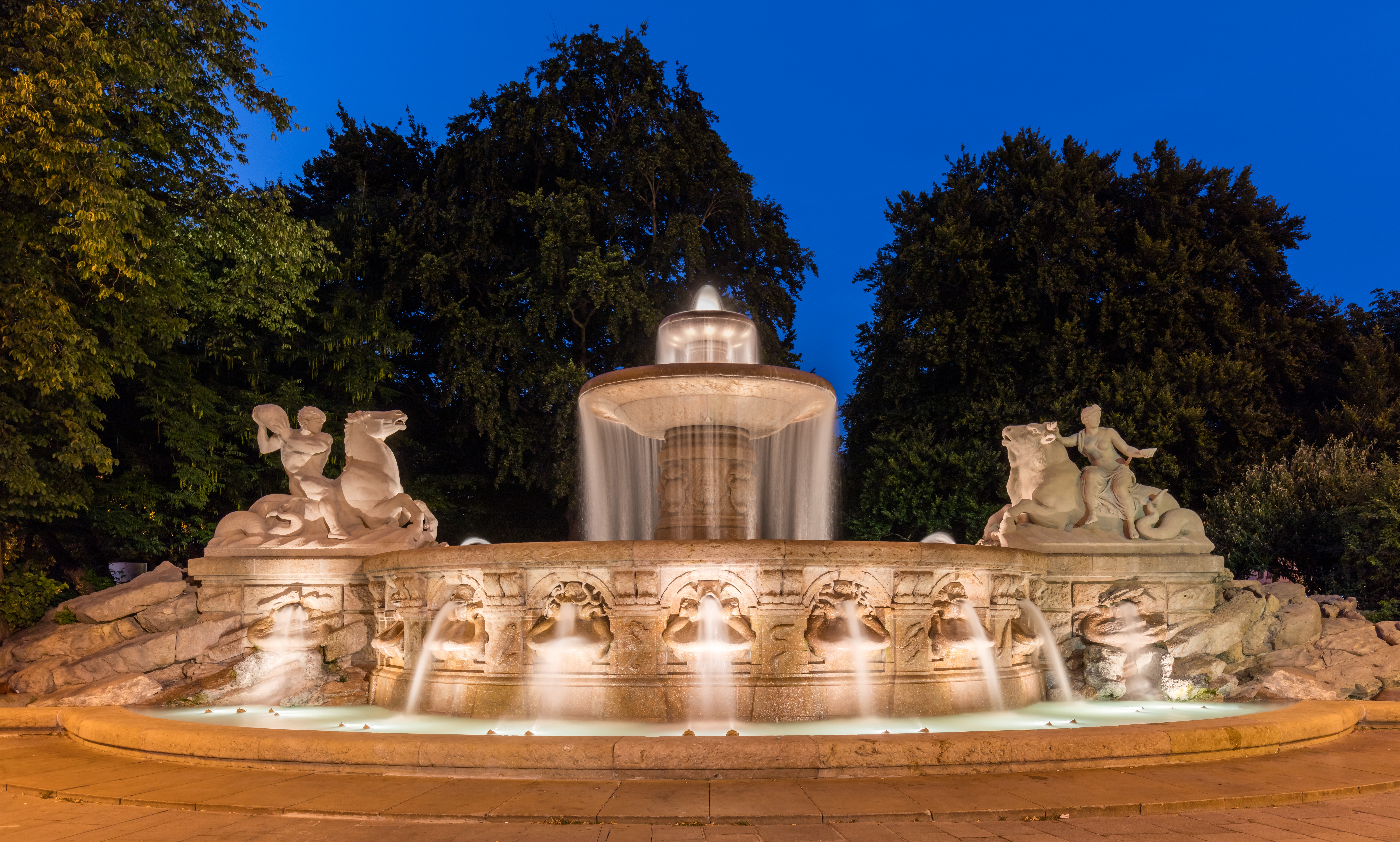
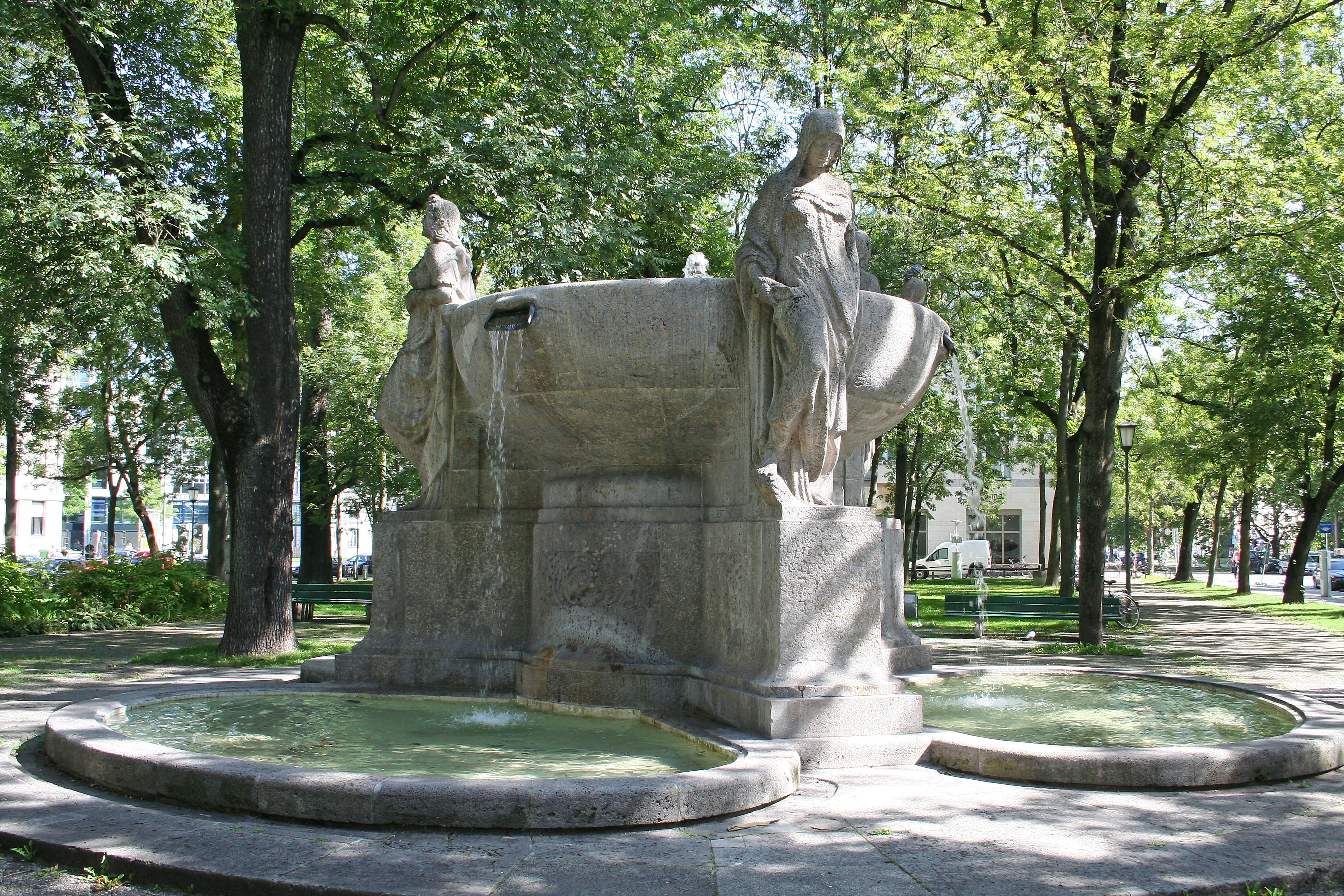
The exact height and altitude of the fountain remain undocumented, but its charm lies in the details that are known. Nornenbrunnen was erected in the early 20th century as part of a citywide beautification effort that sought to sprinkle artistic waterworks across Munich’s public spaces. The fountain’s design is simple: a stone basin crowned by a modest sculptural group that hints at the three Nornir—Urd (the past), Verdandi (the present), and Skuld (the future). While the sculpture’s faces are weather‑worn, the symbolism remains clear: a reminder that every traveler in Munich is weaving his or her own story.
Historical Significance
Nornenbrunnen sits near the historic Königsplatz area, a district that once housed the royal stables and later evolved into a cultural hub. The fountain’s placement was intentional—intended to provide a tranquil pause for market vendors, students from the nearby Ludwig Maximilian University, and the countless tourists who now flood the streets. Over the decades, the fountain survived World War II bombings, post‑war reconstruction, and the modern surge of urban development, standing as a quiet testament to Munich’s resilience.
Why It Matters
In a city famed for its beer halls, museums, and the iconic Glockenspiel, Nornenbrunnen offers a reflective counterpoint. It’s a place where you can hear the soft splash of water against stone, feel the cool Munich breeze, and imagine the three mythic sisters watching over the city’s fate. For photographers, the fountain’s stone textures and the play of light on water provide a perfect backdrop, especially during golden hour.
3. How to Get There
By Public Transport
| Mode | Line(s) | Nearest Stop | Walking Time |
|---|---|---|---|
| U‑Bahn | U3, U6 | Karlsplatz (Stachus) | 5 min |
| S‑Bahn | S1, S2, S3, S4, S6, S7, S8 | Marienplatz | 8 min |
| Tram | 19, 27 | Karlsplatz | 5 min |
Munich’s integrated MVV network makes the journey a breeze. From Karlsplatz (Stachus)—the city’s central square—you’ll exit onto Theresienstraße, turn left onto Rindermarkt, and follow the cobblestones for about 300 m. The fountain sits just off the intersection with Königstraße, marked by a subtle stone plaque.
By Foot
If you’re staying in the Altstadt or near Marienplatz, a leisurely 10‑minute walk brings you straight to Nornenbrunnen. The route takes you past the historic Viktualienmarkt, allowing a quick snack stop before you arrive.
By Bike or E‑Scooter
Munich’s bike‑share system (MVG Rad) and numerous e‑scooter providers have docking stations at Karlsplatz and Marienplatz. The ride is short, flat, and perfect for a quick, eco‑friendly hop.
4. Best Time to Visit
| Season | Why It Works | Tips |
|---|---|---|
| Spring (April‑May) | Blossoming trees along the nearby Englischer Garten add color, and the water flow is lively after winter. | Arrive early to avoid the midday market crowd. |
| Summer (June‑August) | Long daylight hours give you ample time for photos; the fountain’s mist offers a refreshing break from the heat. | Bring a refillable water bottle; many nearby cafés have refill stations. |
| Autumn (September‑October) | Golden leaves frame the stone basin, creating a warm, Instagram‑ready palette. | Check local event calendars—Munich’s cultural festivals often use the surrounding squares. |
| Winter (November‑February) | The fountain is quieter, and if there’s a light dusting of snow, the scene feels magical. | Dress warmly; the water may be partially shut off during extreme cold. |
Overall, early mornings (7 – 9 am) and late afternoons (4 – 6 pm) provide the best lighting for photography and fewer foot‑traffic interruptions.
5. What to Expect
When you step up to Nornenbrunnen, you’ll first notice the gentle sound of water cascading over a low stone rim—an auditory cue that instantly slows the city’s pace. The fountain’s central sculpture, though modest, invites close inspection; the three faces are slightly eroded, giving them a timeless, almost ethereal quality.
Surrounding the basin are benches and a few planters that locals use for impromptu picnics. In summer, street musicians often set up nearby, adding a melodic backdrop of classical or folk tunes. The area is well‑lit at night, with subtle uplighting that highlights the water’s sparkle—perfect for a romantic evening stroll.
Because the fountain sits in a pedestrian‑friendly zone, you’ll see a mix of locals—students with backpacks, office workers on coffee breaks, and tourists snapping photos. The vibe is relaxed yet lively, embodying Munich’s reputation as a city that balances tradition with modernity.
6. Nearby Attractions
A short walk from Nornenbrunnen brings you to a cluster of other beautiful fountains and cultural sites. Each is worth a quick visit, especially if you’re mapping a “Munich Fountain Trail.”
| Attraction | Distance | What to See |
|---|---|---|
| Karl‑Amadeus‑Hartmann‑Brunnen | 0.1 km | A modern tribute to the composer, featuring abstract water jets. |
| Grottenbrunnen | 0.1 km | A grotto‑style fountain with stone arches and a cool, shaded pool. |
| Bierbrunnen | 0.2 km | Celebrates Bavaria’s brewing heritage; a fun spot for a quick photo with a beer mug sculpture. |
| Prinzregent‑Luitpold‑Brunnen | 0.2 km | One of Munich’s grandest fountains, showcasing a bronze horsemen group. |
Quick Links:
- Karl‑Amadeus‑Hartmann‑Brunnen (Wikipedia)
- Grottenbrunnen (Wikipedia)
- Bierbrunnen (Wikipedia)
- Prinzregent‑Luitpold‑Brunnen (Wikipedia)
After soaking in Nornenbrunnen’s quiet charm, you can hop to the nearby Viktualienmarkt for fresh Bavarian snacks, or continue toward the Residenz to explore Munich’s royal past.
7. Travel Tips
- Bring a Small Tripod or Stabilizer: The fountain’s low height makes it ideal for steady shots, especially during low‑light evenings.
- Check the MVV App: Real‑time updates on U‑Bahn and S‑Bahn schedules help you avoid unexpected delays.
- Mind the Weather: In heavy rain, the water flow may be reduced for safety; a quick glance at the city’s water‑works website will confirm operating hours.
- Combine with a Coffee Break: The historic café Café Luitpold, just a 3‑minute walk away, offers a perfect spot to recharge with a traditional “Münchner Frühstück.”
- Respect the Space: While the fountain is public, avoid climbing onto the stone basin—Munich’s city maintenance crew keeps the area tidy and safe for everyone.
- Language Note: Signage around Nornenbrunnen is primarily in German, but most locals speak English and are happy to point you in the right direction.
- Accessibility: The surrounding sidewalks are wheelchair‑friendly, and the nearest U‑Bahn stations have elevators.
Final Thought
Nornenbrunnen may not dominate travel guide headlines, but that’s precisely why it feels like a hidden treasure. A short detour from Munich’s main attractions, it offers a moment of calm, a splash of history, and a glimpse into the city’s mythic imagination. Add it to your Munich travel itinerary, pair it with the nearby fountains, and you’ll walk away with a richer, more nuanced story of Bavaria’s capital—one that you’ll be happy to share with friends, family, and future travelers.
Happy exploring!