Neptunbrunnen – Augsburg’s Timeless Fountain in the Heart of Bavaria
If you’re wandering the historic streets of Augsburg and hear the gentle splash of water, you’re probably standing in front of one of the city’s most photographed landmarks – the Neptunbrunnen. This elegant fountain, dedicated to the Roman god of the sea, is a perfect snapshot of Bavaria’s rich artistic heritage and a must‑see stop on any travel itinerary through southern Germany.
1. Introduction
Augsburg, the third‑oldest city in Germany, is a treasure trove of Renaissance architecture, bustling markets, and hidden courtyards. Yet, amid its grand cathedrals and medieval walls, a single water feature quietly commands attention: the Neptunbrunnen. Nestled in the city centre at the coordinates 48.369076 N, 10.905004 E, this fountain is more than just a decorative water source – it’s a living piece of Augsburg’s civic pride, a meeting point for locals, and a photogenic backdrop for travelers seeking that perfect Instagram shot.
Whether you’re a history buff, a photography enthusiast, or simply looking for a peaceful spot to rest your feet, the Neptunbrunnen offers a blend of art, history, and Bavarian charm that makes it a standout attraction in the region.
2. About Neptunbrunnen
A Brief Description
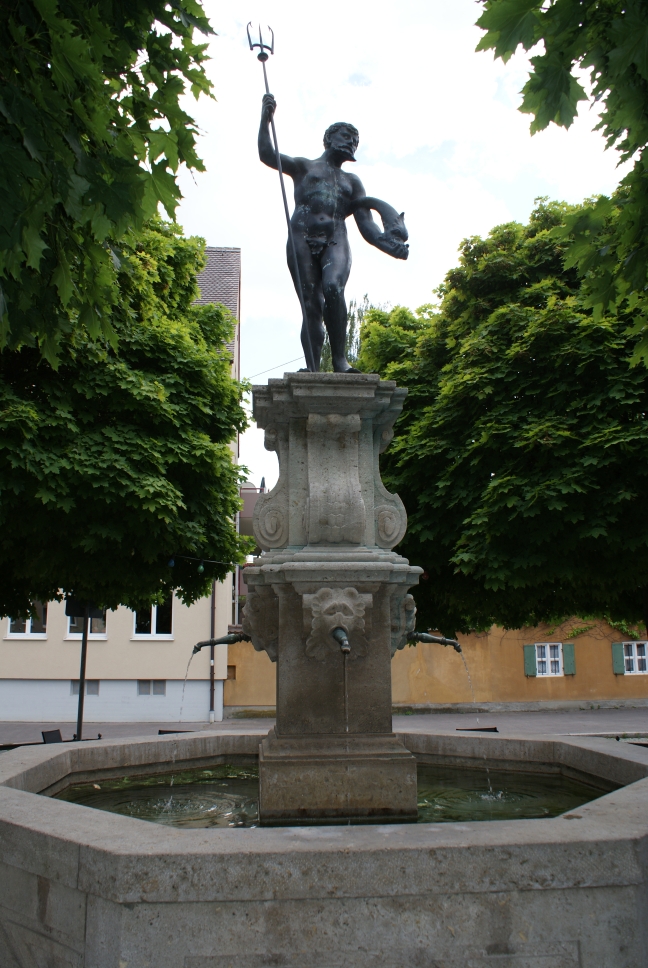
The Neptunbrunnen (German for “Neptune Fountain”) showcases a striking statue of Neptune, the Roman deity of the sea, poised with his iconic trident. The figure is surrounded by intricate stonework and decorative basins that channel water in a graceful cascade, creating a soothing soundscape that contrasts beautifully with the bustling city streets. While the exact height and altitude of the fountain are not publicly documented, its presence is unmistakable – a focal point that draws both tourists and locals alike.
Historical Roots
The fountain’s origins trace back to Augsburg’s golden age of trade and craftsmanship during the late Renaissance. Though precise construction dates vary among sources, the Neptunbrunnen was erected as a symbol of the city’s prosperity and its close relationship with water – a vital resource for Augsburg’s famed textile industry and its network of canals. Over the centuries, the fountain has survived wars, renovations, and changing urban landscapes, standing today as a testament to the city’s resilience and dedication to preserving its cultural landmarks.
Cultural Significance
In Bavarian folklore, water is often associated with purity, renewal, and community. By placing Neptune—a figure embodying the power and generosity of the sea—at the heart of Augsburg, city planners intended the fountain to serve as both a decorative masterpiece and a public gathering spot. Today, the Neptunbrunnen continues to fulfill that role, hosting impromptu street performances, seasonal markets, and quiet moments of contemplation for passersby.
3. How to Get There
By Air
The nearest major airport is Munich International Airport (MUC), approximately 80 km north of Augsburg. From Munich, you can catch a direct Deutsche Bahn train (ICE or regional) to Augsburg Hauptbahnhof (main station). The journey takes roughly 45 minutes.
By Train
Augsburg is a key hub on Germany’s high‑speed rail network. If you’re traveling from Berlin, Frankfurt, or Stuttgart, you’ll find frequent ICE connections that drop you off at Augsburg Hauptbahnhof. From the station, the Neptunbrunnen is a pleasant 15‑minute walk (about 1.2 km) through the historic city centre.
Walking directions:
1. Exit the station onto Bahnhofplatz.
2. Head south on Theresienstraße toward Maximilianstraße.
3. Continue straight; you’ll pass the Augsburg Town Hall (Rathaus) and the St. Ulrich and St. Afra Cathedral.
4. The fountain sits near the intersection of Maximilianstraße and Königstraße, just a few steps from the bustling Rathausplatz.
By Car
If you’re driving, take the A8 motorway (Munich–Stuttgart) and exit at Augsburg-West or Augsburg-Ost, following signs for the city centre. Parking is available in several underground garages near the Rathaus, such as Parkhaus Rathaus (address: Rathausplatz 1). Remember that Augsburg’s inner streets are often pedestrian‑only, so a short walk will be necessary.
By Bike or Public Transport
Augsburg’s public transport network (VVM) offers trams and buses that stop within a few blocks of the fountain. The Tram line 2 (stop: Rathaus) is especially convenient. The city is also extremely bike‑friendly, with dedicated lanes that lead directly to the historic centre.
4. Best Time to Visit
| Season | Why Visit | Tips |
|---|---|---|
| Spring (April‑May) | Blossoming gardens and mild temperatures make strolling through the old town a delight. | Arrive early to avoid the weekend crowd at nearby cafés. |
| Summer (June‑August) | Longer daylight hours allow for evening visits when the fountain is illuminated. | Bring a refillable water bottle – Augsburg’s public fountains are safe to drink from. |
| Autumn (September‑October) | Golden foliage adds a warm backdrop to the stone and water. | Check local event calendars – the Augsburg Autumn Market often sets up near the Rathaus. |
| Winter (November‑February) | Fewer tourists, and the fountain’s stonework looks striking against a crisp, snowy cityscape. | Dress warmly; the surrounding squares can be windy. |
Peak visiting hours are typically 10 am–12 pm and 4 pm–6 pm on weekdays. For a quieter experience, aim for early mornings or late evenings, especially during the off‑season.
5. What to Expect
When you arrive at the Neptunbrunnen, you’ll be greeted by a lively tableau:
- Visual Appeal: The bronze (or stone) figure of Neptune dominates the scene, his trident pointing skyward as water arches gracefully around him. The surrounding basins reflect the sky, creating a shimmering effect that changes with the weather.
- Sounds: The gentle murmur of water provides a soothing soundtrack, often accompanied by the chatter of tourists, street musicians, and the occasional clink of coffee cups from nearby cafés.
- Atmosphere: The square around the fountain is a popular meeting spot. You’ll see locals checking their phones, families feeding pigeons, and artists sketching the scene. In summer, the area fills with outdoor seating, and in winter, the fountain’s stonework takes on a serene, almost mystical quality.
- Photographic Opportunities: The fountain’s central position makes it perfect for both wide‑angle shots that capture the surrounding architecture and close‑ups that highlight the intricate details of Neptune’s attire and the water’s motion.
6. Nearby Attractions
While you’re in the vicinity of the Neptunbrunnen, make the most of your time by exploring these neighboring gems – all within a short walk (0.1‑0.4 km):
| Attraction | Type | Distance | Quick Link |
|---|---|---|---|
| [Unnamed Fountain] | Fountain | 0.1 km | View on Map |
| Jakobsbrunnen | Fountain | 0.1 km | Wikipedia – Jakobsbrunnen (Augsburg) |
| [Unnamed Fountain] | Fountain | 0.3 km | View on Map |
| [Unnamed Weir] | Weir | 0.3 km | View on Map |
| [Unnamed Weir] | Weir | 0.4 km | View on Map |
Tip: The Jakobsbrunnen is a charming counterpart to the Neptunbrunnen, featuring its own historic design and a quiet spot to sit and reflect. Both fountains are part of Augsburg’s “Water Trail,” a self‑guided walking route that celebrates the city’s centuries‑old relationship with its canals and wells.
7. Travel Tips
- Dress for the Weather: Augsburg’s climate can shift quickly, especially in spring and autumn. Layered clothing ensures you stay comfortable while exploring the open square.
- Stay Connected: Free Wi‑Fi is available at many cafés around the Rathaus. Use it to download the Augsburg City Guide app for offline maps and event notifications.
- Mind the Pace: The cobblestone streets can be uneven. Wear sturdy, comfortable shoes—ideal for both city walking and the occasional detour to nearby museums.
- Respect the Space: While the fountain is a public attraction, it’s also a historic monument. Avoid leaning on the statue or climbing the basins.
- Try Local Snacks: After admiring the fountain, treat yourself to a Bayerische Breze (pretzel) or a slice of Schmalzstulle from a nearby bakery. Pair it with a glass of Augsburger Weißbier for the full Bavarian experience.
- Photography Etiquette: If you’re using a tripod or a large camera rig, be mindful of foot traffic. Early mornings are the best time for unobstructed shots.
- Currency & Payments: While most establishments accept credit cards, it’s handy to carry a few euros in cash for small vendors or street performers.
- Accessibility: The square around Neptunbrunnen is wheelchair‑friendly, with smooth paving and ramps leading to adjacent streets.
Wrap‑Up
The Neptunbrunnen may be just one fountain, but it encapsulates the spirit of Augsburg – a city where history flows as freely as the water that adorns its squares. From its elegant Neptune statue to the lively atmosphere that surrounds it, the fountain offers a perfect blend of culture, relaxation, and photo‑worthy moments.
So, when you’re planning your next Bavarian adventure, pencil in a stop at the Neptunbrunnen. Walk the historic streets, sip a locally brewed beer, and let the gentle splash of water remind you that even in a bustling modern world, some places still hold the timeless charm of centuries past.
Happy travels, and may your journey through Augsburg be as refreshing as the waters of the Neptunbrunnen!