Marienbrunnen – Eichstätt’s Hidden Fountain Gem in Bavaria, Germany
If you’re wandering the historic streets of Eichstätt and stumble upon a graceful stone fountain tucked beside a centuries‑old church, you’ve just discovered the Marienbrunnen. This modest yet enchanting fountain is a favorite photo‑stop for locals and an off‑the‑beaten‑path treasure for travelers exploring Bavaria’s cultural heart.
1. Introduction
Bavaria is famous for its towering castles, Alpine vistas, and bustling beer gardens, but the region also hides countless small wonders that tell stories of faith, craftsmanship, and everyday life. The Marienbrunnen in the charming town of Eichstätt is one such wonder. Nestled in the historic old town, this elegant fountain—named after the Virgin Mary—offers a quiet moment of reflection amid cobblestones, baroque architecture, and the gentle murmur of water. Whether you’re a history buff, a photography enthusiast, or simply looking for a peaceful spot to rest during a day of sightseeing, the Marienbrunnen is a must‑see on any Eichstätt itinerary.
2. About Marienbrunnen
Description
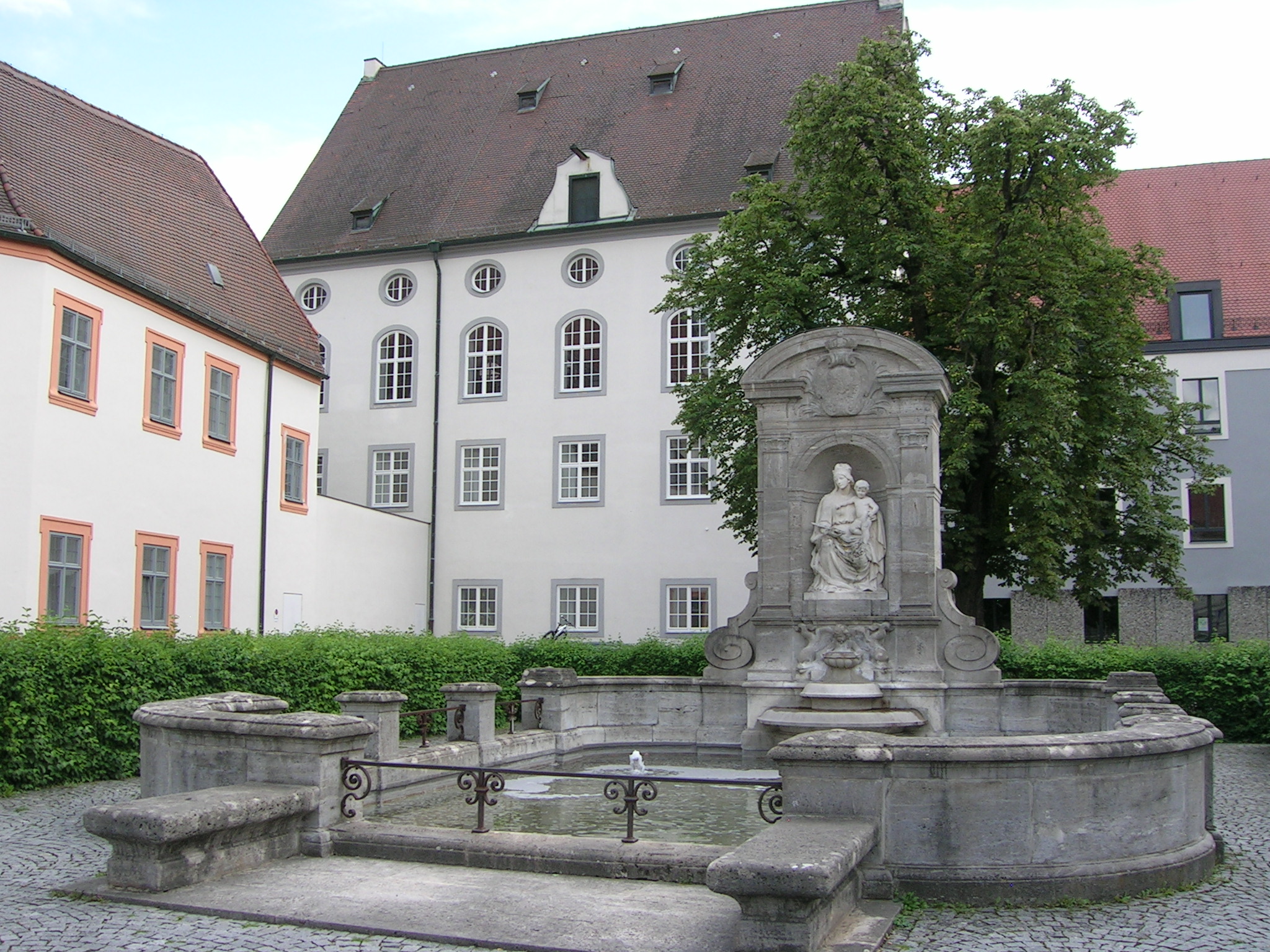
The Marienbrunnen (German for “Mary’s Fountain”) is a stone fountain situated at the heart of Eichstätt’s historic center. While its exact height and altitude remain undocumented, the fountain’s design reflects the traditional Bavarian style: a low, rounded basin fed by a single, gracefully curved spout. The stonework is adorned with subtle religious motifs that hint at its dedication to the Virgin Mary, a patron saint deeply revered in the region.
History & Significance
Eichstätt, often called the “Rome of Bavaria,” boasts a rich ecclesiastical heritage dating back to the early Middle Ages. The Marienbrunnen likely dates from the same period when public fountains served both practical and symbolic purposes—providing clean drinking water while acting as focal points for community gatherings and religious processions. Over the centuries, the fountain has survived wars, renovations, and the ebb and flow of tourism, standing today as a testament to the town’s commitment to preserving its cultural landscape.
Why It Matters
For locals, the Marienbrunnen is more than a decorative water feature; it’s a living piece of Eichstätt’s identity. The fountain marks a traditional meeting place, a spot where market vendors pause, and where children splash their feet during warm summer days. For visitors, it offers a glimpse into the everyday life of a Bavarian town that balances historic grandeur with intimate, human-scale charm.
3. How to Get There
By Train
The easiest way to reach Eichstätt—and consequently the Marienbrunnen—is via the Eichstätt railway station (Bahnhof Eichstätt). Direct regional trains connect the town to major hubs such as Nuremberg, Munich, and Regensburg. From the station, it’s a pleasant 10‑minute walk through the town’s pedestrian‑friendly streets to the fountain’s location near the central market square.
By Car
If you prefer driving, take the A9 Autobahn and exit at Eichstätt (Exit 45). Follow the signs for the town center (Altstadt). Parking is available in several public garages and surface lots just a few blocks from the fountain—look for the blue “P” signs. Bavarian roads are well‑maintained, and the drive offers scenic views of rolling hills and vineyards.
By Bus
Regional bus lines (e.g., VGN routes) link Eichstätt with neighboring towns such as Ingolstadt, Donauwörth, and Augsburg. The main bus stop, Eichstätt Bahnhof, is a short walk from the fountain.
On Foot or Bicycle
Eichstätt’s compact old town makes it ideal for walking or cycling. Many visitors rent a Fahrrad (bike) from local shops and enjoy a leisurely ride along the Altmühl River before meandering to the Marienbrunnen. The town’s bike lanes are clearly marked and safe for all skill levels.
Coordinates: 48.891142 N, 11.183211 E – simply plug these into your GPS or map app for pinpoint accuracy.
4. Best Time to Visit
| Season | Why Visit | Tips |
|---|---|---|
| Spring (April‑May) | Blossoming gardens and mild temperatures make strolling through Eichstätt especially pleasant. The fountain’s water glistens against fresh sunlight. | Bring a light jacket; rain showers are possible. |
| Summer (June‑August) | Warm days invite locals to sit on the fountain’s edge, creating a lively atmosphere. Evening festivals often spill onto nearby squares. | Arrive early to avoid crowds; stay hydrated. |
| Autumn (September‑October) | Golden foliage frames the historic streets, offering stunning photo backdrops. The cooler air makes a relaxed visit enjoyable. | Dress in layers; the fountain’s stone feels crisp in the autumn air. |
| Winter (November‑March) | Though colder, the fountain takes on a quiet, almost magical quality—especially when the surrounding market square is illuminated with holiday lights. | Check opening hours of nearby attractions; dress warmly. |
Overall, late spring to early autumn provides the most comfortable weather for an outdoor experience, but the Marienbrunnen remains accessible year‑round.
5. What to Expect
When you arrive at the Marienbrunnen, you’ll first notice the gentle sound of water flowing into the stone basin—a soothing soundtrack that instantly calms the senses. The fountain’s modest size invites close inspection: notice the subtle carvings that echo the baroque motifs of nearby churches, and feel the cool stone under your fingertips.
During peak tourist season, you’ll find a modest crowd of visitors snapping photos, locals chatting, and perhaps a street musician playing a traditional Bavarian tune. The surrounding cobblestones are lined with cafés and bakeries, so you can easily pair a visit to the fountain with a Bayerische Breze (pretzel) or a cup of Eichstätter Kaffee.
The Marienbrunnen also serves as a convenient landmark for navigating Eichstätt’s historic core. From here, you can easily walk to the Eichstätt Cathedral, the Altmühl River promenade, or the Willibaldsbrunnen, another charming fountain just a short distance away.
6. Nearby Attractions
Eichstätt’s compact old town means you can explore several points of interest within a 5‑minute walk of the Marienbrunnen. Below are the most popular nearby spots (each linked to its own Wikipedia page for deeper reading):
-
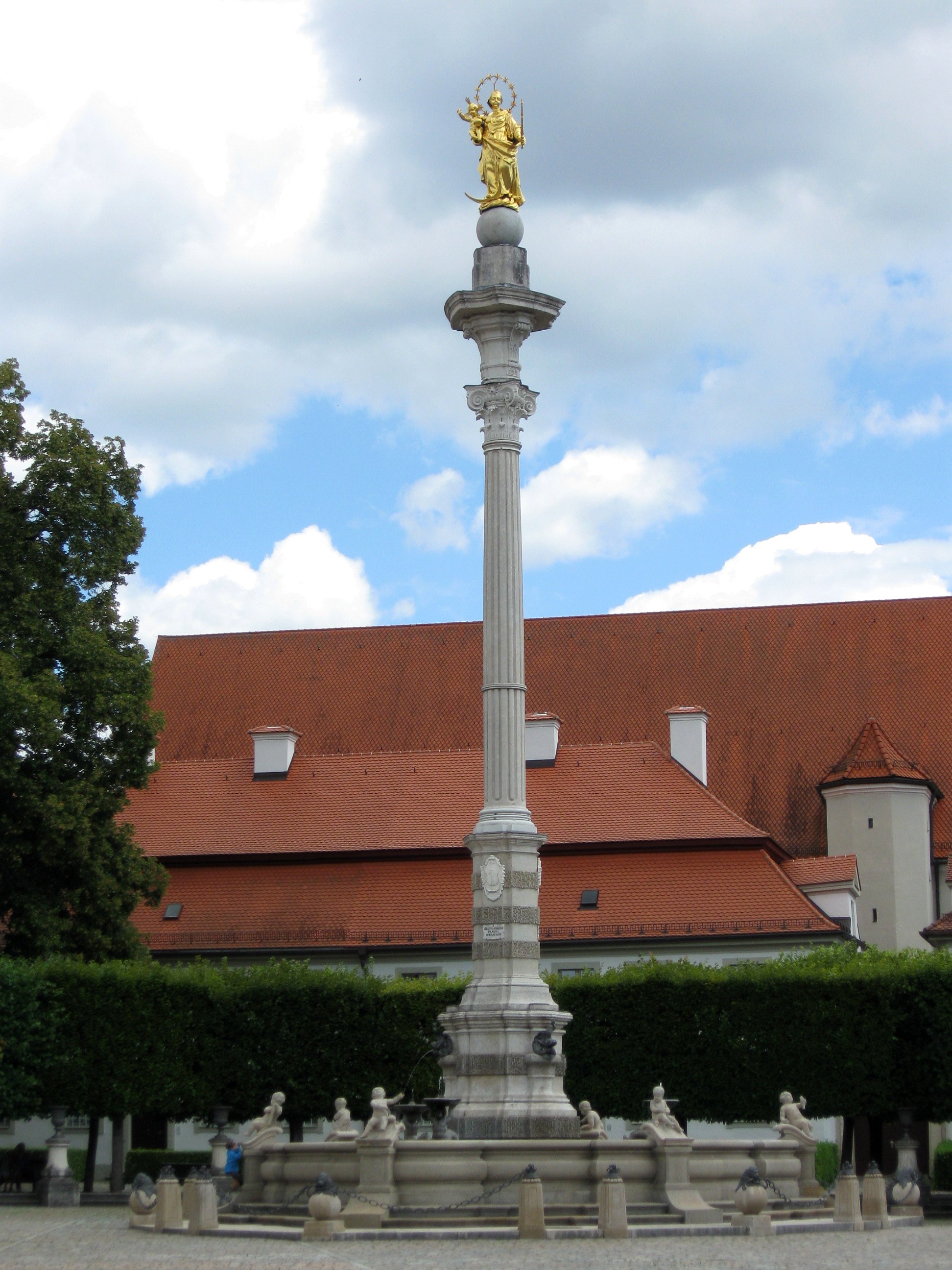
Wittelsbacher Brunnen – A slightly larger fountain located just 0.2 km away. Its ornate design celebrates the Wittelsbach dynasty that ruled Bavaria for centuries.
👉 Wittelsbacher Brunnen (Wikipedia) -
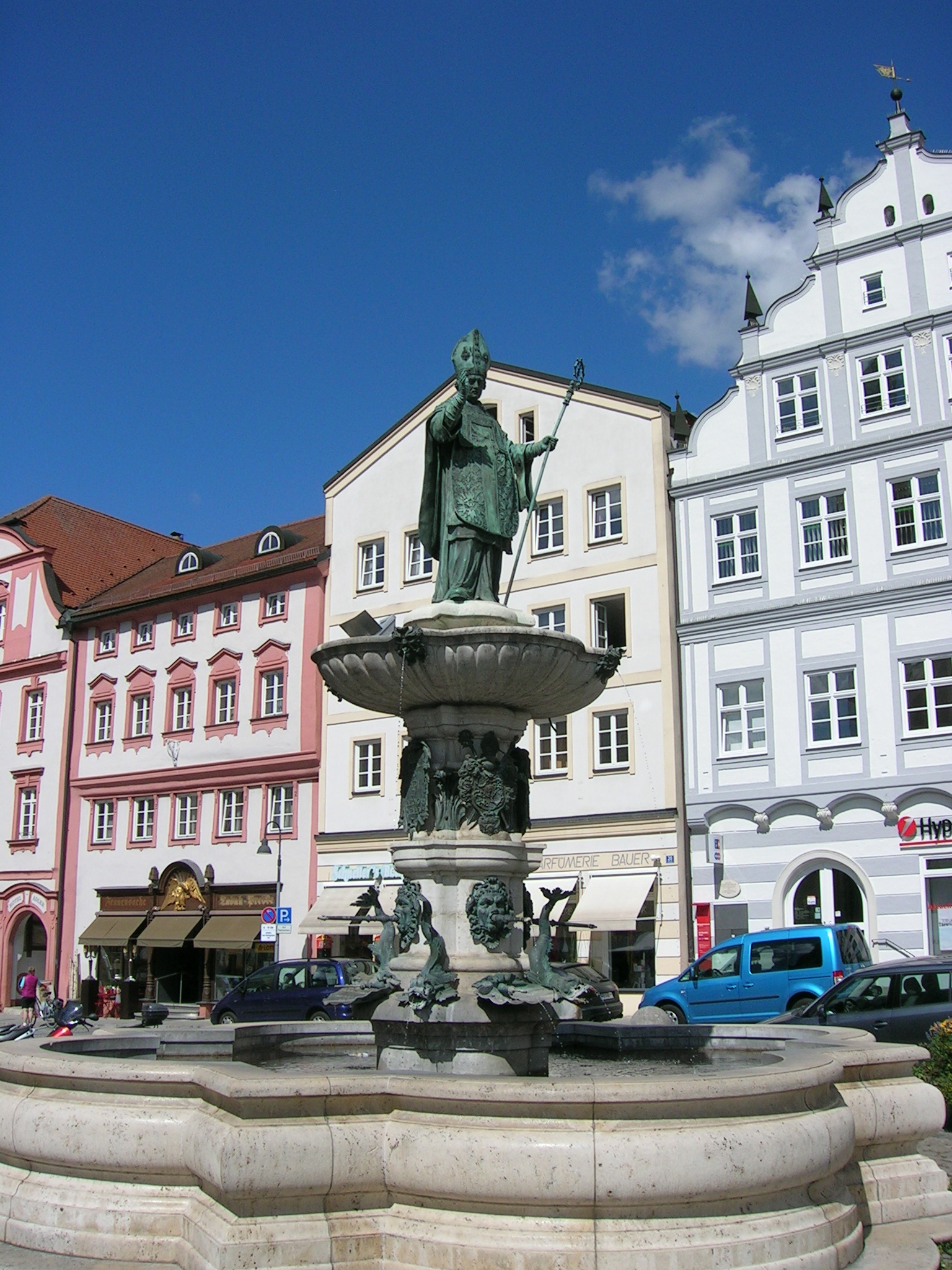
Willibaldsbrunnen – Situated 0.3 km from Marienbrunnen, this fountain honors Saint Willibald, the patron saint of Eichstätt. Its historic plaque offers insight into the town’s religious heritage.
👉 Willibaldsbrunnen (Wikipedia) -
Three Unnamed Fountains – Within a 0.1 km radius, you’ll encounter several smaller fountains that dot the town square. While they lack individual Wikipedia entries, they contribute to the overall charm of the area and are perfect for spontaneous photo opportunities.
-
Eichstätt Cathedral (Dom St. Willibrord) – A short stroll north of the fountain, this baroque masterpiece dominates the skyline and houses impressive frescoes and a historic organ.
-
Altmühl River Walk – Follow the riverbank trail for scenic views, especially beautiful during sunset when the water reflects the pastel sky.
-
Bishop’s Palace (Bischofspalast) – An elegant 18th‑century building now serving as a museum and cultural venue.
Exploring these attractions in a single day is entirely feasible, allowing you to soak up Eichstätt’s rich history while enjoying the relaxed pace of a Bavarian town.
7. Travel Tips
| Tip | Details |
|---|---|
| Bring Comfortable Shoes | The historic center is cobblestoned; sturdy, cushioned footwear will keep your feet happy. |
| Check Local Events | Eichstätt hosts seasonal festivals (e.g., Kirchweih, Christmas Market) that can add extra flavor to your visit—but also increase crowds. |
| Stay Hydrated | While the fountain is beautiful, the water is not intended for drinking. Carry a reusable bottle, especially in summer. |
| Respect the Site | As a cultural heritage monument, avoid climbing on the fountain or leaving litter. |
| Use Public Transport | Parking can be limited during peak times; the train and bus connections are reliable and eco‑friendly. |
| Capture the Moment | Early morning light offers the softest shadows for photography; consider a wide‑angle lens to include surrounding architecture. |
| Try Local Cuisine | After admiring the fountain, stop at a nearby café for a Bayerisches Frühstück (Bavarian breakfast) or a slice of Käsespätzle. |
| Language | While German is the official language, most locals in tourist areas speak basic English. Learning a few German greetings (e.g., “Guten Tag,” “Danke”) goes a long way. |
| Currency | Germany uses the Euro (€). Credit cards are widely accepted, but keep some cash for small vendors or markets. |
| Safety | Eichstätt is a low‑crime town. Standard travel precautions (watching belongings, staying aware at night) are sufficient. |
Final Thought
The Marienbrunnen may not be a towering monument, but its quiet elegance captures the essence of Eichstätt—a town where history, faith, and everyday life flow together like the water from its spout. By adding this fountain to your Bavarian itinerary, you’ll experience a slice of authentic local culture, discover hidden photo gems, and enjoy a peaceful pause amid your travels. So pack your camera, slip on those comfy shoes, and let the gentle sound of the Marienbrunnen guide you through the heart of Eichstätt.
Happy travels, and may every fountain you find bring a splash of wonder to your journey!