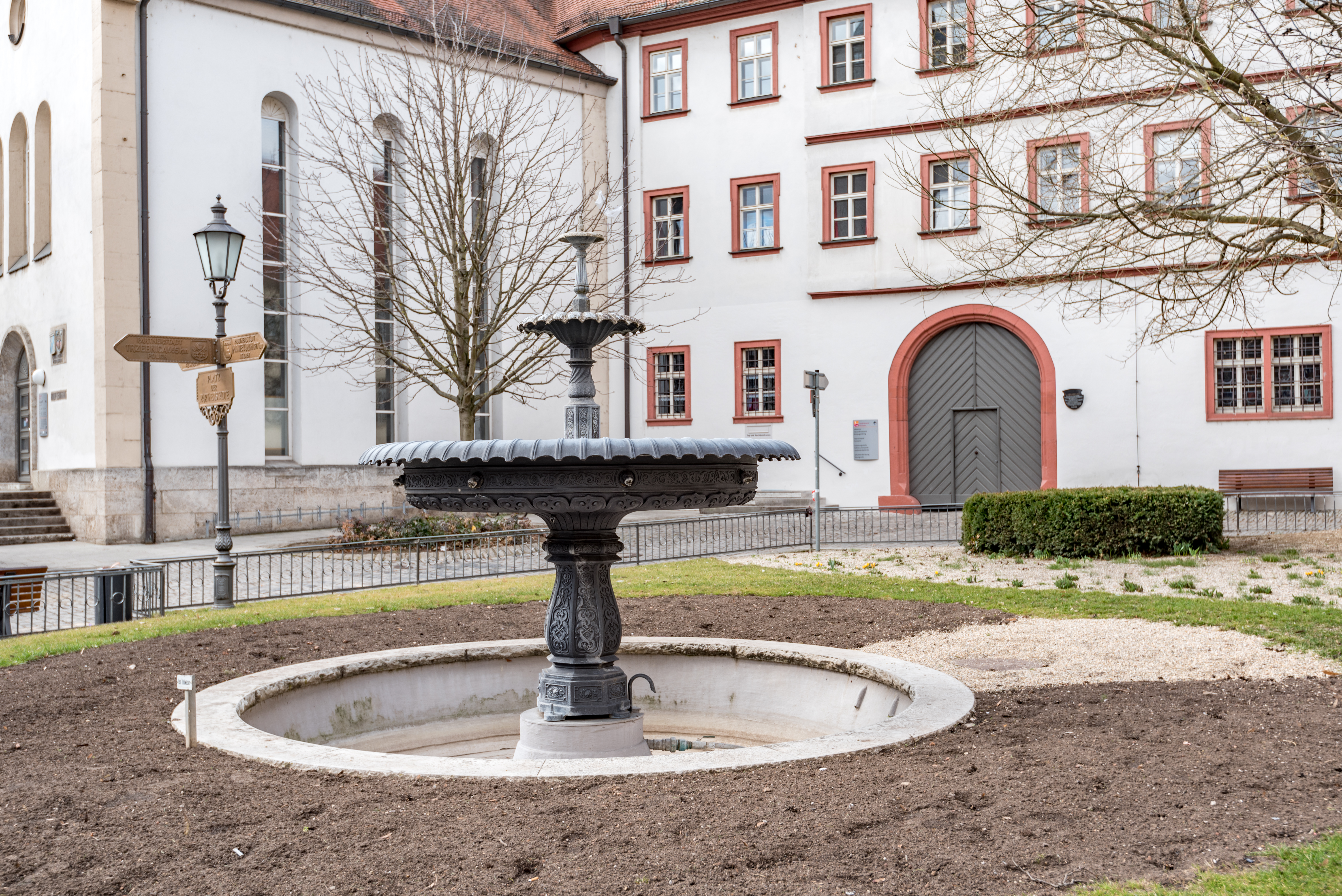
Ludwigsbrunnen – The Hidden Fountain Gem of Kitzingen, Bavaria
Discover the charm of a modest yet historic Bavarian fountain that locals love, and learn how to make the most of your visit to Kitzingen.
Introduction
If you think Bavaria’s attractions are limited to castles, alpine peaks, and Oktoberfest beer halls, think again. Tucked away in the heart of the picturesque town of Kitzingen lies Ludwigsbrunnen, a modest stone fountain that has quietly witnessed centuries of local life. While it may not boast the grandeur of Munich’s famous fountains, Ludwigsbrunnen offers an authentic slice of Bavarian heritage—perfect for travelers seeking off‑the‑beaten‑path experiences, photography lovers hunting for intimate details, and history buffs eager to explore the everyday spaces that shaped a community.
In this guide, we’ll dive into everything you need to know about Ludwigsbrunnen: its story, how to get there, the best time to visit, what you’ll see, nearby attractions, and practical travel tips. Whether you’re planning a day trip from Würzburg, a weekend stay in the Main River valley, or a longer Bavarian road‑trip, this fountain deserves a spot on your itinerary.
About Ludwigsbrunnen
A Brief Description
- Name: Ludwigsbrunnen
- Type: Fountain ⛲
- Location: Kitzingen, Bavaria, Germany
- Coordinates: 49.739510 N, 10.161492 E
Ludwigsbrunnen sits on a small square near the historic centre of Kitzingen, surrounded by traditional half‑timbered houses and narrow cobblestone streets. The fountain’s stone basin collects fresh water from the town’s old supply network, and its simple design reflects the functional elegance typical of early‑modern Bavarian public works.
Historical Context
While detailed archival records of Ludwigsbrunnen’s construction are scarce, the fountain is mentioned in local historical references (see the German Wikipedia entry: Ludwigsbrunnen (Kitzingen)). Its name suggests a dedication to a member of the ruling Ludwig lineage—possibly a tribute to a local noble or the Bavarian king who championed public water projects in the 18th or 19th century. Like many Bavarian fountains, it would have served both practical (providing drinking water) and social functions, acting as a gathering point for townsfolk.
Cultural Significance
In contemporary Kitzingen, Ludwigsbrunnen remains a beloved landmark. Residents often pause here on their way to the weekly market, and tourists snap photos of its weathered stone against the backdrop of colorful façades. The fountain embodies the town’s commitment to preserving everyday heritage—an invitation to step back in time without leaving the modern comforts of the city centre.
How to Get There
By Train
Kitzingen is well‑connected via the Main‑Donau‑Eisenbahn line. The Kitzingen train station (Kitzingen Bahnhof) lies just a 10‑minute walk from Ludwigsbrunnen. From major hubs like Würzburg (≈30 km north) or Nuremberg (≈120 km east), frequent regional trains arrive every hour.
By Car
- From Würzburg: Take the A3 eastbound, exit at Kitzingen (Exit 71). Follow signs for the town centre; the fountain is located near the historic market square.
- From Munich: Drive north on the A9, then transition to the A3 eastbound toward Würzburg. The total drive is roughly 2 hours (≈260 km).
Parking is available at the Stadtpark lot (≈5‑minute walk) and on several street‑side spaces near the centre. Be aware that Kitzingen’s narrow streets may restrict larger vehicles.
By Bike
Bicycle enthusiasts will love the Main River cycle route (Mainradweg), which passes through Kitzingen. The flat terrain and scenic river views make for an enjoyable ride to Ludwigsbrunnen. Bike racks are located near the fountain’s plaza.
Public Transport Within Town
Kitzingen’s local bus network (KVB) offers routes that stop at Marktplatz, the square adjacent to Ludwigsbrunnen. Check the latest timetables on the KVB website for exact departure times.
Best Time to Visit
| Season | Why Visit? | Typical Weather |
|---|---|---|
| Spring (April‑May) | Blossoming gardens, fewer tourists, pleasant temperatures for strolling. | 10‑18 °C, occasional rain. |
| Summer (June‑August) | Vibrant town festivals, longer daylight for photography. | 20‑28 °C, warm but comfortable. |
| Autumn (September‑October) | Golden foliage, harvest markets, crisp air ideal for coffee by the fountain. | 12‑20 °C, mild rain. |
| Winter (November‑March) | Quiet ambiance, festive Christmas lights in the town centre. | 0‑8 °C, occasional snow. |
Top recommendation: Late spring (mid‑May) offers a perfect blend of mild weather, blooming flower boxes, and a lively yet uncrowded atmosphere—ideal for capturing Ludwigsbrunnen in soft natural light.
What to Expect
Visual Experience
Approaching Ludwigsbrunnen, you’ll notice the contrast between the stone fountain and the colourful façades of surrounding buildings. The water trickles gently from a modest spout into a shallow basin, creating a soothing sound that blends with the hum of the market square. In summer, locals often place fresh flowers in the basin, adding bursts of colour.
Sensory Details
- Sounds: The soft splash of water, distant chatter from nearby cafés, and occasional church bells from St. Johannes Church.
- Smells: Freshly baked pretzels from a nearby bakery, seasonal fruit from market stalls, and the faint scent of river water carried by the breeze.
- Touch: The cool stone of the fountain’s base offers a tactile connection to centuries of foot traffic.
Photographic Opportunities
- Golden hour: Capture the fountain’s stone against the warm glow of sunrise or sunset.
- Nighttime: The plaza is illuminated by historic lanterns, creating a romantic ambience perfect for long‑exposure shots.
- Detail shots: Focus on the water flow, the texture of the stone, or the decorative ironwork (if present).
Nearby Amenities
A handful of cafés line the square, offering Bavarian specialties such as Weißwurst, Brezn, and locally brewed craft beers. Public restrooms are available at the Stadtbibliothek (city library) a few minutes away.
Nearby Attractions
While Ludwigsbrunnen is the star of today’s itinerary, the surrounding area offers several other charming fountains and historic sites—all within a short walk.
| Attraction | Distance | Highlights | Link |
|---|---|---|---|
| Kiliansbrunnen | 0.1 km | Another historic fountain, often decorated for local festivals. | Kiliansbrunnen (Wikipedia) |
| Unnamed Fountain #1 | 0.2 km | Small stone basin tucked behind a residential courtyard. | — |
| Unnamed Fountain #2 | 0.2 km | Features a decorative iron grate; popular with children. | — |
| Unnamed Fountain #3 | 0.3 km | Set beside a historic well, offering a glimpse into medieval water systems. | — |
| Brunnen | 0.5 km | A larger public fountain with a central sculpture, often a meeting point for locals. | — |
Tip: Combine these stops into a relaxed “Fountain Walk” that takes about 30‑45 minutes, allowing you to soak up Kitzingen’s historic ambience while snapping varied photos.
Travel Tips
- Check Opening Hours – While the fountain is publicly accessible 24/7, nearby cafés and restrooms may close early in winter.
- Bring a Reusable Water Bottle – The fountain’s water is safe to drink, making it a convenient refill point for eco‑conscious travelers.
- Dress for the Weather – Even in summer, evenings can be cool near the river; a light jacket is advisable.
- Cash & Card – Most cafés accept card, but small vendors at the market sometimes prefer cash (Euro).
- Local Events Calendar – Kitzingen hosts a Weinfest (wine festival) in early September; the fountain area becomes a lively backdrop for live music and street food.
- Photography Etiquette – Respect residents who may be using the fountain for daily chores; avoid blocking the basin during busy market hours.
- Language – Basic German phrases (e.g., “Bitte” for please, “Danke” for thank you) go a long way; most locals speak English, especially in tourist zones.
- Safety – The stone steps around the fountain can be slippery after rain; wear sturdy shoes.
Final Thoughts
Ludwigsbrunnen may not be the most famous landmark in Bavaria, but its quiet charm captures the essence of Kitzingen’s everyday history. A stop here offers more than a photo opportunity—it provides a moment to pause, listen to the gentle flow of water, and feel the pulse of a town that has thrived along the Main River for centuries. Pair it with a stroll through the historic centre, a bite of local cuisine, and a visit to the nearby fountains, and you’ll leave Kitzingen with a deeper appreciation for Bavaria’s hidden treasures.
Pack your camera, lace up your walking shoes, and let Ludwigsbrunnen guide you into the heart of Bavarian hospitality.