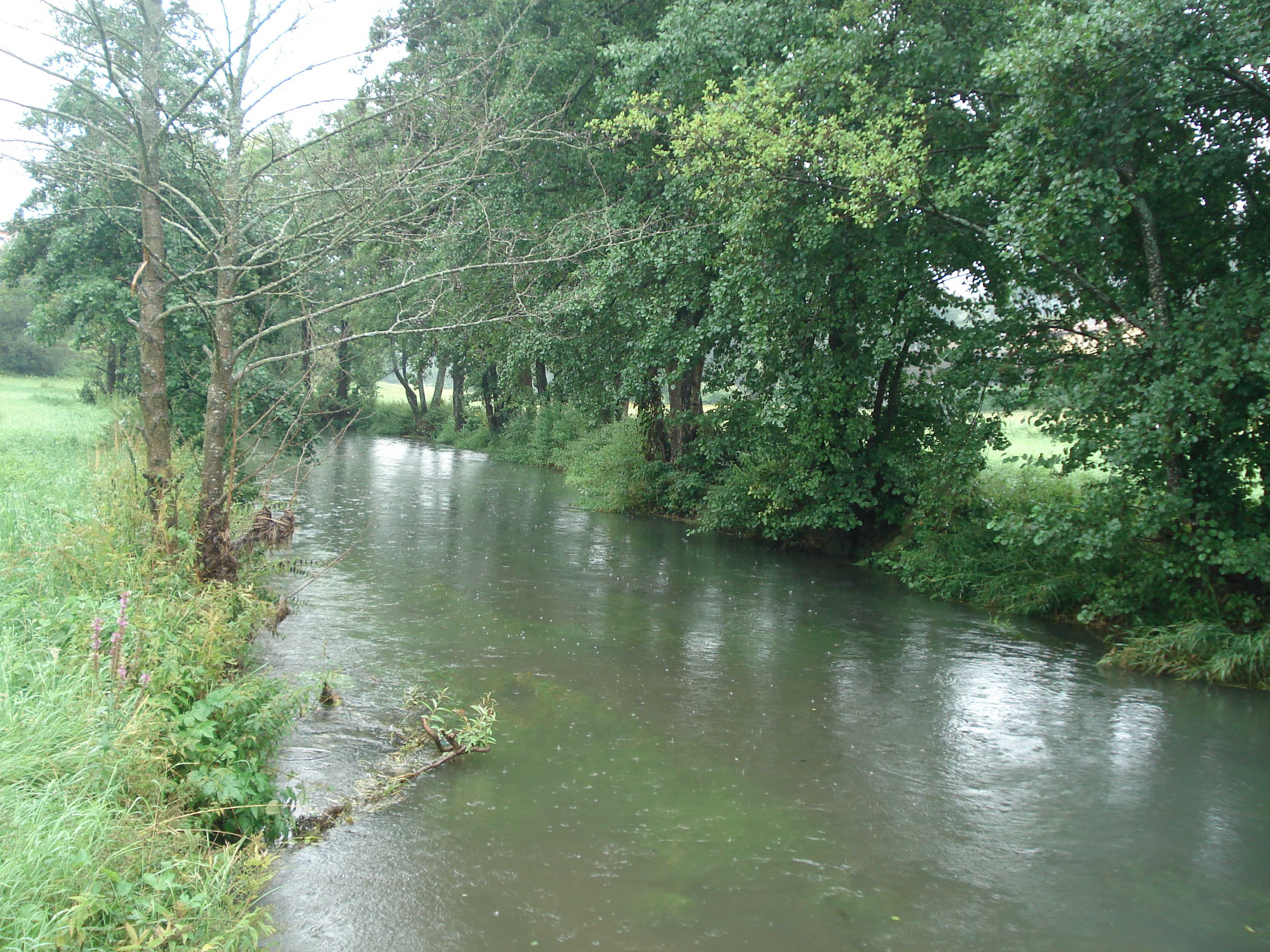
Laberquelle – Bavaria’s Hidden Spring Oasis
Discover the crystal‑clear source of the Schwarze Laber in Pilsach, a serene spot that feels worlds away from the bustling Alpine resorts.
1. Introduction
If you’ve ever chased the sound of water bubbling through a forest, you’ll know the thrill of stumbling upon a spring that seems to have been plucked straight from a storybook. Nestled in the rolling hills of Pilsach, Bavaria, Laberquelle (literally “Laber spring”) offers exactly that magic—a pristine, bubbling source that feeds the Schwarze Laber river and ultimately joins the mighty Danube.
Unlike the crowded thermal baths of Bad Füssing or the postcard‑perfect waterfalls of the Bavarian Alps, Laberquelle is a quiet, off‑the‑radar gem. It’s perfect for hikers, photographers, and anyone craving a moment of pure nature in the heart of southern Germany. In this guide we’ll dive into the spring’s story, show you how to get there, and reveal the best ways to make the most of your visit.
2. About Laberquelle
A Natural Birthplace
Laberquelle is the headwater of the Schwarze Laber, a tributary that winds its way north‑east through the Upper Palatinate before merging with the Danube near Regensburg. The spring itself emerges from a shallow limestone outcrop, sending a steady stream of clear, cold water into the surrounding meadow. Though its exact altitude isn’t recorded, the location sits at roughly 470 m above sea level—typical for the gently undulating terrain of the Upper Palatinate region.
Historical Roots
The spring has been known to locals for centuries, primarily as the lifeline of nearby farms and villages. Historical maps label the watercourse as “Schwarze Laber” (Black Laber), a name that hints at the dark, mineral‑rich stones the water runs over. While there are no grand monuments or elaborate legends attached to Laberquelle, its humble presence is woven into the everyday rhythm of Pilsach’s agricultural heritage.
Why It Matters
- Ecological hotspot – The constant flow creates a micro‑habitat for amphibians, insects, and mosses that thrive in clean, oxygen‑rich water.
- Source of the Schwarze Laber – As the river’s origin, Laberquelle plays a crucial role in the water quality downstream, influencing ecosystems all the way to the Danube.
- Quiet recreation – With no commercial development, the spring offers a peaceful spot for picnics, bird‑watching, and low‑impact photography.
3. How to Get There
By Car
The most straightforward way to reach Laberquelle is by car. From Regensburg, follow the B15 south toward Neumarkt in der Oberpfalz, then take the B299 east to Pilsach. From the town centre, turn onto Kreuzstraße (local road) and follow the signs for the Schwarze Laber. The spring sits just off the road at the coordinates 49.313521, 11.560774—a small stone marker indicates the spot.
- Parking: There is a modest, free parking area near the trailhead (about 200 m from the spring). The lot is unpaved but well‑drained.
- Driving time: Roughly 1 hour 15 minutes from Regensburg; 45 minutes from Neumarkt.
By Public Transport
Public transport is limited but doable for the adventurous:
- Train: Take a regional train from Regensburg to Neumarkt in der Oberpfalz (RE 1 or RB 57).
- Bus: From Neumarkt, catch the VGN bus line 714 toward Pilsach. The bus stops at the village centre.
- Walk / Bike: From the Pilsach stop, it’s a pleasant 2 km walk or 8 km bike ride along quiet country lanes to Laberquelle.
Tip: Check the latest timetables on the VGN (Verkehrsverbund Großraum Nürnberg) website—services run roughly every hour on weekdays, less frequently on weekends.
By Bike
The Upper Palatinate bike network offers scenic, low‑traffic routes connecting Regensburg, Neumarkt, and Pilsach. A bike ride from Neumarkt to Laberquelle takes about 30 minutes on mostly paved paths, making it a great option for eco‑travelers.
4. Best Time to Visit
| Season | What to Expect | Why It’s Ideal |
|---|---|---|
| Spring (April‑May) | Snowmelt feeds the spring, creating a lively, slightly higher flow. Wildflowers carpet the meadow. | Fresh, vibrant scenery; cooler temperatures for hiking. |
| Summer (June‑August) | Warm days, longer daylight. The water stays cool, perfect for a quick foot‑dip. | Ideal for families and photographers chasing golden hour light. |
| Autumn (September‑October) | Leaves turn amber, and the forest around the spring takes on a magical hue. | Fewer visitors, crisp air, and spectacular foliage for landscape shots. |
| Winter (November‑March) | The spring may be partially iced, but the surrounding woods are serene and quiet. | A peaceful, contemplative experience; great for winter nature walks if you’re properly dressed. |
Overall recommendation: Late spring to early autumn (May‑September) offers the most comfortable weather and the richest visual palette, especially for those looking to capture the spring’s crystal waters against a backdrop of blooming flora.
5. What to Expect
The Senses
- Sight: A gentle, bubbling pool framed by low‑lying birch and spruce. The water is crystal‑clear, reflecting the sky and surrounding foliage.
- Sound: A soft, continuous murmur as water escapes the limestone fissure—perfect for meditation or background ambiance while you sip a coffee.
- Smell: Fresh, earthy aromas of damp moss, pine needles, and wild herbs. In spring, a faint scent of blossoming meadow flowers drifts on the breeze.
- Touch: The water is chilly (around 8‑10 °C year‑round). A quick hand‑dip is invigorating; the surrounding stones are smooth from centuries of water flow.
Activities
- Short hike: A 2 km loop trail leads from the spring through mixed forest, passing a few small brooks and a viewpoint over the Schwarze Laber valley.
- Photography: The spring’s natural framing makes it a favorite for macro shots of water droplets and wide‑angle landscape photos. Early morning light creates a soft glow on the water surface.
- Picnicking: Bring a blanket and a packed lunch. The meadow near the spring is flat, shaded by trees, and offers a quiet spot to relax.
- Birdwatching: The area attracts European robin, goldfinch, and occasionally the elusive black woodpecker.
Note: As Laberquelle is a natural water source, swimming is discouraged to protect water quality. Respect the surrounding flora and stay on marked paths.
6. Nearby Attractions
While Laberquelle is the star, the surrounding countryside offers several other charming springs and historic sites—each within a short walk or bike ride.
| Attraction | Distance from Laberquelle | What to See | Link |
|---|---|---|---|
| Vogelbrunnen Quelle | 1.9 km | A small spring known for its bird‑friendly habitat. Ideal for a quick detour and bird‑watching. | Vogelbrunnen Quelle |
| Schloßquelle | 2.0 km | Historically linked to a nearby castle ruin; the spring feeds a decorative pond. | Schloßquelle |
| Unnamed Spring #1 | 2.4 km | A secluded woodland spring, perfect for a quiet moment away from the trail. | — |
| Unnamed Spring #2 | 2.5 km | Another hidden water source, often visited by local hikers. | — |
Bonus nearby town: The historic market town of Pilsach itself (just 1 km north) offers a small café, a traditional Bavarian bakery, and a local museum showcasing agricultural tools from the Upper Palatinate.
7. Travel Tips
- Dress in layers – Even in summer, the spring’s water is cold, and mornings can be chilly. A light waterproof jacket is advisable.
- Footwear matters – Sturdy hiking shoes with good grip protect against slippery stones and muddy paths, especially after rain.
- Pack a reusable water bottle – While the spring water is pristine, it’s best to avoid direct consumption to preserve the source.
- Leave no trace – Bring a small trash bag for any waste, and stick to the marked trail to protect delicate moss and plant life.
- Timing for photos – Arrive early (sunrise to 9 am) for soft light and fewer visitors. The golden hour just before sunset also yields warm tones on the water.
- Check local events – Pilsach hosts a summer folk festival in July; accommodations can fill up quickly, so book early if you plan to stay overnight.
- Mobile signal – Coverage can be spotty in the forest; download offline maps (e.g., Komoot or Google Maps offline) before you set out.
- Safety – The area is low‑risk, but always let someone know your planned route, especially if you’re hiking alone.
Wrap‑Up
Laberquelle may not have the grandeur of a Bavarian castle or the fame of a Alpine waterfall, but its understated beauty and ecological significance make it a rewarding destination for the curious traveler. Whether you’re tracing the source of the Schwarze Laber, snapping a perfect macro shot, or simply listening to the gentle lullaby of water in a quiet meadow, Laberquelle invites you to pause, breathe, and reconnect with nature’s purest rhythms.
Pack your boots, grab a map, and let the spring’s crystal flow guide you through one of Bavaria’s most tranquil hidden treasures. Safe travels!