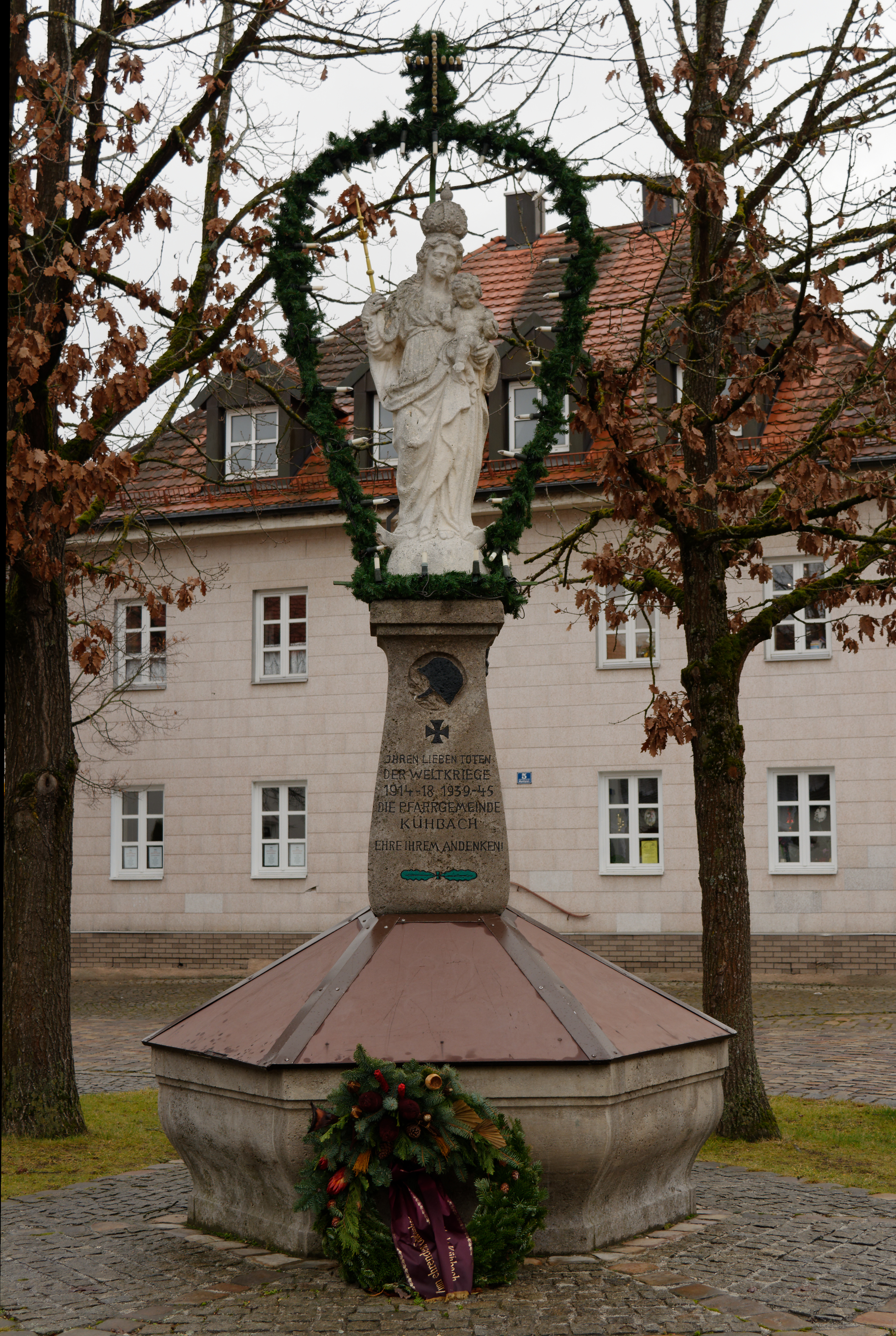
Kriegerdenkmal Fountain – A Hidden Gem in the Bavarian Countryside
Discover the quiet charm of Kriegerdenkmal, a historic fountain tucked away in the lush landscape of Kuhbach, Bavaria. Whether you’re a seasoned traveler seeking off‑the‑beaten‑path sights or a local explorer craving a day‑trip, this modest monument offers a perfect blend of history, nature, and Bavarian serenity.
1. Introduction
Imagine strolling through a tranquil Bavarian meadow, the air scented with pine and fresh water, when you stumble upon a stone‑crowned fountain that seems to whisper stories of a bygone era. That’s the moment you’ll experience at Kriegerdenkmal, a modest yet striking fountain perched near the small village of Kuhbach in the heart of Bavaria, Germany. Though it doesn’t boast the grandeur of Munich’s famous landmarks, Kriegerdenkmal captures the spirit of regional heritage and offers a peaceful retreat for anyone craving a slice of authentic German countryside.
2. About Kriegerdenkmal
A Brief Description
- Name: Kriegerdenkmal
- Type: Fountain ⛲
- Location: Kuhbach, Bavaria, Germany
- Coordinates: 48.491164 N, 11.184751 E
The fountain sits amid a gently rolling landscape, surrounded by forested hills and grazing fields. While the exact height of the structure remains undocumented, its stone basin and modest pedestal make it instantly recognizable as a local landmark.
Historical Roots
The name Kriegerdenkmal translates to “Warrior’s Memorial,” hinting at a commemorative purpose beyond its functional role as a water source. According to the German Wikipedia entry for Kriegerdenkmal (Kühbach), the monument was erected to honor local soldiers who served in past conflicts, though precise dates and details are scarce. Its dual identity—as both a memorial and a public fountain—reflects a common Bavarian tradition of intertwining remembrance with everyday life.
Cultural Significance
In Bavarian villages, fountains historically served as communal gathering points, providing fresh water for residents and livestock. Kriegerdenkmal continues this legacy, acting as a quiet meeting place for hikers, cyclists, and families picnicking in the surrounding meadow. The monument also stands as a subtle reminder of the region’s respect for its ancestors, making it a meaningful stop for history enthusiasts and cultural travelers alike.
3. How to Get There
By Air
The nearest major airport is Munich International Airport (MUC), roughly 120 km (75 mi) north of Kuhbach. From Munich, you can rent a car or take a combination of train and bus services to reach the village.
By Train
- Munich Hauptbahnhof → Augsburg → Kempten – The main rail line runs through Augsburg and Kempten, both well‑connected to Munich.
- From Kempten, catch a regional train to Kuhbach (the stop may be a small halt; check the DB (Deutsche Bahn) timetable).
By Car
Driving is the most flexible option, especially if you plan to explore nearby attractions.
- From Munich: Take the A96 toward Memmingen, then follow the B308 and local signs to Kuhbach. The journey takes about 1.5 hours (≈130 km).
- Parking: Kuhbach offers modest roadside parking near the village centre. A short 5‑minute walk leads you to the fountain’s location at the coordinates above.
By Bike or Hike
For the adventurous, the Bavarian Alpine Trail (Bayerischer Alpenweg) passes near Kuhbach, offering scenic cycling routes that culminate at Kriegerdenkmal. Bring a map or use a GPS app to navigate the rural roads safely.
4. Best Time to Visit
| Season | Highlights | Tips |
|---|---|---|
| Spring (April–June) | Blooming wildflowers, gentle temperatures, flowing spring water. | Wear waterproof shoes; the fountain’s basin may be slick. |
| Summer (July–August) | Long daylight hours, ideal for picnics and photography. | Arrive early to avoid occasional tourist crowds from nearby towns. |
| Autumn (September–October) | Golden foliage, crisp air, fewer visitors. | Perfect for a quiet walk; bring a warm jacket for evenings. |
| Winter (November–March) | Snow‑capped landscape, serene silence. | Some paths may be icy; check local weather before heading out. |
Overall, late spring to early autumn offers the most comfortable weather for exploring the fountain and its surroundings.
5. What to Expect
The Setting
Upon arrival, you’ll find Kriegerdenkmal nestled in a modest clearing, framed by mature oak and spruce trees. The stone fountain’s basin holds clear, cool water that reflects the sky—an inviting spot to pause and soak in the natural ambience. A short distance away, a small wooden bench provides a place to rest while listening to the soft murmur of nearby streams.
The Experience
- Historical Reflection: Take a moment to read any plaques or inscriptions (if present) that explain the memorial’s dedication.
- Photography: The fountain’s rustic stonework, combined with the surrounding meadow, creates a picture‑perfect backdrop. Early morning light adds a magical glow.
- Nature Walks: Follow the faint footpaths that lead to the nearby spring (1.6 km away) or the weirs (3.0 km and 3.3 km away). These short hikes showcase the region’s pristine watercourses.
- Local Interaction: If you’re lucky, you might encounter a local farmer or a family enjoying a picnic—Bavarian hospitality is warm and welcoming.
6. Nearby Attractions
While Kriegerdenkmal is the star of the day, the surrounding area offers several natural and cultural points of interest within a short drive or walk:
-
Unnamed Spring – 1.6 km
A crystal‑clear spring bubbling from the hillside. Ideal for a quick nature break.
Learn more -
Weir (Wehr) – 3.0 km
A historic water management structure that demonstrates traditional Bavarian engineering.
Learn more -
Second Weir – 3.3 km
Slightly larger than the first, offering a scenic spot for birdwatching.
Learn more -
Weinbergquelle Spring – 4.4 km
Known for its slightly mineral‑rich water, the Weinbergquelle is a popular local landmark.
Learn more -
Nearby Fountain – 4.6 km
Another charming fountain set amidst a small orchard, perfect for a quiet stroll.
Learn more
These attractions can easily be combined into a half‑day itinerary, especially if you’re traveling by car or bicycle.
7. Travel Tips
- Check Opening Hours: The fountain is public and accessible year‑round, but nearby amenities (toilets, cafés) may have limited hours, especially outside the summer season.
- Bring Cash: Small villages like Kuhbach often rely on cash for local shops and vending machines.
- Stay Connected: Mobile reception can be spotty in rural Bavaria; download offline maps beforehand.
- Respect the Site: As a memorial, avoid climbing on the stone structures and keep the area litter‑free.
- Pack a Picnic: There are no dedicated cafés near the fountain, so bring snacks and water (though the fountain’s water is fresh, it’s advisable to bring your own drinking water).
- Dress for the Weather: Even in summer, Bavarian evenings can be cool; a light jacket is always a good idea.
- Photography Etiquette: If you encounter locals, ask permission before taking close‑up photos of people or personal property.
Final Thoughts
Kriegerdenkmal may not dominate travel guide headlines, but its quiet elegance, historical resonance, and idyllic setting make it a rewarding destination for anyone seeking authentic Bavarian experiences. Whether you’re tracing the footsteps of local heroes, savoring the gentle sounds of flowing water, or simply enjoying a moment of peace away from bustling city streets, this modest fountain offers a memorable slice of Germany’s rich cultural tapestry.
Pack your walking shoes, grab a map, and let the charm of Kuhbach’s Kriegerdenkmal fountain add a gentle ripple to your Bavarian adventure.