Jakobsbrunnen – Augsburg’s Hidden Fountain Gem
Discover the charm of a centuries‑old water feature tucked in the heart of Bavaria’s vibrant city of Augsburg.
Introduction
If you’re wandering the historic streets of Augsburg and stumble upon a modest stone basin bubbling with crystal‑clear water, you’ve found Jakobsbrunnen – a quiet yet captivating fountain that has been quenching the thirst of locals and travelers alike for generations. Unlike the grandiose fountains of Munich or the ornate waterworks of Nuremberg, Jakobsbrunnen offers a more intimate glimpse into Augsburg’s medieval past, making it a perfect stop for history buffs, photography lovers, and anyone seeking a peaceful pause amid a bustling city.
About Jakobsbrunnen
A Brief Description
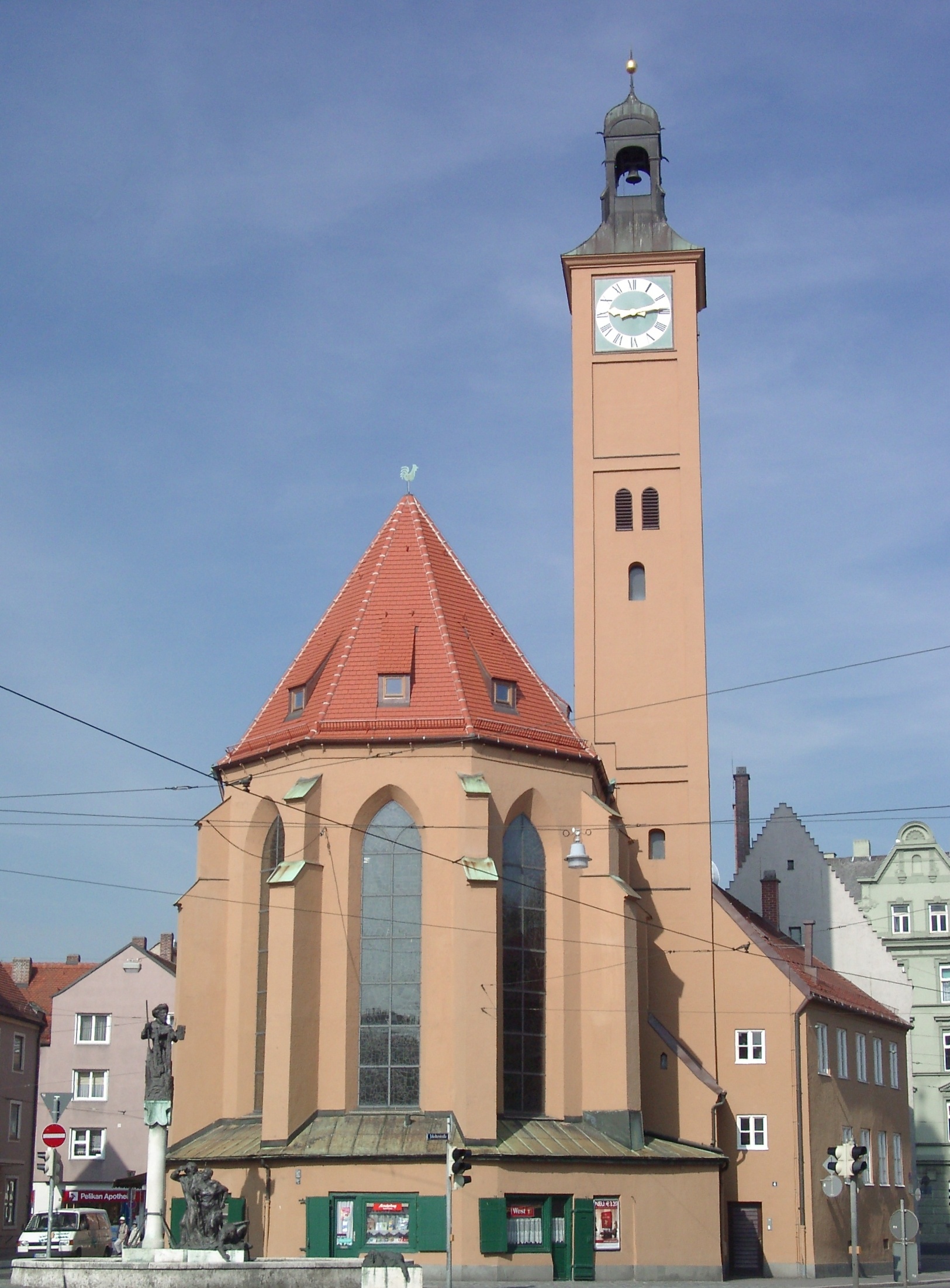
Jakobsbrunnen (German for “Jacob’s Fountain”) is a historic fountain situated at the coordinates 48.370044, 10.905392 in the St. Jakob district of Augsburg, Bavaria, Germany. The fountain is set against a backdrop of narrow cobblestone lanes and the timeless façade of St. Jakob’s Church, creating a picturesque tableau that feels frozen in time. While the exact height and altitude of the fountain are not documented, its modest stone basin and simple water spout reflect the functional design typical of medieval public fountains.
Historical Roots
The fountain’s origins are intertwined with the development of Augsburg’s early water supply system. In medieval Europe, public fountains like Jakobsbrunnen served as essential communal resources, providing clean drinking water before modern plumbing existed. Over the centuries, the fountain has survived wars, urban renewal, and the shift from horse‑drawn carts to motor vehicles, remaining a steadfast symbol of the city’s resilience.
According to the German Wikipedia entry for St. Jakob (Augsburg), Jakobsbrunnen was historically linked to the church’s charitable mission, offering free water to pilgrims and the local populace. Its name pays homage to St. Jacob, the patron saint of travelers, reinforcing the fountain’s role as a welcoming oasis for wayfarers entering the city.
Cultural Significance
Today, Jakobsbrunnen is more than a functional water source; it is a living piece of Augsburg’s cultural tapestry. Locals often gather around the fountain for a brief chat, and the gentle sound of flowing water adds a soothing soundtrack to the surrounding market stalls and historic architecture. The fountain also appears in guided walking tours that explore Augsburg’s medieval quarter, highlighting its importance as a point of reference for the city’s urban layout.
How to Get There
By Air
The nearest major airport is Munich International Airport (MUC), about 80 km east of Augsburg. From Munich, you can catch a direct Deutsche Bahn (DB) train to Augsburg Hauptbahnhof (main station) – the journey takes roughly 45 minutes.
By Train
Augsburg is a key hub on Germany’s rail network. High‑speed ICE trains connect the city to Munich, Nuremberg, Berlin, and Frankfurt. From Augsburg Hauptbahnhof, hop on a regional S‑train (S4) toward Kreuzstraße and alight at St. Jakob station – the stop is just a two‑minute walk from Jakobsbrunnen.
By Car
If you’re driving, take the A8 motorway (Munich–Stuttgart) and exit at Augsburg-West (exit 70). Follow signs for the city centre (Innenstadt) and head toward St. Jakob Straße. Parking is available at the nearby St. Jakob underground garage (St. Jakob Tiefgarage).
On Foot or Bike
Augsburg’s historic centre is compact and pedestrian‑friendly. From the Augsburg Town Hall (Rathaus), it’s a pleasant 10‑minute walk north along Maximilianstraße and Jakobstraße. The city’s bike‑share system (Nextbike) has stations close to the fountain, making a quick ride a breeze.
Best Time to Visit
| Season | Why Visit? | Tips |
|---|---|---|
| Spring (April‑May) | Blossoming linden trees line the streets, and the fountain’s water glistens in the soft sunlight. | Wear comfortable shoes for cobblestone walking. |
| Summer (June‑August) | Warm days encourage locals to sit by the fountain, creating a lively atmosphere. | Arrive early in the morning to avoid peak tourist crowds. |
| Autumn (September‑October) | Golden foliage adds a magical backdrop; the cooler air makes strolling pleasant. | Bring a light jacket; evenings can be crisp. |
| Winter (November‑February) | The fountain takes on a quiet, almost mystical vibe, especially when the surrounding market squares are lit with festive lights. | Check opening hours of nearby cafés; some may close early. |
Overall, late spring and early autumn offer the most comfortable weather and the best photo opportunities.
What to Expect
When you arrive at Jakobsbrunnen, you’ll be greeted by a stone basin fed by a modest water spout that produces a gentle, continuous flow. The fountain is set against the historic St. Jakob Church, whose baroque façade provides a striking contrast to the fountain’s simple medieval design.
The immediate surroundings are bustling yet relaxed:
- Market stalls often line the adjacent streets, selling fresh Bavarian produce, handcrafted souvenirs, and regional delicacies such as Bavarian pretzels and Leberkäse.
- Cafés with outdoor seating spill onto the square, allowing you to sip a coffee while listening to the soft murmur of water.
- Street musicians sometimes perform nearby, adding a melodic soundtrack to your visit.
Because the fountain is a public water source, you can fill a reusable bottle directly from the spout—an eco‑friendly perk for the environmentally conscious traveler.
Photographers will appreciate the play of light and shadow on the stonework, especially during the golden hour (just after sunrise or before sunset). The fountain’s modest size makes it perfect for close‑up detail shots as well as wider compositions that capture the surrounding architecture.
Nearby Attractions
Augsburg’s historic centre is a treasure trove of sights within walking distance of Jakobsbrunnen. Here are the top spots you can explore on the same day:
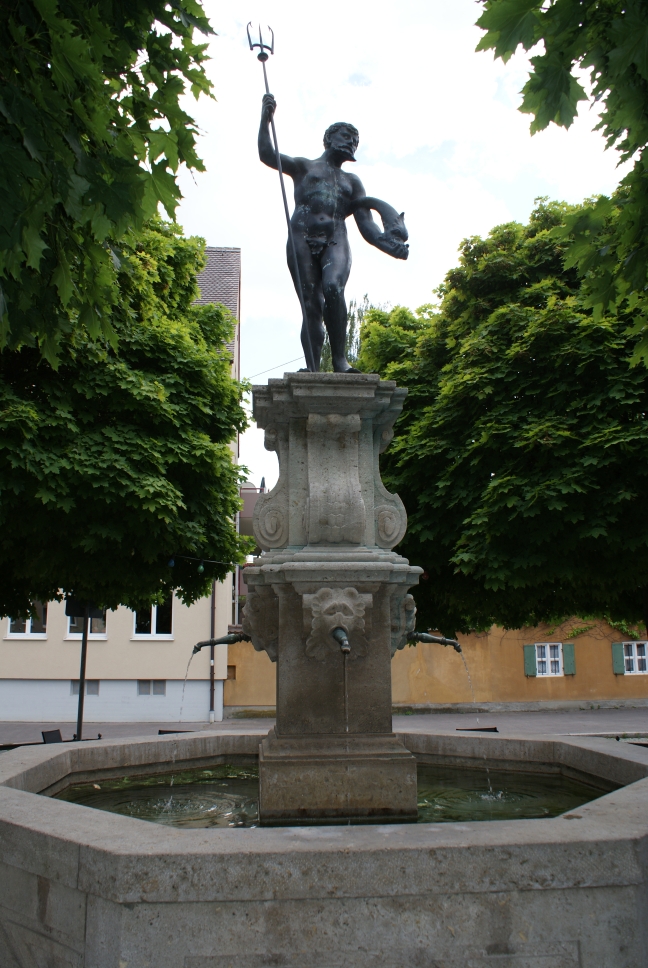
- Neptunbrunnen – Only 0.1 km away, this larger baroque fountain depicts the Roman god Neptune and serves as a popular meeting point.
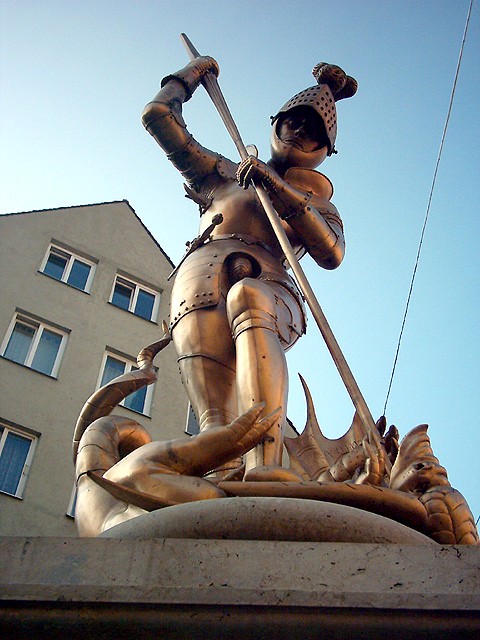
- Georgsbrunnen – Situated 0.4 km from Jakobsbrunnen, this charming fountain honors St. George and offers another picturesque water feature for photo enthusiasts.
- Additional historic fountains – Within a 0.2 km radius, you’ll encounter several smaller, unnamed fountains that contribute to Augsburg’s rich water heritage.
- Weir (Röhrwerk) – Approximately 0.4 km away, this historic weir once regulated the flow of the Lech River and now serves as an interesting engineering landmark.
All of these attractions are easily reachable on foot, allowing you to weave a delightful “Fountain Trail” through Augsburg’s old town.
Travel Tips
- Dress for cobblestones – The historic streets are paved with uneven stones; sturdy, comfortable shoes will keep your feet happy.
- Carry a reusable water bottle – Fill it at Jakobsbrunnen (the water is safe to drink) and stay hydrated while reducing plastic waste.
- Check local events – Augsburg hosts seasonal markets (e.g., Christkindlesmarkt in December) that can turn the area around the fountain into a festive hub.
- Mind the opening hours of nearby cafés – While the fountain is always accessible, some surrounding cafés close early in winter. Plan a coffee break accordingly.
- Use a local map or app – The city’s Augsburg Tourist App offers an interactive walking tour that highlights Jakobsbrunnen and the nearby attractions mentioned above.
- Respect the site – As a historic public water source, avoid littering and keep the area clean for future visitors.
Wrap‑Up
Jakobsbrunnen may not boast the towering grandeur of a palace or the fame of a world‑renowned museum, but its understated elegance and deep roots in Augsburg’s everyday life make it a must‑see hidden gem for any traveler exploring Bavaria. Whether you’re sipping a latte by the water, snapping photos of the medieval stonework, or simply pausing to listen to the gentle splash, Jakobsbrunnen offers a serene slice of history that enriches your Augsburg adventure.
Ready to add this charming fountain to your Bavarian itinerary? Pack your camera, lace up those walking shoes, and let Jakobsbrunnen welcome you with a cool, refreshing splash of the past.