Hugenottenbrunnen – Erlangen’s Hidden Baroque Fountain
Discover the story, setting, and surrounding charms of the Hugenottenbrunnen, a lesser‑known jewel in the heart of Bavaria.
1. Introduction
If you think Bavaria is only about Alpine peaks, beer halls, and fairy‑tale castles, think again. Tucked inside the historic Schlossgarten of Erlangen lies a modest yet captivating water feature that has been whispering its story for more than three centuries: the Hugenottenbrunnen. This baroque fountain, set against the gentle slope of the Felsenberg, blends art, politics, and religious symbolism in a single stone‑crafted tableau. Whether you’re a seasoned traveler hunting off‑the‑beaten‑path attractions, a history buff fascinated by the Huguenot diaspora, or simply someone who loves to pause beside a sparkling fountain, the Hugenottenbrunnen offers a quiet moment of reflection amid Erlangen’s vibrant university town atmosphere.
2. About Hugenottenbrunnen
A Brief Description
- Type: Fountain (Baroque)
- Location: Schlossgarten, Erlangen, Bavaria, Germany
- Coordinates: 49.597997 N, 11.005306 E
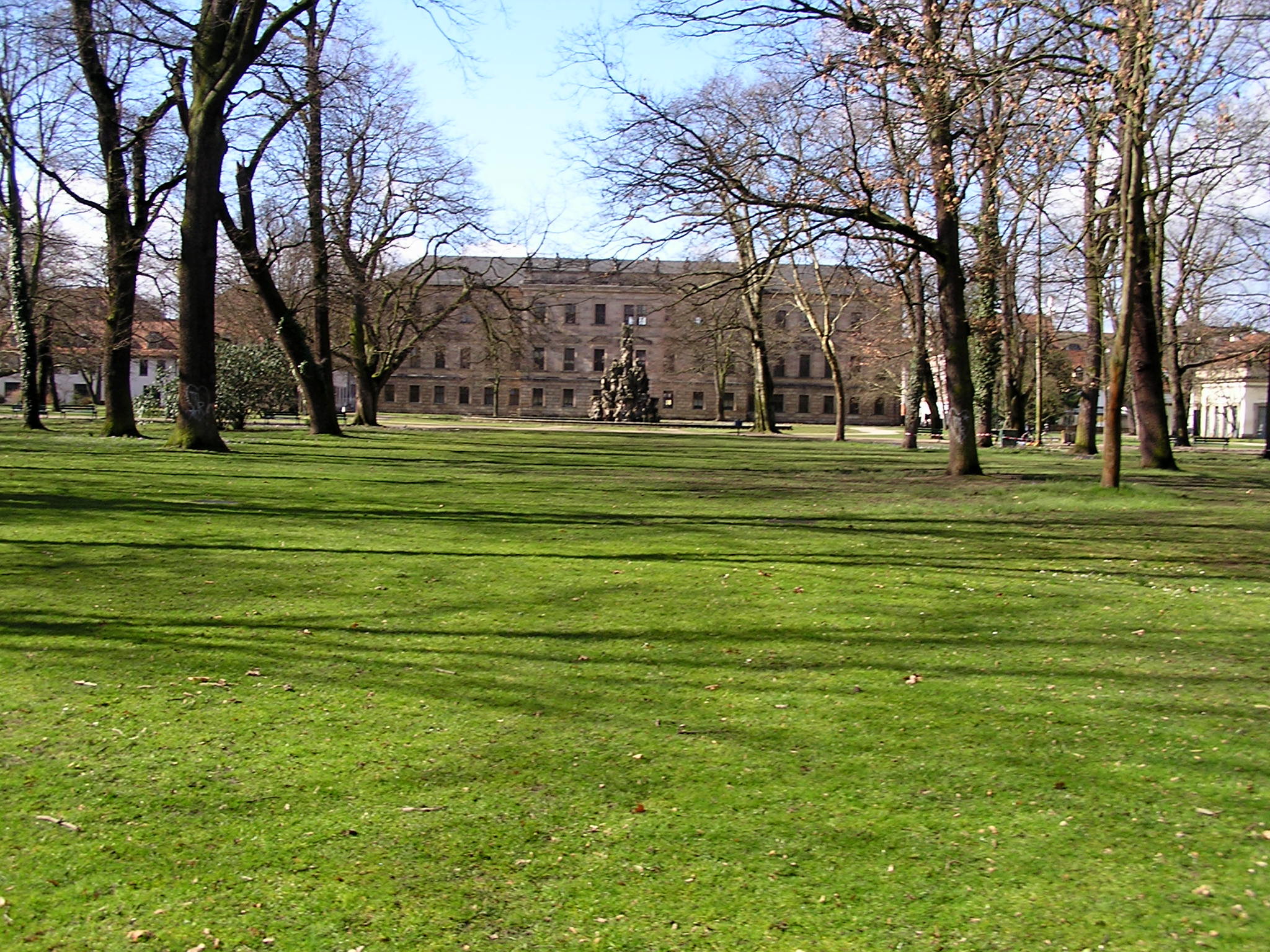
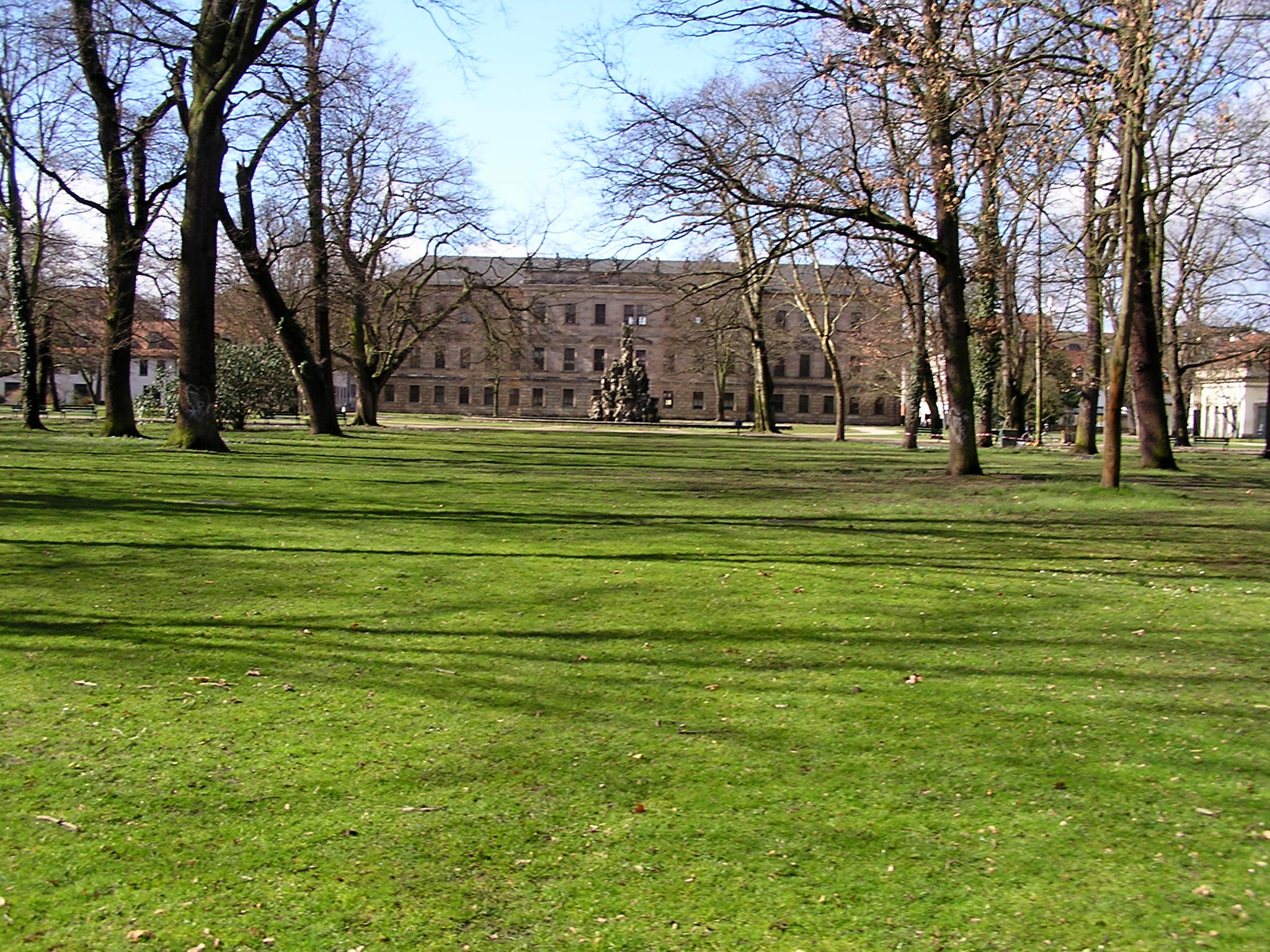
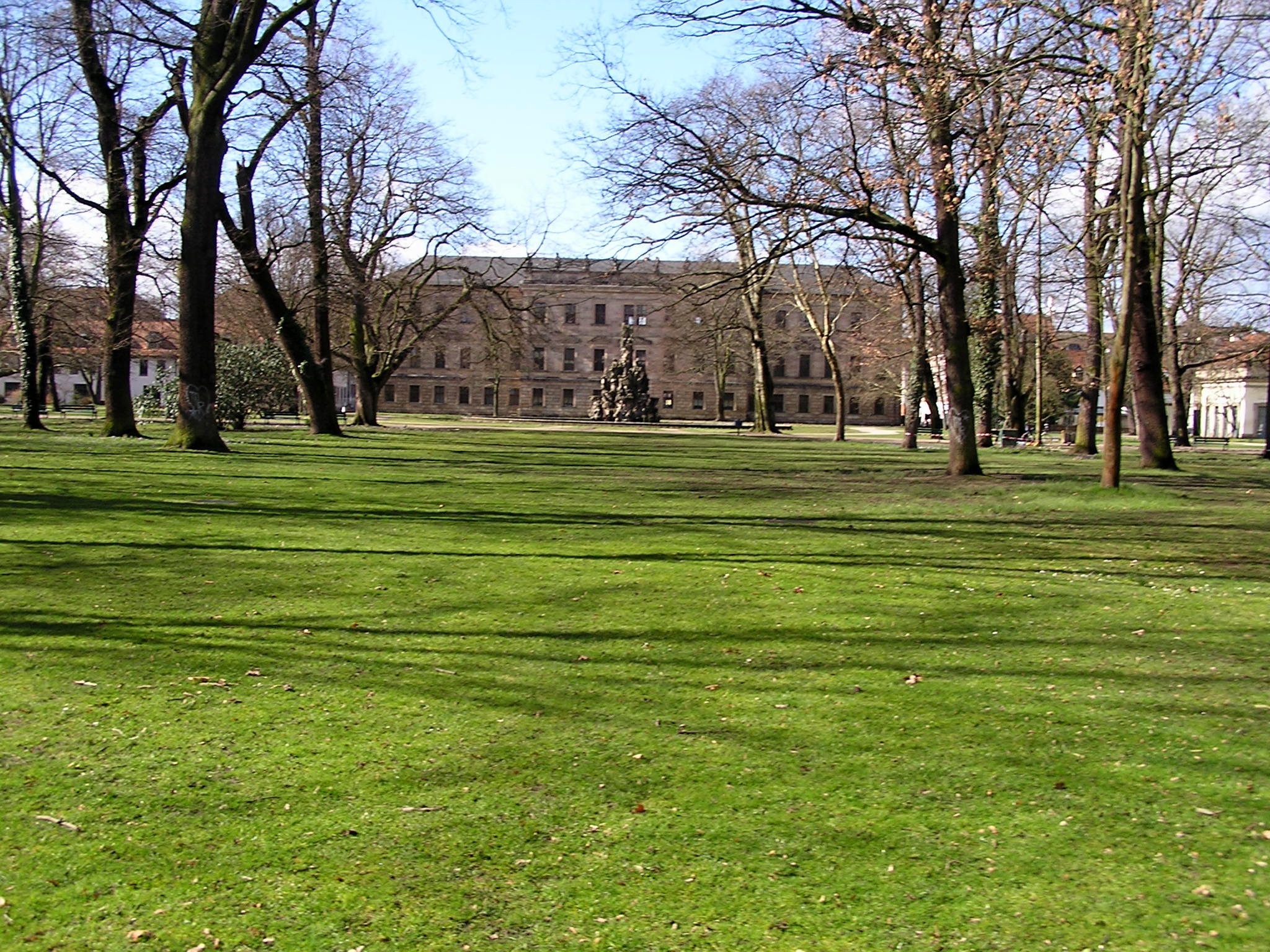
The fountain’s exact height remains undocumented, but its presence is unmistakable: a sculpted stone basin perched on a rocky outcrop, surrounded by allegorical figures that echo the religious and political climate of early‑18th‑century Bavaria.
Historical Roots
The Hugenottenbrunnen was erected in 1706 under the patronage of Markgräfin Elisabeth Sophie von Brandenburg, the ruling countess of the Principality of Bayreuth‑Erlangen. The fountain was part of a larger landscaping effort on the Felsenberg, a hill that also hosted a small “Marktgraf” (market‑court) led by Christian Ernst, an absolutist ruler who sought to showcase his power through grand urban projects.
The name “Hugenotten” (German for Huguenots) reflects the settlement of French Protestant refugees in the region after the Revocation of the Edict of Nantes (1685). These refugees were welcomed by the local aristocracy for their craftsmanship and trade skills, and the fountain subtly commemorates their contribution to Erlangen’s cultural fabric.
Symbolic Significance
The fountain’s decorative program is deliberately layered:
- Gods and mythological figures encircle the basin, representing the Enlightenment‑era fascination with classical antiquity.
- Figures of the “Bürger” (citizens) and “Hugenotten” stand at the foot of the hill, symbolizing the coexistence of local Bavarian townsfolk and the newly arrived Huguenot community.
Together, these elements illustrate how a small water feature could become a visual manifesto of tolerance, power, and artistic taste in a period when Bavaria was navigating both absolutist governance and the influx of foreign influences.
For a deeper dive into the fountain’s background, consult the German‑language Wikipedia entry: Schlossgarten (Erlangen) – Hugenottenbrunnen.
3. How to Get There
By Train
Erlangen is a well‑connected stop on the Nuremberg–Bamberg railway line. From Nuremberg Hauptbahnhof, board an RE or RB train toward Bamberg; the journey takes roughly 20 minutes. The Erlangen Hauptbahnhof sits within walking distance (≈ 15 minutes) of the Schlossgarten where the fountain resides.
By Car
If you’re driving from Munich, take the A9 north toward Nuremberg, then switch to the A73 toward Erlangen. Follow signs for the city centre; parking is available at the Stadtpark or the Erlangen Central Parking (Zentraler Parkplatz). From the parking lot, the Schlossgarten is a short stroll through the pedestrian zone.
By Bike or On Foot
Erlangen’s compact layout makes it ideal for cycling. The city’s bike‑share program, Erlanger RadStation, has stations near the university and the city centre. Ride along the Regnitz River trail and you’ll arrive at the Schlossgarten in under 10 minutes from the university district.
GPS Coordinates
Enter 49.597997, 11.005306 into your navigation app for precise directions to the fountain’s location.
4. Best Time to Visit
| Season | Why It Works | Tips |
|---|---|---|
| Spring (April‑May) | Blossoming trees in the Schlossgarten create a pastel backdrop; temperatures are mild (10‑18 °C). | Bring a light jacket and a camera for the blooming flowers. |
| Summer (June‑August) | Long daylight hours (up to 16 h) let you linger by the water after sunset. | Expect occasional crowds; early morning offers a quieter experience. |
| Autumn (September‑October) | Golden foliage adds a warm glow to the stone sculpture; the air is crisp. | Ideal for photography; the fountain’s reflections look striking against amber leaves. |
| Winter (November‑February) | Snow‑capped Felsenberg gives a magical, almost fairy‑tale feel. | The fountain may be partially covered in ice—still worth a quick visit for the atmosphere. |
Overall, late spring and early autumn strike the best balance between pleasant weather, vivid scenery, and manageable visitor numbers.
5. What to Expect
When you step into the Schlossgarten, the Hugenottenbrunnen greets you from a modest rise of stone. The water gently bubbles from a concealed pump (modernized for conservation) into the basin, creating a soothing soundscape that drowns out city traffic.
- Visual Details: The surrounding statues—classical deities with draped robes—are weathered but still convey the baroque elegance of the early 1700s. Look closely at the small reliefs of the “Bürger” and “Hugenotten” figures; they are subtle nods to the town’s social history.
- Atmosphere: Locals often sit on nearby benches, reading or chatting, while tourists pause for photos. The fountain’s modest size encourages an intimate encounter rather than a grandiose spectacle.
- Accessibility: The garden paths are paved and wheelchair‑friendly, though a few gentle inclines lead up to the fountain’s platform.
A short walk away, you’ll find the University of Erlangen‑Nürnberg campus, bustling cafés, and the historic Markgrafenhaus, providing a seamless blend of academic life and heritage tourism.
6. Nearby Attractions
While you’re in the area, make sure to explore the other charming fountains and sites that pepper the Schlossgarten and its surroundings. All are within a comfortable walking distance (0.1–0.3 km).
| Attraction | Distance | Highlights | Link |
|---|---|---|---|
| Rückert‑Brunnen | 0.1 km | Dedicated to poet Friedrich Rückert; elegant stone carvings. | Rückert‑Brunnen |
| Paulibrunnen | 0.1 km | Features a bronze statue of Saint Paul; popular for quiet reflection. | Paulibrunnen |
| Kugelbrunnen | 0.2 km | Spherical water jet that creates a mesmerizing mist effect. | Kugelbrunnen |
| Delphinbrünnlein | 0.3 km | Small dolphin-themed fountain, perfect for family photos. | Delphinbrünnlein |
| [Unnamed Fountain] | 0.3 km | Another historic water feature hidden among the garden’s hedges. | Unnamed Fountain |
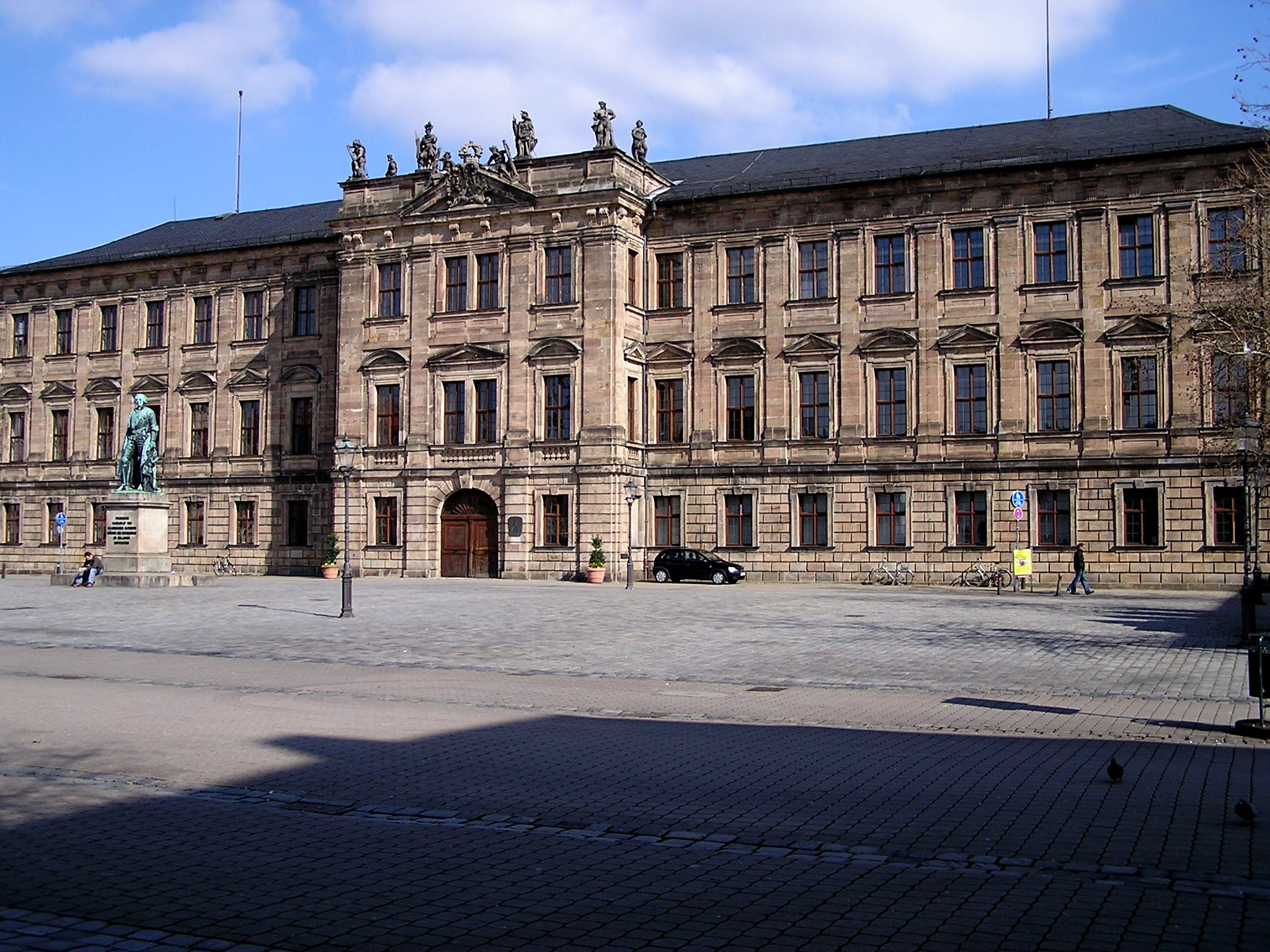
Beyond the fountains, consider a brief detour to the Erlangen Castle (Schloss Erlangen), a baroque palace now housing the university’s art collections, or the Markgrafenhaus, an 18th‑century townhouse that showcases period interiors.
7. Travel Tips
- Check Opening Hours – The Schlossgarten is public space and open year‑round, but some nearby museums and the castle may have seasonal hours.
- Bring a Portable Charger – While the fountain area has free Wi‑Fi, your phone’s battery can drain quickly when you’re snapping photos of the intricate stonework.
- Mind the Weather – In summer, the garden can get warm; a hat and sunscreen are advisable. In winter, wear sturdy shoes to avoid slipping on icy paths.
- Respect the Site – The fountain is a protected historic monument. Avoid climbing on the stone and keep the surrounding area clean.
- Combine with a Café Stop – After exploring the fountains, head to the nearby Café Barock on Marktstraße for a slice of Bavarian cake and a refreshing drink.
- Use a Bike‑Share – If you’re staying in Nuremberg or nearby cities, the bike‑share system offers an eco‑friendly way to reach Erlangen and park close to the garden.
- Local Events – The Schlossgarten often hosts summer concerts and open‑air theater performances. Check the city’s event calendar to sync your visit with a cultural show.
Wrap‑Up
The Hugenottenbrunnen may not dominate travel guide headlines, but its quiet elegance, layered history, and central location make it a rewarding stop for anyone exploring Erlangen, Bavaria, or the broader German travel circuit. By weaving together the narratives of Huguenot refugees, baroque art, and Enlightenment‑era politics, this fountain invites you to pause, reflect, and appreciate the subtle ways water can shape a city’s identity.
Pack your camera, follow the coordinates, and let the gentle cascade of the Hugenottenbrunnen guide you through a slice of Bavarian heritage that’s as refreshing as the water itself. Safe travels!