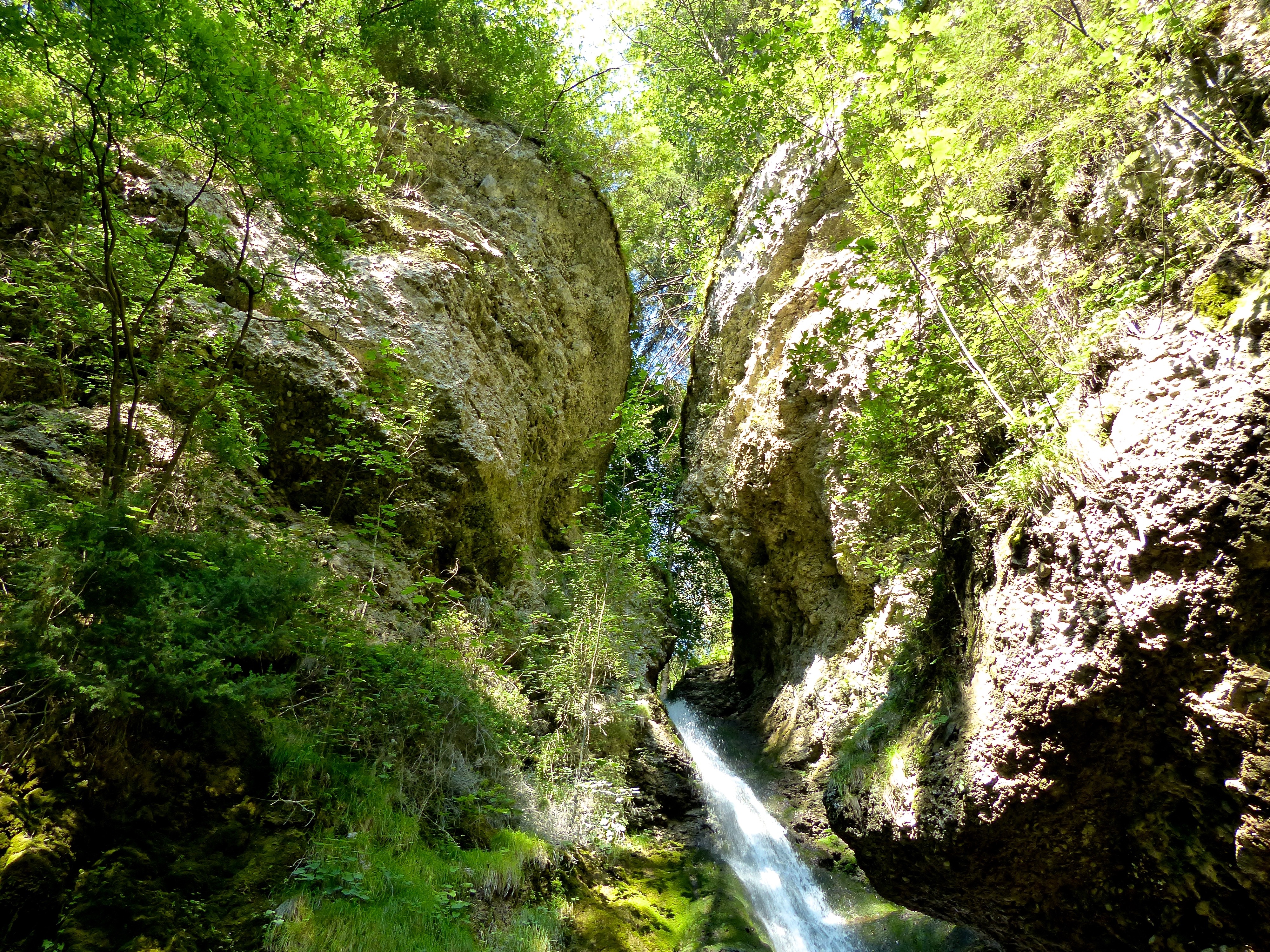
Hinanger Wasserfall – A Hidden Gem in the Bavarian Alps
Discover the serene beauty of Hinanger Wasserfall, a lesser‑known waterfall tucked away near Sonthofen, Bavaria. Whether you’re a seasoned hiker, a nature photographer, or simply looking for a peaceful escape, this enchanting cascade offers a slice of Alpine magic that’s easy to miss – unless you know where to look.
1. Introduction
Imagine stepping off a quiet forest trail and hearing the gentle roar of water tumbling over stone, the mist kissing your face, and the scent of pine filling the air. That moment is exactly what awaits you at Hinanger Wasserfall, a charming waterfall perched in the heart of Bavaria’s alpine landscape. While the region is famed for iconic sights like Neuschwanstein Castle and the Zugspitze, Hinanger Wasserfall remains a tranquil secret for those who crave authentic, off‑the‑beaten‑path experiences.
In this guide we’ll dive into everything you need to know to make the most of your visit: the waterfall’s story, how to get there, the best season to explore, what you’ll see on the trail, nearby attractions, and practical travel tips. Pack your walking shoes, bring a camera, and let the adventure begin!
2. About Hinanger Wasserfall
A Snapshot
- Name: Hinanger Wasserfall
- Type: Waterfall 🌊
- Location: Sonthofen, Bavaria, Germany
- Coordinates: 47.476316, 10.300750
- Height: Not officially recorded (the cascade is modest but picturesque)
Hinanger Wasserfall lies just a few kilometers south of the historic town of Sonthofen, often called the “Gateway to the Allgäu Alps.” The waterfall is fed by a small alpine stream that meanders through dense mixed forests of fir, spruce, and beech before plunging over a rocky ledge. Because its exact height isn’t documented, the waterfall has retained an air of mystery, inviting visitors to judge its charm by sight and sound rather than numbers.
History & Significance
The waterfall’s name derives from the nearby hamlet of Hinang, a settlement that has existed for centuries as a farming community. While Hinanger Wasserfall never achieved the fame of larger Alpine waterfalls, it has long served as a local landmark— a natural gathering spot for shepherds, hikers, and families. Over recent decades, the trail leading to the cascade has been gently maintained by local volunteers and the Sonsonsee tourism office, ensuring that the site remains accessible without compromising its pristine character.
For nature lovers, Hinanger Wasserfall represents the quieter side of Bavaria’s water‑feature heritage: a place where the rhythm of water blends seamlessly with forest ambience, offering a perfect setting for meditation, bird‑watching, and low‑impact photography.
3. How to Get There
By Car
- From Munich: Take the A96 toward Lindau and exit at Sonthofen (approximately 2 h 15 min, 150 km).
- From Stuttgart: Follow the A8 to the A96, then head east to Sonthofen.
- Parking: The town offers several public parking lots near the Sonthofen Bahnhof (train station). From there, follow the signs for “Hinanger” or “Wanderweg zum Hinanger Wasserfall.” A small, free parking area exists at the trailhead just outside the village of Hinang.
By Public Transport
- Train: Deutsche Bahn runs regular regional trains (RB) from Munich, Augsburg, and Lindau to Sonthofen Bahnhof.
- Bus: From Sonthofen station, take the local bus line K49 toward Hinang. Get off at the “Hinanger” stop; the trailhead is a short walk from the bus shelter.
Walking the Trail
The hike to Hinanger Wasserfall is a moderate 2.5 km loop (approximately 1 hour round‑trip). The path is well‑marked with yellow hiking signs (the standard German “Wanderweg” markers) and consists mainly of gentle forest trails and a few short stone steps near the cascade. The route is suitable for families and casual walkers, though sturdy shoes with good grip are recommended, especially after rain.
4. Best Time to Visit
| Season | What to Expect | Why It’s Ideal |
|---|---|---|
| Spring (April‑May) | Snowmelt swells the stream, creating a more vigorous flow. Wildflowers begin to bloom along the trail. | Fresh, lively water and vibrant colors make for striking photos. |
| Summer (June‑August) | Warm weather, longer daylight hours. The forest canopy provides cool shade. | Perfect for day‑hikes and picnics; water temperature is pleasant for wading. |
| Autumn (September‑October) | Leaves turn golden‑orange, the waterfall’s mist catches the soft light. Fewer crowds. | Photographers love the contrast of water against autumn foliage. |
| Winter (November‑March) | The cascade may partially freeze, creating icy sculptures. Snow blankets the path. | For adventurous souls, a magical winter wonderland—just bring crampons. |
Overall recommendation: Late spring to early autumn offers the most comfortable hiking conditions and the fullest water flow. If you enjoy a quieter atmosphere and dramatic light, early October is especially rewarding.
5. What to Expect
The Senses
- Sound: The gentle roar of water over rock is audible from the trail’s midpoint, growing louder as you approach the cascade.
- Sight: The waterfall itself is modest—approximately a few meters high—but its setting amidst moss‑covered stones and dappled sunlight creates a picture‑perfect tableau.
- Touch: A short, safe walkway leads to a viewing platform where you can feel the cool mist on your skin.
- Smell: Pine, fresh earth, and the faint mineral scent of the stream combine for a refreshing forest aroma.
Wildlife
The surrounding woods are home to typical Alpine fauna: chaffinches, blackbirds, and occasionally a red‑breasted bullfinch. Keep an eye out for European hedgehogs at dusk and the occasional red deer grazing in the meadow beyond the trail.
Photography Tips
- Golden hour: Arrive 30 minutes before sunrise or stay until sunset for warm, low‑angle lighting that highlights the water’s texture.
- Long exposure: Bring a tripod and set a slow shutter speed (1‑2 seconds) to capture silky water motion.
- Framing: Use the surrounding trees as natural frames; a low angle can emphasize the waterfall’s height relative to the forest floor.
6. Nearby Attractions
While Hinanger Wasserfall is the star of the day, the area offers several other natural points of interest within a short walk. All are easily reachable via the same trail network:
| Distance | Attraction | Type | Quick Link |
|---|---|---|---|
| 0.1 km | Unnamed Waterfall | Waterfall | Waterfall (Wikipedia) |
| 0.2 km | Local Weir | Weir | Weir (Wikipedia) |
| 1.2 km | Small Alpine Dam | Dam | Dam (Wikipedia) |
| 1.3 km | Second Waterfall | Waterfall | Waterfall (Wikipedia) |
| 1.5 km | Historic Weir | Weir | Weir (Wikipedia) |
These spots are perfect for extending your hike, adding variety to your photo collection, or simply enjoying a quiet moment by a different water feature. The local weirs showcase historic water‑management techniques used by Alpine farmers, while the small dam offers a glimpse into modern hydro‑engineering in a natural setting.
7. Travel Tips
| Tip | Details |
|---|---|
| Footwear | Waterproof hiking boots with good tread are essential, especially after rain when the trail can be slippery. |
| Weather Check | Alpine weather changes quickly. Check the forecast on MeteoBlue or the German Weather Service (DWD) before heading out. |
| Pack Light | A daypack with water, a snack, a light rain jacket, and a small first‑aid kit is sufficient. |
| Leave No Trace | Stick to marked paths, carry out all litter, and avoid disturbing wildlife. |
| Timing | Arrive early (before 10 am) in summer to beat any small crowds and enjoy cooler temperatures. |
| Photography Gear | A compact tripod, a polarizing filter, and a spare battery will help you capture the waterfall in all its moods. |
| Local Cuisine | After the hike, stop in Sonthofen for a hearty Bavarian meal—try the Allgäuer Kässpatzen (cheese noodles) or a Weißwurst with pretzel. |
| Accommodation | For overnight stays, Sonthofen offers a range of options: cozy guesthouses, family‑run hotels, and Alpine lodges. Booking a room in the town center puts you within a short bus ride of the trailhead. |
| Accessibility | The final viewing platform is level and wheelchair‑friendly, but the approach includes uneven forest paths, so full accessibility is limited. |
Final Thoughts
Hinanger Wasserfall may not boast record‑breaking heights, but its quiet charm, easy access, and surrounding Alpine scenery make it a must‑visit for anyone traveling through Bavaria. Whether you’re chasing the perfect waterfall photo, seeking a peaceful spot for meditation, or simply looking to stretch your legs on a scenic forest trail, Hinanger offers an authentic slice of German nature that feels far away from the tourist crowds.
Pack your sense of adventure, follow the coordinates 47.476316, 10.300750, and let the gentle cascade of Hinanger Wasserfall refresh your spirit. Happy travels!