Gockelreiterbrunnen – Nuremberg’s Hidden Fountain Gem
Discover the charm of a 1970s masterpiece tucked in the heart of Bavaria’s most vibrant city.
Introduction
If you think Nuremberg’s attractions are limited to medieval castles and bustling markets, think again. Nestled amid the historic streets of the city’s Altstadt lies Gockelreiterbrunnen, a modest yet captivating fountain that whispers stories of post‑war art, local craftsmanship, and Bavarian pride. Whether you’re a seasoned traveler hunting off‑the‑beaten‑path sights or a first‑time visitor looking for a quiet spot to pause, this fountain offers a perfect blend of history, design, and serenity—right in the middle of Nuremberg’s lively urban tapestry.
About Gockelreiterbrunnen
A Brief Description
- Name: Gockelreiterbrunnen
- Type: Fountain ⛲
- Location: Nuremberg, Bavaria, Germany
- Coordinates: 49.454612 N, 11.074455 E
- Created: 1971 by artist Michael Matthias Prechtl
The fountain’s name translates loosely to “Rooster Rider Fountain,” a nod to the whimsical figure that crowns its basin. While the exact height remains undocumented, the sculpture’s modest scale invites close inspection, allowing visitors to appreciate the fine details of Prechtl’s bronze work. The water gently cascades over the figure, creating a soothing soundscape that contrasts beautifully with the surrounding cobblestones and historic facades.
Historical Context
Commissioned in the early 1970s, Gockelreiterbrunnen reflects a period when Nuremberg was redefining its cultural identity after World War II. Michael Matthias Prechtl, a noted German sculptor, infused the piece with a playful spirit that resonated with the city’s desire to celebrate everyday life and local folklore. Although the fountain is not listed on major tourist itineraries, it has become a beloved landmark for locals—especially those who enjoy strolling through the Altstadt’s network of squares, cafés, and museums.
Why It Matters
- Cultural Significance: The fountain embodies post‑war artistic renewal in Bavaria, showcasing how public art can revitalize urban spaces.
- Community Anchor: Residents often gather around the fountain for impromptu performances, photo‑ops, and quiet contemplation.
- Architectural Harmony: Its bronze sculpture complements nearby historic fountains, creating a visual dialogue between old and new.
How to Get There
By Public Transport
| Mode | Line(s) | Nearest Stop | Walking Time |
|---|---|---|---|
| U‑Bahn | U2, U3 | Plärrer (U‑Bahn) | 5 min walk |
| Tram | 4, 5, 6 | Plärrer (Tram) | 5 min walk |
| Bus | 42, 43, 44 | Plärrer (Bus) | 5 min walk |
All three options drop you within a short, pleasant walk to the fountain’s coordinates (49.454612, 11.074455). The Plärrer area is a major transit hub, making Gockelreiterbrunnen easily accessible from Nuremberg’s main train station (Nürnberg Hauptbahnhof) and the airport (Nuremberg Airport).
By Car
- Parking: Limited street parking is available on adjacent lanes. For a stress‑free experience, use the Parkhaus am Hauptmarkt (central parking garage) and walk 10 minutes north toward the Altstadt.
- Navigation: Input the coordinates directly into your GPS or search “Gockelreiterbrunnen, Nuremberg” for the most accurate routing.
By Foot or Bike
If you’re staying in the city centre, the fountain is a pleasant 10‑minute walk from the Nuremberg Castle (Nürnberger Burg) and the Albrecht Dürer House. The city’s bike‑share program, Nextbike, has docking stations nearby, offering a green way to explore the area.
Best Time to Visit
| Season | Why It Works | Tips |
|---|---|---|
| Spring (April‑May) | Blossoming gardens and milder temperatures make the surrounding streets vibrant. | Arrive early to enjoy the fountain before the midday crowds. |
| Summer (June‑August) | Long daylight hours let you linger longer, especially during evening “Biergarten” vibes. | Bring a refillable water bottle—many nearby cafés offer free tap water. |
| Autumn (September‑October) | Golden foliage adds a warm backdrop, perfect for photography. | The nearby Spielzeugmuseum Nürnberg (Toy Museum) hosts seasonal exhibits—pair your visit. |
| Winter (November‑February) | Fewer tourists, a quiet atmosphere, and occasional festive lighting. | Dress warmly; the fountain’s water may be partially turned off during extreme cold. |
Overall, late spring to early autumn offers the most comfortable weather for strolling around the fountain and its neighboring attractions.
What to Expect
When you approach Gockelreiterbrunnen, the first thing you’ll notice is the gentle murmur of water against bronze. The fountain’s central figure—a stylized rooster perched atop a rider—exudes a playful, almost childlike charm. Sunlight glints off the polished metal, creating shifting patterns on the surrounding cobblestones.
Surrounding the fountain are a handful of benches and a few modest cafés offering traditional Bavarian pastries. It’s common to see locals sipping coffee while watching the water dance, or tourists snapping photos of the unique sculpture against the backdrop of historic buildings.
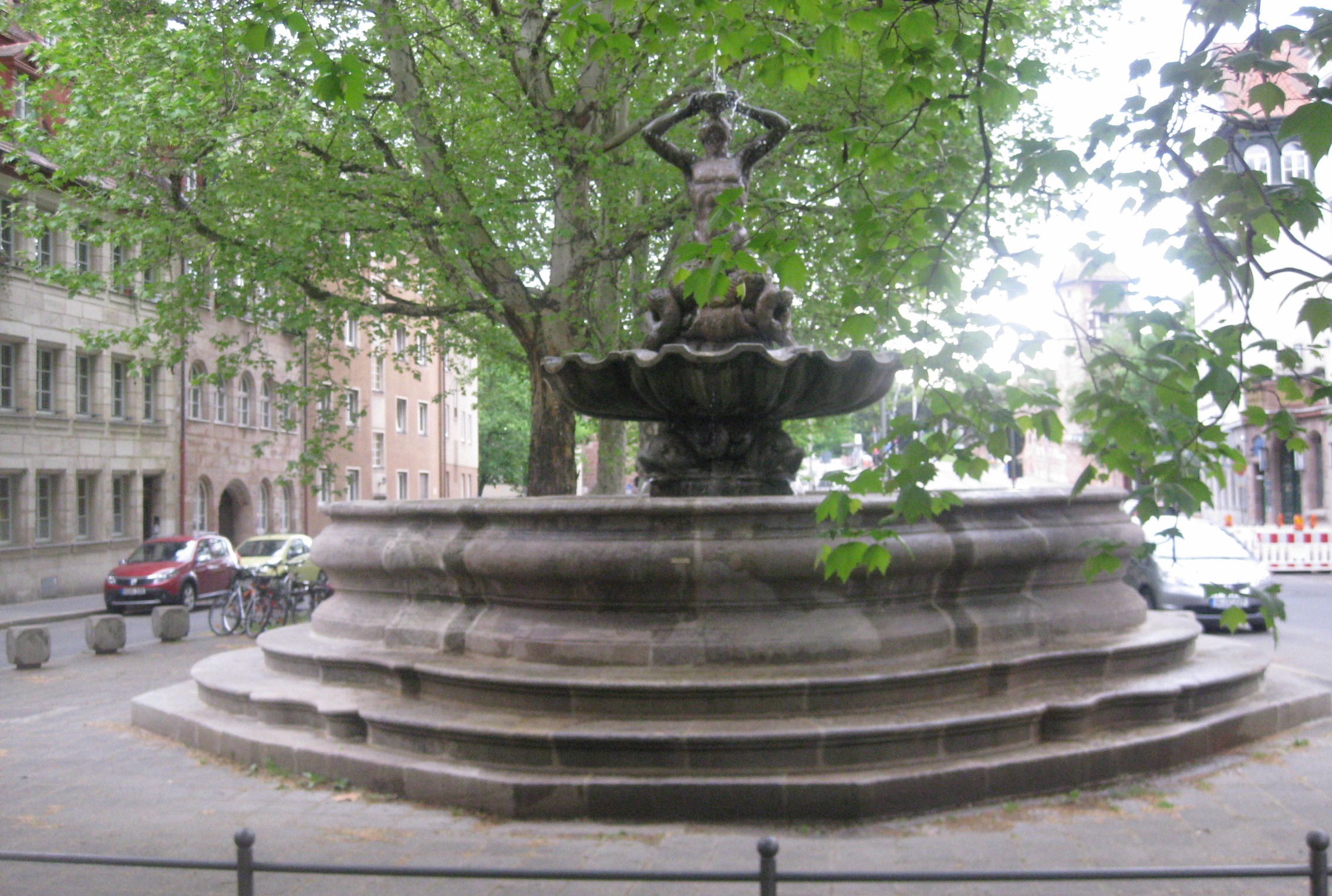
Because the fountain is part of a cluster of water features, you’ll often hear the faint splash of the Dürer‑Pirckheimer‑Brunnen and Tritonbrunnen nearby, creating a harmonious soundscape that feels like a living museum of Nuremberg’s public art.
Nearby Attractions
Exploring Gockelreiterbrunnen is best paired with a short walk to these equally captivating sites:
-
Dürer‑Pirckheimer‑Brunnen – 0.1 km away
A Renaissance‑style fountain honoring the famous artist Albrecht Dürer and humanist Willibald Pirckheimer. -
Tritonbrunnen – 0.1 km away
Features a mythological Triton figure, perfect for lovers of classical motifs. -
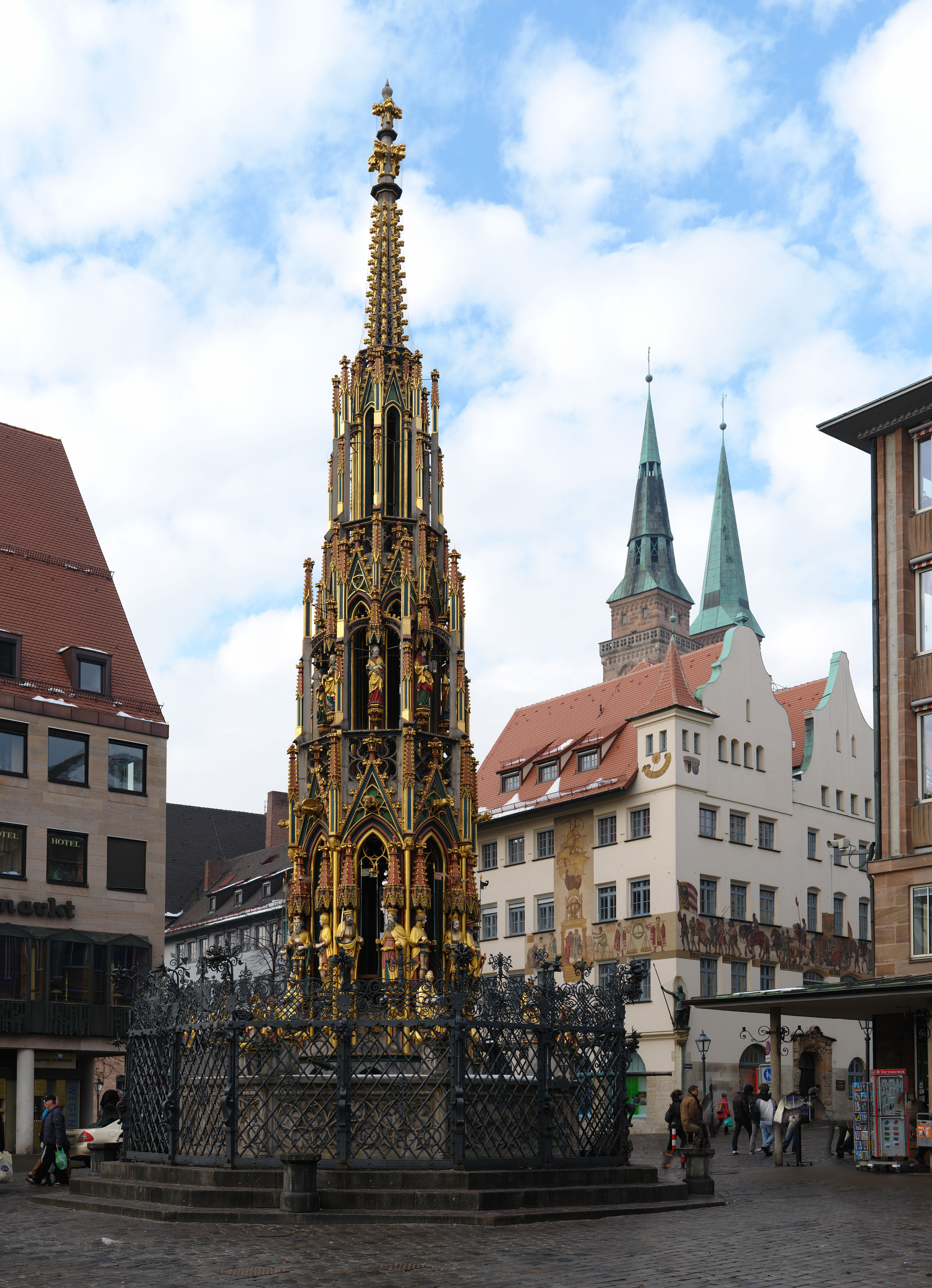
Schöner Brunnen – 0.2 km away
One of Nuremberg’s most iconic fountains, known for its ornate gilded design. -
Geiersbrunnen – 0.2 km away
A striking medieval fountain depicting a soaring eagle, offering great photo opportunities. -
Nägeleinswehr (Weir) – 0.2 km away
A historic water management structure that adds a touch of engineering heritage to the area. -
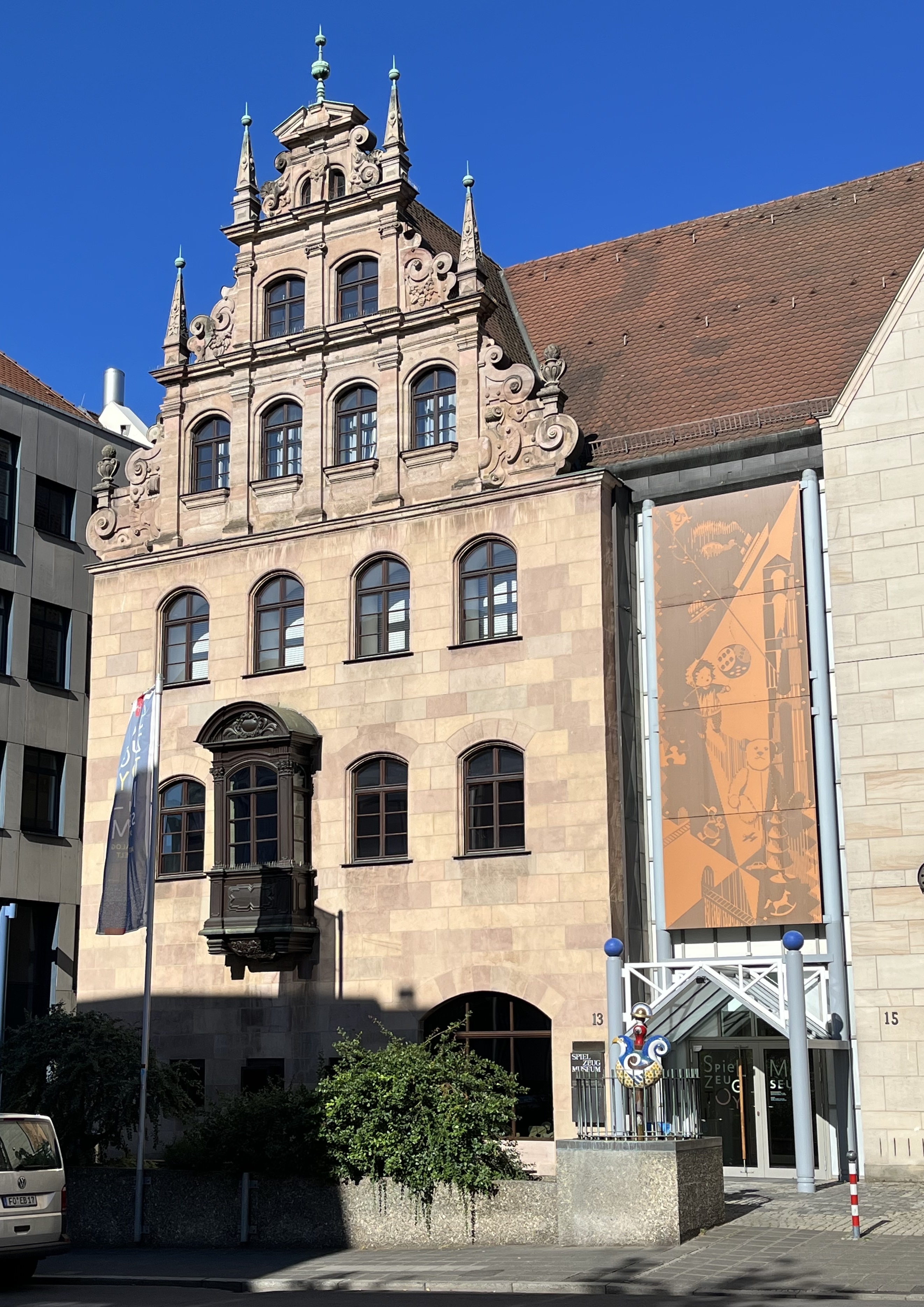
Spielzeugmuseum Nürnberg (Toy Museum) – just a short stroll away
Dive into a nostalgic collection of toys ranging from the 19th century to modern times—a fun stop for families.
All of these attractions are within a comfortable 5‑minute walk, allowing you to create a compact “fountain tour” of Nuremberg’s Altstadt.
Travel Tips
- Bring a Compact Umbrella – Nuremberg’s weather can be unpredictable; a small, reusable umbrella won’t weigh you down while you explore the fountains.
- Wear Comfortable Shoes – Cobblestone streets are charming but uneven; sturdy walking shoes will keep your feet happy.
- Capture the Details – The bronze textures of Gockelreiterbrunnen shine best in soft morning light. Try a low‑angle shot to emphasize the water flow.
- Check Local Event Calendars – The Altstadt often hosts street performances near the fountains. A quick glance at the city’s official tourism site can reveal pop‑up concerts or art fairs.
- Stay Hydrated – While the fountain’s water isn’t for drinking, nearby cafés provide refreshing drinks. Many offer free refill stations for tap water.
- Respect the Space – As a beloved local spot, keep noise levels moderate and avoid climbing on the sculpture.
- Combine with a Food Break – After your fountain walk, treat yourself to a Nürnberger Bratwurst at a nearby stall—nothing beats a sausage with a cold Bavarian beer after a cultural stroll.
Final Thoughts
Gockelreiterbrunnen may not dominate travel guide headlines, but its quiet elegance and rich backstory make it a must‑see for anyone seeking an authentic slice of Nuremberg life. By weaving this fountain into your itinerary—alongside the nearby Dürer‑Pirckheimer‑Brunnen, Schöner Brunnen, and the whimsical Toy Museum—you’ll experience a concentrated dose of Bavarian art, history, and everyday charm. So lace up your walking shoes, follow the coordinates 49.454612 N, 11.074455 E, and let the gentle splash of Gockelreiterbrunnen guide you through one of Germany’s most enchanting cities.
Happy travels, and may the water’s rhythm accompany every step of your Bavarian adventure!