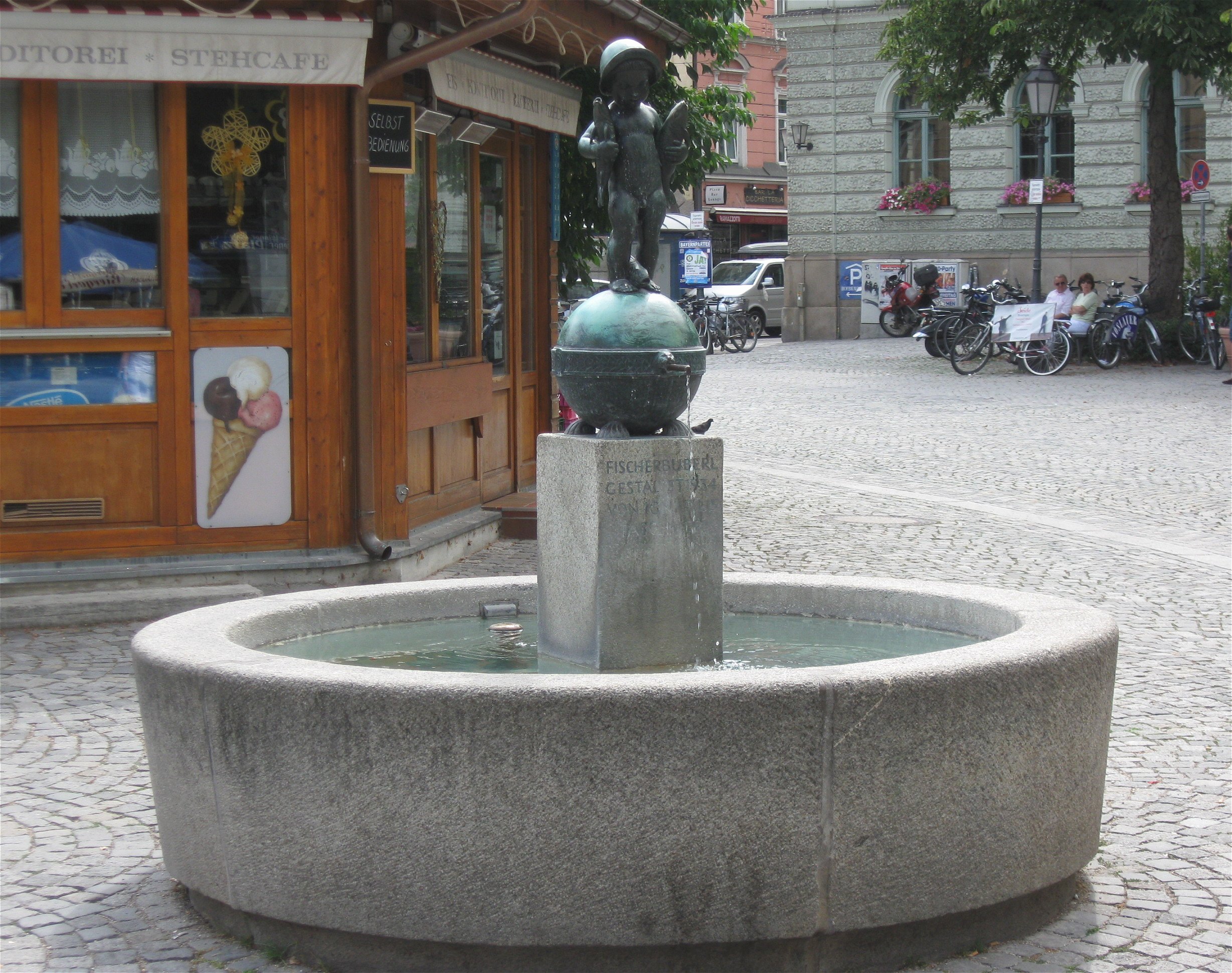
Fischerbuberl Fountain – Munich’s Hidden Water‑Feature Gem
Discover the story, the setting, and the travel tips for the little‑known Fischerbuberl fountain in the heart of Bavaria’s capital.
1. Introduction
If you think you’ve seen every iconic landmark Munich has to offer—Marienplatz, the Frauenkirche, the English Garden—think again. Tucked away on a quiet city corner is a modest yet charming water sculpture that locals call Fischerbuberl. This little fountain may not dominate travel brochures, but its quirky name, historic roots, and perfect spot for a reflective pause make it a must‑visit hidden gem for travelers who love to wander off the beaten path. In this guide we’ll dive into everything you need to know about the Fischerbuberl fountain, from its backstory to the best way to reach it, and we’ll also highlight nearby attractions that can fill a perfect half‑day itinerary in Munich’s historic district.
2. About Fischerbuberl
What is Fischerbuberl?
Fischerbuberl is a public fountain (German: Brunnen) located in Munich, Bavaria, Germany. Its exact height and altitude are not recorded in official sources, but the fountain’s modest scale is intentional—it was designed to blend into the surrounding streetscape while providing a splash of water and a touch of artistry for passers‑by.
Historical background
The fountain’s name, Fischerbuberl, translates loosely to “little fisherman’s boy.” The moniker dates back to the early 20th century when a small statue of a youthful fisherman was installed as a tribute to the city’s historic connection to the Isar River and its once‑thriving fishing community. While the original plaque has faded, the spirit of the name lives on, reminding visitors of Munich’s relationship with water—both the river that runs through the city and the fountains that dot its squares.
The Fischerbuberl fountain is listed on the German Wikipedia page for Fischerbuberl‑Brunnen (see the reference: de:Fischerbuberl‑Brunnen). Although it never achieved the fame of the grander Neptunbrunnen or Viktualienmarkt water features, it has become a beloved local spot for a quick coffee break, a photo opportunity, or simply a moment of quiet amid the city’s bustle.
Cultural significance
In Munich, fountains are more than decorative elements; they are markers of community life, historical memory, and urban design. Fischerbuberl reflects the Bavarian tradition of integrating functional art into everyday spaces. Its modest size encourages intimate interaction—children can splash their feet, artists sketch the water’s movement, and tourists can snap a postcard‑worthy shot without the crowds that flock to larger landmarks.
3. How to Get There
By public transport
| Starting point | Recommended line(s) | Nearest stop | Walking distance |
|---|---|---|---|
| Munich Central Station (Hauptbahnhof) | S‑Bahn S1, S2, S3, S4, S6, S8 | Hauptbahnhof (same station) | ~10 min walk (≈ 800 m) |
| Marienplatz (city centre) | U‑Bahn U1, U2, U7, U8 | Stiglmaierplatz (U1/U2) | ~5 min walk |
| Sendlinger Tor | Tram 16, 17, 18 | Sendlinger Tor (tram stop) | ~7 min walk |
The simplest method is to enter the coordinates 48.134475, 11.595933 into your navigation app (Google Maps, Apple Maps, or a dedicated GPS device). The app will guide you to the exact spot, which lies on a small side street just off the main thoroughfare near the Zylinderbrunnen.
By bike or on foot
Munich is a bike‑friendly city with dedicated lanes throughout the inner district. If you’re staying in the Altstadt‑Lehel or Glockenbachviertel neighborhoods, the Fischerbuberl fountain is reachable within a 10‑minute walk. Follow the signs toward the “Brunnen” (fountain) near the intersection of Rosenheimer Straße and Lothstraße—the fountain sits at the corner of a quiet courtyard, making it easy to spot once you’re close.
Parking
If you prefer to drive, the nearest public parking garage is Parkhaus am Hofgarten (address: Hofgartenstraße 2). From there, it’s a short 5‑minute walk to the fountain. Munich’s city centre also offers several “Park‑and‑Ride” facilities on the outskirts, which connect to the S‑Bahn network for a hassle‑free journey into the city centre.
4. Best Time to Visit
| Season | Why it works | Tips |
|---|---|---|
| Spring (April‑May) | The city’s parks and street cafés bloom, and the fountain’s water looks especially clear after the cooler months. | Bring a light jacket; mornings can still be chilly. |
| Summer (June‑August) | Longer daylight hours mean you can enjoy the fountain in the golden hour, and nearby ice‑cream stalls are open. | Arrive early if you want a seat on the nearby bench before it fills up. |
| Autumn (September‑October) | The surrounding foliage turns amber, providing a picturesque backdrop for photos. | Dress in layers; evenings become brisk. |
| Winter (November‑February) | While the fountain may be turned off for maintenance, the area is still worth a stroll for its festive Christmas market lights. | Check local listings for any seasonal closures. |
Overall, late spring to early autumn offers the most pleasant weather for a relaxed visit, especially if you plan to linger at a nearby café after admiring the water feature.
5. What to Expect
When you arrive at Fischerbuberl, you’ll find a compact stone basin fed by a gentle cascade that circles the central statue of the youthful fisherman. The water is continuously recirculated, creating a soft, soothing sound that masks the occasional traffic hum of the surrounding streets.
- Atmosphere: The fountain is set within a small, paved square flanked by historic façades. A few benches invite you to sit, watch the water, and people‑watch.
- Photographic appeal: Because the fountain is low to the ground, you can capture both the sculpture and the surrounding architecture in a single frame. Early morning light casts soft shadows, while the evening glow adds a warm tone.
- Interaction: Locals often toss a coin for good luck or let children splash their feet. The water is shallow enough to be safe, but it is not intended for swimming.
- Nearby amenities: A couple of cafés line the adjacent street, offering traditional Bavarian pastries and coffee—perfect for a quick break after admiring the fountain.
6. Nearby Attractions
Fischerbuberl is part of a cluster of historic fountains and cultural sites that can be explored on foot. Here are the highlights within a 0.3 km radius:
-
Zylinderbrunnen – Only 0.1 km away, this cylindrical fountain dates back to the 19th century and features a bronze sculpture of a mythological figure. Learn more on its Wikipedia page: Zylinderbrunnen (Munich).
-
Unnamed fountain #1 – Approximately 0.2 km away, a small decorative basin tucked behind a historic townhouse.
-
Unnamed fountain #2 – Roughly 0.3 km away, located near a quiet side street, perfect for a quick photo stop.
-
Unnamed fountain #3 – Also about 0.3 km away, this water feature is integrated into a public garden area.
-
Unnamed fountain #4 – Another 0.3 km away, offering a serene spot for a brief rest.
Tip: Since the surrounding fountains are all within a short walking distance, you can create a “Fountain Trail” that lasts about 30‑45 minutes, ending at a local café for a refreshing Bavarian brew.
7. Travel Tips
| Tip | Details |
|---|---|
| Use the coordinates | Typing 48.134475, 11.595933 into any map app will drop you right at the fountain’s entrance, avoiding any confusion with nearby streets. |
| Combine with a food stop | The cafés on Lothstraße serve classic Bavarian pretzels and coffee—ideal for a snack after your fountain tour. |
| Bring a reusable water bottle | Munich’s tap water is safe to drink, and you can refill while you explore the fountains. |
| Check local event calendars | Occasionally, the area hosts pop‑up art installations or street performances that add extra flair to your visit. |
| Mind the weather | In summer, the stone can become warm; a light hat or sunscreen will keep you comfortable. |
| Respect the space | While the fountain is a public attraction, it is also a neighborhood gathering spot—keep noise levels moderate and avoid littering. |
| Photography | Early morning or late afternoon provides the best natural light; a wide‑angle lens captures both the fountain and surrounding architecture. |
| Accessibility | The pathway to Fischerbuberl is level and wheelchair‑friendly, though the immediate vicinity may have cobblestones. |
Wrap‑up
Whether you’re a first‑time visitor to Munich or a seasoned traveler returning to uncover hidden corners, the Fischerbuberl fountain offers a quiet, authentic slice of Bavarian city life. Its modest size, historic charm, and proximity to other water‑features make it an ideal stop on a leisurely walking tour of Munich’s inner district.
Next time you find yourself strolling through the streets of Bavaria’s capital, take a moment to pause at Fischerbuberl—listen to the gentle flow, snap a photo, and let the spirit of the “little fisherman’s boy” remind you that sometimes the most memorable experiences are found in the smallest of places.
*Keywords: Fischerbuberl fountain, Munich hidden gems, Bavaria travel guide, things to do in Munich, Munich fountains, travel tips Munich, Zylinderbr