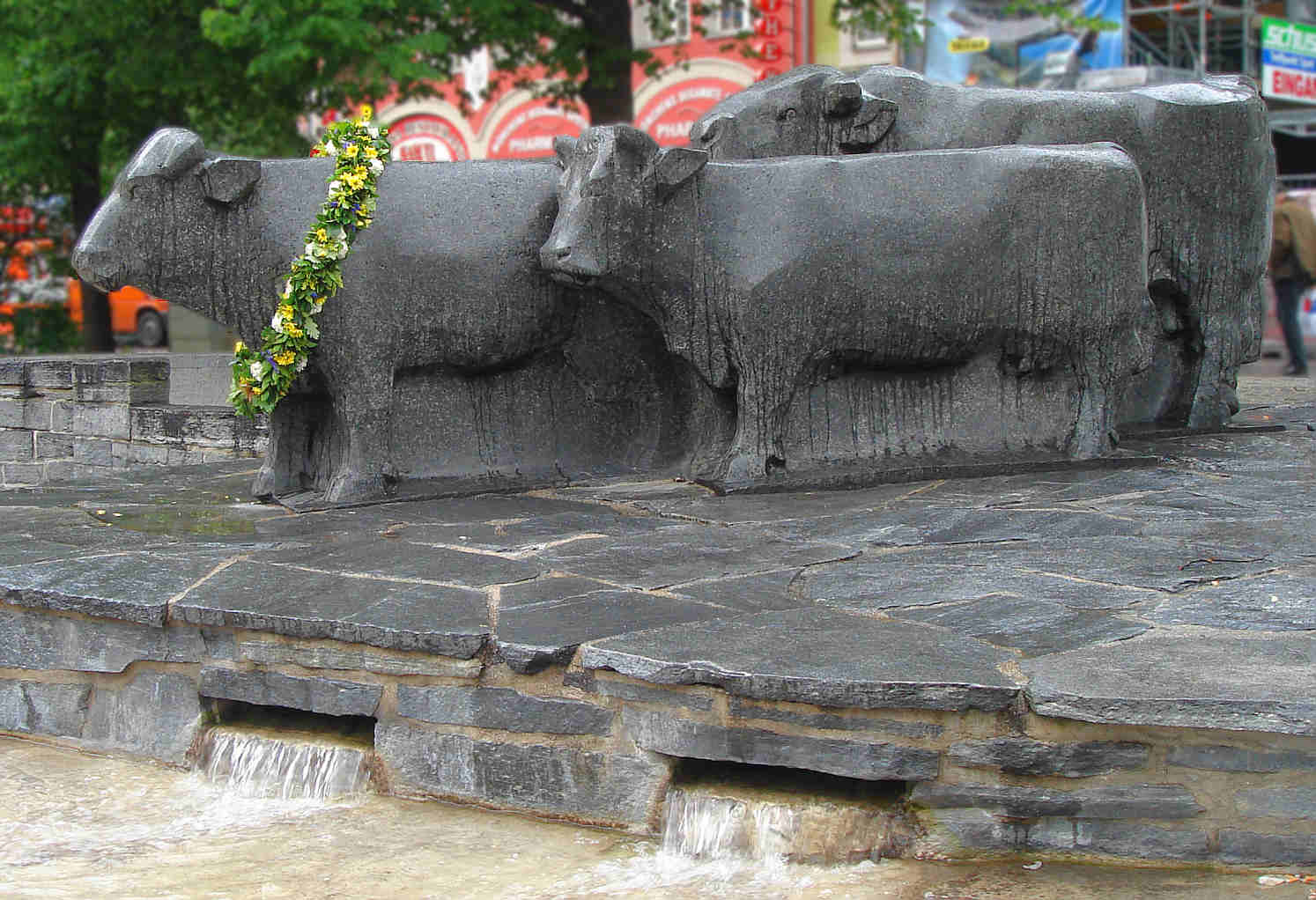
Fischbrunnen – Munich’s Hidden Fountain Gem in the Heart of Bavaria
If you’ve wandered through Munich’s bustling streets and vibrant markets, you’ve probably passed the modest yet charming Fischbrunnen. Tucked away near the city’s famed Viktualienmarkt, this historic fountain offers a quiet pause amid the Bavarian buzz. In this guide we’ll uncover the story behind the fountain, show you how to reach it, reveal the best times to visit, and point you toward other nearby water‑works worth exploring.
1. Introduction
Munich is a city of grand cathedrals, world‑class museums, and lively beer halls, but its true soul often hides in the small details—cobblestone alleys, fragrant market stalls, and, of course, the many Bavarian fountains that dot the urban landscape. Among them, the Fischbrunnen stands out as a beloved meeting point for locals and a quiet oasis for travelers seeking an authentic slice of Munich life. Whether you’re a first‑time visitor mapping out “things to do in Munich” or a seasoned explorer hunting off‑the‑beaten‑path spots, the Fischbrunnen deserves a spot on your itinerary.
2. About Fischbrunnen
A Brief Description
- Name: Fischbrunnen
- Type: Fountain ⛲
- Location: Munich, Bavaria, Germany
- Coordinates: 48.137238 N, 11.576180 E
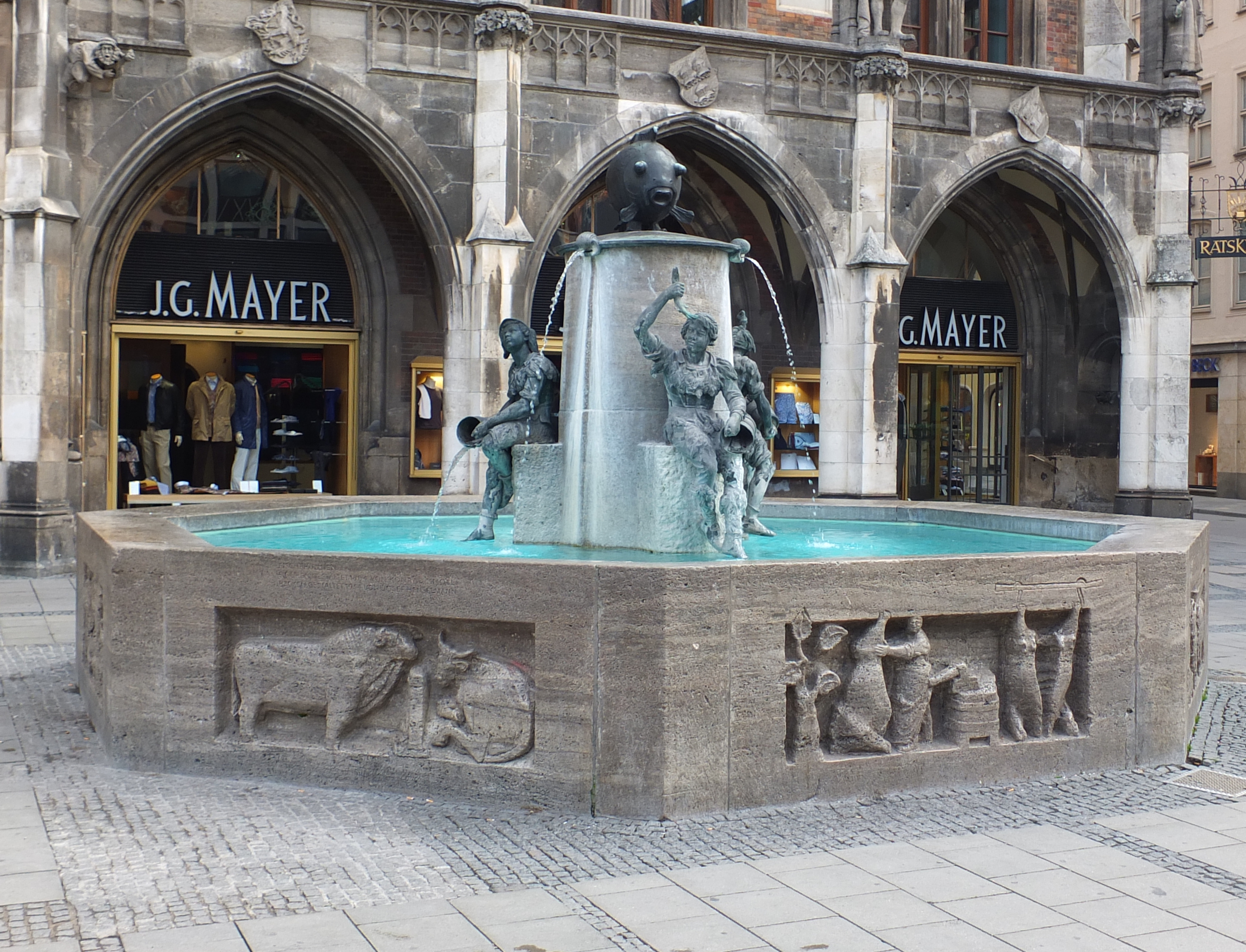
The Fischbrunnen (literally “Fish Fountain”) is a modest stone basin crowned with a decorative water spout. Its name harks back to the days when fresh water was delivered directly to the nearby fish market—vendors would fill their barrels from the fountain before heading to the stalls of the Viktualienmarkt. Though the original fish‑selling function has faded, the fountain remains a symbolic link to Munich’s market heritage.
Historical Roots
The fountain’s origins are intertwined with Munich’s centuries‑old tradition of public water sources. In the medieval period, fountains were essential for daily life, providing clean water for drinking, washing, and, in this case, preserving the city’s fish trade. Over time, the Fischbrunnen was renovated and stylized, becoming the decorative landmark you see today. While the exact construction date is not publicly recorded, the fountain has been a fixture of the city’s central square for well over a hundred years, earning a place in local folklore and countless photographs.
Cultural Significance
Beyond its practical past, the Fischbrunnen serves as a social hub. Locals gather here to chat, sip coffee from nearby cafés, or simply watch the world go by. The fountain’s central location—just a stone’s throw from the bustling Viktualienmarkt—means it’s often the first stop for tourists looking for a quick orientation point. Its modest size encourages intimate moments: a quiet selfie, a brief pause to listen to street musicians, or a spontaneous conversation with a friendly Münchner.
3. How to Get There
By Public Transport
- U‑Bahn: Take line U3 or U6 to Marienplatz. From the central platform, walk north‑east for about 5 minutes (≈400 m) along Weinstraße toward the market.
- S‑Bahn: Disembark at Hauptbahnhof (Munich Central Station). Transfer to the U‑Bahn (U3/U6) toward Marienplatz, then follow the directions above.
Both routes drop you within a few blocks of the Fischbrunnen, making it easily reachable for travelers staying anywhere in the city center.
By Foot or Bicycle
Munich’s historic core is compact and pedestrian‑friendly. If you’re staying near Marienplatz, Frauenkirche, or the Viktualienmarkt, the Fischbrunnen is a pleasant 5‑minute stroll. The city’s public bike‑share system (MVG Rad) also has docking stations near the market, allowing a quick ride to the fountain.
By Car
Driving in central Munich is generally discouraged due to limited parking and low‑emission zones (Umweltzone). If you must arrive by car, use the Parking Garage “Hauptbahnhof – Süd” (address: Bayerstraße 12) and walk the remaining distance.
4. Best Time to Visit
Seasonal Recommendations
| Season | Why Visit? | Tips |
|---|---|---|
| Spring (April–May) | The surrounding market stalls burst with fresh produce, and the fountain’s stone glistens under mild sunshine. | Arrive early to avoid the midday crowd at Viktualienmarkt. |
| Summer (June–August) | Long daylight hours let you linger at the fountain while street musicians fill the air with Bavarian tunes. | Bring a reusable water bottle—Munich’s tap water is safe to drink. |
| Autumn (September–October) | The golden hues of the nearby trees create a photogenic backdrop; the market offers seasonal specialties like pumpkin soup. | Dress in layers; evenings can be crisp. |
| Winter (November–February) | Fewer tourists mean a tranquil experience; the fountain is illuminated against a crisp, festive cityscape. | Check the market’s opening hours—some stalls close earlier in winter. |
Overall, late spring to early autumn provides the most lively atmosphere, but the Fischbrunnen remains accessible and peaceful year‑round.
5. What to Expect
When you step onto the cobblestones surrounding the Fischbrunnen, you’ll be greeted by a gentle trickle of water flowing from the stone spout into a shallow basin. The sound is subtle yet soothing—a perfect counterpoint to the hum of market chatter and tram bells.
Sights:
- The fountain’s stonework, often adorned with subtle carvings that hint at its historic role.
- Colorful market stalls just a few meters away, selling everything from Bavarian pretzels to fresh fish.
Sounds:
- Local vendors calling out the day’s specials.
- Musicians playing traditional Oompah tunes or modern acoustic sets.
Smells:
- Freshly baked Brezn (pretzels) drifting from nearby bakeries.
- The occasional aroma of grilled fish—a nod to the fountain’s original purpose.
Feel:
- A relaxed, almost intimate vibe. Unlike the grandiose Marienplatz crowd, the Fischbrunnen area invites you to linger, sip a coffee, and watch the city’s rhythm.
Because the fountain is a popular meeting point, you’ll often see groups of friends greeting each other with a quick “Servus!” and a handshake. It’s an ideal spot for a short break during a day of sightseeing or for a quick photo session that captures the authentic spirit of Munich.
6. Nearby Attractions
While you’re in the vicinity, consider adding these charming fountains and attractions to your walking route. All are within a 0.2 km radius, making them perfect for a leisurely fountain tour of Munich’s historic center.
| Attraction | Distance | Quick Note |
|---|---|---|
| Kräutlmarktbrunnen | 0.1 km | A tiny fountain that once supplied water to the herb market. |
| Elise‑Aulinger‑Brunnen | 0.2 km | Features a bronze statue of the beloved local philanthropist Elise Aulinger. |
| Roider‑Jackl‑Brunnen | 0.2 km | Known for its whimsical design and a popular spot for children’s play. |
| Honigbrunnen | 0.2 km | Celebrates Munich’s historic honey trade; often surrounded by buzzing beekeepers. |
Explore More: If you’re interested in a deeper dive into Munich’s fountain heritage, check out the Wikipedia page for the Fischbrunnen: Fischbrunnen (München) – German Wikipedia
7. Travel Tips
- Timing is Everything – Arrive early (7 – 8 am) if you want a quiet moment before the market crowds swell.
- Stay Connected – Free Wi‑Fi is available at the nearby Viktualienmarkt Wi‑Fi hotspot; great for uploading photos of the fountain.
- Mind the Weather – Munich’s weather can change quickly. Carry a compact umbrella or a light rain jacket, especially in spring and autumn.
- Respect the Space – The fountain is a public gathering spot. Keep noise levels moderate and avoid feeding the water (no swimming!).
- Local Snacks – Grab a fresh Weißwurst or a pretzel from a stall just outside the fountain for an authentic snack on the go.
- Language Help – While most vendors speak English, learning a simple “Guten Tag” or “Danke” goes a long way with locals.
- Photography – The best light for photos is early morning or late afternoon when the sun casts a warm glow on the stone. Use a wide‑angle lens to capture the fountain with the surrounding market backdrop.
Final Thought
The Fischbrunnen may not boast the height of Munich’s grandest monuments, but its modest charm, historic roots, and central location make it a must‑see for anyone exploring the city’s cultural tapestry. Pair it with a stroll through the Viktualienmarkt, sip a locally brewed coffee, and you’ll experience Munich exactly as the locals do—one fountain at a time.
Happy travels, and may the gentle flow of the Fischbrunnen inspire your next Bavarian adventure!