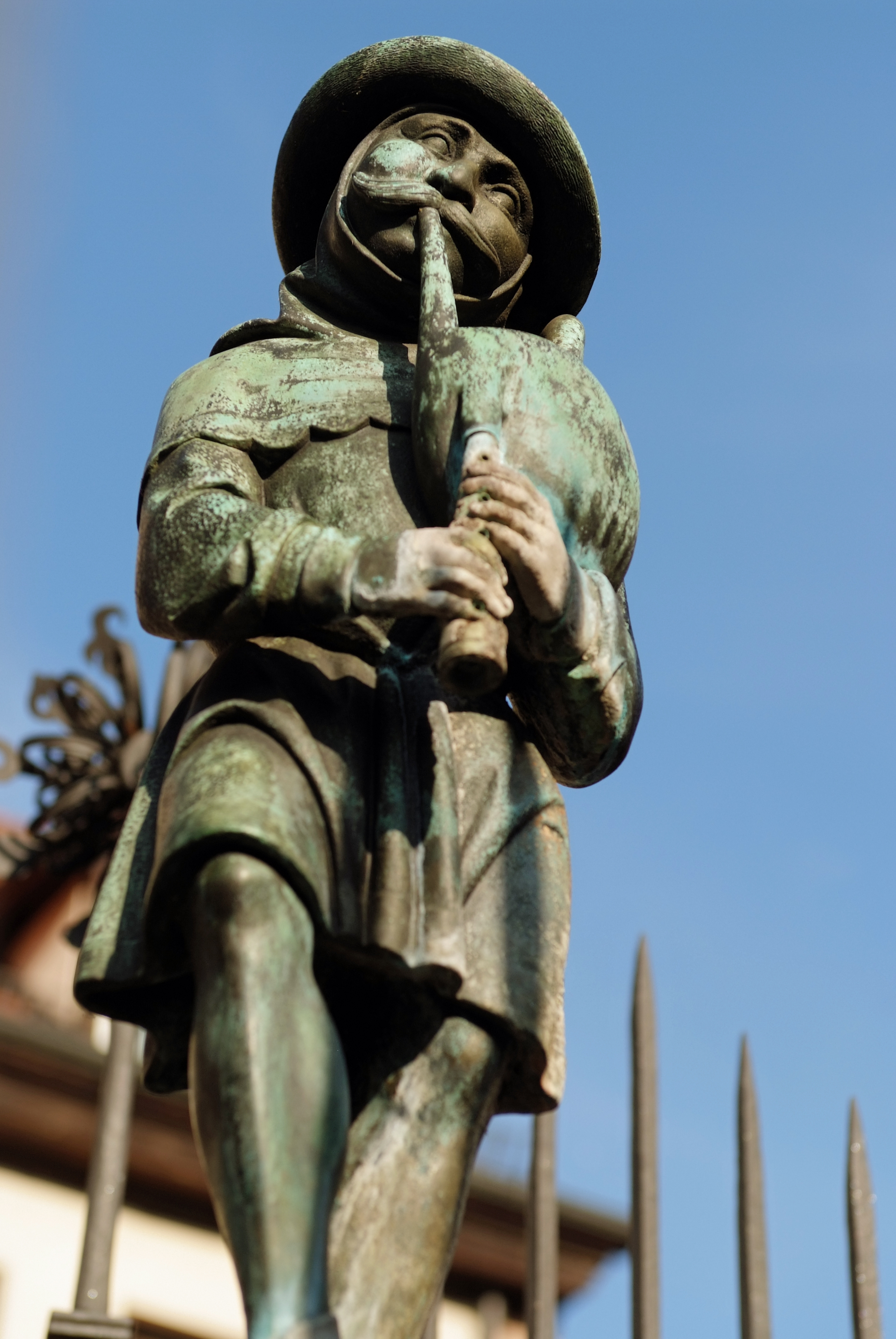
Dudelsackpfeiferbrunnen – Nuremberg’s Charming Bag‑Pipe Player Fountain
Discover the hidden gem that adds melody to Bavaria’s historic streets.
Introduction
If you think Nuremberg’s allure is limited to its medieval castle walls and the famous Christkindlesmarkt, think again. Tucked among cobblestone lanes in the heart of the city lies a whimsical water feature that seems to whisper a Bavarian folk tune: the Dudelsackpfeiferbrunnen. This modest yet captivating fountain—literally “Bag‑Pipe Player Fountain”—offers travelers a perfect snapshot of local craftsmanship, a quiet spot for a coffee break, and a delightful photo opportunity that instantly upgrades any Instagram feed. In this guide, we’ll explore everything you need to know to make the most of a visit to this unique landmark.
About Dudelsackpfeiferbrunnen
A Brief Description
The Dudelsackpfeiferbrunnen is a stone fountain featuring a life‑size figure of a traditional bag‑pipe player (the Dudelsackpfeifer). The sculpted musician stands beside a simple basin that collects the gently cascading water. While the exact height of the monument remains undocumented, its presence is unmistakable against the backdrop of Nuremberg’s historic Altstadt (Old Town).
Historical Roots
The fountain was created by the artist Friedrich Wanderer, whose work often celebrated everyday Bavarian life. Though specific records of its commissioning are scarce, the piece reflects the 19th‑century trend of installing public fountains that combined utility with artistic storytelling. In an era when water supply was a civic concern, fountains like the Dudelsackpfeiferbrunnen served both as a source of fresh water and as a celebration of local culture.
Cultural Significance
Bag‑pipes (Dudelsack) have long been associated with folk music across the Alpine regions, symbolising communal gatherings, festivals, and the rustic spirit of Bavaria. By immortalising a bag‑pipe player in stone, the fountain becomes more than a decorative element; it is a tribute to Nuremberg’s musical heritage and a reminder of the city’s deep ties to traditional craftsmanship. Visitors often hear the faint sound of water mingling with imagined melodies, creating a sensory experience that feels both historic and alive.
How to Get There
By Public Transport
- U‑Bahn (U1 or U2): Get off at Plärrer station. The fountain is a 5‑minute walk north, along the pedestrian‑friendly streets of the Altstadt.
- Tram (Lines 4, 6, 8): Disembark at Königstraße or Königstraße/Marktplatz. From either stop, head east toward the historic market square; the Dudelsackpfeiferbrunnen is just a few blocks away.
By Car
If you’re driving, use the coordinates 49.452689, 11.072278 in your GPS. Street parking in the Altstadt is limited, but several public parking garages (e.g., Parkhaus Hauptmarkt) are within a 10‑minute walk.
Walking & Biking
Nuremberg’s compact city centre makes the fountain easily reachable on foot or by bike. From the Nuremberg Castle (Kaiserburg), it’s a pleasant 12‑minute stroll through the medieval streets. Bike‑share stations are scattered throughout the city, and most have designated racks near the fountain’s plaza.
Best Time to Visit
Spring (April–June)
Mild temperatures and blooming flower beds around the Altstadt create a vibrant backdrop for the fountain. Early mornings are especially tranquil, allowing you to capture the statue bathed in soft sunlight without crowds.
Summer (July–August)
Long daylight hours mean you can linger at the fountain well into the evening. The nearby market square often hosts street musicians, and the sound of live bag‑pipe performances pairs perfectly with the fountain’s theme. Bring a refillable water bottle—Nuremberg’s public fountains are safe to drink from.
Autumn (September–October)
Golden foliage adds a warm hue to the stonework, and the tourist rush begins to wane. This is an ideal time for photographers seeking atmospheric shots of the fountain against a backdrop of amber leaves.
Winter (November–March)
While the fountain remains accessible year‑round, icy conditions can make the surrounding cobblestones slippery. If you visit during the festive season, you’ll find the area illuminated with Christmas lights, adding a magical sparkle to the water feature.
What to Expect
Arriving at the Dudelsackpfeiferbrunnen, you’ll first notice the gentle murmur of water flowing from the basin. The stone figure of the bag‑pipe player stands proudly, his instrument poised as if mid‑tune. The surrounding plaza is paved with historic tiles, and benches invite you to sit, sip a coffee, and watch locals and tourists alike pause for a quick photo.
Because the fountain is part of the public space, there are no admission fees or opening hours—simply show up whenever the weather suits you. The water is continuously refreshed, and during summer months the spray can be a refreshing mist on hot days. Expect a relaxed atmosphere; unlike the bustling market square, this spot offers a quieter slice of Nuremberg life, perfect for reflective moments or a brief cultural pause during a day of sightseeing.
Nearby Attractions
The Dudelsackpfeiferbrunnen sits in a cluster of historic fountains and water features, making it an excellent starting point for a mini‑tour of Nuremberg’s aquatic art. All distances are walkable, allowing you to explore at a leisurely pace.
| Attraction | Type | Distance | Quick Link |
|---|---|---|---|
| Hieserleinbrunnen | Fountain | 0 km (right next door) | Hieserleinbrunnen |
| Nägeleinswehr | Weir | 0.1 km | Nägeleinswehr |
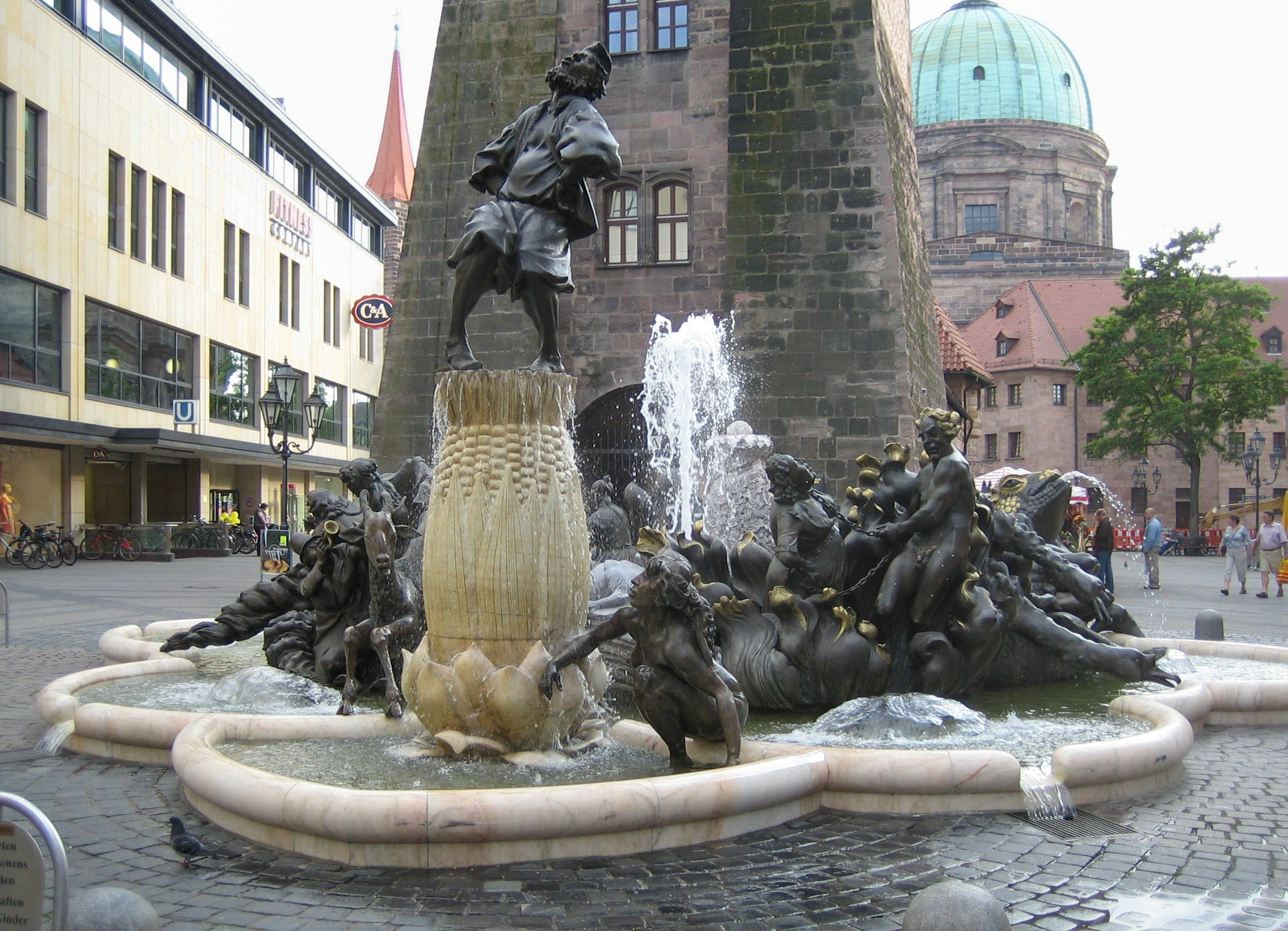
| Dürer‑Pirckheimer‑Brunnen | Fountain | 0.2 km | Dürer‑Pirckheimer‑Brunnen |
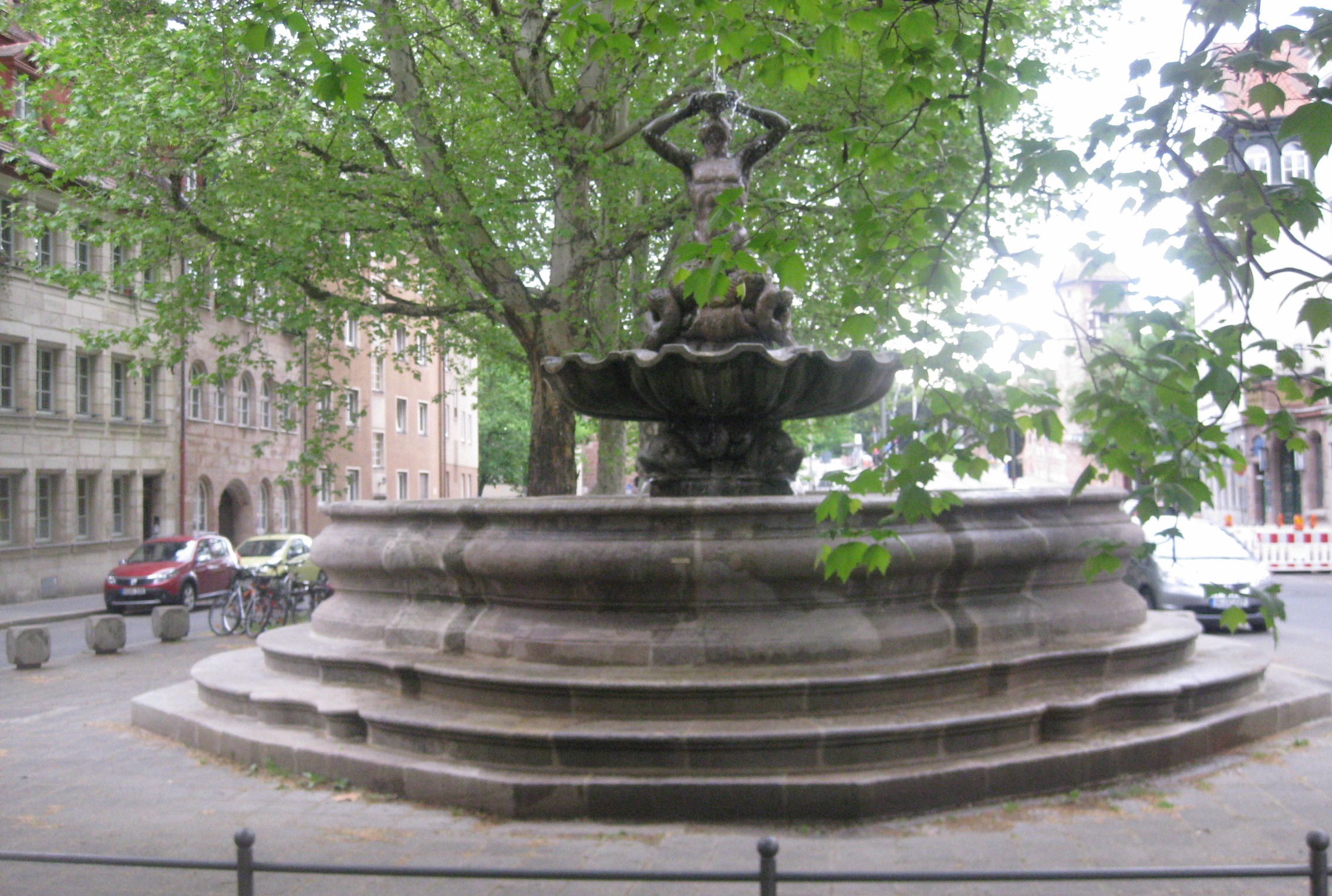
| Tritonbrunnen | Fountain | 0.2 km | Tritonbrunnen |
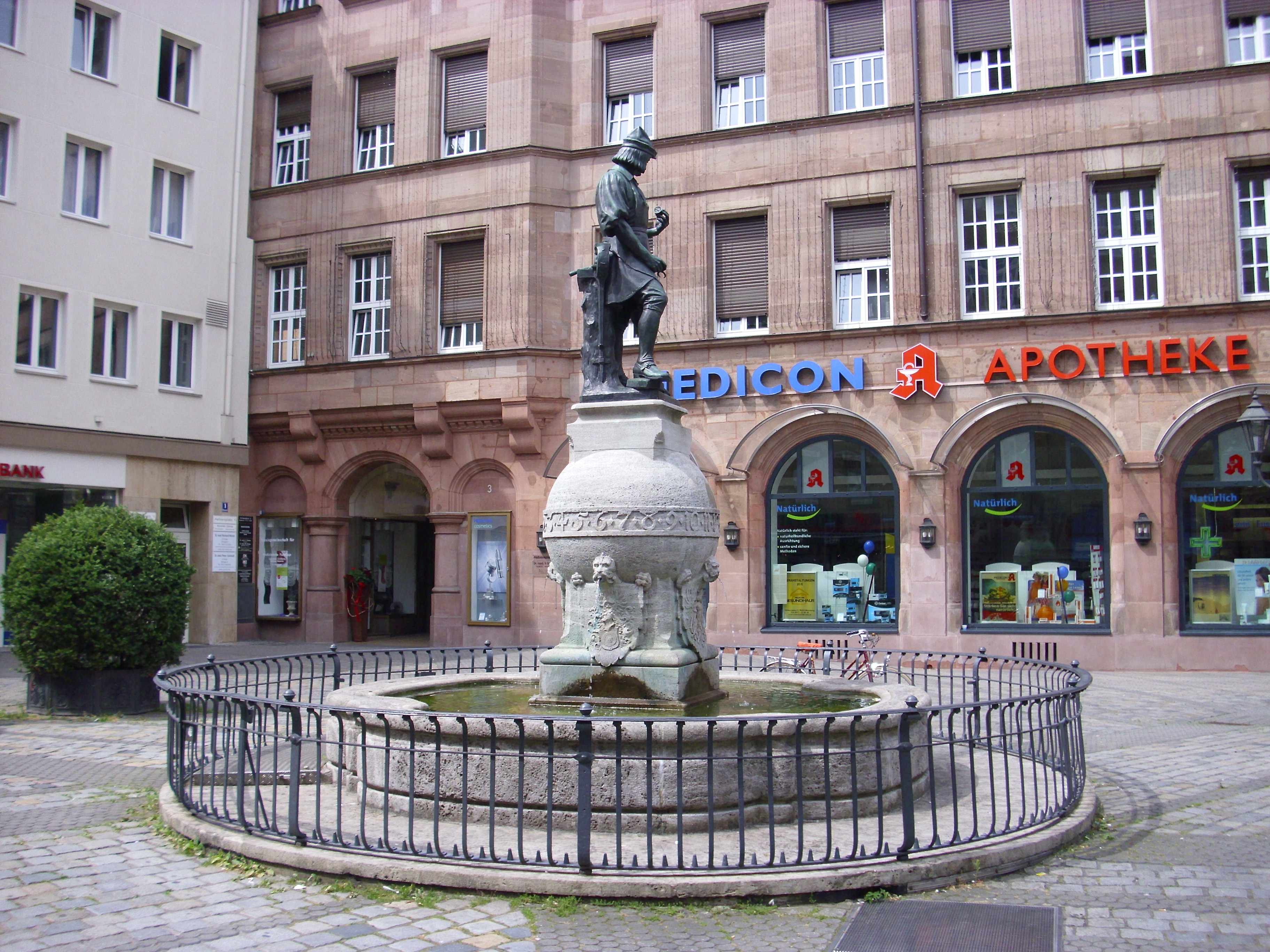
| Knöpfles‑Brunnen | Fountain | 0.2 km | Knöpfles‑Brunnen |
Why Visit Them?
- Hieserleinbrunnen offers a contrasting design with elegant baroque motifs.
- Nägeleinswehr is a historic weir that once regulated water flow for the city’s mills.
- Dürer‑Pirckheimer‑Brunnen celebrates two of Nuremberg’s most famous Renaissance figures, Albrecht Dürer and Willibald Pirckheimer.
- Tritonbrunnen features a mythological sea‑god, adding a classical flair to the area.
- Knöpfles‑Brunnen showcases intricate stonework and is a favorite spot for local families.
A short walk between these sites lets you soak up centuries of artistic expression while staying within the vibrant heart of the city.
Travel Tips
- Combine with a Food Break – The fountain sits near several traditional Bavarian cafés. Grab a Brezel and a Fränkisches Bier at a nearby tavern for an authentic snack.
- Photography Hacks – Early morning light creates a soft glow on the stone, while late afternoon offers dramatic shadows. Use a wide‑angle lens to capture both the fountain and the surrounding historic architecture.
- Stay Hydrated – The water is safe to drink. Bring a reusable bottle and refill at the basin for an eco‑friendly option.
- Footwear Matters – Cobblestones can be uneven, especially after rain. Wear comfortable, sturdy shoes for walking between the nearby fountains.
- Check Local Events – Nuremberg’s cultural calendar often lists open‑air concerts near the market square. If a bag‑pipe troupe performs, you’ll get a live soundtrack that perfectly matches the fountain’s theme.
- Accessibility – The plaza around the Dudelsackpfeiferbrunnen is wheelchair‑friendly, with smooth pathways and curb ramps.
- Language Tip – While most signage is in German, many locals speak English, especially in tourist areas. A simple “Entschuldigung, wo ist der Dudelsackpfeiferbrunnen?” (Excuse me, where is the Dudelsackpfeiferbrunnen?) will earn friendly directions.
Wrap‑Up
The Dudelsackpfeiferbrunnen may not be as famous as Nuremberg’s castle or its Christmas market, but it offers a uniquely Bavarian slice of history that resonates with travelers seeking authentic, off‑the‑beaten‑path experiences. Whether you’re a history buff, a photography enthusiast, or simply someone who loves stumbling upon charming city corners, this bag‑pipe player fountain deserves a spot on your itinerary.
Plan your visit, explore the neighboring fountains, and let the gentle flow of water and imagined melodies guide you through one of Bavaria’s most enchanting urban landscapes. Happy travels!