Delphinbrünnlein – Erlangen’s Hidden Baroque Gem
If you think Bavaria is only about Alpine peaks and beer halls, think again. Nestled in the heart of Erlangen’s historic Schlossgarten, the whimsical Delphinbrünnlein fountain invites travelers to pause, snap a photo, and step back into a playful slice of 19th‑century art history.
1. Introduction
Wandering through the leafy avenues of Erlangen’s city park, you’ll soon hear the gentle splash of water and spot a tiny, bronze figure perched triumphantly on a dolphin. That’s Delphinbrünnlein, a charming fountain that may be small in size but mighty in character. Whether you’re a history buff, a fountain aficionado, or simply looking for a picturesque spot for your Instagram feed, this baroque‑style sculpture offers a delightful surprise in the middle of Bavaria’s university town.
2. About Delphinbrünnlein
A Brief Description
Delphinbrünnlein is a modest‑sized fountain basin originally laid out in 1843 as part of the redesign of the Schlossgarten Erlangen (the palace garden). The water feature was initially without a statue; the basin simply collected water from a modest pump.
In 1914, a copy of a baroque sculpture—believed to be the work of the 17th‑century artist Elias Räntz—was installed. The figure depicts a riding putto (cherubic child) astride a dolphin, a motif that blends innocence with the power of the sea. The original baroque piece was destroyed long ago, but the 1914 replica captured the same playful spirit.
A Turbulent Past
During the unrest of the early 1980s, the fountain suffered deliberate vandalism in 1981, resulting in the loss of the original copy. Determined to preserve the garden’s artistic heritage, the city commissioned a new reproduction crafted by sculptor Heinrich Mantel. The current Delphinbrünnlein, therefore, is a faithful recreation that continues to delight visitors more than a century after its first appearance.
Why It Matters
Delphinbrünnlein is more than a decorative water feature; it represents Erlangen’s commitment to cultural preservation and the integration of art into everyday public spaces. The fountain’s baroque style contrasts beautifully with the garden’s English‑landscape design, creating a visual dialogue between two artistic eras. For travelers, it’s a tangible reminder that even small towns in Bavaria hold layers of history waiting to be uncovered.
3. How to Get There
| Mode of Transport | Details |
|---|---|
| By Train | Erlangen is a stop on the Nuremberg–Bamberg railway line. From Erlangen Hauptbahnhof, the Schlossgarten entrance is a 10‑minute walk (≈800 m). Follow signs for “Schlossgarten” or ask locals for “der Garten hinter dem Schloss”. |
| By Bus | City bus lines U1, U2, and U3 stop at “Schlossgarten” (stop Erlangen, Schlossgarten). Buses run every 10‑15 minutes from the central bus station. |
| By Car | If you’re driving, park at the Schlossgarten parking lot (street address: Schlossplatz 1, 91052 Erlangen). There are also several street‑parking spaces along Kaiserstraße and Königstraße. |
| By Bike | Erlangen is a bike‑friendly city with dedicated lanes. The Erlanger Radweg leads directly to the park. Many hotels provide free bike rentals. |
| Walking | From the historic Erlangen Old Town (Altstadt), it’s a pleasant 15‑minute stroll through cobblestone streets and leafy avenues. The route passes the University of Erlangen‑Nürnberg and the Marktplatz, offering extra sightseeing opportunities. |
Coordinates: 49.598577 N, 11.009065 E – simply paste them into any GPS app for pinpoint navigation.
4. Best Time to Visit
| Season | Why It Works |
|---|---|
| Spring (April–June) | Blossoming trees and tulip beds frame the fountain, creating a pastel backdrop perfect for photos. Temperatures are mild (10‑20 °C). |
| Summer (July–August) | Longer daylight hours let you linger. The fountain’s water mist feels refreshing on warm days, and nearby cafés spill onto terraces for a cool drink. |
| Autumn (September–October) | Golden foliage adds a warm glow. The garden is less crowded, making it easier to find a quiet spot to sit and listen to the water. |
| Winter (November–March) | While the garden is quieter, the fountain can be striking against a dusting of snow. Check local opening times, as some park sections may close early. |
Tip: The Erlangen Spring Festival (Frühlingsfest) usually takes place in May near the Schlossgarten, adding market stalls and live music to the ambiance. Arriving early in the day helps you avoid the crowds.
5. What to Expect
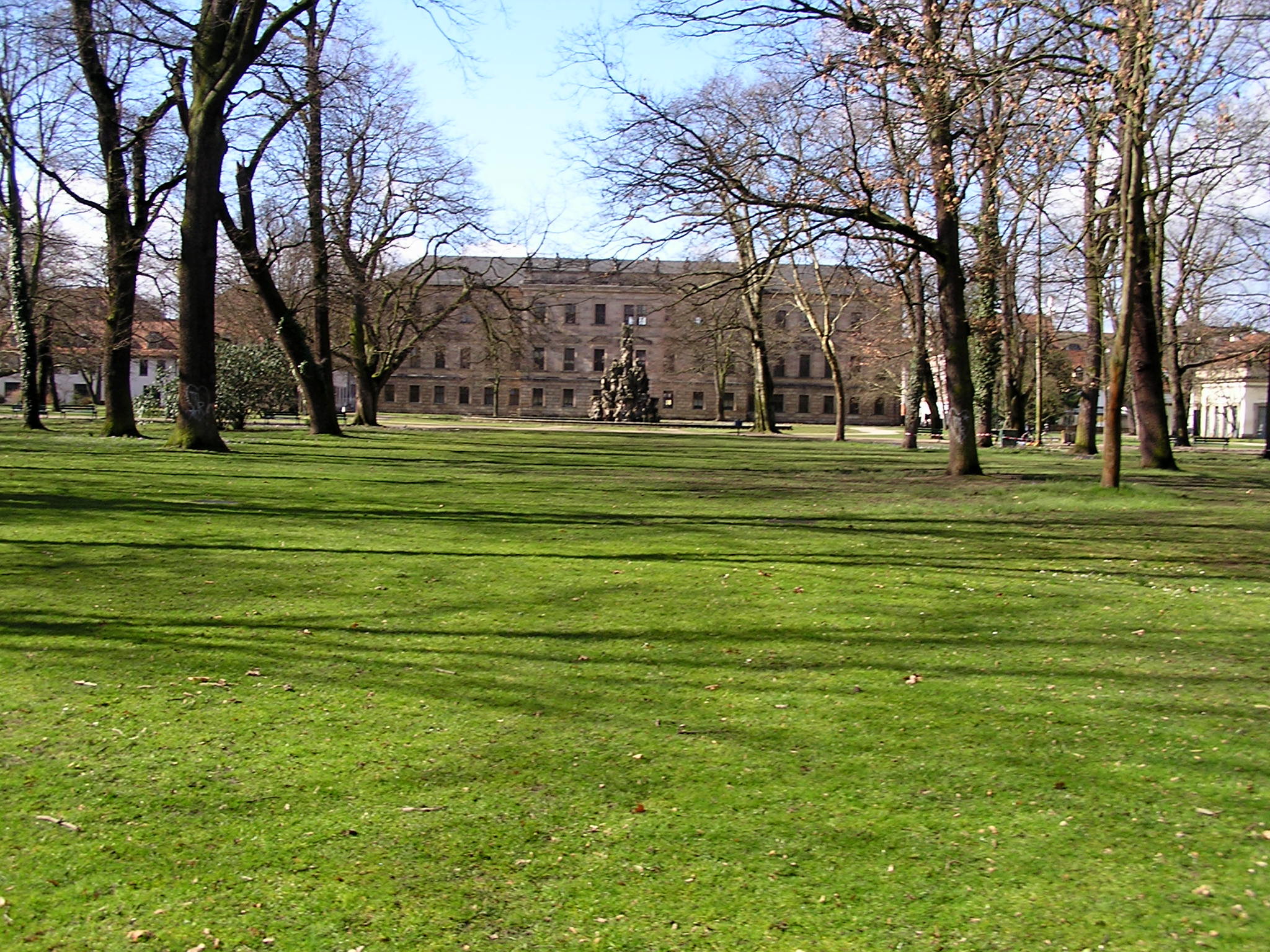
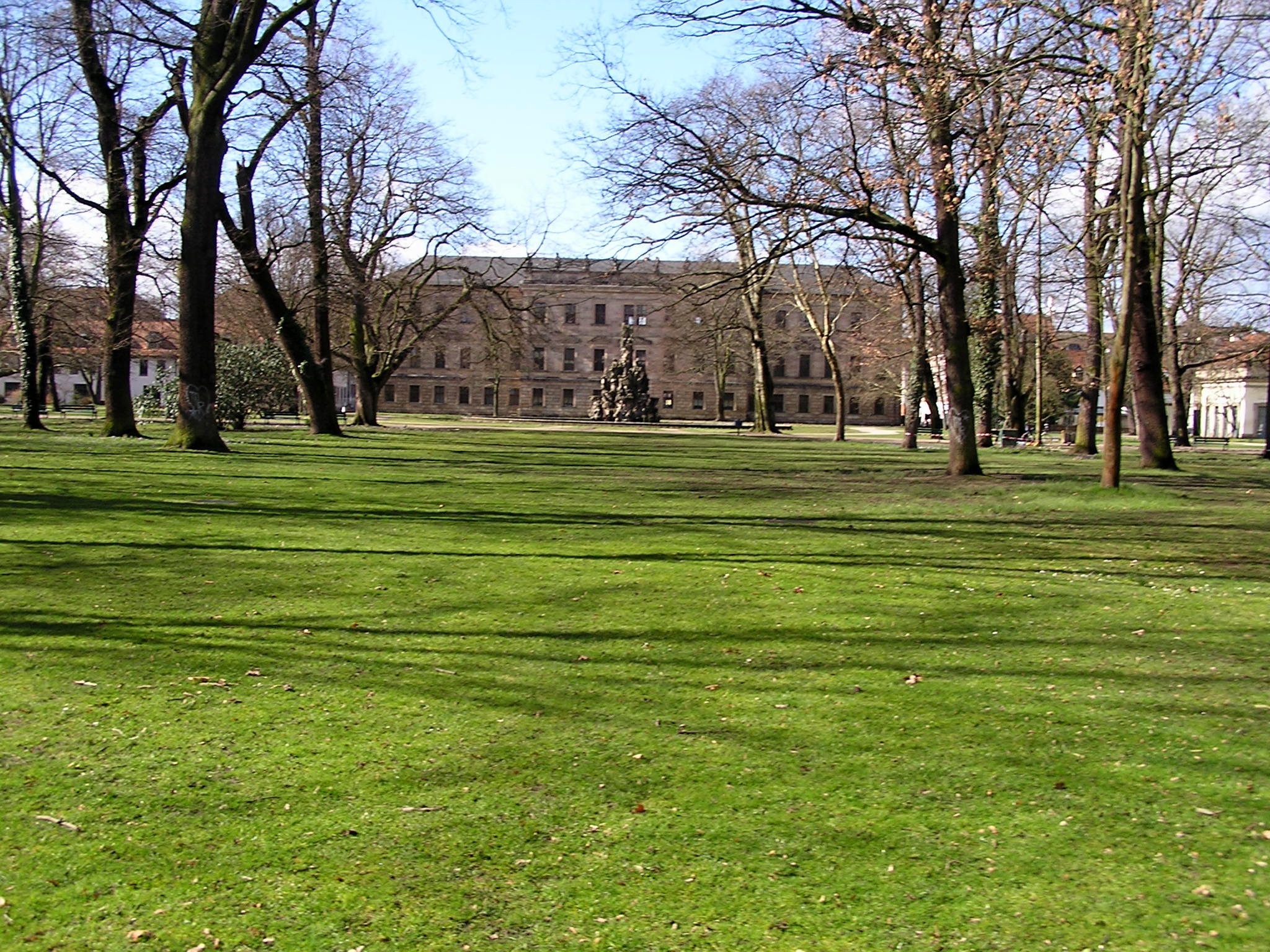
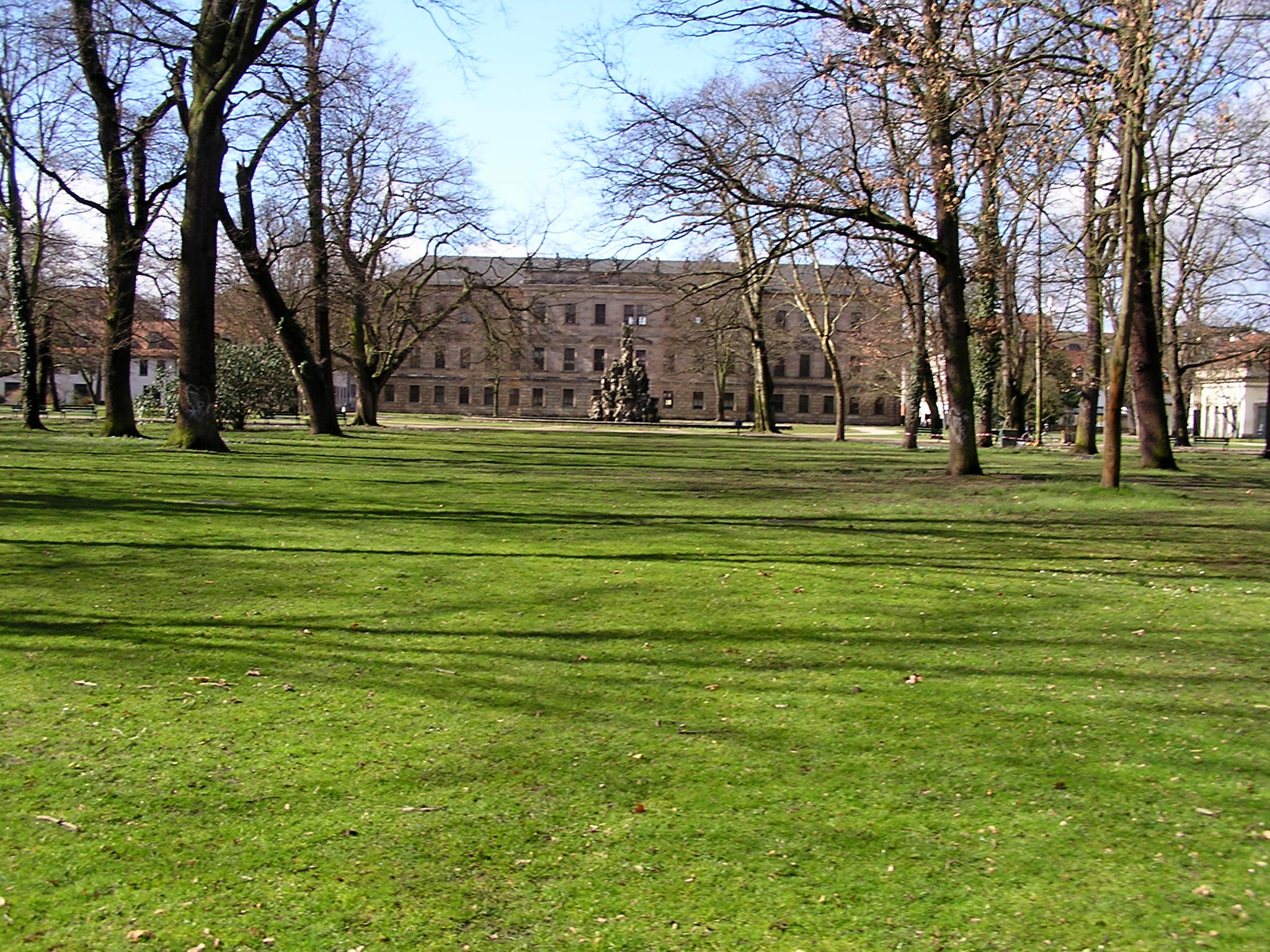
When you approach Delphinbrünnlein, the first thing you’ll notice is the playful motion of the bronze putto—its arms outstretched as if urging the dolphin forward. Water cascades gently from the dolphin’s mouth into the shallow basin, creating a soothing, rhythmic sound that masks city noise.
The surrounding Schlossgarten is a meticulously landscaped park featuring winding paths, mature linden trees, and occasional sculptures. Benches line the promenade, offering a perfect spot to sit, sip a coffee, and watch locals—students, families, and retirees—wander by.
Because the fountain is historically a copy, you’ll see a subtle patina that hints at its age while still retaining crisp details. The craftsmanship of Heinrich Mantel ensures the lines are clean, and the water flow is steady, thanks to modern plumbing hidden beneath the garden’s stonework.
Overall, the experience is intimate rather than grandiose. It’s the kind of place where you can pause for a few minutes, reflect, and feel connected to Erlangen’s layered past.
6. Nearby Attractions
While you’re in the Schlossgarten area, make the most of your visit by exploring these fascinating fountains and landmarks, all within a short walk:
- Rückert‑Brunnen – 0.2 km away. A tribute to poet Rainer Maria Rückert, featuring a classical stone basin.
- Brunnenbuberl – 0.2 km away. A whimsical little boy statue that children love to climb on.
- Hugenottenbrunnen – 0.3 km away. Celebrates the Huguenot refugees who settled in Erlangen in the 17th century.
- Quellstein im Labyrinth – 0.3 km away. A hidden spring inside a maze‑like garden, perfect for a quiet moment.
For a deeper dive into the park’s history, check the Schlossgarten Erlangen Wikipedia page (German).
7. Travel Tips
- Bring a Compact Umbrella – Even in summer, sudden showers can occur. The fountain’s basin can become slippery, so a quick cover keeps you dry and safe.
- Wear Comfortable Shoes – The park’s paths are a mix of gravel and cobblestones. Good walking shoes let you explore the garden and nearby attractions without fatigue.
- Charge Your Camera – The lighting changes throughout the day; early morning and golden hour provide the best illumination for the bronze sculpture.
- Check Opening Hours – While the garden is generally open year‑round, some sections close at dusk in winter. The city’s official website provides up‑to‑date schedules.
- Mind the Vandalism History – Although the fountain is now well‑maintained, be respectful and avoid climbing on the sculpture. This helps preserve it for future visitors.
- Combine with a Café Break – The Café am Schlossgarten (just across from the fountain) serves excellent coffee and Bavarian pastries—a perfect spot to recharge.
- Public Transport Pass – If you plan to visit multiple sites in Erlangen, the “Erlanger Mobil” day ticket offers unlimited bus and tram rides for a reasonable price.
Final Thought
Delphinbrünnlein may be modest in stature, but it encapsulates the spirit of Erlangen—a city where art, history, and daily life flow together like water from a fountain. Whether you’re strolling through the Schlossgarten on a sunny afternoon or seeking a quiet corner during a crisp autumn morning, this delightful fountain promises a memorable pause in your Bavarian adventure.
Pack your camera, follow the coordinates, and let the little putto on a dolphin guide you to one of Erlangen’s most endearing hidden treasures.