Discover Burgschmietbrunnen: Nuremberg’s Hidden Fountain Gem
If you think you’ve seen every historic fountain in Bavaria, think again. Tucked away in the heart of Nuremberg’s old town, the Burgschmietbrunnen is a quiet tribute to an overlooked master‑sculptor, offering travelers a perfect blend of art, history, and local charm.
1. Introduction
Strolling through Nuremberg’s cobbled streets, you’ll inevitably encounter grand cathedrals, medieval walls, and bustling market squares. Yet, just a few steps from the iconic Nuremberg Castle, a modest stone basin quietly whispers a story of craftsmanship and civic pride. The Burgschmietbrunnen (pronounced “Burg‑shmee‑t‑broom‑en”) may not dominate guidebooks, but it is a must‑see for anyone eager to explore the city’s lesser‑known cultural treasures.
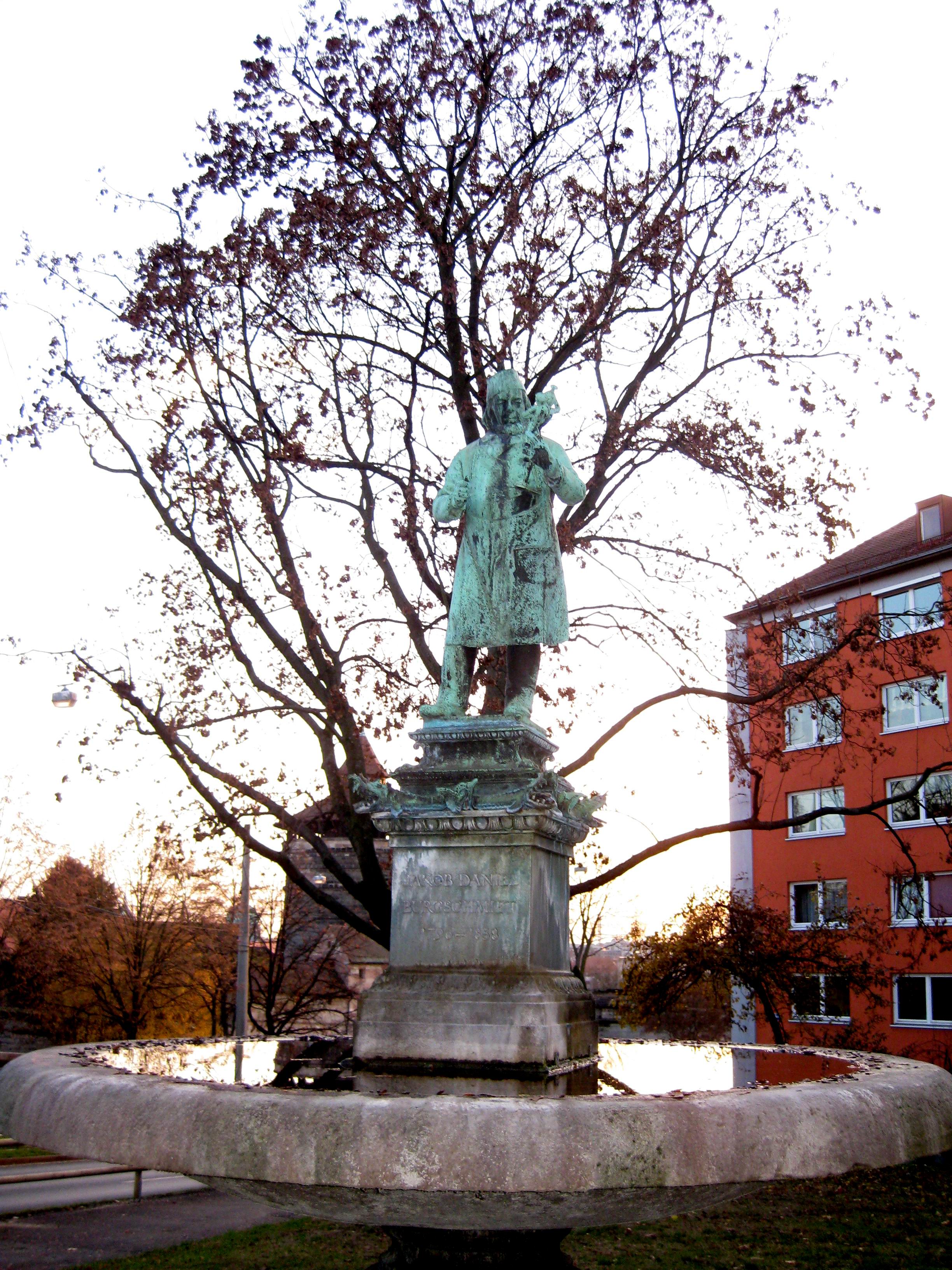
This fountain, dedicated to the 19th‑century sculptor and metal‑caster Jacob Daniel Burgschmiet, stands as a living memorial to the artisans who shaped Nuremberg’s visual identity. Whether you’re a photography enthusiast hunting unique angles, a history buff tracing the city’s artistic lineage, or simply a traveler looking for a peaceful spot to pause, the Burgschmietbrunnen delivers an authentic Bavarian experience.
2. About Burgschmietbrunnen
Description
- Type: Fountain (stone basin with decorative elements)
- Location: Nuremberg, Bavaria, Germany – coordinates 49.457600, 11.072146
- Dedication: In memory of the sculptor and art‑founder Jacob Daniel Burgschmiet
The fountain’s design is understated yet elegant. A shallow stone basin rests on a low, ornately carved pedestal, crowned by a modest sculptural relief that hints at Burgschmiet’s own style. Water gently bubbles from a single nozzle, creating a soothing soundscape that contrasts with the surrounding urban hum.
History & Significance
Jacob Daniel Burgschmiet (1805‑1867) was a prolific Bildhauer (sculptor) and Kunstgießer (art caster) whose work adorned many public spaces across Bavaria. Though his name is rarely mentioned outside specialist circles, his contributions to Nuremberg’s 19th‑century urban beautification were substantial. The city erected the Burgschmietbrunnen in the late 1800s as a tribute to his artistic legacy, ensuring that passers‑by would remember the hands that shaped their environment.
Unlike the more flamboyant fountains that dominate tourist itineraries—such as the Fountain of the Four Seasons in Munich—Burgschmietbrunnen reflects the modest, community‑focused spirit of Nuremberg. It reminds visitors that art can thrive in intimate settings, and that every stone can tell a story when you take the time to listen.
3. How to Get There
By Public Transport
| Mode | Details |
|---|---|
| U‑Bahn (U2 line) | Get off at Plärrer station (U‑Bahn and S‑Bahn hub). From there, it’s a 5‑minute walk north along Königstraße toward the castle. |
| Tram | Tram line 4 or 5 stops at Königstraße. Walk east for about 300 m; the fountain sits near the intersection of Königstraße and Burgschmietstraße. |
| Bus | Bus routes 33 and 74 also serve the Königstraße stop. |
By Foot
If you’re staying in the historic Altstadt (Old Town), the Burgschmietbrunnen is within a 10‑minute walk from Nuremberg Hauptbahnhof (main train station). Head south on Bahnhofstraße, cross the Pegnitz River, and continue along Königstraße until you spot the fountain’s stone basin beside a small garden patch.
By Car
Parking in the Altstadt can be challenging. The nearest public parking garage is Parkhaus am Hauptbahnhof (address: Bahnhofstraße 2). From there, walk the same route described above.
4. Best Time to Visit
| Season | Why It Works |
|---|---|
| Spring (April‑May) | Blossoming trees line Königstraße, providing a colorful backdrop for photos. The water temperature is pleasant, and crowds are still modest. |
| Summer (June‑August) | Longer daylight hours let you enjoy the fountain’s gentle mist in the evening. Nearby cafés spill onto the sidewalks, creating a lively atmosphere. |
| Autumn (September‑October) | Golden leaves frame the fountain, and the cooler air makes a stroll through the historic district especially comfortable. |
| Winter (November‑March) | While the fountain may be turned off for maintenance, the surrounding architecture looks magical under festive lights. Check local listings for any seasonal closures. |
Pro tip: Early mornings (7 am–9 am) or late afternoons (4 pm–6 pm) provide soft natural light—ideal for capturing the subtle details of the stone relief without harsh shadows.
5. What to Expect
Arriving at the Burgschmietbrunnen, you’ll first notice the quiet hum of water against stone—a sound that instantly invites contemplation. The surrounding area is a small, paved square with benches, making it a perfect spot for a short coffee break.
- Visuals: The fountain’s relief features modest ornamental motifs typical of mid‑19th‑century Bavarian sculpture—think stylized vines and gentle figures that echo Burgschmiet’s larger works.
- Atmosphere: Unlike the bustling market square, this corner feels intimate. Locals often pause here to read a newspaper or chat with friends, giving you a glimpse of everyday Nuremberg life.
- Photography: The stone’s texture catches the light beautifully at sunrise and sunset. Try a low angle to emphasize the water’s movement against the backdrop of the nearby historic facades.
Because the fountain is part of a network of small water features scattered across the Altstadt, you’ll likely find yourself on a “fountain trail,” hopping from one historic basin to the next.
6. Nearby Attractions
While you’re in the vicinity, make the most of the short walk to explore other charming fountains and historic sites. All are within a 0.5‑km radius—perfect for a leisurely afternoon itinerary.
- Geiersbrunnen (0.3 km) – A striking eagle‑themed fountain that dates back to the Renaissance.
- Margarethenbrunnen (0.3 km) – A historic spring turned decorative fountain, known for its crystal‑clear water.
- Vier‑Jahreszeiten‑Brunnen (0.3 km) – Celebrates the four seasons with four sculpted figures, each representing a different time of year.
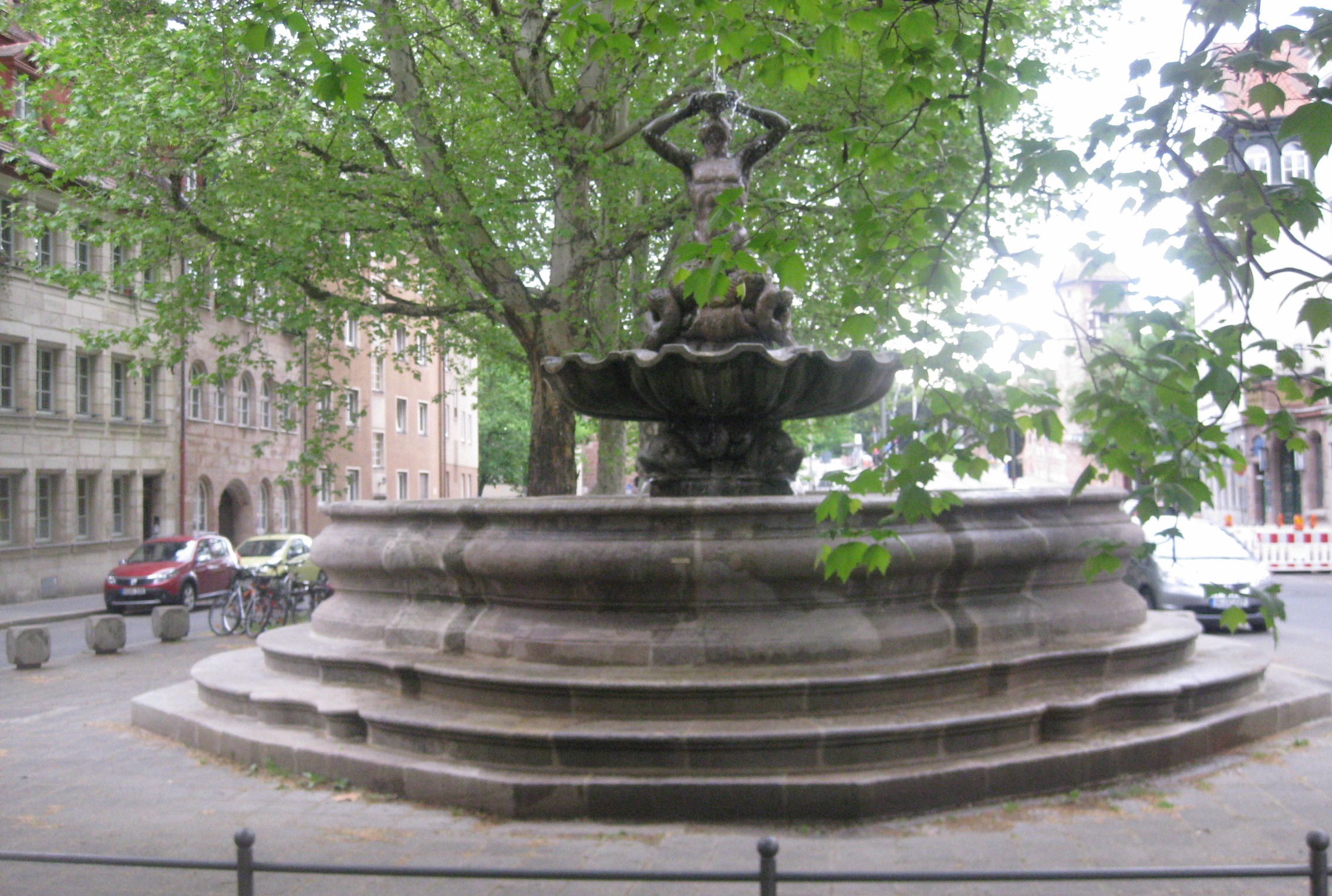
- Tritonbrunnen (0.4 km) – Features the mythic sea‑god Triton, perfect for mythology fans.
Beyond the fountains, the Nuremberg Castle (Kaiserburg) looms just a few minutes away, offering panoramic views of the city. The Albrecht Dürer House and the Germanisches Nationalmuseum are also within easy walking distance, rounding out a culturally rich day.
7. Travel Tips
| Tip | Details |
|---|---|
| Bring a reusable water bottle | Many public fountains in Nuremberg provide clean drinking water—stay hydrated while reducing plastic waste. |
| Wear comfortable shoes | Cobblestone streets can be uneven; sturdy walking shoes will keep you comfortable throughout the fountain trail. |
| Check opening hours | While the Burgschmietbrunnen is generally accessible 24/7, water flow may be paused for maintenance—local tourist info points can confirm current status. |
| Combine with a food break | The nearby Café Bar Seidensticker (just off Königstraße) offers excellent Bavarian pastries and a view of the fountain. |
| Capture the moment | Use a polarizing filter to reduce glare on the water surface, and experiment with long exposures for a silky‑smooth effect. |
| Respect the space | As a historic monument, avoid climbing on the fountain or littering. Keep the area pristine for future visitors. |
| Learn a few German phrases | Simple greetings like “Guten Tag” and “Danke” go a long way when asking locals for directions or recommendations. |
Final Thought
The Burgschmietbrunnen may not dominate travel itineraries, but it embodies the quiet elegance that makes Nuremberg such a compelling destination. By pausing at this modest fountain, you honor the legacy of Jacob Daniel Burgschmiet and gain a deeper appreciation for the city’s artistic soul. So, lace up your walking shoes, follow the sound of gently flowing water, and let Nuremberg’s hidden fountains guide you through a journey of discovery.
Happy travels, and may every splash you encounter tell a story!