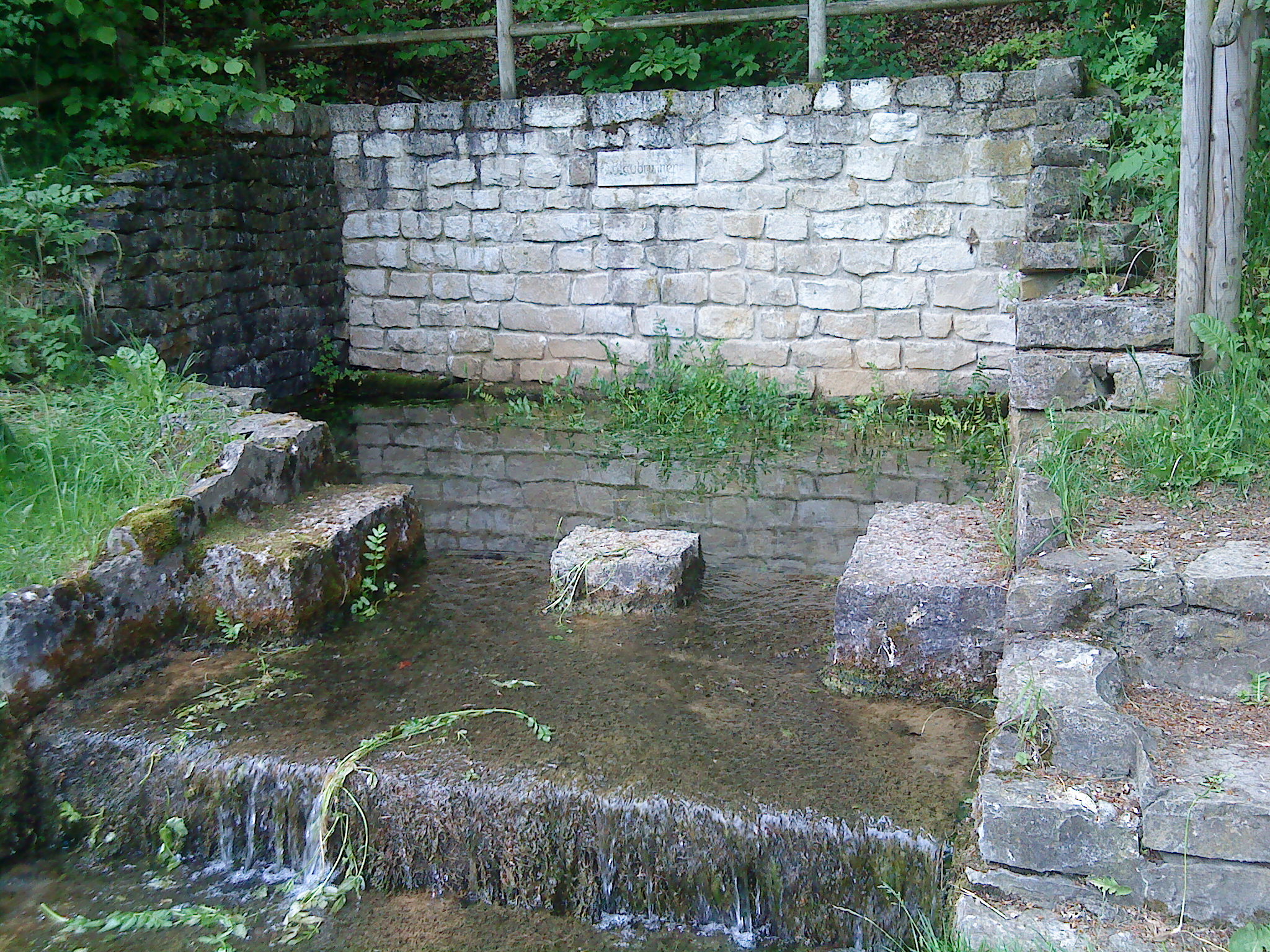
Blaubrunnen – Bavaria’s Hidden Karst Spring
Discover the crystal‑clear waters of Blaubrunnen, a secluded karst spring tucked away in the rolling hills of Walting, Bavaria. Whether you’re a nature lover, a photography enthusiast, or simply craving a peaceful spot off the beaten path, Blaubrunnen offers a refreshing glimpse into Germany’s underground water wonders.
1. Introduction
Imagine stepping into a forest clearing where the air smells of pine and damp earth, and before you lies a natural spring that shimmers with an almost ethereal blue hue. That’s Blaubrunnen – a modest‑sized karst spring (German: Karstquelle) that has quietly captivated hikers and locals for generations. Unlike the crowded tourist magnets of the Bavarian Alps, Blaubrunnen remains a secret treasure, perfect for a tranquil day trip or a quiet moment of reflection.
If you’re planning a Bavarian itinerary that blends cultural sights with authentic natural experiences, add Blaubrunnen to your list. Its pristine water, surrounding meadow, and gentle forest backdrop make it a photogenic stop that feels worlds away from the usual city bustle.
2. About Blaubrunnen
What is Blaubrunnen?
- Type: Natural spring (karst source)
- Location: Walting, Bavaria, Germany
- Coordinates: 48.986455 N, 11.277056 E
Blaubrunnen is a karst spring, meaning the water emerges from a limestone landscape where underground channels dissolve the rock, creating subterranean rivers that surface at the spring. The water’s striking blue tint comes from the mineral composition of the limestone and the way sunlight refracts through the clear, cool flow.
Historical and Cultural Significance
While there are no grand monuments or documented historic events tied to Blaubrunnen, the spring has long served the local community as a source of fresh water and a place for quiet contemplation. In Bavarian folklore, springs often carry legends of healing and hidden spirits; visitors today still feel a subtle sense of reverence when standing at the water’s edge.
The name Blaubrunnen literally translates to “blue well,” a straightforward description that reflects the locals’ practical relationship with the landscape. The spring is mentioned in the German Wikipedia entry for Blaubrunnen (Karstquelle), confirming its recognized status among Bavaria’s many natural water sources.
Why It Matters
- Ecological value: As a karst spring, Blaubrunnen contributes to the regional groundwater system and supports surrounding flora and fauna.
- Scenic appeal: The clear blue water set against a backdrop of mixed forest and meadow creates a postcard‑worthy scene.
- Off‑the‑radar destination: For travelers seeking authentic, low‑traffic nature spots, Blaubrunnen offers a genuine Bavarian experience.
3. How to Get There
By Car
Driving is the most straightforward way to reach Blaubrunnen:
- From Munich: Take the A9 north toward Ingolstadt, exit at Ingolstadt‑West (Exit 71). Follow signs for Walting on the B13, then continue on local roads (L 2146) toward the coordinates 48.986455 N, 11.277056 E.
- From Nuremberg: Head south on the A9, exit at Ingolstadt‑West, then follow the same route.
The total drive is roughly 1.5 – 2 hours from either city, with ample parking available at the small lay‑by near the spring.
By Public Transport
- Train: Catch a regional train (Deutsche Bahn) to Ingolstadt Hauptbahnhof.
- Bus: From Ingolstadt, take the Regionalbus 801 toward Walting (check the latest timetable on the MVV website). Get off at the Walting, Blaubrunnen stop – the bus drops you within a 5‑minute walk of the spring.
- Bike/Walk: The final stretch is a pleasant 1 km forest trail, well marked with signposts pointing to “Blaubrunnen – Karstquelle.”
Walking/Hiking
If you enjoy long hikes, consider the Walting Loop Trail, a 12 km circular route that passes through farmland, mixed woods, and several smaller springs before arriving at Blaubrunnen. The trail is marked with the standard white‑blue Bavarian hiking signs.
4. Best Time to Visit
| Season | Conditions | Why Visit |
|---|---|---|
| Spring (April‑June) | Mild temperatures (10‑18 °C), blooming wildflowers, water flow at its peak after snowmelt. | Ideal for photography; the meadow surrounding the spring bursts with color. |
| Summer (July‑August) | Warm days (20‑25 °C), occasional thunderstorms. | Great for a cool dip in the spring’s water, but bring rain gear for sudden showers. |
| Autumn (September‑October) | Crisp air, golden foliage, lower visitor numbers. | Perfect for tranquil walks and capturing the changing leaves reflected in the water. |
| Winter (November‑March) | Cold (0‑5 °C), possible frost; the spring may partially freeze. | A quiet, mystical atmosphere—great for early‑morning sunrise shots, but dress warmly. |
Overall recommendation: Late spring to early autumn (May‑September) offers the most comfortable weather and vibrant scenery, making it the peak season for most travelers.
5. What to Expect
When you arrive at Blaubrunnen, you’ll be greeted by a modest clearing framed by towering beech and spruce trees. The spring itself emerges from a small limestone outcrop, forming a shallow pool that glistens in shades of turquoise and sapphire. The water is crystal clear, cold (typically 8‑10 °C), and gently trickles over smooth stones, creating a soothing soundscape.
Key experiences:
- Listening to the flow: The soft murmur of the spring is perfect for meditation or a moment of quiet contemplation.
- Photography: The interplay of light on the water, especially during early morning or late afternoon, yields stunning reflections.
- Picnicking: A few flat rocks near the water serve as natural seats; bring a snack and enjoy a simple, nature‑filled lunch.
- Wildlife spotting: Look for dragonflies, small amphibians, and occasional deer that come to drink.
There are no built‑in facilities (toilets, cafés), which is part of the charm. Remember to pack out any trash and respect the natural environment.
6. Nearby Attractions
Blaubrunnen sits in a cluster of lesser‑known springs and natural sites that are perfect for a day‑long exploration. Below are the closest water‑related points of interest (all within a 5 km radius):
| Distance | Attraction | Quick Link |
|---|---|---|
| 1.9 km | Spring A – a small karst spring with a moss‑covered basin. | Explore Spring A |
| 2.9 km | Spring B – known for its gentle cascade over limestone. | Explore Spring B |
| 4.0 km | Spring C – a tranquil pool favored by local hikers. | Explore Spring C |
| 4.0 km | Spring D – a historic well with a small wooden shelter. | Explore Spring D |
| 4.7 km | Spring E – a scenic spring that feeds a narrow brook downstream. | Explore Spring E |
Tip: Combine these springs into a “Karst Spring Trail” – a 10‑km loop that lets you experience multiple water sources, varied forest habitats, and panoramic views of the Bavarian countryside.
7. Travel Tips
| Tip | Details |
|---|---|
| Dress in layers | The spring water is cold year‑round; bring a waterproof jacket and sturdy walking shoes. |
| Bring a reusable water bottle | While the spring water looks tempting, it’s best to drink filtered water unless you’re certain of its potability. |
| Leave no trace | There are no trash bins; pack a small bag for your waste. |
| Timing | Arrive early (before 10 am) in summer to avoid the few visitors who come later in the day. |
| Photography gear | A polarizing filter helps reduce glare on the water; a wide‑angle lens captures the surrounding forest. |
| Safety | The ground around the spring can be slippery; watch your step, especially after rain. |
| Local food | For a taste of Bavarian cuisine, stop in the nearby village of Walting for a hearty Weißwurst or Brezel before heading to the spring. |
| Language | Most locals speak German; a few English phrases (“Wo ist Blaubrunnen?”) go a long way. |
| Mobile signal | Coverage can be spotty; download offline maps (e.g., MAPS.ME) before you set out. |
| Seasonal events | Check the Walting community calendar – occasional “Spring Water Festival” events may add cultural flavor to your visit. |
Final Thoughts
Blaubrunnen may not appear on every travel brochure, but that’s precisely why it feels like a secret shared between the land and the traveler who discovers it. Its clear blue waters, serene forest setting, and proximity to other hidden springs make it a must‑visit for anyone seeking authentic Bavarian nature. Pack your hiking boots, bring a sense of curiosity, and let the gentle flow of Blaubrunnen refresh both body and spirit.
Happy travels, and may your journey through Bavaria be as clear and invigorating as the waters of Blaubrunnen!