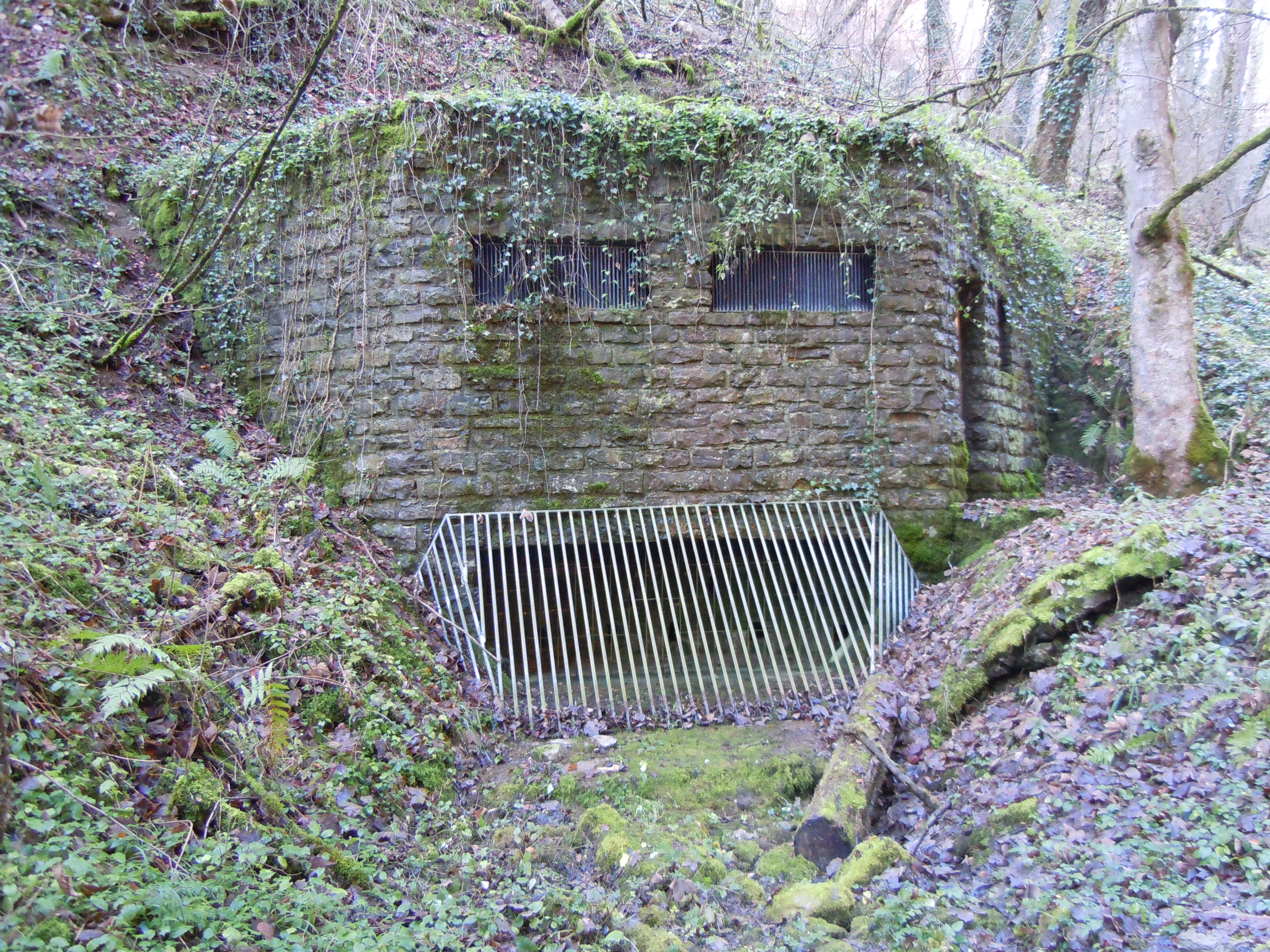
Discover the Hidden Karst Spring of Talbaches in the Eutinger Tal
Spring 💧 | Horb am Neckar, Baden‑Württemberg, Germany
Introduction
If you’re chasing the whisper of crystal‑clear water bubbling up from the earth, the Karstquellen des Talbaches (Talbaches karst springs) in the serene Eutinger Tal should be at the top of your list. Tucked away near the charming town of Horb am Neckar, this spring offers a rare glimpse into the underground limestone world that feeds the region’s sparkling waterways. Whether you’re a seasoned hiker, a photography enthusiast, or simply a lover of tranquil nature spots, the Talbaches spring promises a refreshing escape from the bustle of everyday life.
About the Talbaches Karst Spring
What Is It?
The Talbaches spring is part of a karst system—a network of limestone fissures, underground rivers, and natural reservoirs that surface as springs. Located at 48.464486 N, 8.728093 E, the spring emerges from the Eutinger Tal, a narrow valley celebrated for its geological richness. While exact height and altitude data are not recorded, the spring’s clear, mineral‑rich water is a hallmark of the region’s karst landscape.
Historical Significance
Karst springs like Talbaches have long been vital to local communities. Historically, they supplied fresh drinking water, powered small mills, and served as gathering spots for villagers. The spring’s presence is documented in the German Wikipedia entry Karstquellen des Talbaches und der Lochbrunnen im Eutinger Tal, underscoring its cultural and ecological importance. Though modern infrastructure now provides alternative water sources, the spring remains a living reminder of the region’s natural heritage.
Why It Matters
- Ecological hotspot – The spring nurtures a unique micro‑habitat for aquatic insects, mosses, and small fish.
- Geological showcase – Visitors can observe limestone formations and the subtle interplay between surface water and underground channels.
- Scenic serenity – Surrounded by mixed forests and gentle hills, the spring offers a peaceful setting for meditation, sketching, or simply listening to the gentle murmur of water.
How to Get There
By Train
- Arrive in Horb am Neckar – The town is served by regional trains from Stuttgart, Karlsruhe, and Ulm.
- From Horb Station – Walk or bike north toward the Eutinger Tal (≈ 2 km). Signage for “Talbaches Quelle” is modest but visible near the trailhead.
By Car
- From Stuttgart: Take the A8 east to the A81 toward Horb, exit at Horb‑Stetten and follow the B462 toward Eutingen. Parking is available at the designated lot near the trailhead (free, but limited spaces in summer).
- From Karlsruhe: Follow the A5 north, switch to the A81, and continue as above.
By Bike
The region is part of the Bodensee‑Rhein‑Neckar cycling network. A well‑marked bike path leads from Horb’s town center to the spring, offering a pleasant ride through vineyards and forested ridges.
Public Transport
Local bus line 331 runs from Horb’s central station to Eutingen, stopping within a 5‑minute walk of the spring’s entrance. Check the Verkehrsverbund Neckar-Alb-Donau (VVD) schedule for real‑time updates.
Best Time to Visit
| Season | What to Expect | Why It’s Ideal |
|---|---|---|
| Spring (April–June) | Budding wildflowers, moderate temperatures (10‑18 °C). | The spring’s water flow is strong after snowmelt, creating vibrant ripples and a fresh scent of forest. |
| Summer (July–August) | Warm days, longer daylight (up to 16 h). | Perfect for picnics and photography, though midday can be hot—bring shade. |
| Autumn (September–October) | Golden foliage, cooler air (8‑15 °C). | The contrast of amber leaves against the clear water makes for stunning pictures. |
| Winter (November–March) | Quiet, occasional frost on surrounding rocks. | If you enjoy solitude, the frozen mist adds a mystical atmosphere; however, some paths may be slippery. |
Overall recommendation: Late spring to early autumn offers the most comfortable weather and the most vibrant natural scenery.
What to Expect
The Sensory Experience
- Sight – Crystal‑clear water bubbling from a limestone fissure, framed by moss‑covered stones and delicate ferns. In sunny weather, the water catches light, creating tiny rainbows.
- Sound – A gentle, continuous gurgle that blends with birdsong from the surrounding forest.
- Touch – The water feels cool and slightly mineral‑rich; you can dip your hands in the spring without any health concerns.
- Smell – Fresh, earthy aromas of damp soil and pine needles dominate the air.
Trail Details
The approach to the spring is a 1.2 km loop of well‑maintained forest path (moderate difficulty). The trail is marked with wooden signs and occasional informational boards explaining karst processes. Benches are placed at scenic viewpoints, allowing you to rest and soak in the atmosphere.
Photography Tips
- Golden hour (just after sunrise or before sunset) enhances the water’s sparkle.
- Use a polarizing filter to reduce surface glare and bring out the blue‑green tones.
- Capture the contrast between the dark limestone and the bright water by positioning yourself downstream, looking upstream.
Nearby Attractions
While you’re exploring the Talbaches spring, consider adding these short‑distance gems to your itinerary:
| Attraction | Distance | Type | Why Visit |
|---|---|---|---|
| Blaues Wässerle | 0 km | Spring | A neighboring spring with striking turquoise water—perfect for a quick photo stop. |
| Mühlener Wehr | 1.6 km | Weir | Historic weir that once powered local mills; offers a glimpse into the region’s industrial past. |
| Wehr bei der Mühle | 1.6 km | Weir | Another charming weir nestled in a quiet meadow—ideal for a peaceful picnic. |
| Wehr bei Mühlen – Säge | 1.7 km | Weir | Small cascade with a rustic wooden bridge—great for a short hike and a breath of fresh air. |
| Unnamed Weir | 2.0 km | Weir | A lesser‑known water structure, perfect for those who love off‑the‑beaten‑path discoveries. |
All attractions are reachable on foot or by a short bike ride, making the area an excellent loop trail for a half‑day adventure.
Travel Tips
- Footwear – Wear sturdy, waterproof hiking shoes. The trail can be slippery near the spring, especially after rain.
- Pack Light – A small daypack with water, a snack, and a light rain jacket is sufficient.
- Leave No Trace – Keep the spring pristine by taking all litter back with you; the water is a protected natural resource.
- Timing – Arrive early on weekends to avoid the small crowd that gathers around midday.
- Dog Friendly – Leashed pets are allowed, but be mindful of the delicate limestone edges.
- Connectivity – Mobile reception is spotty; download offline maps (e.g., Komoot or AllTrails) before you set out.
- Local Cuisine – After your hike, stop in Horb’s town center for a hearty Maultaschen or a glass of Kärcher Riesling—both local specialties.
- Seasonal Gear – In winter, bring crampons or microspikes for icy sections, and dress in layers.
Final Thoughts
The Karstquellen des Talbaches may not appear on every tourist brochure, but that’s exactly what makes it a treasured find for the curious traveler. Its pristine waters, geological intrigue, and peaceful forest setting encapsulate the quiet beauty of Baden‑Württemberg’s countryside. Pair it with nearby springs and historic weirs, and you have a compact yet richly rewarding nature circuit just a stone’s throw from Horb am Neckar.
So lace up your boots, charge your camera, and let the gentle murmur of the Talbaches spring guide you into a day of discovery—one where the earth’s hidden veins surface in a sparkling, unforgettable display. Happy travels!