Unterer Gütersteiner Wasserfall – A Hidden Gem in Baden‑Württemberg
Discover the tranquil charm of the Unterer Gütersteiner Wasserfall, a lesser‑known waterfall tucked away in the rolling hills of Sankt Johann, Germany. Whether you’re a seasoned hiker, a photography enthusiast, or simply looking for a peaceful spot to unwind, this tiny cascade offers a slice of natural beauty that’s easy to miss – unless you know where to look.
1. Introduction
Imagine a crystal‑clear stream tumbling over smooth stone, the sound of water whispering through a quiet forest, and the scent of pine filling the air. That’s the experience awaiting you at Unterer Gütersteiner Wasserfall. While the name may not ring as loudly as the Rhine or the Black Forest, this modest waterfall packs a big punch for travelers seeking authentic, off‑the‑beaten‑path moments in Baden‑Württemberg. Nestled near the village of Sankt Johann, the site is part of the larger Gütersteiner Wasserfälle system, which also includes its taller sibling, the Oberer Gütersteiner Wasserfall.
In this guide, we’ll walk you through everything you need to know: the waterfall’s background, how to reach it, the best time to visit, what you’ll see on arrival, nearby attractions, and handy travel tips. Let’s dive in!
2. About Unterer Gütersteiner Wasserfall
A Quiet Corner of German Nature
The Unterer Gütersteiner Wasserfall (German for “Lower Gütersteiner Waterfall”) is situated at 48.490012 N, 9.351415 E, in the municipality of Sankt Johann, a charming town in the Baden‑Württemberg region of southwestern Germany. The waterfall is part of a small cascade system that runs through the Gütersteiner valley, a landscape shaped by centuries of water erosion and forest growth.
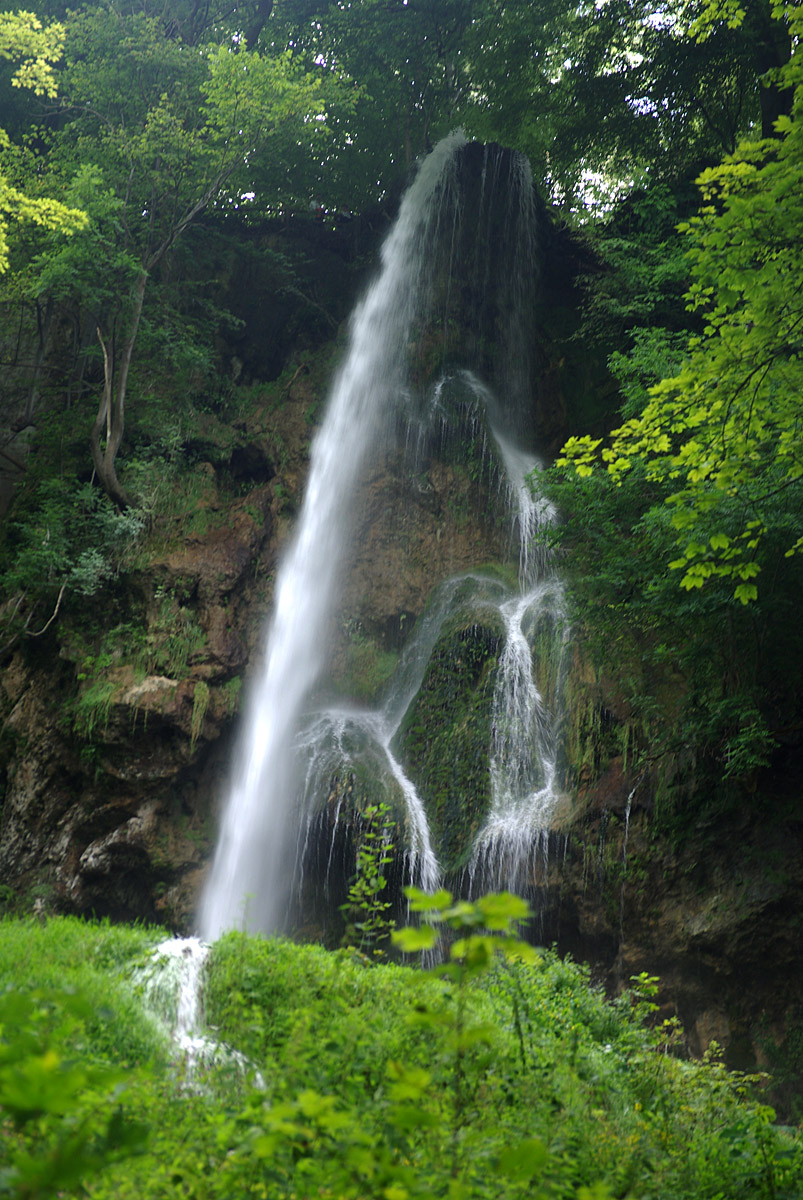
Unlike the dramatic, multi‑storey waterfalls that dominate travel brochures, the Unterer Gütersteiner Wasserfall is modest in size—its exact height and altitude remain undocumented, adding a touch of mystery to the site. Yet its understated elegance is precisely what draws nature lovers: a gentle, continuous flow that creates a soothing soundtrack for hikers and picnickers alike.
Historical Context
While detailed historical records of the Unterer Gütersteiner Wasserfall are scarce, the broader Gütersteiner Wasserfälle have long been part of the local cultural fabric. The name “Gütersteiner” is derived from the nearby settlement of Güterstein, which historically served as a waypoint for traders crossing the Swabian Alb. Over the centuries, the waterfalls have provided fresh water for agriculture, powered small mills, and offered a natural gathering place for the community.
Today, the waterfall is protected as part of the region’s natural heritage, ensuring that its pristine environment remains intact for future generations. Visitors can feel the continuity of centuries‑old traditions simply by standing beside the water and listening to its timeless murmur.
3. How to Get There
By Car
The most convenient way to reach the Unterer Gütersteiner Wasserfall is by car. From Stuttgart, take the A8 eastward toward Ulm, then exit onto B28 toward Reutlingen. Follow the signs for Sankt Johann; the town sits roughly 90 km (about 1 hour 15 minutes) from Stuttgart.
Once in Sankt Johann, look for local road signs pointing toward “Gütersteiner Wasserfälle.” Parking is available in a small municipal lot near the trailhead—just a short walk from the waterfall itself.
By Public Transport
If you prefer public transport, you can catch a regional train (RE) from Stuttgart Hauptbahnhof to Reutlingen. From Reutlingen, board a Bus 123 (or the current equivalent) that heads to Sankt Johann. The bus ride takes roughly 30 minutes and drops you off near the town center. From there, it’s a 10‑minute walk to the trailhead.
On Foot
The waterfall is best explored on foot. The trail from the parking area to the Unterer Gütersteiner Wasserfall is a gentle, well‑marked path that winds through mixed forest and meadow. The walk takes about 10‑15 minutes, making it suitable for families, casual walkers, and anyone looking for a quick nature escape.
Quick reference:
| Mode | Approx. Time | Key Directions |
|---|---|---|
| Car | 1 h 15 min from Stuttgart | A8 → B28 → Sankt Johann → trail signs |
| Train + Bus | 2 h from Stuttgart | RE to Reutlingen → Bus 123 to Sankt Johann |
| Walking (from parking) | 10‑15 min | Follow forest trail signs to “Unterer Gütersteiner Wasserfall” |
4. Best Time to Visit
Spring (April–June)
Spring brings a burst of life to the Gütersteiner valley. Snowmelt and seasonal rains increase water flow, making the cascade appear more vigorous. Wildflowers carpet the forest floor, providing vibrant photo opportunities.
Summer (July–August)
Summer offers warm weather and longer daylight hours—perfect for an early‑morning hike followed by a leisurely picnic. While water levels may dip slightly, the waterfall remains a refreshing focal point on hot days.
Autumn (September–October)
Autumn is arguably the most picturesque season. Golden foliage frames the waterfall, and the crisp air adds a pleasant chill. The reduced tourist flow means you can enjoy a tranquil experience.
Winter (November–March)
During winter, the waterfall may partially freeze, creating icy sculptures that attract adventurous photographers. Be prepared for icy paths and limited daylight.
Overall recommendation: Late spring to early autumn (May–September) provides the most reliable water flow and comfortable hiking conditions, making it the optimal window for most travelers.
5. What to Expect
The Senses
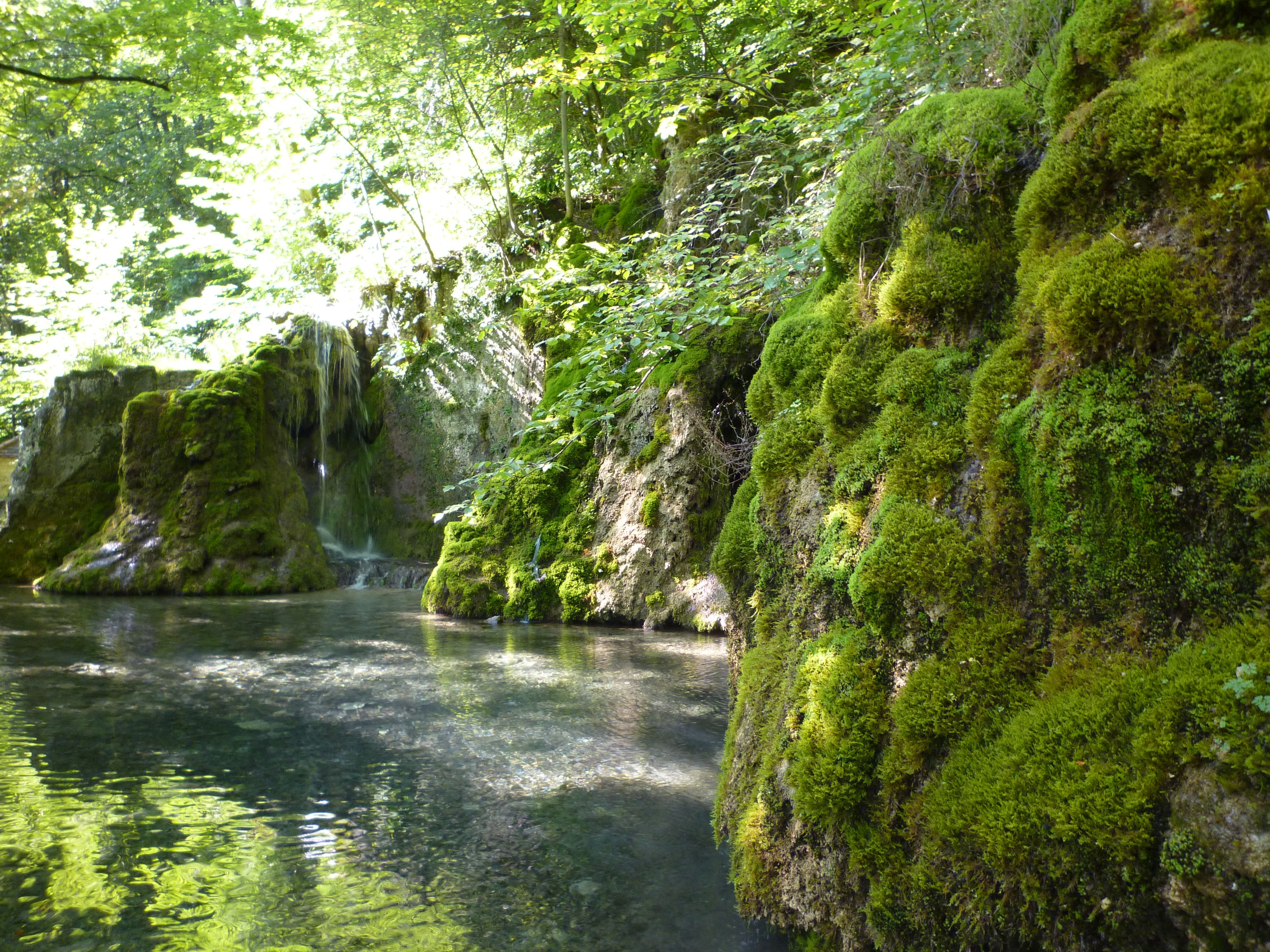
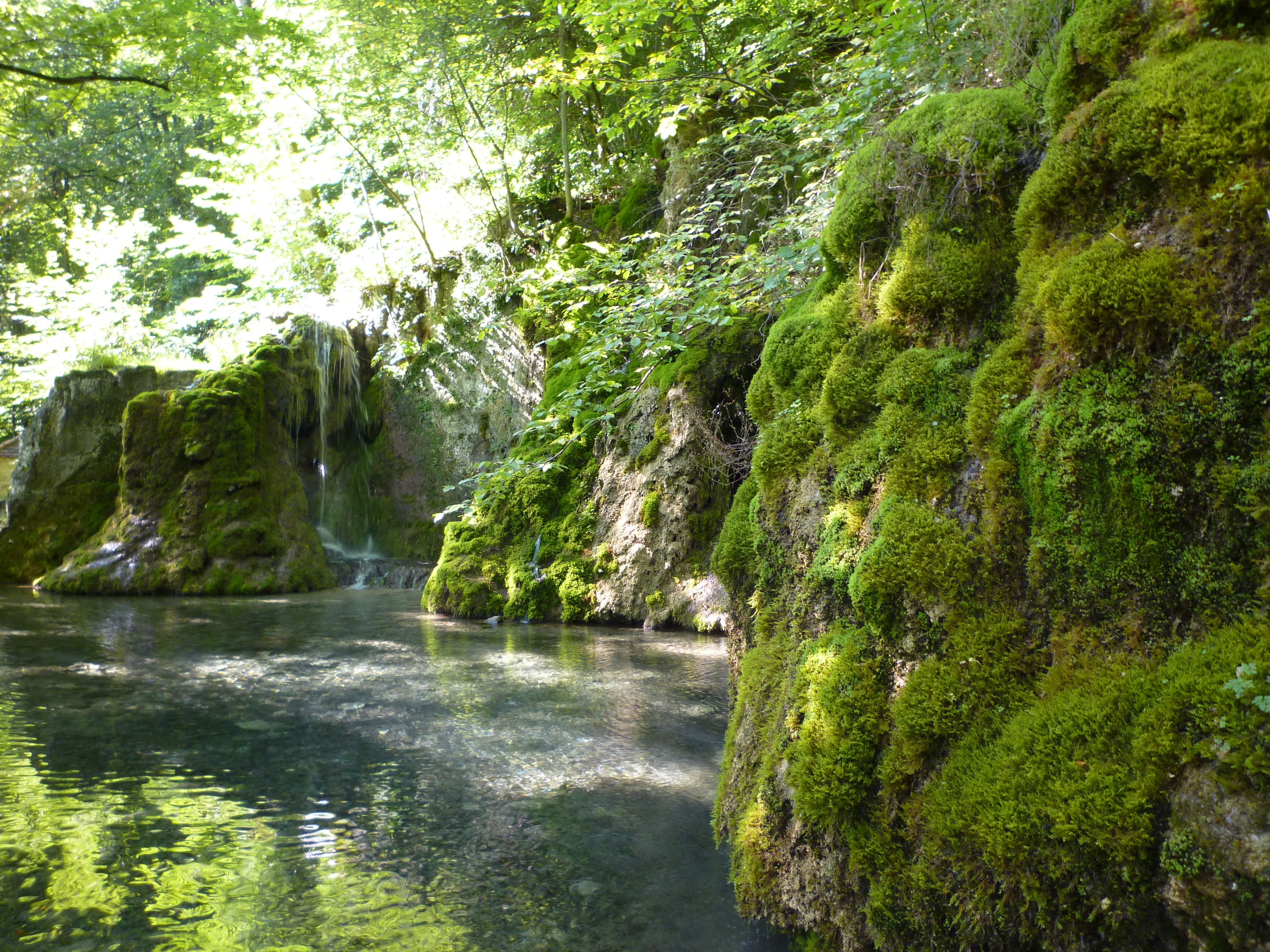
- Sight: A modest cascade of clear water spilling over smooth stones, set against a backdrop of dense, evergreen forest. In the distance, you may glimpse the taller Oberer Gütersteiner Wasserfall, creating a layered waterfall landscape.
- Sound: The gentle roar of water mingles with birdsong, offering a natural soundscape that instantly soothes.
- Smell: Fresh, earthy aromas of moss and pine dominate, especially after a light rain.
Trail Experience
The path to the Unterer Gütersteiner Wasserfall is primarily dirt and compacted earth, with occasional wooden boardwalk sections near wetter areas. Signage is minimal but clear—look for the small wooden marker bearing the waterfall’s name. The route is relatively flat, making it accessible for most fitness levels.
Photo Opportunities
- Close‑up shots of the water flowing over moss‑covered rocks.
- Panoramic views that capture both the lower and upper waterfalls in a single frame.
- Seasonal contrasts—spring blossoms, summer greens, autumn golds, or winter ice.
Amenities
There are no built‑in facilities (toilets, cafés) directly at the waterfall, preserving its natural state. However, the nearby village of Sankt Johann offers a handful of bakeries, a small grocery store, and a traditional German restaurant where you can refuel after your hike.
6. Nearby Attractions
While the Unterer Gütersteiner Wasserfall is a highlight in its own right, the surrounding area boasts several complementary sites that can fill a half‑day or full‑day itinerary.
| Attraction | Distance | Type | Quick Link |
|---|---|---|---|
| Oberer Gütersteiner Wasserfall | 0 km (same valley) | Waterfall | Oberer Gütersteiner Wasserfall |
| Gütersteiner Wasserfälle (overall cascade system) | 0 km | Waterfall complex | Gütersteiner Wasserfälle |
| Unnamed Fountain | 0.4 km | Fountain | (local map reference) |
| Rutschenbrunnen | 0.9 km | Natural spring | (local map reference) |
| Eulenbrunnen | 1.0 km | Natural spring | (local map reference) |
What to do:
- Combine waterfalls: Walk the short trail linking the lower and upper Gütersteiner waterfalls for a complete waterfall tour.
- Explore springs: The nearby Rutschenbrunnen and Eulenbrunnen are charming natural springs that provide quiet spots for contemplation.
- Village life: After your nature walk, stroll through Sankt Johann’s historic center, admire traditional half‑timbered houses, and sample Swabian specialties such as Maultaschen or Spätzle.
7. Travel Tips
| Tip | Details |
|---|---|
| Wear appropriate footwear | The trail can be slippery near the water. Sturdy hiking boots or trail shoes with good grip are recommended. |
| Pack a light rain jacket | Weather in the Swabian Alb can change quickly, especially in spring. A compact waterproof layer keeps you comfortable. |
| Bring water and snacks | While the waterfall itself is a water source, it’s not safe to drink directly. Carry bottled water and a small snack for energy. |
| Leave no trace | The area is protected; carry out all litter and stay on marked paths to preserve the habitat. |
| Check opening times | The site is open year‑round, but access may be restricted after heavy snowfall or during maintenance. Verify local conditions before you go. |
| Photography gear | A tripod and a polarizing filter help capture the water’s motion and reduce glare. |
| Combine with public transport | If you’re staying in Stuttgart, consider the train‑plus‑bus option to reduce carbon footprint and enjoy a scenic ride. |
| Local language | Basic German phrases such as “Wo ist der Wasserfall?” (Where is the waterfall?) can be helpful when asking locals for directions. |
| Currency | Germany uses the Euro (€). Most places accept credit cards, but it’s wise to carry some cash for small village shops. |
| Emergency services | Dial 112 for ambulance, fire, or police in case of an emergency. The nearest medical facility is in Reutlingen, about 15 km away. |
Final Thoughts
The Unterer Gütersteiner Wasserfall may not dominate travel guide headlines, but its quiet charm makes it a perfect destination for anyone craving an authentic German nature experience. With easy access from major cities, a short, gentle hike, and a cluster of nearby attractions, it fits seamlessly into a day trip or a relaxed weekend in Baden‑Württemberg.
So lace up your boots, grab your camera, and head to Sankt Johann. Let the soft rush of the Unterer Gütersteiner Wasserfall wash away the bustle of daily life—one gentle cascade at a time. Happy travels!