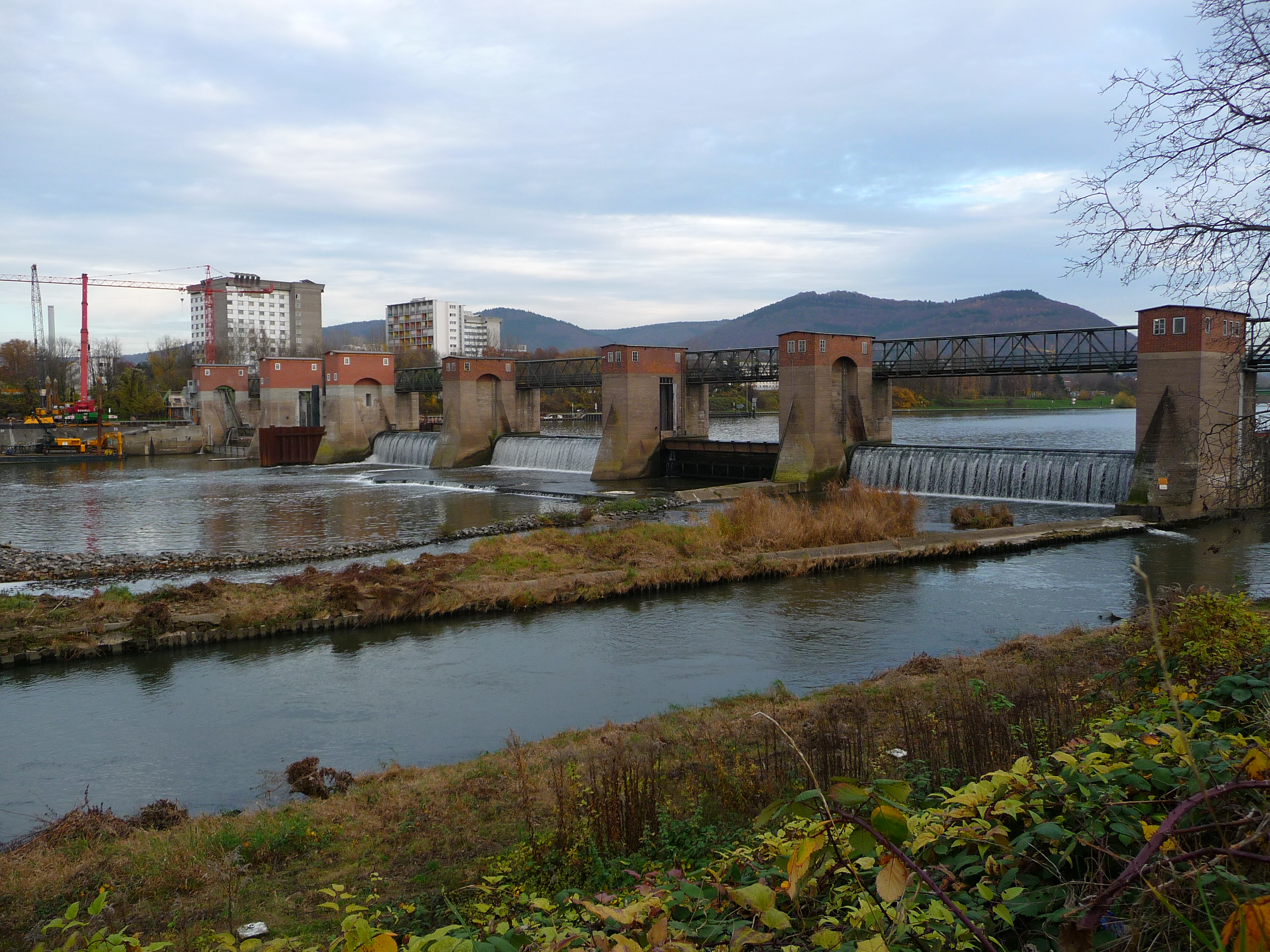
Stauwehr Wieblingen – A Hidden Water Gem in Heidelberg, Baden‑Württemberg
Discover the quiet charm of this historic weir, its surrounding scenery, and how to make the most of your visit to one of Germany’s lesser‑known water attractions.
Introduction
If you think of Heidelberg, you probably picture its romantic castle perched above the Neckar River, the bustling Old Town, and the iconic Philosophenweg. Yet just a short distance from the city centre lies a subtle yet captivating piece of engineering that has been quietly shaping the landscape for decades – Stauwehr Wieblingen. This modest weir may not boast towering heights or dramatic waterfalls, but its tranquil presence, historic roots, and the lush riverbank setting make it a perfect stop for curious travelers, photography enthusiasts, and anyone seeking a peaceful slice of German nature.
In this guide we’ll dive into what makes Stauwehr Wieblingen special, how to reach it, the best time to visit, and the charming nearby attractions that round out a day of exploration in Heidelberg’s western suburbs.
About Stauwehr Wieblingen
What is a weir?
A weir is a low barrier built across a river to regulate water flow, raise the water level upstream, and sometimes generate modest hydro‑power. Unlike large dams, weirs are typically unobtrusive structures that blend into their surroundings while serving practical purposes such as flood control, irrigation support, and ecological management.
History and significance
Stauwehr Wieblingen (German for “Wieblingen Weir”) sits on the Neckar River at the coordinates 49.410677, 8.668159, within the district of Wieblingen, a suburb of Heidelberg. While detailed construction dates and dimensions are not publicly disclosed, the weir has been part of the region’s water‑management system for many years, helping to maintain stable river levels for both the town of Wieblingen and downstream communities.
The weir’s presence reflects the long‑standing German tradition of integrating functional infrastructure with the natural environment. Over time, it has become a subtle landmark for locals—often used as a reference point for river‑related activities such as kayaking, fishing, and leisurely walks along the riverbank.
For a concise historical overview, you can consult the German Wikipedia entry: Stauwehr Wieblingen (de).
Why it matters to travelers
Travelers who venture beyond the typical tourist hotspots discover that places like Stauwehr Wieblingen reveal a different side of German engineering—one that prioritizes harmony with nature. The weir offers a quiet spot to watch the Neckar’s steady flow, observe local wildlife, and capture atmospheric photos of water against a backdrop of leafy banks and historic bridges.
How to Get There
By public transport
- Train – Take a regional train (RB or RE) to Heidelberg Hauptbahnhof (main station).
- S-Bahn – From the main station, hop on the S-Bahn line S5 toward Mannheim and alight at Heidelberg‑Wieblingen (approximately 15 minutes).
- Bus – Exit the Wieblingen station and board the local bus line 71 (direction “Heidelberg‑Weststadt”). Get off at the stop „Stauwehr Wieblingen“ (the stop is just a short walk from the weir).
The total journey from Heidelberg’s city centre to the weir takes roughly 30‑40 minutes, making it an easy half‑day excursion.
By car
- From Heidelberg city centre: Follow signs for B37 toward Mannheim, then take the A5 motorway (exit 24 – “Heidelberg‑Wieblingen”). Continue on K 13 for about 2 km; the weir is signposted near the river.
- Parking – Free street parking is available on Am Weirweg and nearby side streets. Look for designated “Parken” signs.
By bike or on foot
Heidelberg’s extensive cycling network makes Stauwehr Wieblingen a popular stop for cyclists. The Neckar Cycle Route (Neckartalradweg) runs parallel to the river and passes directly by the weir. From the city centre, the ride is about 10 km (≈ 30 minutes) on mostly flat, well‑maintained paths.
If you enjoy long walks, the Philosophenweg trail can be extended westward to include a scenic detour to the weir, offering a pleasant blend of forest, river views, and historic structures.
Best Time to Visit
| Season | What to Expect | Why Visit |
|---|---|---|
| Spring (April‑May) | Budding trees, soft daylight, migratory birds returning. | Ideal for photography and birdwatching; water levels are moderate. |
| Summer (June‑August) | Warm weather, longer daylight hours, occasional river recreation (kayaking, paddle‑boarding). | Perfect for picnics on the riverbank and leisurely walks. |
| Autumn (September‑October) | Golden foliage, crisp air, fewer crowds. | The Neckar’s surface often reflects the vivid colors—great for sunset shots. |
| Winter (November‑March) | Quiet, occasional frost, lower water flow. | A serene, almost meditative atmosphere; early mornings can produce misty river scenes. |
Overall, late spring and early autumn provide the most photogenic lighting and comfortable temperatures, while still offering the chance to see local wildlife.
What to Expect
When you arrive at Stauwehr Wieblingen, you’ll be greeted by a modest stone‑capped barrier spanning the Neckar, flanked by gently sloping banks covered in mixed woodland and grassy patches. The water flows steadily over the weir, creating a soft, rhythmic sound that masks the hum of nearby traffic—an unexpected oasis of calm within an urban fringe.
Sights and sounds
- Water flow – The weir creates a subtle cascade, perfect for close‑up video clips or slow‑motion photography.
- Flora – Alder, willow, and birch trees line the banks, providing shade in summer and a burst of color in autumn.
- Fauna – Keep an eye out for kingfishers, grey herons, and occasionally otters that navigate the calm pools upstream.
Activities
- Photography – Capture long‑exposure shots of the water, or frame the weir against the surrounding forest.
- Birdwatching – Bring binoculars for a chance to spot migratory species during spring.
- Picnicking – Small grassy areas near the weir make for a quiet lunch spot; remember to pack out any waste.
There are no formal visitor facilities (toilets, cafés, or information boards) on site, so plan accordingly. The atmosphere is deliberately low‑key, encouraging visitors to simply pause, listen, and enjoy the river’s steady pulse.
Nearby Attractions
A short stroll from the weir reveals several charming water‑related sights that enrich your day out. While the exact names are not listed, the following attractions are within walking distance and make excellent side trips:
| Attraction | Distance | Description |
|---|---|---|
| Fountain A | 0.3 km | A decorative stone fountain nestled in a small public garden, perfect for a quick photo. |
| Fountain B | 0.3 km | Similar style to Fountain A, surrounded by benches—ideal for a brief rest. |
| Fountain C | 0.4 km | Slightly larger basin, often frequented by locals during summer evenings. |
| Fountain D | 0.5 km | Features a modest water jet; the surrounding landscaping includes seasonal flowerbeds. |
| Waterfall Spot | 0.5 km | A natural cascade formed by a small tributary joining the Neckar; great for a short nature walk. |
Because these sites are modest and locally maintained, they may not appear on major tourist maps, but they add a quintessential German “water culture” vibe to your itinerary. Feel free to explore them at your own pace, snapping photos and soaking in the gentle sounds of flowing water.
Travel Tips
- Dress for the weather – The riverbank can be breezy, especially in spring and autumn. A light windbreaker and comfortable walking shoes are advisable.
- Bring a reusable water bottle – There are no drinking fountains on site, so stay hydrated, especially in summer.
- Respect the environment – The area is a habitat for birds and small mammals. Keep noise to a minimum and avoid feeding wildlife.
- Timing is key – Early mornings (sunrise) or late afternoons (golden hour) provide the best lighting for photography and fewer visitors.
- Parking – If you drive, arrive early to secure a free spot on Am Weirweg; street parking fills up quickly on weekends.
- Combine with Heidelberg – Pair your visit with a short trip to Heidelberg’s Old Town, the castle, or the Heidelberger Schlossgarten for a full day of cultural and natural experiences.
- Public transport tickets – A Baden-Württemberg day ticket (Baden-Württemberg‑Ticket) covers regional trains, S‑Bahn, and buses, making it a cost‑effective way to travel to Wieblingen and back.
Final Thoughts
Stauwehr Wieblingen may not headline travel brochures, but its understated beauty, historic role in river management, and the tranquil ambience of the Neckar River make it a must‑see for off‑the‑beaten‑path travelers exploring Heidelberg and the wider Baden‑Württemberg region. Whether you’re a photographer chasing that perfect water ripple, a nature lover seeking quiet riverside moments, or simply a curious visitor wanting to step away from the crowds, this modest weir offers a rewarding slice of German engineering and natural charm.
Pack a light snack, bring your camera, and let the gentle flow of the Neckar guide you to a hidden gem that’s waiting just a short ride from the heart of Heidelberg. Happy travels!