Siebenröhrenbrunnen – Heilbronn’s Hidden Fountain Gem
Discover the charm of a seven‑spout fountain tucked in the heart of Baden‑Württemberg’s vibrant city of Heilbronn.
Introduction
If you think of German fountains, you might picture the grand Baroque spectacles of Munich or the whimsical water displays of Berlin. Yet, a short train ride north of Stuttgart lies a modest yet captivating water feature that locals swear by: the Siebenröhrenbrunnen. Translating to “Seven‑Pipe Fountain,” this historic monument sits quietly on Heilbronn’s bustling market square, offering a perfect blend of art, history, and a splash of refreshment for travelers exploring southern Germany. Whether you’re a fountain aficionado, a history buff, or simply wandering through Heilbronn’s cobblestone streets, the Siebenröhrenbrunnen deserves a spot on your itinerary.
About Siebenröhrenbrunnen
Description
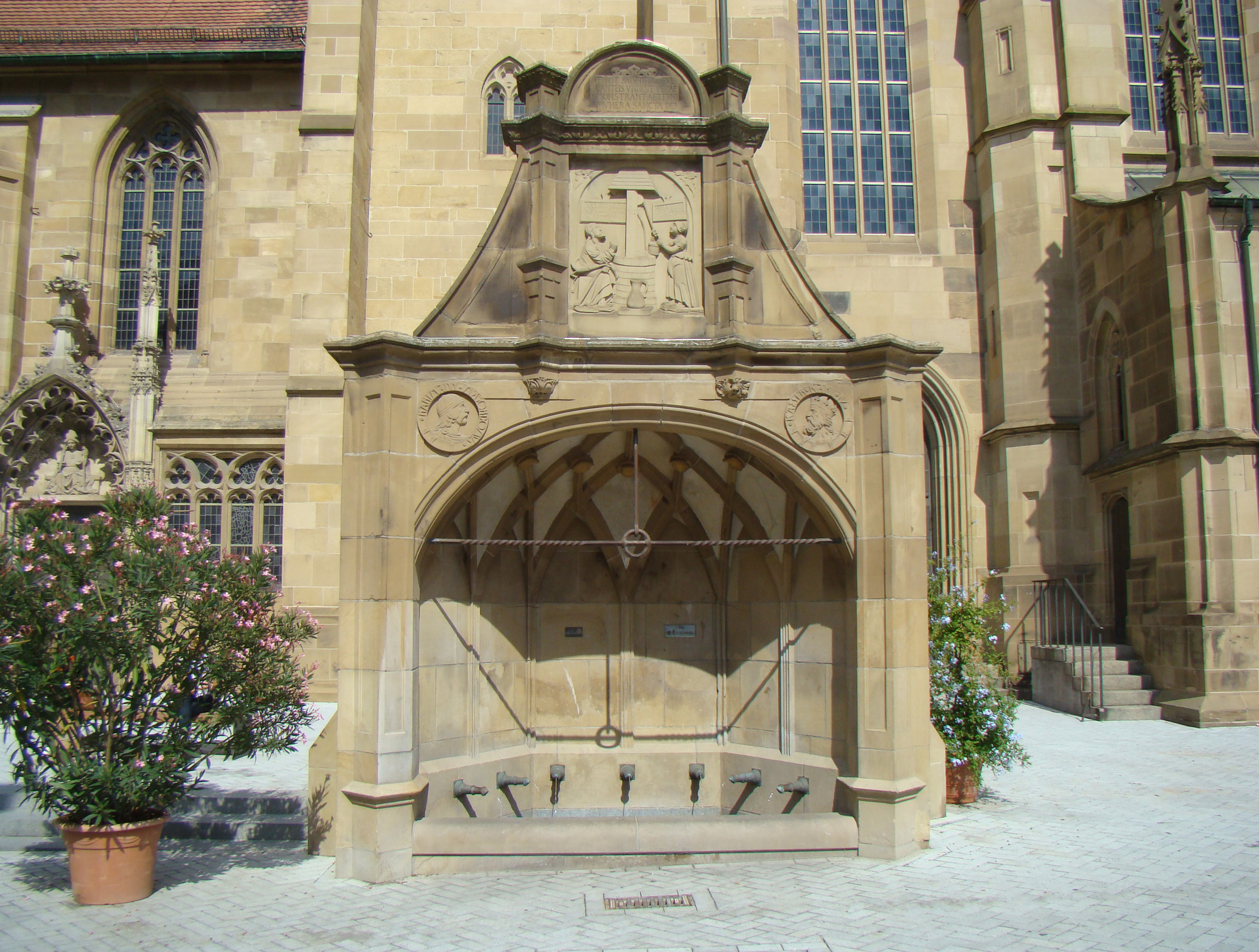
The Siebenröhrenbrunnen is a stone fountain distinguished by seven individual water spouts that rise from a low‑lying basin. Though the exact height of the fountain is not recorded, its design is unmistakable: a symmetrical arrangement of seven ornamental tubes that channel clear water into a shallow pool, creating a gentle murmur that blends with the city’s lively chatter. The fountain’s simple yet elegant stonework reflects the practical aesthetic of 19th‑century public utilities, while the seven “pipes” hint at a symbolic significance—perhaps representing abundance, the seven days of the week, or local legends that have been lost to time.
History
First mentioned in municipal records in the early 1800s, the Siebenröhrenbrunnen was erected as part of Heilbronn’s efforts to modernize its water supply and improve public hygiene. At a time when many European towns relied on communal wells, Heilbronn’s decision to install a decorative yet functional fountain signaled its growing prosperity. Over the decades, the fountain survived the upheavals of two world wars, the post‑war reconstruction, and the city’s transformation into a modern industrial hub. Today, it stands as a historical landmark that reminds visitors of Heilbronn’s commitment to public welfare and urban beauty.
Significance
Beyond its practical origins, the Siebenröhrenbrunnen has become a cultural meeting point. Locals gather here for coffee breaks, street musicians set up nearby, and tourists use the fountain as a picturesque backdrop for photos. Its proximity to the city’s historic town hall and other fountains creates a “fountain corridor” that showcases Heilbronn’s dedication to preserving water‑related heritage. The fountain is also featured on the city’s official tourism map and is listed on the German Wikipedia page for “Siebenröhrenbrunnen (Heilbronn).”
How to Get There
By Train
Heilbronn’s main railway station, Heilbronn Hauptbahnhof, is a major stop on the Stuttgart–Heilbronn line and offers frequent regional (RE) and Intercity (IC) services. From the station:
- Exit onto Bahnhofstraße and head south toward the city centre.
- Walk approximately 800 m (10 minutes) along Königstraße, Heilbronn’s pedestrian shopping street.
- Turn left onto Marktplatz; the Siebenröhrenbrunnen sits near the centre of the square, flanked by historic buildings.
By Car
If you’re driving, the fountain is located at coordinates 49.141518, 9.219469 in the heart of Heilbronn. Parking options include:
- Stadtparkgarage (city park garage) – a short 5‑minute walk.
- Parkhaus Rathaus – directly adjacent to the Rathaus (town hall) and within 2 minutes of the fountain.
By Public Bus
Heilbronn’s local bus network (VVS) serves the city centre with several lines:
| Bus Line | Nearest Stop | Walking Time |
|---|---|---|
| 1, 5, 7 | Marktplatz | 1 minute |
| 2, 6, 9 | Rathaus | 2 minutes |
All tickets can be purchased via the VVS mobile app or at ticket machines at each stop.
By Bike or Foot
Heilbronn is a bike‑friendly city with dedicated lanes that lead straight to the market square. The city’s “Bike & Ride” program offers rental stations near the train station and the university campus, making a leisurely ride to the Siebenröhrenbrunnen both easy and scenic.
Best Time to Visit
| Season | Why Visit? | Weather Tips |
|---|---|---|
| Spring (April–June) | Blossoming trees line the Marktplatz, creating a vibrant backdrop for photos. | Light jacket; occasional rain—carry a compact umbrella. |
| Summer (July–August) | Warm evenings bring street cafés and live music to the square, perfect for people‑watching. | Sunscreen and water bottle; early evenings are ideal for a relaxed stroll. |
| Autumn (September–October) | Golden foliage adds a romantic hue; fewer tourists make for a tranquil experience. | Layered clothing; evenings can be cool. |
| Winter (November–February) | The fountain’s stonework glistens with a dusting of snow; holiday markets often set up nearby. | Warm coat, gloves; daylight hours are shorter, so plan to arrive early. |
Peak visitor times are generally late morning (10 am–12 pm) and early evening (5 pm–7 pm) when locals and tourists converge for coffee or a quick snack. For a quieter experience, aim for early morning on a weekday.
What to Expect
Arriving at the Siebenröhrenbrunnen, you’ll be greeted by the gentle sound of water flowing through seven slender spouts, creating a rhythmic backdrop to the bustling market square. The fountain’s stone basin reflects the surrounding historic façades, and the water’s cool mist offers a pleasant respite on warm days.
- Atmosphere: A lively yet relaxed ambience, especially during market days when stalls sell fresh produce, local cheeses, and handcrafted souvenirs.
- Photographic Highlights: Capture the seven spouts from a low angle for a dramatic perspective, or frame the fountain against the illuminated Rathaus at dusk.
- Nearby Amenities: Several cafés line the square, offering a perfect spot to sip a Kaffee while watching the water dance. Public restrooms are located in the Rathaus building (open during business hours).
Because the fountain is publicly accessible 24/7, you can admire it at any hour—though the most vibrant scenes unfold during daylight.
Nearby Attractions
Heilbronn’s city centre is a compact treasure trove of historic fountains and cultural sites, all within a short walk from the Siebenröhrenbrunnen.
| Attraction | Distance | What to See | Link |
|---|---|---|---|
| Komödiantenbrunnen | 0 km (same square) | A whimsical tribute to Heilbronn’s theatrical heritage. | Komödiantenbrunnen |
| Rathausbrunnen | 0.1 km | Ornate fountain beside the historic town hall, showcasing intricate stone carvings. | Rathausbrunnen |
| Taubenbrunnen | 0.2 km | A charming pigeon‑themed fountain popular with children. | Taubenbrunnen |
| Hafenmarktbrunnen | 0.2 km | Reflects Heilbronn’s river‑port past; ideal for a quick photo stop. | Hafenmarktbrunnen |
| Fleinertorbrunnen | 0.2 km | Marks the site of the former city gate; offers a glimpse into medieval fortifications. | Fleinertorbrunnen |
Beyond the fountains, the Heilbronn City Museum, the St. Kilian’s Cathedral, and the Weingut am Schloss (wine cellar) are also worth exploring.
Travel Tips
- Currency & Payments: Germany uses the Euro (€). Most cafés accept contactless cards; keep some cash for smaller vendors.
- Language: German is the official language, but English is widely understood in tourist areas. Learning a few basic phrases (“Bitte,” “Danke,” “Wo ist…?”) goes a long way.
- Timing: If you’re visiting during a market day (typically Tuesdays and Saturdays), expect more crowds around the fountain. Arrive early for a quieter experience.
- Photography: The fountain’s water can create reflective glare. Use a polarizing filter or adjust your angle to minimize reflections.
- Accessibility: The square is flat and wheelchair‑friendly. The fountain’s basin is at ground level, but stepping into the water is discouraged to preserve the stonework.
- Safety: While the water is clean, it’s not intended for swimming. Keep an eye on children near the spouts.
- Local Treats: Try a Heilbronner Maultaschen (German ravioli) from a nearby stall, or sample a glass of Württemberg wine at the café overlooking the fountain.
Bottom Line
The Siebenröhrenbrunnen may not boast the towering grandeur of Munich’s Neues Rathaus fountain, but its modest elegance, historic roots, and central location make it a must‑see spot for anyone traveling through Heilbronn. Pair it with a leisurely stroll through the surrounding fountain corridor, indulge in local cuisine, and you’ll leave with a genuine taste of Baden‑Württemberg’s cultural heart.
Pack your camera, follow the sound of seven gentle streams, and let Heilbronn’s hidden fountain surprise you.