Kornmarkt‑Madonna Fountain – Heidelberg’s Hidden Baroque Gem
If you think you’ve seen every corner of Heidelberg, think again. Tucked into the historic Kornmarkt square, the Kornmarkt‑Madonna fountain is a quiet yet striking reminder of the city’s rich religious and artistic heritage. Whether you’re a first‑time visitor or a seasoned Heidelberg explorer, this little masterpiece deserves a spot on your itinerary.
1. Introduction
Heidelberg, with its iconic castle perched above the Neckar River, is a magnet for travelers seeking romance, history, and stunning vistas. While the castle and the Old Bridge dominate guidebooks, the city’s fountains whisper stories of a bygone era. Among them, the Kornmarkt‑Madonna stands out—an elegant baroque fountain crowned by a serene statue of the Virgin Mary. Its modest size belies its cultural significance, making it a perfect stop for photographers, history buffs, and anyone craving a moment of quiet contemplation amid the bustling market square.
“The Kornmarkt‑Madonna is a small but powerful symbol of Heidelberg’s devotion and artistic flair—an Instagram‑worthy spot that feels like stepping back in time.”
2. About Kornmarkt‑Madonna
Description
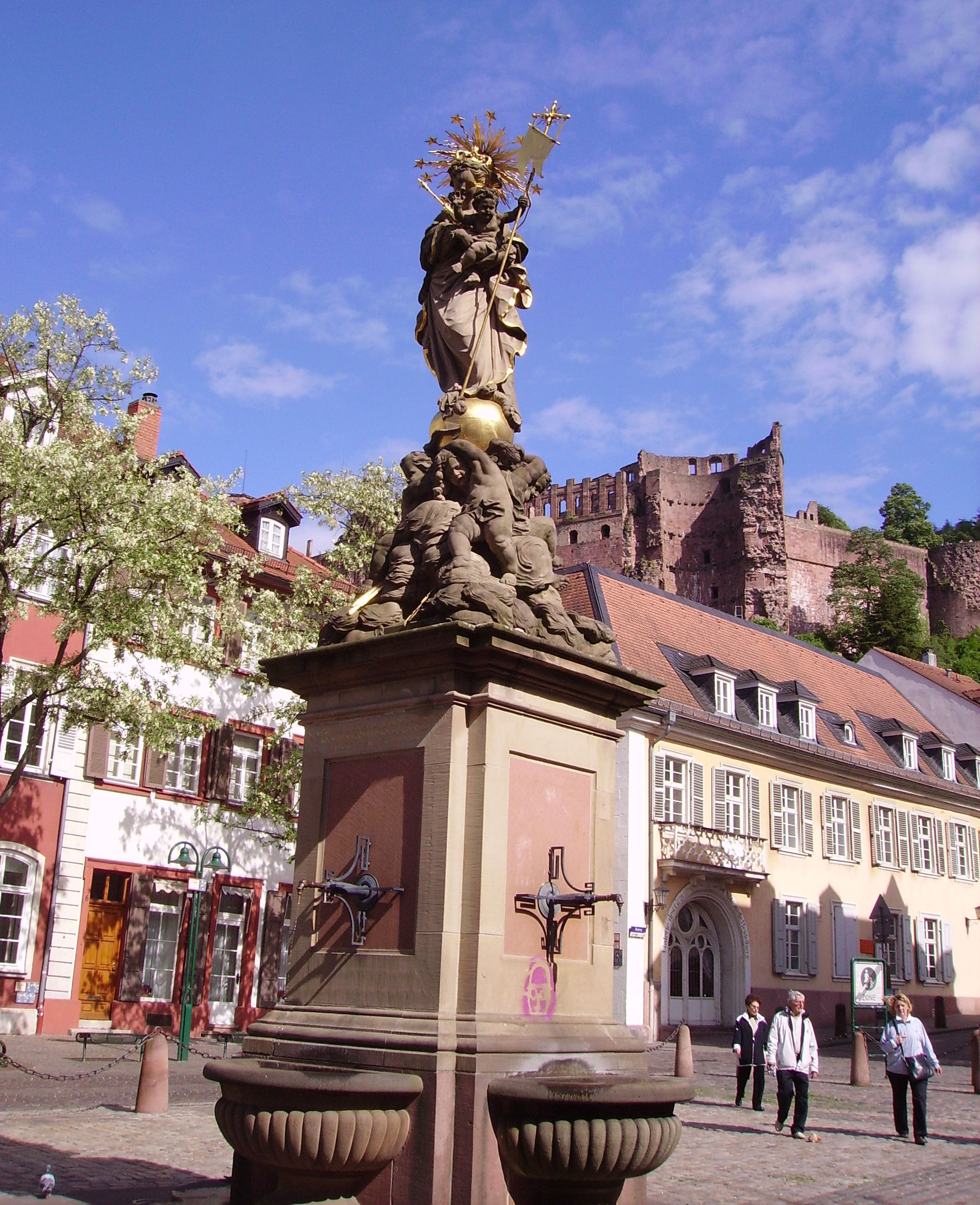
Located at 49.411827 N, 8.711646 E, the Kornmarkt‑Madonna is a stone fountain set into the cobblestones of the Kornmarkt, a historic market square just a short walk from Heidelberg’s main train station. The fountain’s centerpiece is a delicate Madonna statue—the Virgin Mary holding the infant Jesus—crafted in a graceful baroque style. Water gently cascades from the base of the statue, creating a soothing sound that blends with the chatter of nearby cafés and street musicians.
History & Significance
The fountain dates back to the early modern period, a time when many German towns erected religious monuments in public squares to express civic piety and to provide clean drinking water. While the exact year of its installation is not recorded, the Baroque design and the presence of the Madonna figure suggest a 17th‑ or 18th‑century origin, aligning with Heidelberg’s flourishing artistic scene after the Thirty Years’ War.
Over the centuries, the Kornmarkt‑Madonna has survived wars, renovations, and the ebb and flow of tourism, standing as a testament to Heidelberg’s resilience. It is more than a decorative water feature; it is a cultural touchstone that reflects the city’s Catholic heritage and its commitment to preserving public art.
3. How to Get There
By Train
- Heidelberg Hauptbahnhof (Main Station) is the main gateway for regional and high‑speed trains (ICE, RE, S‑Bahn).
- From the station, exit onto Bahnhofstraße and head east toward the Old Town.
Walking Directions (≈ 10‑minute walk)
- Leave the station and turn left onto Bahnhofstraße.
- Continue straight for about 500 m; you’ll pass the University Library on your right.
- Cross the Neckar River via the Old Bridge (Alte Brücke).
- Once on the opposite bank, follow Hauptstraße until you reach the Kornmarkt square.
- The fountain sits centrally, surrounded by historic merchant houses and cafés.
By Bicycle or E‑Scooter
Heidelberg’s compact city center is bike‑friendly. Rent a city bike or e‑scooter from one of the many stations near the train station and follow the same route. The ride takes roughly 5 minutes, and you’ll enjoy scenic river views along the way.
By Car
Parking in the Old Town is limited. If you drive, use the Parkhaus “Am Neckar” (address: Am Neckar 1) and walk the short distance to the Kornmarkt.
4. Best Time to Visit
| Season | Why Visit? | Tips |
|---|---|---|
| Spring (April‑May) | Blossoming trees and mild temperatures make the square lively yet comfortable. | Arrive early to avoid the midday café rush. |
| Summer (June‑August) | Long daylight hours allow for extended exploration; the fountain’s water sparkles in the sunshine. | Bring a refillable water bottle—public fountains are a great source of fresh water. |
| Autumn (September‑October) | Golden foliage creates a picturesque backdrop for photos. | The square is quieter, perfect for a relaxed visit. |
| Winter (November‑February) | The fountain takes on a quiet, almost mystical atmosphere, especially after a light snowfall. | Dress warmly; the nearby cafés are ideal for a hot chocolate break. |
Peak Visitor Times: The Kornmarkt‑Madonna is most crowded during the Heidelberg Christmas Market (late November to December) and the Heidelberg Spring Festival (April). If you prefer solitude, aim for early mornings on weekdays.
5. What to Expect
When you step onto the Kornmarkt, the fountain’s gentle murmur instantly sets a tranquil tone. The Madonna statue is polished by centuries of rain and sun, its serene expression inviting contemplation. Surrounding the fountain are historic half‑timbered houses painted in pastel hues, and a handful of outdoor cafés spill onto the square, offering a perfect spot to sip a Heidelberger Bier or a Kaffee while people‑watching.
The square is also a hub for local events: street musicians, seasonal markets, and occasional art installations. You’ll often find tour groups stopping for a quick photo, but the open layout ensures you can find a quiet corner to soak in the ambiance.
For photography enthusiasts, the soft morning light casts beautiful shadows on the stone, while the golden hour highlights the Madonna’s delicate features. The fountain’s water adds a dynamic element—perfect for long‑exposure shots that capture the gentle flow.
6. Nearby Attractions
Heidelberg’s Old Town is a compact treasure trove of sights. While you’re at the Kornmarkt‑Madonna, consider adding these nearby fountains and landmarks to your walking tour (all within a 0.3 km radius):
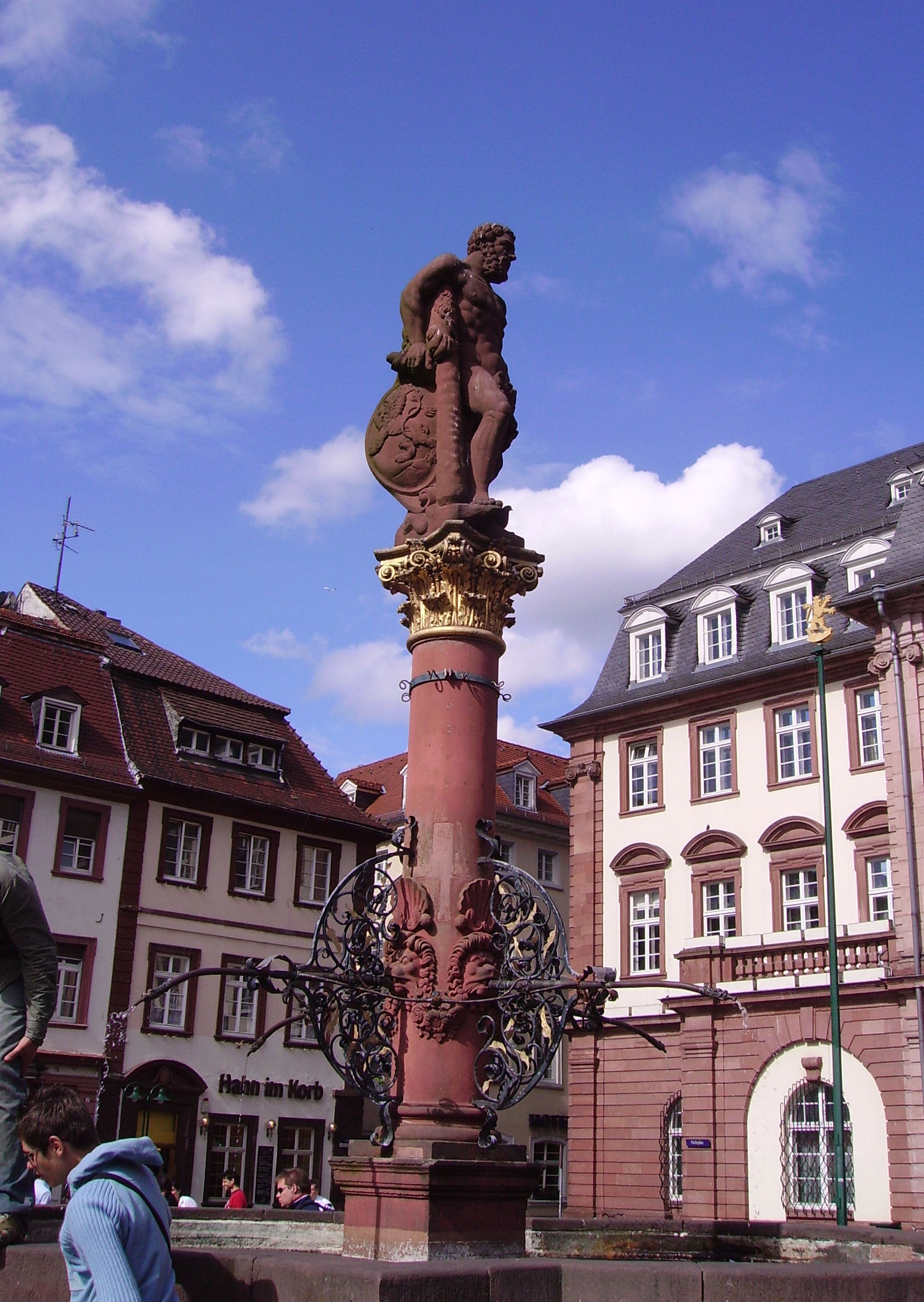
- Hercules Brunnen – 0.1 km away. A striking bronze statue of the mythic hero, perfect for a quick photo stop.
- Sebastian‑Münster‑Brunnen – 0.1 km away. A historic fountain featuring a saintly figure, nestled near the former monastery.
- Mittelbadbrunnen – 0.1 km away. Known for its ornate stonework and central location in the market area.
- Liselotte‑Brunnen – 0.3 km away. Named after Princess Liselotte of the Palatinate, this fountain showcases elegant baroque motifs.
Beyond the fountains, the Heidelberg Castle, Alte Brücke, and the Philosophenweg (Philosophers’ Walk) are must‑see attractions that are all reachable within a 15‑minute walk.
7. Travel Tips
| Tip | Details |
|---|---|
| Wear Comfortable Shoes | The cobblestone streets can be uneven; sturdy walking shoes will keep you comfortable. |
| Bring a Small Umbrella | Heidelberg’s weather can be unpredictable, especially in spring and autumn. |
| Check Opening Hours of Nearby Cafés | Many cafés open around 8 am and close by 6 pm; plan your coffee break accordingly. |
| Use a Local SIM or Offline Maps | GPS works well, but having an offline map of the Old Town ensures you never lose your way. |
| Respect the Fountain | While the water is clean, it’s primarily decorative; avoid swimming or splashing. |
| Combine with a River Walk | After visiting the fountain, stroll along the Neckar River banks for scenic views of the castle. |
| Language | German is the official language, but most locals speak English, especially in tourist areas. |
| Currency | Euro (€). Many places accept contactless payments, but keep some cash for small vendors. |
| Photography | No flash needed; natural light works best. Early morning or late afternoon yields the most flattering light. |
| Accessibility | The square is mostly flat, but some surrounding streets have steps. If you have mobility concerns, plan a route that stays on the main square and nearby main streets. |
Final Thought
The Kornmarkt‑Madonna fountain may not appear on every travel brochure, but its quiet charm captures the soul of Heidelberg—where history, art, and daily life flow together like the water from its basin. Next time you wander the streets of this Romantic German city, pause at the Kornmarkt, let the fountain’s gentle splash refresh you, and feel the centuries of devotion and craftsmanship that have shaped this unforgettable spot.
Happy travels, and may your Heidelberg adventure be as timeless as the Madonna’s smile.