Discover the Magic of Filsursprung – Baden‑Württemberg’s Hidden Spring Oasis
If you’re craving a serene escape where crystal‑clear water bubbles up from the forest floor, look no further than Filsursprung. Tucked away near the charming town of Wiesensteig, this spring is not only a natural wonder but also the birthplace of the Fils River, winding its way through the heart of Baden‑Württemberg. Whether you’re a seasoned hiker, a photography enthusiast, or simply a lover of quiet nature spots, Filsursprung offers a refreshing slice of German countryside that’s easy to miss—unless you know where to look.
About Filsursprung
A spring with a story
Filsursprung (German for “source of the Fils”) is a natural spring located at 48.549327 N, 9.602582 E, perched at an altitude of 625 m above sea level. The spring marks the true headwater of the Fils River, which later joins the Neckar and ultimately the Rhine. While the exact height of the spring’s outflow is undocumented, the steady, clear water that emerges from the forest floor has been feeding the river for centuries.
Historically, the spring has served local communities for drinking water, milling, and as a reference point for early cartographers mapping the Swabian Alb. Its name appears in regional archives dating back to the Middle Ages, underscoring its long‑standing importance to the surrounding villages. Today, Filsursprung is celebrated for its pristine environment and tranquil ambiance, making it a favored spot for hikers traversing the Swabian Jura (Schwäbische Alb).
Why it matters
- Ecological hub – The spring supports a delicate riparian ecosystem, providing habitat for amphibians, insects, and a variety of plant species that thrive in moist, shaded conditions.
- Cultural landmark – As the source of the Fils River, the spring holds symbolic value for towns along the river’s course, linking them through a shared natural heritage.
- Photographic gem – The interplay of light on the water, moss‑covered stones, and surrounding forest creates a picture‑perfect setting for Instagram‑ready shots.
How to Get There
By car
- From Stuttgart: Take the A8 toward Ulm, exit at Aichelberg, then follow the B466 toward Wangen. After passing Wiesensteig, turn left onto Kreuzweg (local road) and follow the signs for Filsursprung. The drive is roughly 90 km (≈ 1 hour 15 minutes).
- Parking: A small, free parking area sits just off the trailhead on the forest road. It’s a gravel lot, so a compact car or SUV works best.
By public transport
- Train: The nearest railway station is Wiesensteig on the Tübingen–Ulm line. Trains run hourly from Stuttgart or Ulm.
- Bus: From Wiesensteig station, catch the regional bus line 720 toward Gosheim; get off at the Filsursprung stop (approximately a 10‑minute ride).
- Walking: From the bus stop, a well‑marked forest path leads directly to the spring. The walk is about 15 minutes on a gentle, sign‑posted trail.
GPS navigation
Enter the coordinates 48.549327, 9.602582 into your navigation device for the most precise route. Most smartphones will guide you to the trailhead automatically.
Best Time to Visit
| Season | Highlights | Tips |
|---|---|---|
| Spring (April‑May) | Snowmelt swells the spring’s flow; wildflowers carpet the forest floor. | Wear waterproof shoes—trails can be muddy. |
| Summer (June‑August) | Long daylight hours allow for relaxed hikes; water is cool and refreshing. | Arrive early to avoid midday heat and possible crowds. |
| Autumn (September‑October) | Brilliant foliage adds gold and amber tones to the scenery. | Bring a light jacket; evenings get chilly at 625 m altitude. |
| Winter (November‑March) | The spring may partially freeze, creating striking ice formations. | Check weather forecasts—snow can make the path slippery. |
Overall, late spring and early autumn deliver the most comfortable temperatures and the most vivid natural colors, making them the optimal periods for photography and leisurely walks.
What to Expect
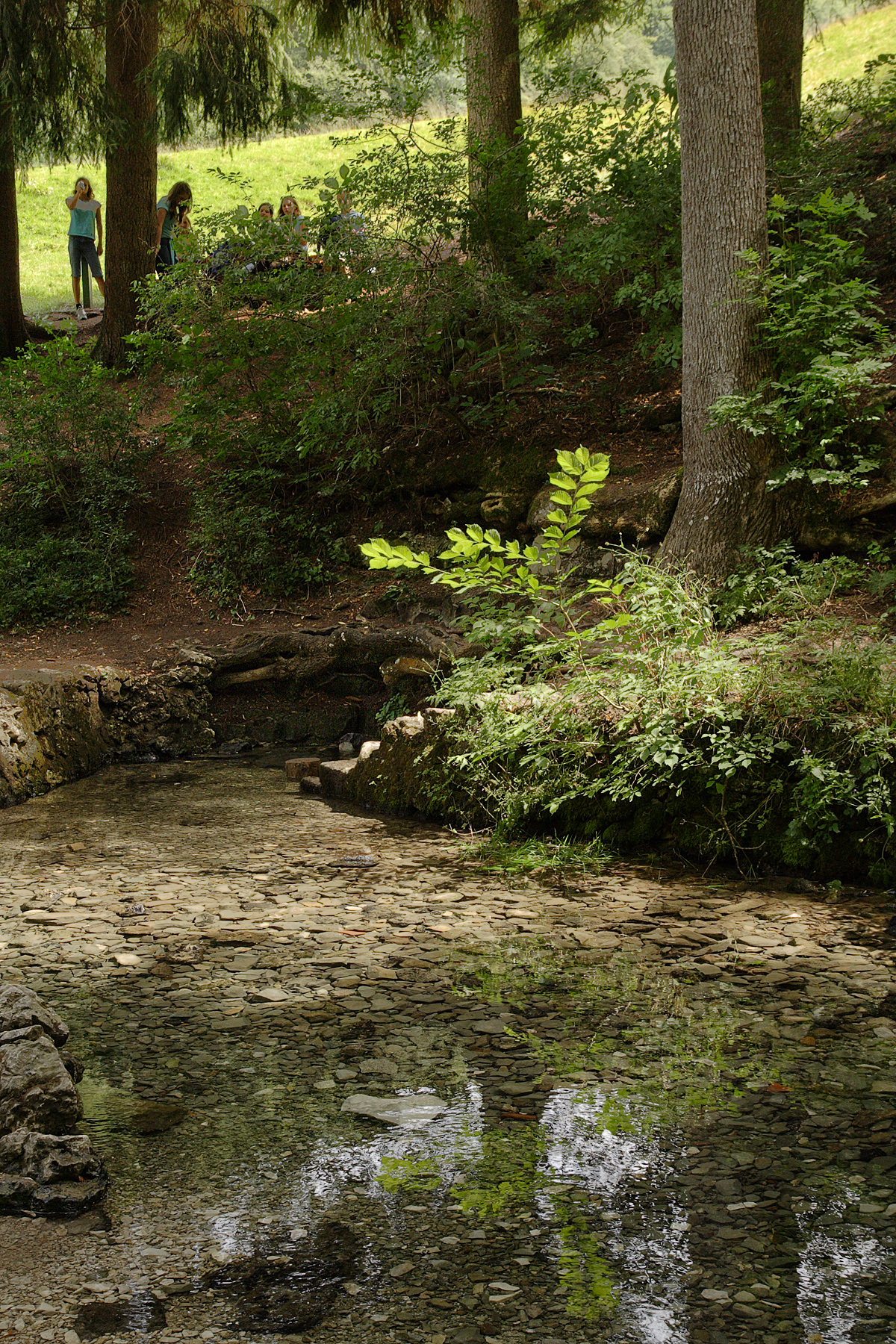
When you arrive at Filsursprung, you’ll step into a quiet, forested clearing where a clear stream bubbles up from a stone‑lined basin. The water is cool to the touch and carries a faint mineral scent, a reminder of its underground journey through limestone layers.
- Soundscape: The gentle gurgle of the spring blends with birdsong—often the melodic calls of the European robin, blackbird, and occasional woodpecker drumming.
- Visuals: Sunlight filters through the canopy, creating dappled patterns on the water’s surface. Mosses and lichens cling to the surrounding rocks, adding shades of emerald and gray.
- Flora & fauna: Look for bluebells (Hyacinthoides non-scripta) in spring, and wild garlic (Allium ursinum) in early summer. Small amphibians, such as the common frog, may be spotted near the water’s edge.
The trail that leads to the spring is well‑maintained but natural—expect a mix of compacted earth, wooden boardwalk sections, and occasional stone steps. Signage in German points out the spring’s significance and provides brief ecological information.
Nearby Attractions
After soaking in the serenity of Filsursprung, extend your adventure with these nearby gems (all within a 2‑km radius). Each spot is reachable on foot or by a short bike ride, making for a perfect day‑trip loop.
| Attraction | Distance | Type | Quick Note |
|---|---|---|---|
| Kleiner Filsursprung | 0.2 km | Spring | A smaller sister spring that feeds into the same headwater system. Great for a quick side‑walk. |
| Elefantenbrunnen | 2.2 km | Fountain | A whimsical stone fountain shaped like an elephant, located in a small meadow—ideal for a picnic. |
| Unnamed Spring 1 | 0.8 km | Spring | Hidden spring with a shallow pool—perfect for a brief splash. |
| Unnamed Spring 2 | 1.7 km | Spring | Another crystal‑clear source, surrounded by dense ferns. |
| Unnamed Fountain | 2.4 km | Fountain | Small historic fountain built in the 19th century, offering a glimpse into local craftsmanship. |
Tip: Many of these attractions are linked on local trail maps. If you’re using a smartphone, enable the “offline maps” feature before heading out, as cellular reception can be spotty among the trees.
Travel Tips
- Footwear matters – Sturdy, waterproof hiking shoes with good tread are essential, especially after rain when the forest floor becomes slick.
- Pack light, pack smart – A small daypack with water, snacks, a rain jacket, and a reusable bottle is sufficient. The spring water is clean, but bring a filter if you plan to drink directly.
- Leave no trace – Keep the area pristine by staying on marked paths, packing out all trash, and avoiding picking plants.
- Timing is key – Arrive early in the morning (7 – 8 am) during peak season to enjoy the spring in near‑silence and capture soft lighting for photos.
- Safety first – While the trail is gentle, some sections near the water can be slippery. Watch your step, especially if children are with you.
- Seasonal gear – In winter, dress in layers and consider traction devices (microspikes) for icy sections. In summer, a wide‑brimmed hat and sunscreen are advisable.
- Local amenities – The nearest café is in Wiesensteig, about 3 km away. Stop for a traditional Swabian “Maultaschen” (filled pasta) or a slice of “Schwarzwälder Kirschtorte” before or after your hike.
- Photography hacks – Use a polarizing filter to reduce glare on the water surface, and shoot during the “golden hour” (just after sunrise or before sunset) for warm tones.
Wrap‑up
Filsursprung may not appear on every mainstream travel guide, but its unspoiled beauty, ecological importance, and gentle accessibility make it a must‑visit spring for anyone exploring Baden‑Württemberg’s natural treasures. From the soothing sound of bubbling water to the surrounding forest’s vibrant seasonal palette, the experience is both calming and invigorating. Pair it with nearby springs and the whimsical Elefantenbrunnen, and you’ve got a compact, rewarding itinerary that showcases the best of the Swabian Alb’s hidden gems.
So lace up your boots, charge your camera, and set your GPS to 48.549327, 9.602582—the source of the Fils River awaits. Happy travels!
