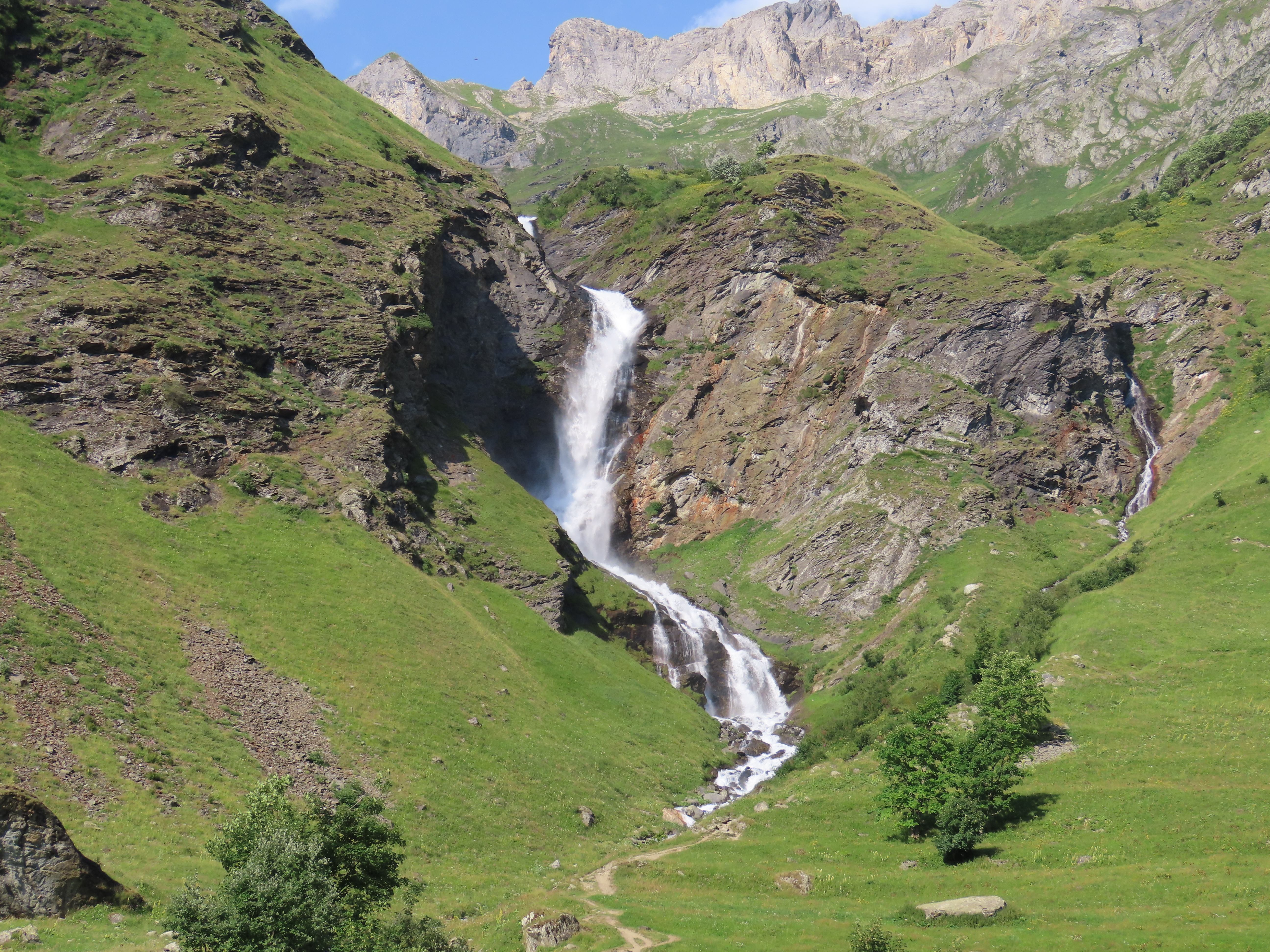
Cascade du Py – The Hidden Waterfall Gem of Belle‑Plagne, Rhône‑Alpes
Discover the tranquil charm of Cascade du Py, a secluded waterfall nestled in the heart of the French Alps. Perfect for hikers, photographers, and anyone craving a slice of Alpine serenity.
1. Introduction
Imagine a crystal‑clear ribbon of water tumbling over smooth stone, framed by pine‑scented air and the distant silhouette of snow‑capped peaks. That’s the magic of Cascade du Py, a lesser‑known waterfall that lies just a stone’s throw from the bustling ski resort of Belle‑Plagne in the Rhône‑Alpes region of France. While the area is famous for its winter sports, the summer months reveal a completely different personality: lush valleys, bubbling streams, and hidden waterfalls that beckon explorers away from the crowds.
If you’re planning a road trip through the French Alps, a weekend getaway in Savoie, or a hiking adventure in the Tarentaise Valley, Cascade du Py should be high on your itinerary. In this guide, we’ll walk you through everything you need to know—history, access routes, the best time to visit, what to expect on the trail, nearby attractions, and practical travel tips—so you can experience this natural wonder with confidence and curiosity.
2. About Cascade du Py
A Quiet Alpine Treasure
Cascade du Py (pronounced see‑kɑd dy pee) is a modest yet enchanting waterfall located at the coordinates 45.450733, 6.784945. Unlike the towering cascades of the nearby Vanoise National Park, the exact height of Cascade du Py is not officially recorded, which only adds to its mystique. The waterfall pours out of a small mountain stream that has carved a narrow gorge over centuries, creating a series of gentle drops that culminate in a shallow pool perfect for a quick dip on a warm summer day.
Historical Context
The waterfall’s name derives from the local toponym “Py,” a term that appears in several Alpine place names and is thought to be linked to ancient pastoral routes. Historically, the surrounding valleys were used for seasonal grazing, and the water from Cascade du Py would have been a vital source for shepherds and their flocks. While there are no grand monuments or legends attached to the site, its very existence tells the story of the region’s relationship with water—shaping the landscape, supporting agriculture, and now attracting eco‑tourists.
Why It Matters
For nature lovers, Cascade du Py represents the quieter side of the Rhône‑Alpes tourism offering. It provides a low‑impact, easily accessible destination that encourages sustainable outdoor recreation. The waterfall is also a great spot for photography, especially during the golden hours when the sunlight filters through the surrounding fir trees, creating a shimmering veil over the water.
3. How to Get There
From Belle‑Plagne
Cascade du Py lies just 2 km north‑west of the Belle‑Plagne ski village, making it an easy day‑trip for both winter and summer visitors. Here’s a step‑by‑step guide:
- Start at the Belle‑Plagne Centre – Park near the main bus depot or the pedestrian zone.
- Follow signs for “Chemin du Py” – A small, well‑marked trailhead begins near the Place du Centre.
- Take the forest road – The path is a gravel track that gradually ascends through mixed woodland. Expect a gentle incline of about 5 %—suitable for most fitness levels.
- Turn onto the footpath – After roughly 1 km, a narrow footpath diverges to the left, marked with a blue water‑drop icon. This leads directly to the waterfall.
The entire walk from the village to the cascade takes 20‑30 minutes each way. If you’re traveling by car, you can park at the “Parking du Py” (a small free lot located near the trailhead).
Public Transport
During the summer season, the Savoie Bus Line 110 runs a service between Les Arcs, Belle‑Plagne, and La Plagne. The bus stops at Belle‑Plagne Centre, from where you can start the hike. In winter, the local Transdev ski‑bus also drops passengers off near the trailhead, allowing you to combine a ski‑day with a quick waterfall visit.
By Bike
The gravel road is bike‑friendly and offers a pleasant ride for mountain bikers looking for a short, scenic loop. Just be aware that the final footpath is pedestrian‑only, so you’ll need to park your bike at the trailhead.
4. Best Time to Visit
| Season | Conditions | Why Visit |
|---|---|---|
| Spring (April‑June) | Snow melt feeds the stream, creating a more robust flow. Trails can be muddy but are generally clear. | Lush greenery, abundant wildflowers, and a powerful cascade. |
| Summer (July‑August) | Warm temperatures, fully opened forest canopy. Water levels may dip slightly but remain steady. | Ideal for picnics, photography, and a refreshing splash in the pool. |
| Autumn (September‑October) | Golden foliage, cooler air, fewer tourists. Water flow is moderate. | Spectacular color contrast between amber leaves and turquoise water. |
| Winter (December‑March) | Snow‑covered trails; the waterfall may freeze partially, creating icy sculptures. | For adventurous hikers with proper gear; a magical, quiet landscape. |
Top recommendation: Late June to early September offers the most reliable footing and a pleasant balance between water volume and weather.
5. What to Expect
The Trail Experience
- Length & Difficulty: The round‑trip is about 4 km with a modest elevation gain of 150 m. It’s classified as easy to moderate, suitable for families, seniors, and casual hikers.
- Scenery: The path winds through a mixed coniferous‑deciduous forest, offering occasional glimpses of the Alpine pastures that stretch beyond the treeline. Birdsong, the rustle of pine needles, and the distant clang of cowbells create an immersive soundscape.
- The Waterfall Itself: Upon arrival, you’ll see a multi‑step cascade that feeds into a shallow, clear pool. The water is typically cold (10‑12 °C), so a quick dip is invigorating but brief. The surrounding rocks are smooth, making for excellent natural seating if you want to linger.
Photography Tips
- Golden Hour: Arrive an hour before sunrise or stay an hour after sunset for soft, warm light that highlights the water’s translucence.
- Long Exposure: Use a tripod and a neutral density filter to capture silky water effects.
- Framing: Position the foreground with mossy stones or a fallen log to add depth.
6. Nearby Attractions
While Cascade du Py is the star of the show, the surrounding area offers several complementary spots that can easily be added to your itinerary:
| Attraction | Distance | Type | Quick Note |
|---|---|---|---|
| Fountain (Unnamed) | 0.6 km | Fountain | A charming stone fountain tucked in a small clearing—great for a quick photo stop. |
| Source du Mollard | 1.0 km | Spring | A natural spring that feeds a crystal‑clear brook; ideal for a short nature walk. |
| Second Waterfall (Unnamed) | 2.8 km | Waterfall | A slightly larger cascade hidden in the forest—perfect for hikers looking for a second waterfall experience. |
| Fountain (Unnamed) | 3.2 km | Fountain | Another rustic fountain, surrounded by alpine flora, perfect for a picnic. |
| Spring (Unnamed) | 3.3 km | Spring | A bubbling mountain spring offering fresh drinking water—always handy on longer hikes. |
All distances are measured from the Cascade du Py trailhead.
Link suggestions:
- For the Source du Mollard, you can reference the local tourism website: Savoie Tourism – Source du Mollard (replace with actual URL if known).
- For the second waterfall, a generic search like “waterfalls near Belle‑Plagne” can provide up‑to‑date information.
7. Travel Tips
- Dress in Layers – Alpine weather changes quickly; bring a waterproof jacket, breathable base layer, and sturdy hiking shoes.
- Carry Water & Snacks – Although the spring water is drinkable, bring a reusable bottle and lightweight trail snacks (nuts, fruit, energy bars).
- Leave No Trace – Pack out all litter, stay on marked paths, and avoid disturbing the natural flora and fauna.
- Safety First – The pool is shallow but the rocks can be slippery. Keep an eye on children and avoid jumping from heights.
- Timing – Arrive early in the morning during peak summer months to beat the occasional tourist rush and enjoy softer lighting for photos.
- Mobile Coverage – The area has limited cellular reception; download offline maps (e.g., Maps.me or Komoot) before you set off.
- Pet Policy – Dogs are welcome on the trail but must be kept on a leash to protect wildlife and other hikers.
- Parking – The Parking du Py fills up quickly in summer. Consider using the Belle‑Plagne bus to reduce car traffic and enjoy a more relaxed start.
Final Thought
Cascade du Py may not boast the dramatic height of the Cascade du Hérisson or the fame of the Gorges du Fier, but its unpretentious beauty, easy accessibility, and tranquil setting make it a perfect micro‑adventure for anyone exploring the Rhône‑Alpes. Whether you’re chasing the perfect waterfall photo, seeking a peaceful spot for a picnic, or simply wanting to breathe in the crisp Alpine air, this hidden gem invites you to pause, listen to the rush of water, and let the mountains work their quiet magic.
Pack your boots, grab your camera, and let Cascade du Py become a cherished memory on your French Alps travel story.
Keywords: Cascade du Py, waterfall Rhône‑Alpes, Belle‑Plagne waterfall, French Alps hiking, nature travel France, Alpine waterfalls, Savoie attractions, outdoor activities Rhône‑Alpes.