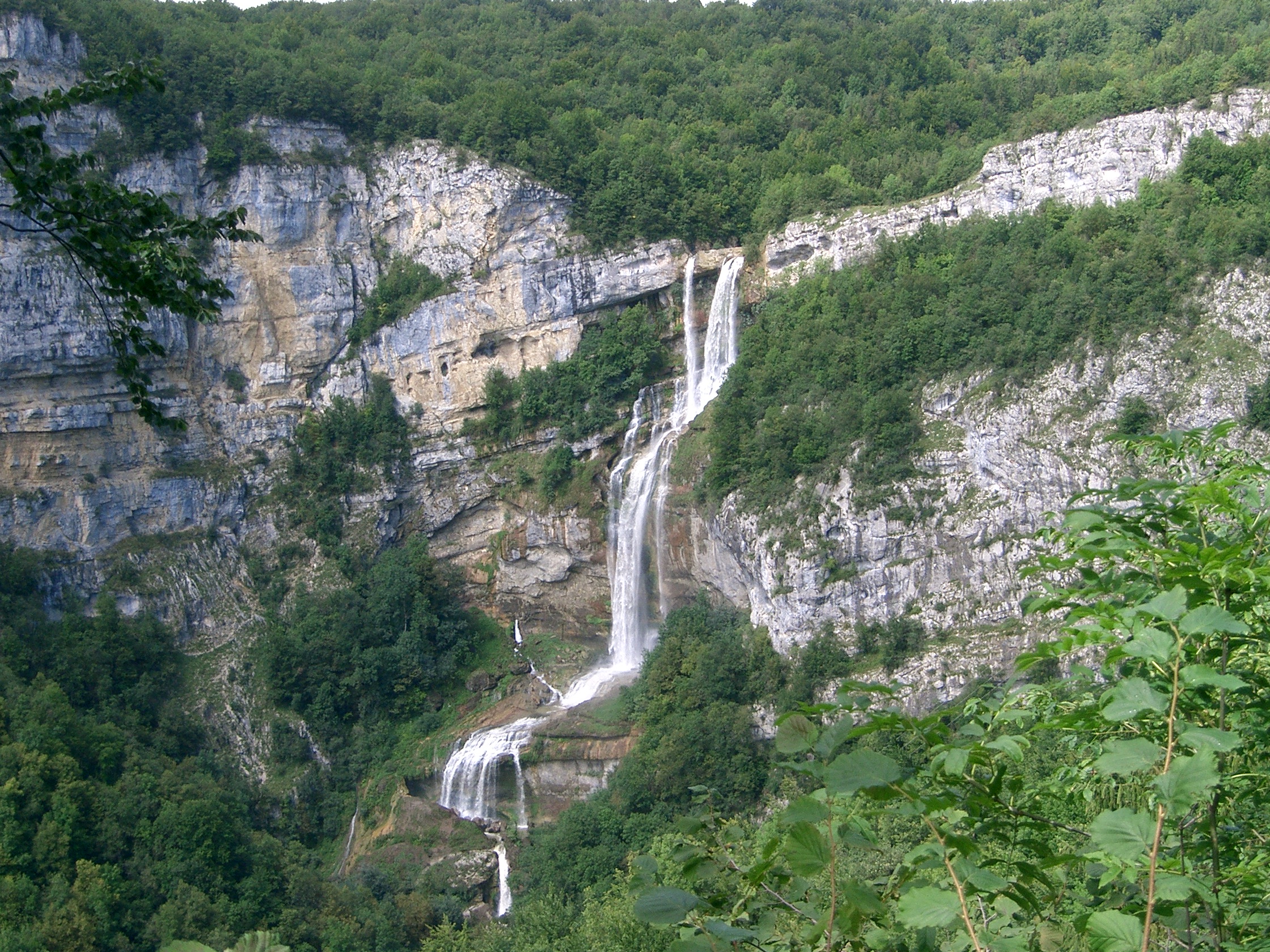
Cascade de la Charabotte – A Hidden Gem in Rhône‑Alpes, France
Discover the 115‑meter cascade that drops silently into the heart of Hauteville‑Lompnes.
Introduction
If you’re chasing the most spectacular waterfalls in France, the Cascade de la Charabotte should be at the top of your list. Tucked away in the rugged landscape of Hauteville‑Lompnes in the Rhône‑Alpes region, this 115‑meter plunge offers a raw, untouched beauty that feels far removed from the bustling tourist trails of the Alps. Whether you’re a seasoned hiker, a nature photographer, or simply a traveler looking for a peaceful spot to breathe in fresh mountain air, the Charabotte waterfall promises an unforgettable encounter with nature’s power and serenity.
About Cascade de la Charabotte
Description
The Cascade de la Charabotte (pronounced sha‑ra‑bott) is a single‑drop waterfall that plunges 115 meters into a steep, moss‑lined gorge. Its source lies high in the Jura Mountains, feeding the cascade with crystal‑clear alpine water that roars down the rocky face before dispersing into a tranquil pool at the base. The waterfall’s coordinates are 45.966275 N, 5.565976 E, placing it squarely within the picturesque commune of Hauteville‑Lompnes.
History & Significance
While detailed historical records of the Charabotte are scarce, the waterfall has long been a natural landmark for the local communities. Its name, “Charabotte,” is rooted in regional dialects, hinting at centuries‑old ties to the surrounding valleys. The cascade has traditionally served as a source of fresh water for nearby farms and as a scenic backdrop for seasonal festivals celebrating the region’s natural heritage.
In recent years, the Cascade de la Charabotte has gained attention among hikers and outdoor enthusiasts who seek authentic, less‑crowded experiences in Rhône‑Alpes. Its impressive height makes it one of the tallest waterfalls in the area, contributing to the region’s reputation as a haven for waterfall lovers and photographers.
How to Get There
By Car
The most convenient way to reach the waterfall is by car. From Lyon, take the A43 motorway toward Grenoble, then follow signs for Bourg‑en‑Bresse and Belley. After crossing into the Jura foothills, exit onto D31 heading toward Hauteville‑Lompnes. The parking area for the trailhead is located just outside the village, with clear signage pointing toward the Cascade de la Charabotte footpath.
Public Transport
If you prefer public transport, catch a regional train from Lyon Part‑Dieu to Belley (SNCF TER). From the Belley station, local bus line R‑15 runs a few times daily to Hauteville‑Lompnes. Once in town, a short walk (approximately 10 minutes) leads to the trailhead. Note that bus schedules are limited on weekends, so plan accordingly.
Hiking Directions
The hike to the waterfall is moderate in difficulty. Starting from the designated parking spot, follow the marked GR‑5 trail signs heading northward. The path winds through mixed forest, offering occasional viewpoints over the surrounding valleys. After roughly 2 km (about a 45‑minute walk), you’ll arrive at a wooden viewing platform that provides a safe, panoramic outlook of the cascade. The trail is well‑maintained, but sturdy hiking shoes and a light rain jacket are advisable, especially in spring when the path can be slippery.
Best Time to Visit
Spring (April – June)
Spring brings abundant meltwater from the higher peaks, swelling the Charabotte’s flow to its most dramatic. The surrounding foliage bursts into vibrant greens, and wildflowers dot the trail, creating perfect photo opportunities. Temperatures are mild (10‑18 °C), making the hike comfortable.
Summer (July – August)
Summer offers longer daylight hours and warm weather (20‑25 °C). While the water volume may decrease slightly, the cascade remains impressive, and the pool at its base becomes a refreshing spot for a quick dip. Expect more visitors during this period, especially on weekends.
Autumn (September – October)
Autumn is arguably the most tranquil time to visit. The waterfall’s flow steadies, and the forest transforms into a palette of gold, orange, and red. Cooler temperatures (12‑16 °C) make the hike pleasant, and the reduced crowds allow for a more intimate experience.
Winter (November – March)
During winter, the cascade can partially freeze, creating stunning icy formations. However, access may be limited by snow on the trail, and the path can become hazardous. If you’re an experienced winter hiker equipped with crampons, the frozen waterfall is a spectacular sight, but for most travelers, the milder months are recommended.
What to Expect
Arriving at the Cascade de la Charabotte, you’ll be greeted by the thunderous roar of water plunging over a sheer cliff. The mist that rises from the base creates a cool micro‑climate, often forming delicate rainbows on sunny days. From the viewing platform, you can admire the full height of the cascade, while a short, steep descent leads to a lower viewpoint that brings you closer to the roaring water and the shimmering pool below.
The surrounding area is a haven for wildlife. Keep an eye out for chamois, red‑breasted nuthatches, and, if you’re lucky, a glimpse of the elusive European otter in the nearby streams. The forest floor is carpeted with ferns and mosses, adding a lush, emerald backdrop to the dramatic waterfall.
For photographers, the cascade offers a range of compositions: long exposure shots that smooth the water into a silky veil, or high‑contrast images that capture the raw power of the fall. Early morning light or late afternoon golden hour provides soft illumination that enhances the textures of the rock face.
Nearby Attractions
While the Cascade de la Charabotte is the star attraction, the surrounding Rhône‑Alpes region offers several additional points of interest within a short radius:
| Distance | Attraction | Type |
|---|---|---|
| 1.2 km | Unnamed Waterfall | Waterfall |
| 1.5 km | Local Dam | Dam |
| 1.9 km | Historic Fountain | Fountain |
| 1.9 km | Natural Spring | Spring |
| 2.2 km | Second Fountain | Fountain |
These sites are easily reachable on foot or by a short bike ride. The nearby dam provides an interesting contrast to the natural waterfall, while the historic fountains and spring showcase the region’s long‑standing relationship with its water resources. If you have extra time, consider exploring these spots to round out your Rhône‑Alpes adventure.
Travel Tips
| Tip | Details |
|---|---|
| Start Early | Arriving at sunrise helps you beat the crowds and capture the waterfall in the soft morning light. |
| Footwear | Wear waterproof hiking boots with good ankle support; the trail can be slippery, especially after rain. |
| Pack Light | A small daypack with water, snacks, a rain jacket, and a camera is sufficient. |
| Safety | Stay behind the railings at the viewing platform. The rocks at the base are wet and can be treacherous. |
| Leave No Trace | Carry out all trash and respect the natural environment. The area is fragile, especially in spring when the soil is saturated. |
| Local Cuisine | After your hike, stop at a nearby bistro in Hauteville‑Lompnes to try regional specialties such as tartiflette or comté cheese. |
| Connectivity | Mobile signal can be spotty on the trail; download offline maps (e.g., Google Maps offline or a dedicated hiking app) before you set out. |
| Seasonal Gear | In spring, bring a waterproof jacket; in summer, sunscreen and a hat; in autumn, a light fleece; in winter, insulated layers and traction devices. |
Final Thoughts
The Cascade de la Charabotte may not appear on every mainstream travel brochure, but that’s precisely why it feels like a secret treasure waiting to be discovered. Its towering 115‑meter drop, pristine forest setting, and tranquil atmosphere embody the essence of Rhône‑Alpes’s natural charm. Whether you’re planning a day trip from Lyon, a weekend getaway from Geneva, or a longer Alpine expedition, make sure to add this waterfall to your itinerary.
Pack your boots, charge your camera, and let the mist of the Charabotte guide you into the heart of France’s most captivating mountain landscapes. Safe travels!