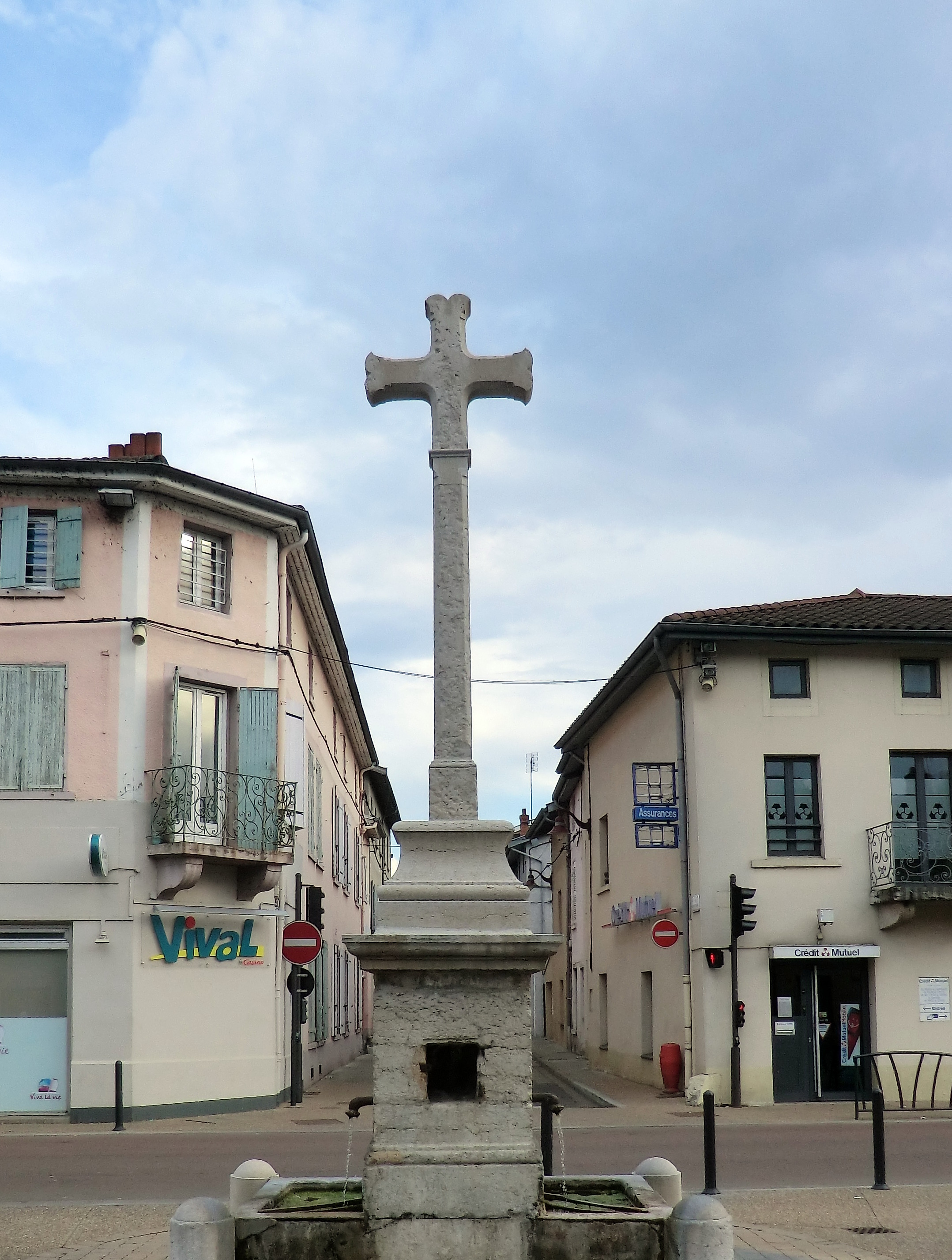
Calvaire‑Fontaine – The Hidden Fountain Gem of Miribel, Rhône‑Alpes
Discover the charm of a modest 2‑meter stone fountain perched in the heart of Miribel, and why it deserves a spot on your Rhône‑Alpes itinerary.
Introduction
If you think the most famous French fountains are only found in Paris or the grand châteaux of the Loire Valley, think again. Tucked away in the quiet town of Miribel—just a stone’s throw from Lyon—lies Calvaire‑fontaine, a modest yet striking stone fountain that captures the essence of rural Rhône‑Alpes charm. With its crisp water jets, historic stonework, and a setting that feels both timeless and intimate, this little landmark is the perfect stop for travelers seeking authentic French heritage off the beaten path.
Whether you’re a history buff, a photography enthusiast, or simply wandering through the scenic countryside of Rhône‑Alpes, Calvaire‑fontaine offers a serene pause and a glimpse into the region’s communal traditions. Let’s explore why this fountain should be on your travel radar, how to get there, the best time to visit, and what else you can discover nearby.
About Calvaire‑Fontaine
A Brief Description
- Location: Miribel, Rhône‑Alpes, France
- Coordinates: 45.823817 N, 4.952062 E
- Height: 2.0 m (approximately 6.5 ft)
- Type: Historic stone fountain (public water source)
Calvaire‑fontaine is a stone fountain built in the traditional style of the 19th‑century French “fontaines publiques.” Its simple rectangular basin rests on a sturdy pedestal, from which water gracefully arcs into the basin below. The fountain’s modest height of 2 meters makes it approachable for close‑up photography, while the surrounding stone paving invites visitors to sit, linger, and soak in the gentle sounds of flowing water.
Historical Context
While detailed archival records are scarce, the fountain’s design aligns with the wave of municipal water projects that swept through rural France in the late 1800s. During that period, many towns erected public fountains to provide clean drinking water, promote hygiene, and create communal gathering points. The name “Calvaire‑fontaine” hints at a possible connection to a nearby Calvary (calvaire)—a traditional religious monument—suggesting that the fountain may have originally served pilgrims or local worshippers gathering at the site.
The fountain’s endurance through more than a century of change underscores its cultural significance for Miribel’s residents. It remains a beloved landmark, often featured in local festivals, seasonal markets, and community photographs.
Why It Matters
- Cultural heritage: Represents 19th‑century public works and community life in rural France.
- Architectural simplicity: Showcases classic stone masonry techniques typical of the Rhône‑Alpes region.
- Community focal point: Continues to be a meeting place for locals and visitors alike.
How to Get There
By Air
- Lyon‑Saint‑Exupéry Airport (LYS) is the nearest international gateway, located about 20 km (12 mi) north‑east of Miribel. From the airport, you can rent a car, take a shuttle, or hop on the regional train network.
By Train
- Lyon Part‑Dieu and Lyon Perrache are the main railway stations in Lyon. From either station, catch a TER (regional) train toward Miribel. The journey takes roughly 15‑20 minutes.
- Once you arrive at Miribel station, the fountain is a 10‑minute walk north‑east of the platform.
By Car
- From Lyon, follow the A42 motorway toward Bourg‑en‑Bresse. Take exit 12 (Miribel) and follow the signs for the town centre. Parking is available on the streets surrounding the town square; look for the blue “P” signs indicating free public parking.
By Bike or On Foot
- The Rhône‑Alpes region boasts an extensive network of bicycle paths (voies vertes) that link Miribel to nearby villages. If you’re cycling from Lyon, you can follow the Lyon–Bourg‑en‑Bresse greenway, which brings you directly to the town’s historic centre.
Navigation Tips
- GPS coordinates: 45.823817, 4.952062 – plug these into any navigation app for precise guidance.
- Look for the stone pedestal with water jets near the intersection of Rue du Calvaire and Place de la Fontaine (the exact street names may vary, but the fountain is clearly visible from the main square).
Best Time to Visit
Spring (April–June)
- Why: The surrounding gardens burst into color, and the temperature is mild (10‑20 °C / 50‑68 °F). The fountain’s water flow is at its freshest after winter rains.
Summer (July–August)
- Why: Warm days make the fountain a refreshing oasis. Early mornings or late evenings are ideal to avoid the midday heat and capture soft golden light for photos.
Autumn (September–October)
- Why: The foliage turns amber, creating a picturesque backdrop. Fewer tourists mean a tranquil experience.
Winter (November–March)
- Why: While the fountain may be partially frozen, the quiet ambiance and occasional festive decorations (especially around Christmas) give it a magical feel.
Overall recommendation: Late spring to early autumn offers the most comfortable weather and vibrant scenery for an enjoyable visit.
What to Expect
The Senses
- Sight: A clean stone basin framed by subtle carvings, with water gently spilling over the edge. The surrounding cobblestones and historic façades enhance the visual appeal.
- Sound: The soft murmur of water creates a calming soundtrack, perfect for a moment of relaxation or meditation.
- Touch: If permitted, you can feel the cool stone of the fountain’s pedestal—a tactile reminder of centuries of community use.
Photo Opportunities
- Close‑ups: Capture the water droplets against the stone texture.
- Wide shots: Include the surrounding town square, especially during market days when stalls add color and life.
- Seasonal shots: Cherry blossoms in spring, sun‑kissed stone in summer, golden leaves in autumn, and festive lights in winter.
Activities
- Picnic: Bring a baguette, cheese, and a bottle of local wine for a leisurely snack by the fountain.
- Local events: Check the Miribel municipal website for seasonal festivals—the fountain often serves as a backdrop for concerts, art installations, and community gatherings.
Nearby Attractions
Miribel’s compact town centre makes it easy to explore several nearby fountains and points of interest within a short walk. While the exact names of these fountains are not widely documented, they contribute to the town’s historic water network.
| Distance | Attraction | Description | Link |
|---|---|---|---|
| 0.2 km | Fountain A | A similarly sized stone fountain located near the town hall. | View on Map |
| 0.2 km | Fountain B | Small decorative fountain tucked behind a local bakery. | View on Map |
| 0.2 km | Fountain C | Historic water source at the entrance of the municipal park. | View on Map |
| 0.3 km | Fountain D | A modern stone fountain with a contemporary design near the railway station. | View on Map |
| 0.4 km | Fountain E | Small ornamental fountain surrounded by a flower garden. | View on Map |
Other Points of Interest
- Parc du Grand Vallon: A short 5‑minute walk north of Calvaire‑fontaine, offering shaded paths, playgrounds, and a small lake.
- Église Saint‑Alphonse: The town’s historic church, featuring neo‑Romanesque architecture and a bell tower visible from the fountain.
- Miribel Market (Saturday mornings): A bustling local market where you can sample fresh produce, regional cheeses, and artisanal breads.
Travel Tips
| Tip | Details |
|---|---|
| Dress comfortably | Cobblestone streets can be uneven; wear supportive shoes. |
| Stay hydrated | Even though the fountain is beautiful, the water is not intended for drinking. Carry a reusable bottle. |
| Check opening hours | The fountain is public and accessible year‑round, but nearby cafés may have seasonal hours. |
| Respect local customs | Keep noise levels low, especially during early mornings or religious events near the Calvary. |
| Parking | Free street parking is available, but spots fill quickly on market days. Arrive early if you’re driving. |
| Language | French is the primary language; a few basic phrases (“Bonjour,” “Merci”) go a long way. |
| Connectivity | Free Wi‑Fi is offered at the town hall; otherwise, use mobile data for navigation. |
| Safety | The area is generally safe, but keep an eye on personal belongings in crowded markets. |
| Photography | No permits required for personal photography, but avoid using tripods that may obstruct foot traffic. |
| Local cuisine | Try the Quenelle de Brochet (pike dumplings) at a nearby bistro for an authentic Rhône‑Alpes taste. |
Final Thought
Calvaire‑fontaine may not boast the grandeur of Parisian monuments, but its quiet elegance, historical resonance, and picturesque setting make it a standout highlight for anyone exploring the Rhône‑Alpes region. By weaving this modest fountain into your travel itinerary, you’ll experience a slice of authentic French life—one gentle splash at a time.
Pack your camera, lace up your walking shoes, and let the soothing flow of Calvaire‑fontaine guide you through the heart of Miribel.