Discover the Majestic Barrage de Roselend – A Hidden Alpine Gem in Rhône‑Alpes, France
If you think the French Alps are only about ski slopes and cheese‑laden villages, think again. Tucked away near the charming town of Beaufort, the Barrage de Roselend (Roselend Dam) offers a breathtaking blend of engineering marvel, crystal‑clear waters, and rugged mountain scenery that will make any traveler’s heart race.
1. Introduction
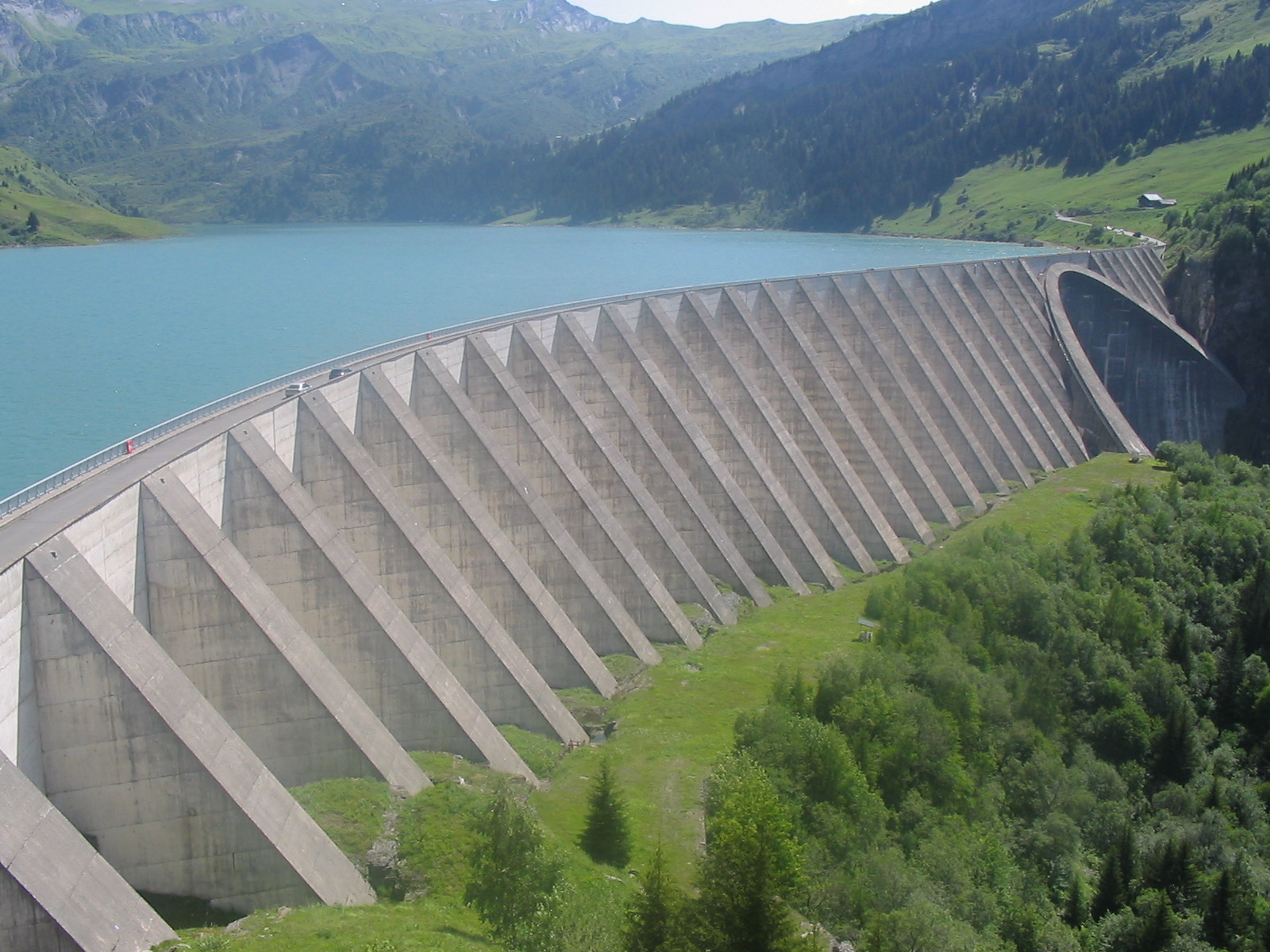
Imagine standing on a high‑altitude promenade, the wind whispering through pine‑clad peaks, while below a turquoise reservoir mirrors the sky. That’s the experience at Barrage de Roselend, a 150‑meter‑tall concrete dam that not only powers the region but also creates one of the most photogenic lakes in the French Alps. Whether you’re a photography enthusiast, an outdoor adventurer, or a curious traveler seeking off‑the‑beaten‑path sights, the Roselend Dam is a must‑visit destination that perfectly captures the spirit of Rhône‑Alpes.
2. About Barrage de Roselend
A Brief History
Constructed in the 1960s, the Barrage de Roselend was built to harness the hydro‑electric potential of the Ressure River and its tributaries. Its 150 m height makes it one of the tallest dams in the region, and the reservoir it creates—Lac de Roselend—holds over 200 million cubic meters of water. The dam’s primary purpose is electricity generation, feeding the grid of the Savoie department and supporting local industry.
Why It Matters
Beyond its functional role, the dam is an iconic landmark that illustrates France’s commitment to renewable energy and sustainable tourism. The striking contrast between the massive concrete structure and the surrounding Alpine flora has turned the site into a popular spot for hikers, cyclists, and photographers. The reservoir’s calm surface also supports a modest but thriving fishery, adding another layer to its ecological significance.
Architectural Highlights
- Height: 150 m of sheer concrete, offering dramatic views from the top.
- Location: Nestled at latitude 45.685251 and longitude 6.620824, the dam sits in the heart of the Beaufort valley, surrounded by peaks that often exceed 2,500 m.
- Design: A gravity dam that blends functional engineering with the natural contours of the mountain landscape.
3. How to Get There
By Car
The most flexible way to reach the Barrage de Roselend is by car. From Albertville, follow the D925 south‑east toward Beauvoir‑Bauges, then take the D117 and D915 signs for Roselend. The drive is scenic, winding through pine forests and offering multiple pull‑outs for photo stops. Parking is available near the dam’s visitor area, with clear signage for the “Barrage de Roselend” lot.
By Public Transport
- Train: Take a TER train to Albertville or Moutiers‑Savoie.
- Bus: From either station, catch the regional bus line C3 (Albertville ↔ Beaufort) that stops at Roselend. Buses run less frequently in winter, so check the latest timetable on the SNCF website.
By Bike or Hike
For the adventurous, the GR5 long‑distance trail passes within a few kilometers of the dam. Cyclists can follow the Véloroute des Hautes Alpes, a low‑traffic route that offers breathtaking vistas and occasional roadside cafés.
4. Best Time to Visit
| Season | Highlights | Weather & Tips |
|---|---|---|
| Spring (April‑June) | Snowmelt fills the lake, vibrant wildflowers bloom along the shoreline. | Mild temperatures (10‑18 °C). Bring waterproof shoes for occasional showers. |
| Summer (July‑August) | Warm, sunny days perfect for picnics and paddle‑boarding on the reservoir. | Temperatures 20‑25 °C; high UV—use sunscreen. |
| Autumn (September‑October) | Golden foliage, fewer crowds, and crisp mountain air. | Cooler (8‑15 °C); ideal for hiking. |
| Winter (November‑March) | Snow‑capped dam, serene silence, and opportunities for snowshoeing. | Sub‑zero temps; road conditions may require chains. |
Peak visitor season is July and August, so if you prefer a quieter experience, aim for early June or late September.
5. What to Expect
The Visual Spectacle
Approaching the dam, you’ll first notice the massive concrete wall rising from the valley floor. From the Barrage de Roselend viewpoint, the lake stretches like a sapphire ribbon, its surface reflecting the surrounding peaks—Mont Charvin, Le Grand Montets, and Le Taillefer. The contrast of deep blue water against the stark white of the dam creates a photo‑worthy tableau that changes with the light.
Activities
- Walking & Photography: A well‑maintained promenade runs along the reservoir’s edge, with interpretive panels explaining the dam’s history and hydro‑electric process.
- Picnicking: Designated grassy areas near the visitor center provide tables and waste bins—perfect for a lakeside lunch.
- Fishing: Seasonal permits allow catch‑and‑release fishing for trout and pike.
- Water Sports: In summer, non‑motorized boats (kayaks, paddle‑boards) can be rented from a small local operator.
Facilities
- Visitor Center: Open daily (7 am‑7 pm in summer, 9 am‑5 pm in winter). Offers multilingual brochures, a short documentary, and a souvenir shop featuring locally made cheese and crafts.
- Restrooms: Clean, accessible facilities near the parking lot.
- Accessibility: The main viewpoint is wheelchair‑friendly, with gentle ramps and tactile paving.
6. Nearby Attractions
While the dam itself is a star attraction, the surrounding area is peppered with natural wonders that can easily fill a day’s itinerary. Below are the top spots within a short drive or hike:
- Spring (0.7 km) – A crystal‑clear mountain spring bubbling out of the rocky hillside, perfect for a quick nature break.
- Dam (1.9 km) – Another smaller hydro‑electric dam that showcases the region’s engineering heritage.
- Spring (2.4 km) – A secluded spring surrounded by alpine wildflowers, ideal for photography.
- Waterfall (2.7 km) – A picturesque cascade that drops into a moss‑covered pool—great for a refreshing dip in summer.
- Weir (3.0 km) – A historic weir that once regulated water flow for local mills; now a quiet spot for birdwatching.
Tip: All these attractions are reachable via marked forest trails or short gravel roads. Pack a map or use a GPS app to stay on track.
7. Travel Tips
| Tip | Details |
|---|---|
| Start Early | Arrive at sunrise for the best light on the dam and to avoid the midday crowd. |
| Bring Layers | Alpine weather shifts quickly; a light jacket and a warm hat are essential year‑round. |
| Stay Hydrated | Even in cooler months, the altitude can cause dehydration. Carry a reusable water bottle. |
| Respect the Environment | Stick to marked paths, pack out all litter, and follow local wildlife guidelines. |
| Check Road Conditions | In winter, the D117 can be icy; consult the Savoie road authority website for live updates. |
| Local Cuisine | After your visit, head to Beaufort for its famous cheese fondue or a hearty raclette—both pair beautifully with the mountain ambiance. |
| Photography Gear | A wide‑angle lens captures the dam’s scale; a polarizing filter reduces glare on the water. |
| Safety | Swimming is allowed only in designated zones. Keep a safe distance from the dam’s spillways, especially during high‑flow periods. |
Final Thought
The Barrage de Roselend may be a functional piece of infrastructure, but it has transcended its industrial roots to become a captivating destination for travelers seeking authentic Alpine experiences. From its towering concrete façade to the tranquil blue lake that mirrors the sky, the dam offers a unique blend of nature, engineering, and French mountain culture. Add a few nearby springs, a waterfall, and a historic weir to your itinerary, and you’ll leave Rhône‑Alpes with a deeper appreciation for the region’s hidden treasures.
Pack your camera, lace up your boots, and let the Roselend Dam inspire your next adventure in the heart of the French Alps.
Keywords: Barrage de Roselend, Roselend dam, Rhône‑Alpes dam, Beaufort dam, French Alps dam, hydroelectric dam France, Roselend lake, mountain dam, travel to Rhône‑Alpes, things to do near Roselend, dam sightseeing, French dam tourism.