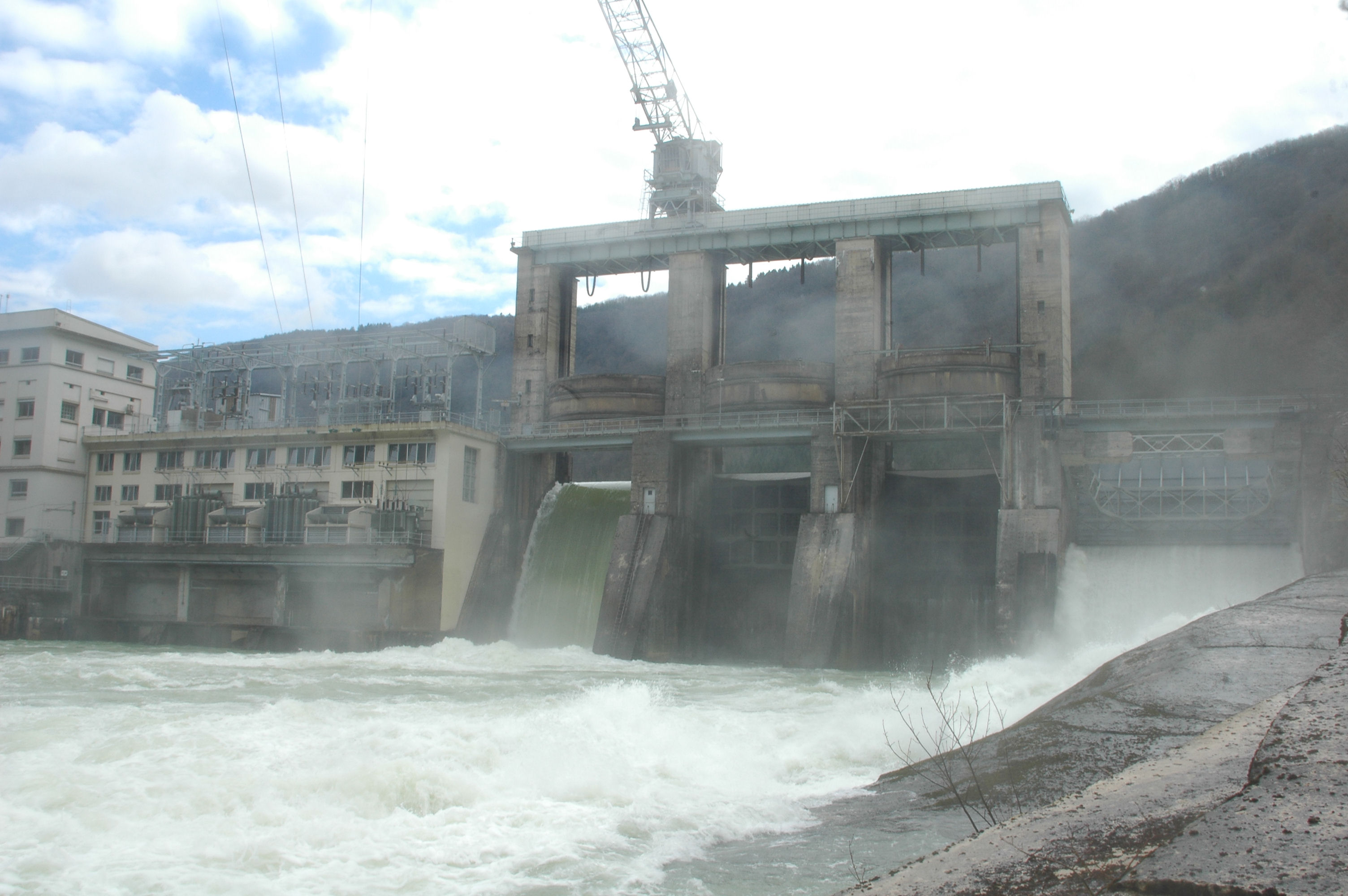
Discover the Hidden Gem of Rhône‑Alpes: Barrage de Cize‑Bolozon
If you think the French Alps are only about ski lifts and mountain chalets, think again. Nestled in the tranquil valley of Villereversure, the Barrage de Cize‑Bolozon offers a perfect blend of engineering marvel, breathtaking scenery, and easy‑going outdoor adventure. Let’s dive into why this modest dam should be on your Rhône‑Alpes itinerary.
1. Introduction
Imagine standing on a sturdy concrete wall that spans a shimmering river, the water below rippling like a silver ribbon against a backdrop of rolling hills. The air carries a faint mist, the distant call of a mountain bird, and the soft hum of turbines working silently in the background. This is the experience awaiting you at the Barrage de Cize‑Bolozon, a 20th‑century dam that may not appear on the usual “must‑see” lists, but rewards the curious traveler with authentic French countryside charm and a glimpse into the country’s hydro‑electric heritage.
Whether you’re a photography enthusiast hunting for reflective water scenes, a family looking for a low‑key day‑trip, or a history buff fascinated by France’s post‑war infrastructure, the dam’s location in Villereversure, Rhône‑Alpes makes it a versatile stop on any travel route through eastern France.
2. About Barrage de Cize‑Bolozon
A Brief History
The Barrage de Cize‑Bolozon (French for “Cize‑Bolozon Dam”) was constructed as part of a broader effort to harness the hydro‑electric potential of the Ain River basin. While the exact year of completion is not listed in the public sources we consulted, the dam belongs to a wave of mid‑20th‑century projects that helped modernize France’s energy grid after World War II. Its primary purpose is to generate renewable electricity while also regulating water flow for downstream agriculture and recreation.
Architectural Significance
Built from reinforced concrete, the dam exemplifies functional French engineering: robust, low‑maintenance, and designed to blend into the surrounding landscape. Though the precise height and altitude are not publicly disclosed, the structure’s modest scale makes it approachable for visitors—there’s no need for towering observation decks or hazardous cliffs. Instead, you can walk along safe, paved pathways that give you unobstructed views of the water reservoir and the surrounding hills.
Why It Matters
- Renewable Energy – The dam contributes to France’s commitment to clean power, feeding the national grid with hydro‑electric energy.
- Ecological Balance – By controlling river flow, it helps protect downstream ecosystems and supports local agriculture.
- Cultural Heritage – The dam is a tangible reminder of post‑war reconstruction and the ingenuity of French civil engineering.
For a deeper dive into its technical background, the French Wikipedia entry offers a concise overview: Barrage de Cize‑Bolozon (fr).
3. How to Get There
By Car
The most straightforward way to reach the dam is by car. From Lyon, take the A42 motorway toward Bourg‑en‑Bresse, then follow the N79 (also known as the “Route des Alpes”) toward Villereversure. The journey takes roughly 1 hour 15 minutes (≈ 100 km). Parking is available in a small lot just a few minutes’ walk from the dam’s visitor area.
By Train & Bus
- Train: The nearest SNCF station is Villereversure‑Bâgé on the Lyon‑Bourg‑en‑Bresse line. Trains run regularly from Lyon Part‑Dieu, with a travel time of about 1 hour.
- Bus: From the station, a local bus (line X) or a short taxi ride will drop you off near the dam. Check the latest schedules on the Auvergne‑Rhône‑Alpes transport website before you travel.
By Bike or Hike
If you’re an avid cyclist, the ViaRhôna greenway runs close to the dam, offering a scenic, low‑traffic route along the Ain River. For hikers, the surrounding countryside is criss‑crossed with marked trails that connect the dam to nearby waterfalls and springs.
Practical Tips
- GPS Coordinates: 46.210796 N, 5.464757 E – enter these into your navigation system for pinpoint accuracy.
- Opening Hours: The site is publicly accessible year‑round; there are no ticket gates, but the visitor information board is typically open from 9 am to 6 pm (summer) and 9 am to 4 pm (winter).
- Facilities: Restrooms and a small picnic area are located near the parking lot.
4. Best Time to Visit
| Season | What to Expect | Why It’s Ideal |
|---|---|---|
| Spring (April‑June) | Fresh green foliage, blooming wildflowers, moderate temperatures (12‑20 °C). | Perfect for photography and easy walking trails. |
| Summer (July‑August) | Long daylight hours, occasional picnics by the water, water levels often higher. | Ideal for families and cyclists; bring sunscreen. |
| Autumn (September‑October) | Golden leaf colors, cooler air (10‑16 °C), quieter visitor numbers. | Great for tranquil walks and capturing autumnal reflections on the reservoir. |
| Winter (November‑March) | Frosty mornings, occasional snow on surrounding hills, lower water flow. | Offers a serene, almost mystical atmosphere; dress warmly. |
Overall, late spring to early autumn provides the most comfortable weather for outdoor activities, while early autumn gives you the bonus of fewer crowds and spectacular foliage.
5. What to Expect
When you arrive, you’ll first notice the calm expanse of the reservoir, its surface often mirroring the sky in a perfect, glass‑like finish. The dam itself is low enough to feel intimate, yet sturdy enough to convey the seriousness of its purpose.
- Scenic Walkways: Paved paths loop around the dam, offering multiple viewpoints. Stop at the information board for details on turbine capacity, water management, and local wildlife.
- Birdwatching: The area attracts waterfowl such as herons, kingfishers, and occasional ducks. Bring binoculars for a closer look.
- Photography: Early morning light creates a soft glow on the water, while late afternoon sun casts dramatic shadows on the concrete structure.
- Picnic Spots: Small tables and benches are scattered near the water’s edge, making it easy to enjoy a packed lunch while listening to the gentle lapping of waves.
Because the dam is not a high‑traffic tourist magnet, you’ll often have the space to yourself—a rare luxury in popular French regions.
6. Nearby Attractions
The Barrage de Cize‑Bolozon serves as an excellent base for exploring several natural gems within a short drive or walk. Below are the top spots, each offering a distinct slice of Rhône‑Alpes beauty.
| Attraction | Distance | Highlights | Link |
|---|---|---|---|
| Fontaine Noire de Cize (spring) | 0.8 km | A crystal‑clear spring that feeds the local river, surrounded by mossy rocks. Ideal for a quick stop and a photo. | Fontaine Noire de Cize |
| Unnamed Fountain | 2.1 km | A small historic fountain often used by locals; a quiet spot for a reflective pause. | Fountain (2.1 km) |
| Cascade de Pisse Vache (waterfall) | 2.3 km | A lively cascade dropping into a natural pool; perfect for a short hike and a splash on a warm day. | Cascade de Pisse Vache |
| Cascade du Grand Pichet (waterfall) | 3.3 km | Larger than Pisse Vache, this waterfall offers a dramatic drop and a scenic viewpoint. | Cascade du Grand Pichet |
| Unnamed Dam | 3.7 km | Another small hydro‑electric structure that showcases the region’s commitment to renewable energy. | Dam (3.7 km) |
Tip: Pack a light backpack with water, snacks, and a rain jacket. The trails linking these attractions are well‑marked but can be uneven in places.
7. Travel Tips
- Check Water Levels: The reservoir’s water level can fluctuate seasonally. A higher level in spring/summer means more expansive views, while lower levels in winter may expose the dam’s base—both are photogenic in their own right.
- Bring a Picnic: There are no cafés directly at the dam, but the surrounding picnic area is perfect for a relaxed lunch. Local markets in Bourg‑en‑Bresse offer fresh cheese, baguettes, and fruit.
- Wear Comfortable Shoes: Even though the main paths are paved, some side trails to the nearby waterfalls are gravel or dirt. Good walking shoes will keep you comfortable.
- Respect the Environment: The dam area is a working hydro‑electric site. Stay on designated paths, avoid climbing on structures, and dispose of litter in the provided bins.
- Capture the Light: The best lighting for photos is usually golden hour (30 minutes after sunrise or before sunset). Arrive early if you want to beat any occasional crowds.
- Combine with a Day Trip: Pair your visit with a trip to Bourg‑en‑Bresse, known for its historic Basilica of Saint‑André and the Bresse chicken culinary specialty. The town is just a 15‑minute drive away.
- Language Help: While most locals speak French, signage at the dam is bilingual (French/English). Having a few basic French phrases (e.g., “Où est le parking?” – “Where is the parking?”) can be handy.
Conclusion
The Barrage de Cize‑Bolozon may not have the towering fame of the Eiffel Tower or the glamour of the French Riviera, but it offers something uniquely rewarding: a peaceful encounter with French engineering set against the natural splendor of Rhône‑Alpes. From gentle walks along the reservoir to nearby waterfalls that feel like secret treasures, this dam provides a low‑key yet unforgettable slice of French countryside life.
So next time you’re mapping out a trip through eastern France, give the Barrage de Cize‑Bolozon a spot on your itinerary. Bring your camera, your curiosity, and a sense of adventure—you’ll leave with memories of shimmering waters, crisp mountain air, and the quiet hum of renewable energy powering the heart of France.
Happy travels!