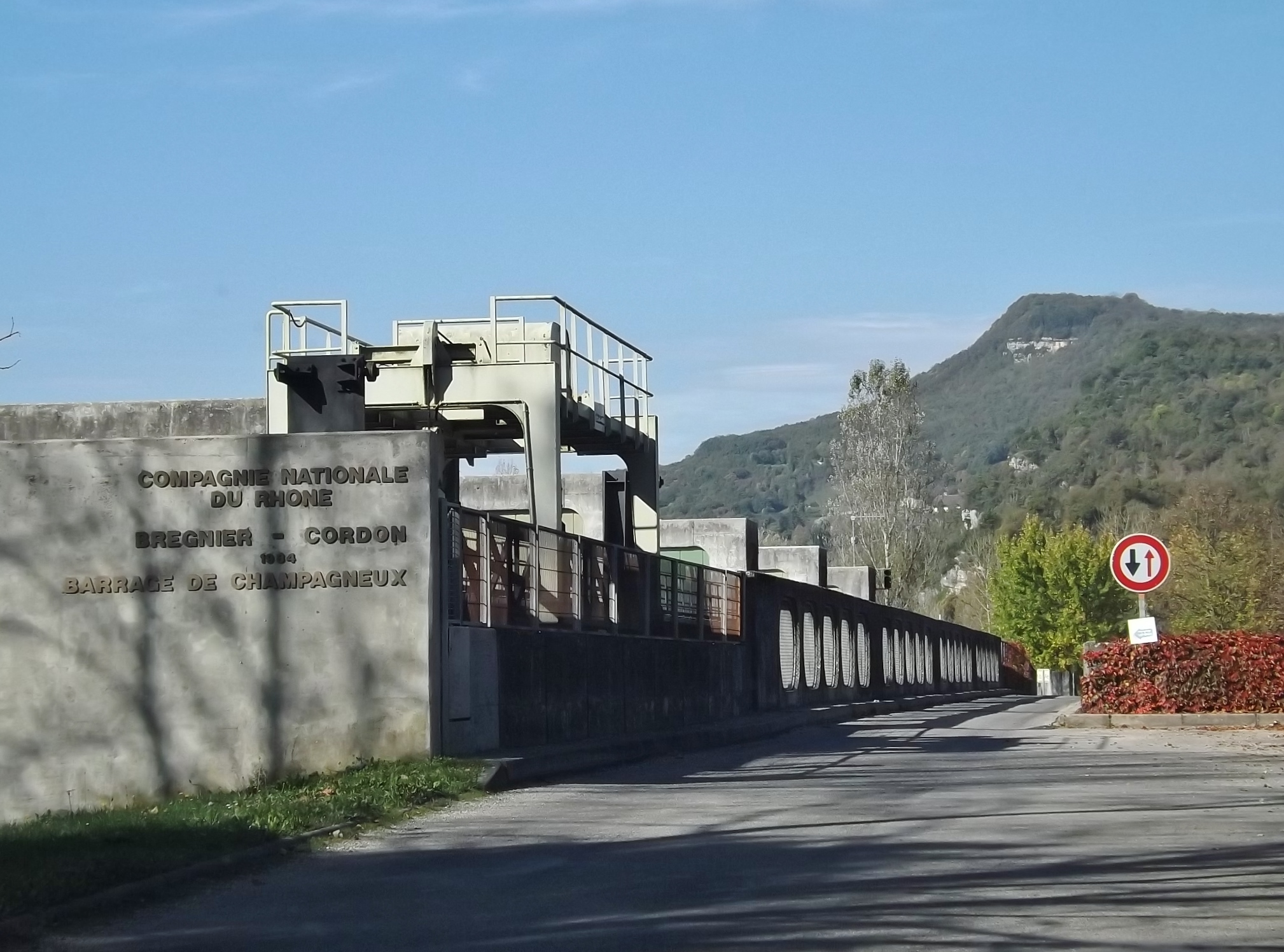
Discover the Hidden Gem of Rhône‑Alpes: Barrage de Champagneux
If you think the French Alps are only about snow‑capped peaks and gourmet cheese, think again. Nestled in the verdant valley of Saint‑Genix‑sur‑Guiers lies a quiet masterpiece of engineering and nature – the Barrage de Champagneux. This modest dam may not boast record‑breaking heights, but its tranquil setting, crisp mountain air, and nearby natural wonders make it a perfect off‑the‑beaten‑path destination for curious travelers.
1. Introduction
Imagine standing on a sturdy concrete walkway, the gentle hum of water flowing through turbines behind you, while the surrounding Alpine foothills stretch out in a patchwork of forests, pastures, and tiny villages. That’s the experience awaiting you at Barrage de Champagneux, a dam that quietly regulates the Guiers river in the heart of Rhône‑Alpes, France.
Travelers who crave authentic French countryside vibes, love spotting engineering feats in natural settings, or simply need a peaceful spot for a picnic will find this dam a rewarding stop. And because it’s tucked away from the usual tourist crowds, you can enjoy the serenity of the area while still being within easy reach of larger Alpine towns like Grenoble and Chambéry.
2. About Barrage de Champagneux
A Brief History
The Barrage de Champagneux (French for “Champagneux Dam”) was constructed to manage the water flow of the Guiers river, a tributary that winds through the Savoie department. While the exact year of completion and technical specifications such as height or altitude remain undocumented in public sources, the dam has long served the local community for irrigation, flood control, and modest hydro‑electric generation.
Its presence reflects the broader 20th‑century French effort to harness Alpine water resources responsibly, balancing energy needs with the preservation of delicate mountain ecosystems.
Why It Matters
Even without towering statistics, the dam holds cultural and environmental significance:
- Local Lifeline – Farmers in the surrounding valleys rely on the regulated water supply for crops and livestock.
- Eco‑Balance – By smoothing out seasonal river peaks, the dam helps protect downstream habitats from sudden floods.
- Tourist Appeal – The structure provides a safe, accessible viewpoint for hikers, cyclists, and photographers seeking a glimpse of Alpine engineering against a backdrop of pristine nature.
For a quick reference, you can explore the French‑language Wikipedia entry here: Barrage de Champagneux (fr).
3. How to Get There
By Air
The nearest major airports are Grenoble Alpes–Isère Airport (GNB) (≈ 80 km) and Lyon‑Saint‑Exupéry Airport (LYS) (≈ 150 km). Both airports offer car‑rental services and shuttle connections to the Rhône‑Alpes rail network.
By Train
From either airport, hop on a TER (regional) train to Saint‑Genix‑sur‑Guiers station. The journey from Grenoble takes about 45 minutes, while Lyon requires a transfer at Lyon Part‑Dieu and totals roughly 2 hours.
By Car
Driving is the most flexible option, especially if you plan to explore the surrounding attractions. From Grenoble, follow the A48 toward Bourgoin‑Jallieu, then take the D1075 southbound to Saint‑Genix‑sur‑Guiers. The dam sits just a short detour off the main road, with clear signage pointing to the Barrage de Champagneux parking area.
GPS Coordinates
For navigation systems, enter: 45.635648, 5.654327.
Practical Tips
- Parking: A modest free lot near the dam accommodates cars and bicycles.
- Accessibility: The visitor walkway is wheelchair‑friendly, though some sections may be uneven due to weathering.
- Facilities: There are picnic tables and a small information board; restrooms are located in the nearby village of Saint‑Genix‑sur‑Guiers.
4. Best Time to Visit
| Season | Weather | Why Visit |
|---|---|---|
| Spring (April‑June) | Mild temperatures (12‑20 °C), blooming wildflowers | Ideal for photography; water levels rise, creating a lively river view. |
| Summer (July‑August) | Warm, occasional thunderstorms (20‑28 °C) | Perfect for picnics and longer hikes; longer daylight hours. |
| Autumn (September‑October) | Cool, crisp air (10‑18 °C), colorful foliage | Scenic backdrop for sunset shots; fewer visitors. |
| Winter (November‑March) | Cold, occasional snow (0‑5 °C) | Quiet, dramatic icy landscapes for adventurous souls (check road conditions). |
Peak recommendation: Late spring to early autumn (May‑September) offers the most comfortable weather for walking the dam’s perimeter and exploring nearby natural sites.
5. What to Expect
Arriving at the Barrage de Champagneux, you’ll first notice the gentle roar of the Guiers river as it passes through the dam’s spillways. The concrete structure, though utilitarian, has a subtle charm—its clean lines contrast beautifully with the surrounding pine‑covered hills.
- Scenic Walks: A paved path circles the reservoir, offering several viewpoints. Stop at the wooden benches to listen to the water’s rhythm or to sketch the valley.
- Birdwatching: The reservoir attracts a variety of waterfowl, including mallards, coots, and occasional kingfishers. Bring binoculars for a rewarding sight‑seeing session.
- Photography: The dam’s reflection on the calm water during sunrise or sunset creates mirror‑like images that are a favorite among Instagrammers.
- Quiet Moments: Unlike the bustling tourist hotspots of the Alps, this spot invites contemplation. Bring a notebook, a good book, or simply soak in the Alpine air.
6. Nearby Attractions
While the dam itself is a highlight, the surrounding area brims with natural gems that can be comfortably visited in a half‑day itinerary. Below are the closest points of interest (distances measured from the dam):
| Attraction | Distance | What to See | Link |
|---|---|---|---|
| Spring | 1.9 km | Crystal‑clear water bubbling from a limestone source; perfect for a short hike. | Spring (1.9 km) |
| Fountain | 2.2 km | A historic stone fountain once used by local shepherds; charming photo backdrop. | Fountain (2.2 km) |
| Waterfall | 2.5 km | A modest cascade dropping into a moss‑lined pool; great for a refreshing dip in summer. | Waterfall (2.5 km) |
| Spring | 3.5 km | Another secluded spring surrounded by alpine wildflowers; ideal for a quiet picnic. | Spring (3.5 km) |
| Weir | 3.6 km | Small wooden weir that channels water into irrigation canals; offers insight into local farming practices. | Weir (3.6 km) |
Tip: Many of these sites are linked by local footpaths and forest trails. Grab a map at the Saint‑Genix‑sur‑Guiers tourist office or download the “Savoie Trails” app for GPS‑guided routes.
7. Travel Tips
- Dress in Layers: Alpine weather can shift quickly. A waterproof jacket, breathable shirt, and sturdy walking shoes are essential.
- Carry Cash: Small villages may have limited card‑payment options, especially at local cafés or souvenir stalls.
- Timing: Arrive early (around 8 am) during summer weekends to avoid the occasional local market crowd.
- Respect the Environment: Stay on marked paths, avoid feeding wildlife, and pack out any litter. The dam’s reservoir is a protected water source.
- Local Cuisine: After your visit, head to the nearby bistro “Le Quai du Guiers” in Saint‑Genix‑sur‑Guiers for a plate of raclette or gratin dauphinois paired with a glass of Vin de Savoie.
- Photography Etiquette: If you’re using a tripod, be mindful of other visitors and avoid blocking the walkway.
- Safety: The water can be cold and fast‑moving near spillways. Keep children supervised and stay behind safety railings.
Final Thought
The Barrage de Champagneux may not appear on the typical French travel itineraries, but that’s precisely why it feels like a secret treasure. Whether you’re an engineering enthusiast, a nature lover, or a traveler hunting for quiet corners of the Alps, this dam offers a blend of utility, beauty, and calm that’s hard to find elsewhere.
Pack your daypack, set your GPS to 45.635648, 5.654327, and let the gentle flow of the Guiers guide you to a uniquely French experience—one that stays with you long after the water has receded.
Happy travels!
